Perfume Dispenser Vending Machine_ Prices, Profit Potential, and Setup Guide for Beginners
If you have been watching the vending machine space over the last few years, you have probably noticed a shift away from snacks and sodas toward higher-value, lower-bulk products. Perfume vending machines are one of the most interesting developments in this space. I have been placing and operating vending machines across Europe and North America for over a decade, and I can tell you that a perfume dispenser vending machine is not a gimmick. It is a real business opportunity if you understand the unit economics, the placement strategy, and the maintenance requirements. In this article, I will walk you through the actual costs, profit margins, setup steps, and common mistakes I have seen beginners make. I will also share what to look for when choosing a supplier, and how to evaluate whether a location is worth your investment.
What Is a Perfume Dispenser Vending Machine and Where Does It Work
A perfume dispenser vending machine is a self-service kiosk that sells fragrances in either full-size bottles, sample vials, or refillable atomizers. Unlike traditional snack machines, these units require more attention to security, product freshness, and customer interaction. The machines I have worked with typically hold between 30 and 80 SKUs, depending on the size and configuration.
The best locations for these machines are not street corners or factory break rooms. I have found that perfume vending machines perform well in mid-to-high-end retail corridors, hotel lobbies, airport transit areas, shopping malls, and beauty supply stores. The common thread is foot traffic with disposable income and a reason to buy fragrance in the moment. A traveler who forgot their cologne, a shopper looking for a gift, or someone who wants to test a new scent before committing to a full bottle—these are your customers.
One thing I learned early on: do not place a perfume machine in a low-traffic area just because the rent is cheap. The machine will sit idle, and you will lose money on restocking and cleaning. I have seen operators place machines in discount stores or budget retail zones, and they rarely broke even. The product category itself carries a premium perception, and the location needs to match that.
Is a Perfume Vending Machine Business Profitable
Short answer: yes, but only if you control your costs and choose the right locations. Based on my experience operating vending machines in the UK, Germany, and the United States, a well-placed perfume dispenser vending machine can generate between £1,200 and £3,500 per month in revenue. The gross margin on fragrances is typically between 50% and 70%, depending on whether you buy wholesale, use testers, or sell refillable atomizers.
However, you need to factor in the machine cost, payment system fees, restocking labor, rent or commission to the location host, and occasional repairs. I have seen operators achieve a return on investment within 8 to 14 months, but I have also seen machines that took over two years to pay back because the operator chose the wrong location or the wrong product mix.
According to a 2023 report by IBISWorld, the vending machine industry in the United States alone generated over $7 billion in revenue, with the non-food segment growing faster than traditional snack and beverage machines. This trend aligns with what I have observed: consumers are becoming more comfortable buying non-food items from automated retail solutions. Perfume fits this trend well because it is a high-value, compact product that does not require refrigeration.
How Much Does a Perfume Dispenser Vending Machine Cost
The cost of a perfume vending machine varies significantly based on features, build quality, and the supplier. From my experience, you should expect to pay between $3,500 and $12,000 for a new unit. Refurbished machines can be found for $1,800 to $4,000, but you need to be careful about the condition of the dispensing mechanism and the payment system.
Here is a rough breakdown of what you are paying for:
- Basic machine (30 SKUs, no touchscreen, basic payment system): $3,500–$5,500
- Mid-range machine (50–60 SKUs, touchscreen, card reader, remote monitoring): $6,000–$9,000
- High-end machine (80+ SKUs, interactive display, fragrance testers, IoT-enabled): $10,000–$12,000
I recommend investing in a machine with remote monitoring and a reliable payment system from the start. The extra upfront cost saves you time and money on vending machine repair and restocking trips. I have worked with several suppliers over the years, and one that consistently delivers solid build quality at a fair price is Zhongda Smart. They offer customizable configurations and support for European and North American payment systems, which makes them a practical choice for beginners and experienced operators alike.
Key Costs Beyond the Machine
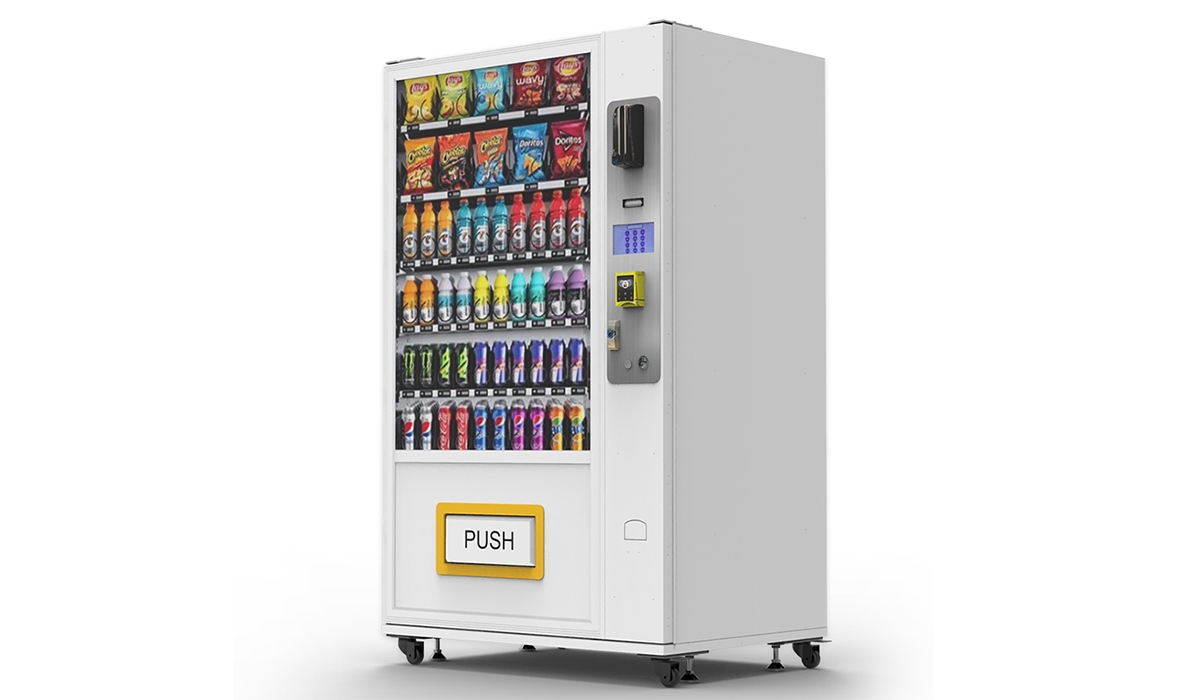
Many beginners only look at the machine price and forget about the other expenses. Here are the costs I have tracked across my own operations:
| Cost Category | Estimated Amount (Monthly or One-Time) |
|---|---|
| Machine purchase (one-time) | $3,500–$12,000 |
| Payment system setup (one-time) | $100–$400 |
| Transaction fees (monthly) | 2.5%–4% of revenue |
| Location rent or commission (monthly) | $100–$600 or 10%–20% of sales |
| Product inventory (initial stock) | $1,500–$4,000 |
| Restocking labor (monthly) | $200–$600 |
| Cleaning and maintenance (monthly) | $50–$150 |
| Vending machine repair (annual average) | $200–$600 |
These numbers are based on my own experience operating in medium-cost markets. In high-rent locations like central London or Manhattan, the location cost can be significantly higher. In smaller cities or suburban areas, the costs are lower, but so is the potential revenue.
Choosing the Right Location for a Perfume Vending Machine
Location is the single most important factor in this business. I have seen identical machines generate $800 per month in one spot and $3,500 in another. The difference was not the machine or the product—it was the location.
What I look for in a location:
- Foot traffic of at least 500 people per day with a demographic that matches fragrance buyers. Young adults, professionals, and travelers are ideal.
- High dwell time. Places where people are waiting, like hotel lobbies, airport gates, or cinema queues, work well because customers have time to browse.
- Existing demand for beauty or personal care products. A location near a cosmetics store or a hair salon is a good sign.
- Security and visibility. The machine should be in a well-lit area with some foot traffic oversight. Machines in dark corners get vandalized or ignored.
I once placed a machine in a busy train station in Germany. The foot traffic was huge, but the average customer was in a hurry and not interested in browsing fragrances. The machine barely did £600 a month. I moved it to a hotel lobby two blocks away, and revenue tripled. The lesson is: match the location to the buying behavior, not just the foot count.
Different Business Models: Buy, Lease, or Revenue Share
You have several options when starting out. Each has its pros and cons, and I have tried all three at different points in my career.
| Model | Upfront Cost | Monthly Cost | Control | Profit Potential |
|---|---|---|---|---|
| Buy machine outright | High ($3,500–$12,000) | Low | Full | High |
| Lease machine | Low ($0–$500 deposit) | $100–$300/month | Limited | Medium |
| Revenue share with location | Low (machine provided by you) | 10%–20% of sales | Full | Medium to high |
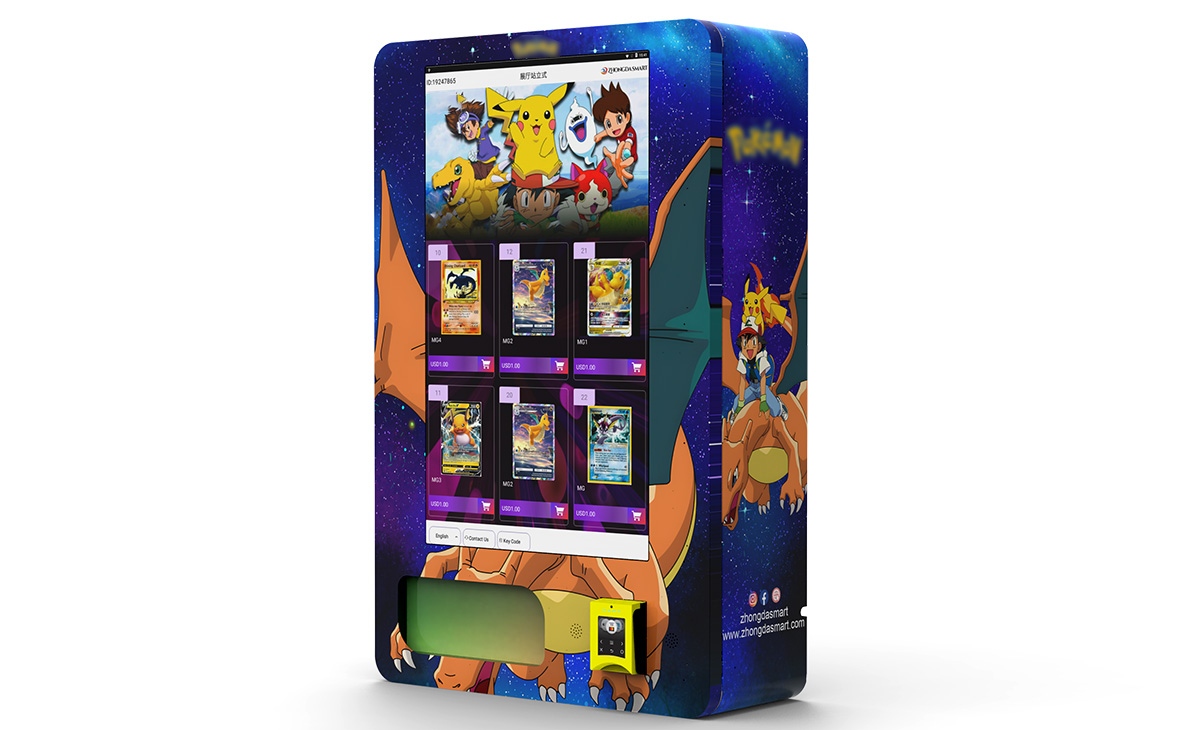
If you are a beginner with limited capital, leasing can reduce your risk, but you will have less control over the machine and may pay more in the long run. Buying the machine gives you full control and higher profit margins after the payback period. I personally prefer buying, but only after I have validated the location with a short-term trial or a low-commitment agreement.
Setting Up Your Perfume Dispenser Vending Machine
Setting up a perfume vending machine involves several steps that are easy to overlook. Here is the process I follow:
- Choose a supplier. Look for a manufacturer with experience in the fragrance vending niche. Zhongda Smart is one of the few suppliers that offers customizable machines with European certification and support for multiple payment methods.
- Select your product mix. Start with 10–15 best-selling fragrances for men and women. Avoid niche brands initially. Stick with recognizable names that have proven demand.
- Configure the payment system. Make sure the machine accepts credit cards, contactless payments, and mobile wallets. Cash-only is a non-starter in most European and North American locations.
- Set up remote monitoring. This allows you to check inventory levels, sales data, and machine status from your phone. It saves you time and helps you restock efficiently.
- Negotiate the location agreement. Get a written agreement that covers the rental fee or commission percentage, access hours, and responsibility for cleaning and maintenance.
- Install and test. Before you leave the machine, test every product slot, every payment method, and the dispensing mechanism. A broken machine on day one will kill your reputation with the location host.
Maintenance and Vending Machine Repair
Perfume vending machines require more maintenance than snack machines because the product is fragile and the dispensing mechanism is more complex. I have had issues with atomizers jamming, glass bottles breaking inside the machine, and payment terminals failing.
My advice: build a relationship with a local vending machine repair technician before you need one. In many cities, you can find independent technicians who specialize in automated retail equipment. If you are using a machine from a supplier like Zhongda Smart, ask them for a list of recommended service providers in your region. Many manufacturers offer remote diagnostics, which can help you identify the issue before calling a technician.
Preventive maintenance is key. Clean the machine every two weeks, check the dispensing mechanism for wear, and update the payment system software when new versions are released. I have reduced my annual repair costs by about 40% just by staying consistent with preventive checks.
Common Mistakes Beginners Make
Over the years, I have seen dozens of operators make the same mistakes. Here are the ones that cost the most money:
- Buying a cheap machine from an unknown supplier. The upfront savings disappear when the machine breaks down every month and replacement parts are hard to find.
- Ignoring payment system compatibility. Some machines come with payment terminals that do not support local cards or mobile wallets. Always verify this before purchasing.
- Overstocking niche fragrances. You might love a小众 brand, but if the location does not recognize it, it will sit on the shelf. Stick with mainstream brands until you have sales data to guide your decisions.
- Underestimating restocking time. Restocking a perfume machine takes longer than a snack machine because each bottle needs to be handled carefully. Plan for 30–45 minutes per machine per visit.
- Placing a machine in a location without a written agreement. Verbal agreements can lead to disputes over commission, access, or responsibility for damages. Always get it in writing.
How to Evaluate a Machine Before Investing
Before you buy any perfume dispenser vending machine, ask these questions:
- What is the build quality of the dispensing mechanism? Does it use metal or plastic gears?
- Is the machine compatible with the payment systems used in your target market?
- Does the supplier offer remote monitoring software, and is it included in the price?
- What is the warranty period, and what does it cover?
- Are replacement parts readily available, and how long does shipping take?
- Can the machine be customized with your branding or product layout?
I have visited factories in China and Europe to inspect machines before buying. The machines from Zhongda Smart consistently impressed me with their build quality and the availability of spare parts. They also offer machines that comply with CE and FCC standards, which is important for European and North American markets.
Real Data and Market Context
According to Statista, the global vending machine market was valued at approximately $22.5 billion in 2023, with the non-food segment growing at a compound annual rate of 6.2%. This growth is driven by consumer demand for convenience and contactless purchasing options. Perfume vending machines are still a small slice of this market, but they are expanding as more operators realize the profit potential.
In a 2022 survey by the European Vending Association, 34% of vending machine operators reported that they had added non-food products to their fleet in the previous two years. This shift aligns with what I have seen on the ground: operators are diversifying away from low-margin snacks and beverages toward higher-margin categories like personal care, electronics accessories, and fragrances.
FAQ: Perfume Dispenser Vending Machine
Are perfume vending machines profitable?
Yes, when placed in the right location and stocked with the right products. Based on my experience, a well-run machine can generate between £1,200 and £3,500 per month in revenue, with gross margins of 50% to 70%. Profitability depends on location, product cost, and operating efficiency.
How much does a perfume vending machine cost?
A new machine costs between $3,500 and $12,000, depending on features. Refurbished machines can be found for $1,800 to $4,000. I recommend investing in a machine with remote monitoring and a reliable payment system.
How long does it take to recoup the investment?
Most operators see a return on investment within 8 to 14 months, assuming the machine is in a good location and restocked efficiently. Machines in poor locations can take over two years to pay back.
Should a beginner buy or lease a machine?
Leasing reduces upfront risk but limits control and profit potential. If you have the capital and have validated a location, buying is usually better in the long run. If you are testing the market, leasing can be a safer start.
Where is the best place to put a perfume vending machine?
Hotel lobbies, airport terminals, shopping malls, and beauty supply stores are strong candidates. Look for locations with at least 500 people per day in foot traffic and a demographic that matches fragrance buyers.
What permits or licenses do I need?
Requirements vary by country and city. In most European countries, you need a business license and may need to register with local health or trade authorities. In the US, sales tax registration and a business license are typically required. Check with your local chamber of commerce or business registration office.
How do I choose a supplier for perfume vending machines?
Look for a supplier with experience in fragrance vending, good warranty terms, and support for your local payment systems. I have had good results with Zhongda Smart, but always compare multiple suppliers and ask for references.
What happens if the machine breaks down?
If you have remote monitoring, you will know about the issue quickly. For minor problems, you can often fix them yourself with basic tools. For major issues, contact a local vending machine repair technician. Keep a list of common spare parts on hand.
How can I reduce restocking and maintenance costs?
Use remote monitoring to track inventory in real time. Restock only when necessary, and batch your visits to multiple machines in the same area. Perform preventive maintenance every two weeks to avoid costly breakdowns.
What products should I stock in a perfume vending machine?
Start with 10 to 15 best-selling fragrances from well-known brands. Avoid niche or unknown brands until you have sales data. Include a mix of men's and women's fragrances, and consider offering sample sizes or refillable atomizers to attract price-sensitive customers.
Final Thoughts
Perfume vending machines are not a passive income fantasy, but they are a solid business opportunity for someone willing to learn the operational details. The key is to treat it like a real business: invest in a quality machine, choose your locations carefully, track your data, and stay consistent with maintenance and restocking. I have seen too many beginners rush into this without understanding the costs or the importance of location, and they end up selling their machines at a loss. Do not be that person. Start small, validate your location, and scale once you have a proven model.
Disclaimer: The financial figures and estimates in this article are based on my personal experience operating vending machines in Europe and North America. Actual results will vary based on location, market conditions, product selection, and operational efficiency. This article does not constitute financial or legal advice. Always consult with local authorities and a qualified business advisor before making investment decisions.
本文更新于2025年4月