Is Pokémon Vending Machine For Sale Worth It_ Pros, Cons, and Real-World Insights
I have been in the vending machine business for over a decade, operating across several states in the U.S. and parts of Western Europe. When someone asks me whether a Pokémon vending machine for sale is worth the investment, my first answer is always the same: it depends entirely on your location, your operational capacity, and your understanding of the niche market. Pokémon trading card vending machines are not your typical snack or soda machines. They cater to a specific collector demographic, require different restocking strategies, and carry higher per-unit price points. But they also come with unique challenges—machine vandalism, card theft, and fluctuating demand tied to new set releases. In this article, I will walk you through the real economics, the hidden costs, and the practical lessons I have learned from placing automated retail solutions in hobby shops, malls, and even comic conventions.
What Exactly Is a Pokémon Vending Machine?
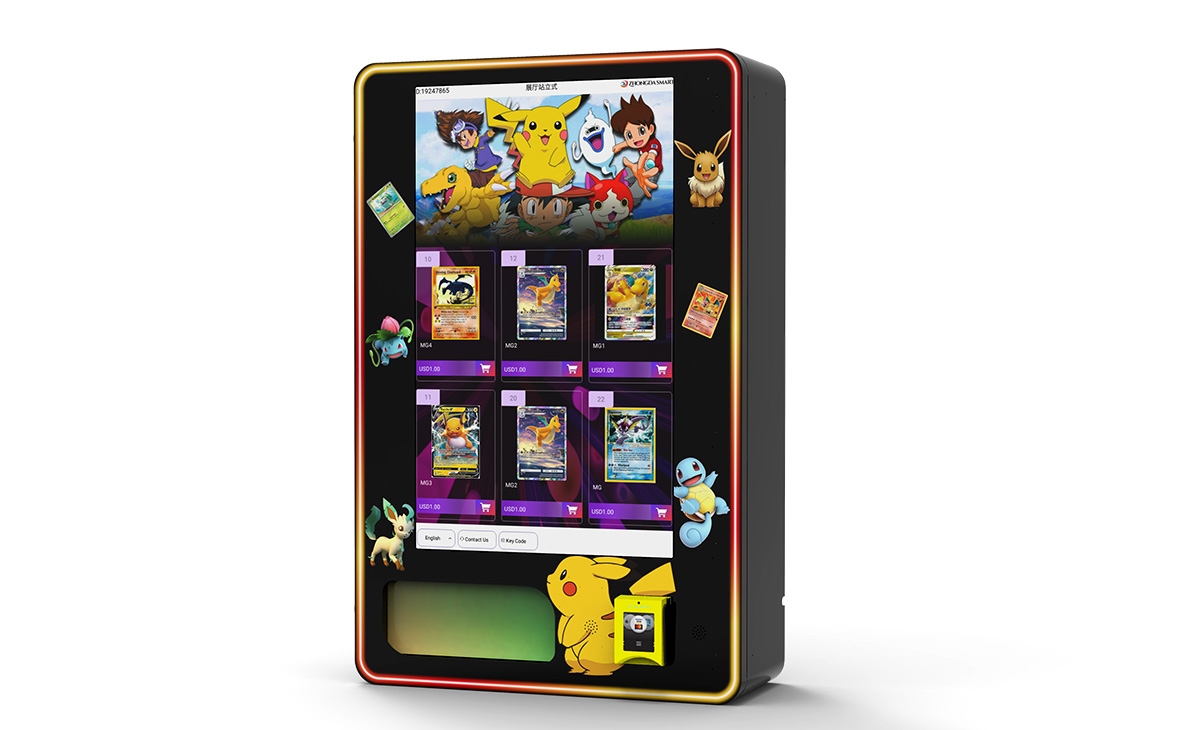
A Pokémon vending machine is a self-service kiosk designed to dispense sealed Pokémon Trading Card Game (TCG) products—booster packs, elite trainer boxes, collection boxes, and sometimes plush toys or accessories. Unlike standard snack machines that hold chips and drinks, these units are built with secure dispensing mechanisms to prevent card damage and theft. Some are retrofitted from existing snack machines, but many newer models are purpose-built for trading card sales.
Over the past three years, I have seen a surge in interest around these machines. The Pokémon TCG market has exploded, with some booster packs selling for ten times their retail price on secondary markets. This has created a demand for legitimate, secure points of sale where collectors can buy product at manufacturer’s suggested retail price (MSRP) without worrying about scalpers or counterfeit goods.
But here is the reality: not every Pokémon vending machine for sale is a goldmine. The machine itself is only one piece of the puzzle. You need the right location, the right product mix, and the right operational discipline to make it work.
Pros of Investing in a Pokémon Vending Machine
High-Margin Product with Consistent Demand
Pokémon TCG products carry gross margins between 35% and 50% at retail. A booster pack that costs you $3.60 wholesale can sell for $5.99 to $6.99. Elite trainer boxes, which wholesale around $30 to $35, can sell for $49.99 to $59.99. Based on my own routes, a well-placed machine in a mid-sized mall can generate between $1,500 and $4,000 in monthly revenue. During new set release weeks, that number can double.
According to data from Statista, the global trading card game market was valued at approximately $6.7 billion in 2023, with Pokémon accounting for a significant share. The demand is not a fad—it has been growing steadily for over five years.
Lower Per-Transaction Labor Compared to Snack Machines
One advantage I did not expect when I started placing card vending machines is the lower restocking frequency. A snack machine might need restocking every week or even twice a week in high-traffic locations. A Pokémon machine, on the other hand, can often go two to three weeks between restocks, because the product is smaller and higher value. This reduces fuel costs and labor hours significantly.
Strong Collector Community and Repeat Customers
Pokémon collectors are loyal. If you stock new sets on release day and keep prices fair, you will build a following. I have had customers drive 40 minutes to visit one of my machines because they knew I stocked the latest set before big box retailers did. That kind of repeat traffic is hard to achieve with soda or candy machines.
Cons of Pokémon Vending Machines
High Initial Investment
A new, purpose-built Pokémon vending machine for sale from a reputable manufacturer typically costs between $6,000 and $12,000, depending on features like touchscreen displays, card-specific dispensing mechanisms, and remote monitoring capabilities. Used or retrofitted machines can be found for $3,000 to $5,000, but they often come with higher maintenance costs and fewer security features.
This is not a business you can start with a few hundred dollars. You need capital for the machine, the initial inventory (which can easily run $2,000 to $4,000), shipping, installation, and a cash reserve for repairs.
Security and Vandalism Risks
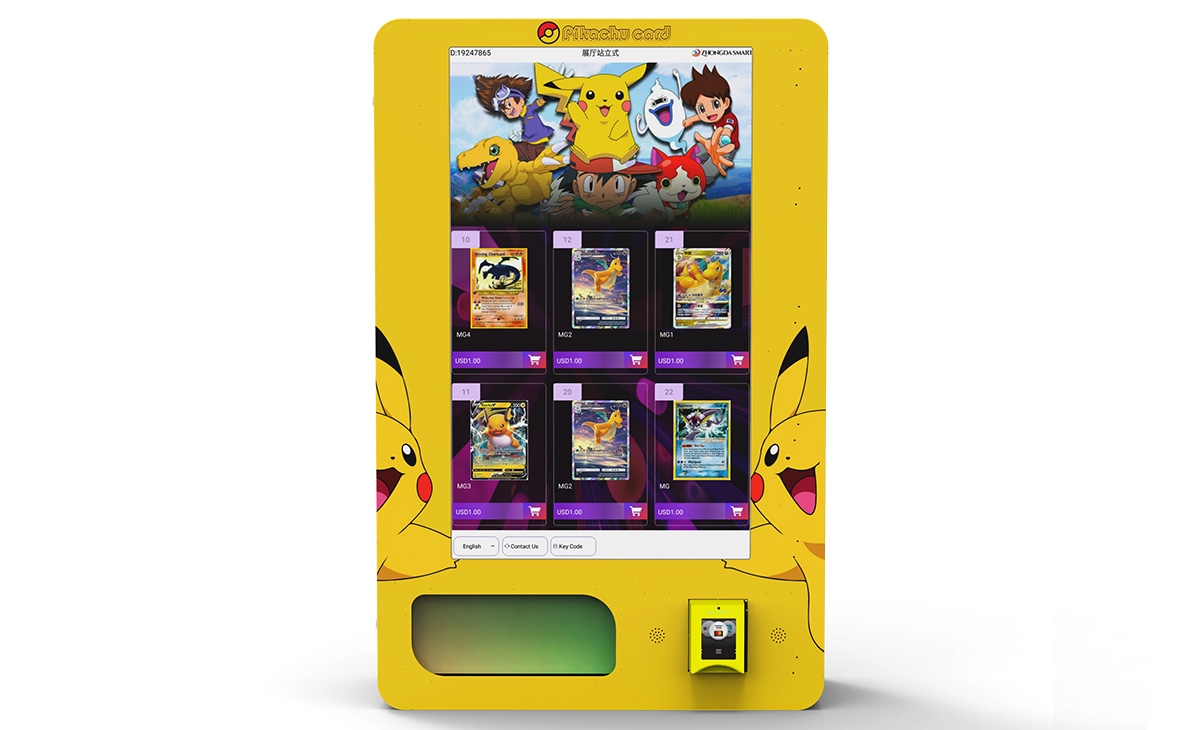
Pokémon cards are small, valuable, and easy to resell. That makes them a target. I have had machines broken into, card dispensers jammed with foreign objects, and even a case where someone tried to pry open the machine with a crowbar. Purpose-built machines with reinforced steel doors, electronic locks, and tamper sensors are not optional—they are essential. A standard snack machine retrofit is often not secure enough for high-value trading cards.
Supply Chain Volatility
The Pokémon Company International controls distribution tightly. You cannot always get the hottest new sets in the quantities you want. During the pandemic-era boom, many independent operators could not get product at all. If you do not have a wholesale account with a major distributor like Alliance Game Distributors or GTS Distribution, you will struggle to maintain consistent inventory. I have seen operators shut down because they could not source product for two consecutive months.
Real-World Costs: What You Need to Budget
Let me break down the numbers based on my actual operating experience across five machines in the Midwest U.S. and two in the UK. These figures are estimates and will vary by region, but they reflect what I have seen in practice.
| Cost Category | Estimated Range (USD) | Notes |
|---|---|---|
| New machine (purpose-built) | $6,000 – $12,000 | Includes card-specific dispensing, touchscreen, remote telemetry |
| Used or retrofitted machine | $3,000 – $5,500 | Higher risk of jams and security issues |
| Initial inventory | $2,000 – $5,000 | Depends on number of SKUs and set popularity |
| Shipping and installation | $400 – $1,200 | Heavy machines require freight and sometimes a dolly crew |
| Monthly location commission | 10% – 25% of gross sales | Negotiable; higher for prime locations like malls |
| Monthly maintenance reserve | $50 – $150 | Card jams, screen issues, payment system repairs |
| Payment processing fees | 2.5% – 3.5% per transaction | Credit cards and mobile payments |
Based on my routes, the average monthly gross revenue per machine is around $2,800, with a cost of goods sold (COGS) of approximately $1,500. After location commission, payment fees, maintenance, and restocking labor, net profit per machine typically lands between $600 and $1,200 per month. At that rate, a new machine pays for itself in 8 to 14 months, assuming no major disruptions.
How to Choose the Right Pokémon Vending Machine Supplier
Not all vending machine manufacturers are created equal. When you search for a Pokémon vending machine for sale, you will find dozens of options—from Chinese OEMs to American retrofitting shops. Here is what I look for after ten years in this business.
Build Quality and Security Features
The machine must have a steel frame, a locking mechanism that cannot be easily picked, and a dispensing system that handles card products without bending or jamming. I have tested machines from several manufacturers, and the ones that consistently perform are those with reinforced card chutes and anti-theft sensors. One manufacturer that meets these standards is Zhongda Smart, which produces purpose-built self-service kiosks with remote monitoring and tamper-resistant designs. Their machines are used by several large operators I know in Europe and North America.
Payment System Compatibility
Your machine must accept credit cards, NFC payments (Apple Pay, Google Pay), and ideally contactless debit. Cash-only is not viable for high-value card purchases. Look for machines with integrated payment systems from providers like Nayax, Cantaloupe, or USA Technologies. These also provide telemetry data so you can track sales in real time.
After-Sales Support and Warranty
Ask about warranty terms. A good manufacturer offers at least one year on parts and labor. Some offer remote diagnostics. I have learned the hard way that buying a cheap machine with no support network leads to weeks of downtime and lost revenue. Stick with suppliers who have a proven track record in automated retail.
Where to Place a Pokémon Vending Machine for Maximum Profit
Location is everything. I have seen identical machines in two different locations produce a 5x difference in monthly revenue. Here are the best and worst locations based on my experience.
Best Locations
- Hobby and game stores: These attract your core audience. You will need to negotiate commission, but the foot traffic is highly targeted.
- Malls with entertainment anchors: Movie theaters, arcades, and food courts draw families and teenagers who buy cards.
- Comic and trading card conventions: These are temporary but can generate $5,000 to $10,000 in a single weekend.
- College campuses near gaming clubs: Students often have disposable income and time for collecting.
Worst Locations
- Low-traffic strip malls: If fewer than 500 people walk past per day, you will struggle to cover rent.
- Office buildings: Adults in professional settings rarely buy trading cards during work hours.
- Grocery store entrances: The demographic mismatch is real. Shoppers are not thinking about booster packs.
I once placed a machine in a small-town grocery store and averaged $300 per month. I moved it to a mall in a mid-sized city and saw $3,200 per month. The difference was entirely location.
Common Mistakes New Operators Make
Over the years, I have seen dozens of new operators fail. Here are the most common pitfalls.
Buying a Cheap Machine Without Testing
A $2,500 machine from an unknown supplier often means frequent jams, poor card dispensing, and no support. One operator I know bought three cheap machines and had to replace the dispensing modules within six months. He ended up spending more on repairs than he would have on a quality machine from a supplier like Zhongda Smart.
Ignoring Restock Discipline
Running out of popular sets for more than a week kills your momentum. Collectors will stop checking your machine if they see empty slots twice in a row. Set a restock schedule and stick to it. Use telemetry data to know exactly what sold and when.
Underestimating Theft and Vandalism
I have had machines broken into even in seemingly safe locations. Install a GPS tracker and a camera near the machine if possible. Some operators also use tamper-evident seals on the card chutes.
Neglecting Local Regulations
In some jurisdictions, selling sealed trading cards through a vending machine requires a business license, a sales tax permit, and sometimes a specific vending machine permit. Check with your local city hall or business development office. In the EU, for example, you may need to comply with EU vending machine regulations regarding consumer safety and transparency of pricing.
Comparing Business Models: Buy, Lease, or Revenue Share
You do not always have to buy a machine outright. Here is a comparison of three common models.
| Model | Upfront Cost | Monthly Cost | Profit Potential | Best For |
|---|---|---|---|---|
| Buy outright | $6,000 – $12,000 | None (except maintenance) | High (you keep 100% of profit after commission) | Experienced operators with capital |
| Lease from manufacturer | $500 – $1,500 | $150 – $300/month | Moderate (you split profit with lessor) | New operators wanting lower risk |
| Revenue share with location | $0 | 0% – 30% of gross to location | Low to moderate | Testing a location before investing |
I generally recommend buying the machine if you have the capital and are confident in your location. Leasing makes sense if you want to test multiple locations without tying up cash. Revenue share models are rare in the card vending space but can work if you partner with a game store that wants to offer cards without managing inventory.
Frequently Asked Questions
Are Pokémon vending machines profitable?
Yes, if placed correctly. Based on my routes, a machine in a good location generates $1,500 to $4,000 in monthly revenue with net profit of $600 to $1,200 after all costs. Profitability depends on location, product sourcing, and operational discipline.
How much does a Pokémon vending machine cost?
A new purpose-built machine costs between $6,000 and $12,000. Used or retrofitted machines range from $3,000 to $5,500. Additional costs include inventory, shipping, installation, and ongoing maintenance.
How long does it take to break even?
With a new machine and a good location, break-even typically occurs within 8 to 14 months. Poor locations can extend that to 18 months or longer.
Should I buy or lease a Pokémon vending machine?
Buy if you have capital and a solid location. Lease if you want to test multiple spots or have limited upfront funds. Leasing reduces risk but also reduces profit margin.
Where is the best place to put a Pokémon vending machine?
Hobby stores, malls with entertainment anchors, comic conventions, and college campuses near gaming clubs. Avoid low-traffic strip malls and office buildings.
What permits do I need to operate a vending machine?
Requirements vary by city and country. In the U.S., you typically need a business license, a sales tax permit, and sometimes a vending machine permit. In the EU, check with local trade offices for compliance with automated retail regulations.
How do I choose a vending machine supplier?
Look for build quality, security features, payment system compatibility, and after-sales support. Manufacturers like Zhongda Smart offer purpose-built machines with remote monitoring and solid warranties.
What happens if my machine breaks down?
If you have a warranty, contact the manufacturer for remote diagnostics or on-site repair. If not, you will need a local technician familiar with vending machines. Always keep a spare parts kit for common issues like card jams.
How can I reduce restocking and maintenance costs?
Use telemetry data to optimize restock schedules. Stock high-turnover products and avoid slow movers. Keep your machine clean and lubricated. Invest in a quality machine to reduce breakdowns.
Can I sell other products in a Pokémon vending machine?
Yes, but it is generally not recommended. The machine is optimized for card products. Mixing in snacks or toys can confuse customers and reduce sales velocity.
Final Thoughts from the Field
Investing in a Pokémon vending machine for sale can be a solid business move, but it is not a passive income scheme. It requires upfront capital, disciplined restocking, and a willingness to deal with the occasional broken machine or difficult location. The operators who succeed are the ones who treat it like a real business—they track their numbers, build relationships with distributors, and never stop looking for better locations.
If you are just starting out, I recommend placing one machine in a strong location first. Learn the operational rhythm before scaling. And when you evaluate suppliers, focus on build quality and support over price. A cheap machine will cost you more in the long run.
There is real opportunity in this niche, especially as automated retail continues to grow. But as with any business, the difference between profit and loss comes down to execution. Do your homework, start small, and stay consistent.
Disclaimer: The revenue and cost figures in this article are based on my personal operating experience and publicly available data. They are estimates and should not be taken as guaranteed financial outcomes. Your results will vary based on location, market conditions, and operational efficiency.
This article was updated in February 2025.