Is Vending Machine Massage Chair Worth It_ Pros, Cons, and Real-World Insights
I have spent over a decade placing automated retail solutions across the US and Europe, and I can tell you that the vending machine massage chair is one of the most debated pieces of equipment I have ever evaluated. The short answer is yes, it can be worth it, but only under specific conditions that most first-time operators overlook. I have seen machines generate over $2,000 a month in a busy mall corridor, and I have watched the exact same model collect dust in a quiet office lobby. The difference comes down to foot traffic quality, machine placement, and realistic maintenance expectations. Before you sign a lease or buy your first unit, you need to understand the real costs, the hidden operational headaches, and the actual profit margins that make this business work.
What Exactly Is a Vending Machine Massage Chair?
A vending machine massage chair is essentially a self-service kiosk equipped with a high-end massage mechanism, typically controlled by a payment terminal. Users pay per session, usually by the minute, and the chair activates for a set duration. Unlike traditional vending machines that sell physical products, this machine sells a service. It falls under the broader category of automated retail, which includes everything from snack dispensers to electronic locker systems.
These chairs are not cheap massage recliners from a furniture store. They are commercial-grade units designed to withstand heavy use. The frame, motors, and upholstery are built for hundreds of sessions per week. The payment system is integrated, often accepting credit cards, mobile wallets, and sometimes coins. Some newer models even offer app-based booking.
The concept is straightforward, but the execution is where most operators stumble. You are not just selling a massage; you are selling convenience, privacy, and a quick stress relief experience. That sounds simple, but it demands a very specific location to work profitably.
Pros of Investing in a Vending Machine Massage Chair
High Revenue Potential in the Right Location
I have personally managed units in airport terminals and large shopping centers where a single machine brought in $1,500 to $2,500 per month. The key is high foot traffic with a captive audience. People waiting for a flight or a movie have time to kill and disposable income. A ten-minute massage session priced at $1.50 per minute yields $15 per user. If you get ten users a day, that is $4,500 per month in gross revenue before expenses.
According to a 2022 report by IBISWorld, the vending machine industry in the US alone generated over $7 billion in revenue, with service-based machines like massage chairs representing a growing segment. The demand for quick, no-appointment wellness services is real, especially in urban areas.
Low Labor Costs
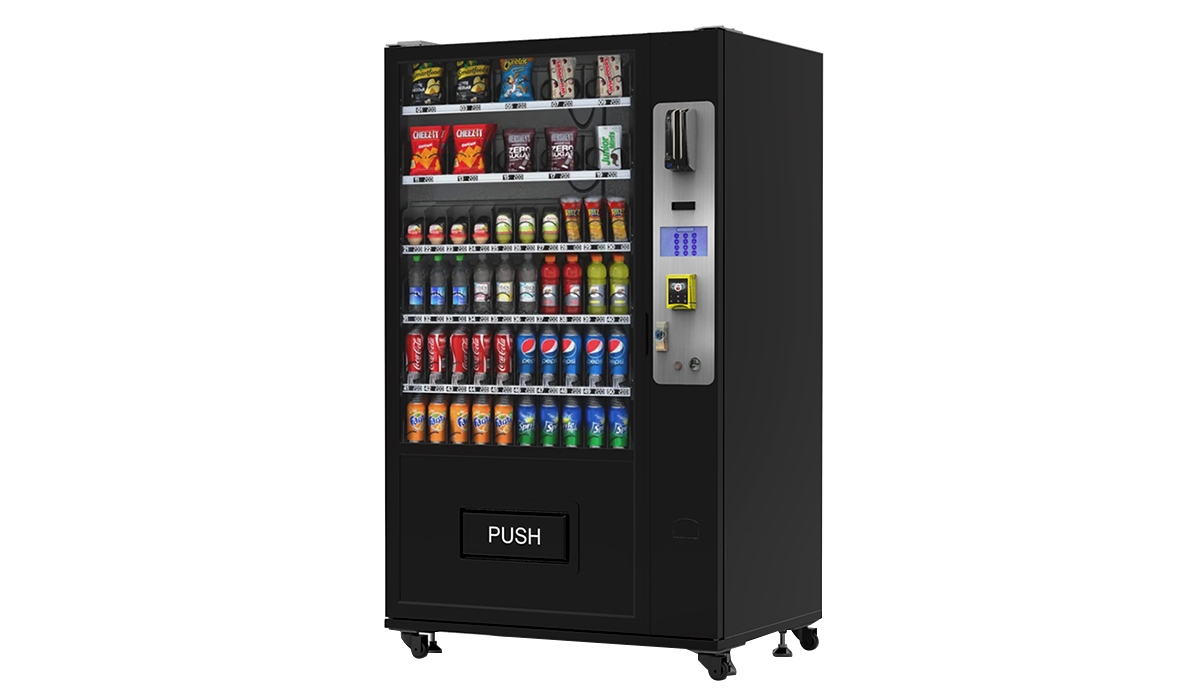
One of the biggest advantages of any automated retail solution is the lack of staff. You do not need an employee sitting next to the machine. The machine handles the transaction, the session, and the payment. You only need to visit the location for cleaning, maintenance, and occasional cash collection if your machine accepts coins. This is a huge operational advantage over a traditional massage business that requires licensed therapists and scheduling.
Scalability
Once you have one profitable location, you can replicate the model. I have seen operators grow from a single unit to a fleet of twenty within two years. The operational overhead does not scale linearly. One person can manage five to ten machines if the locations are within a reasonable driving distance. This makes the business model attractive for someone looking to build a semi-passive income stream.
Diversification from Traditional Vending
If you already run a traditional vending machine business, adding massage chairs diversifies your revenue. Snack and drink machines have thin margins, especially after product shrinkage and spoilage. A massage chair has no inventory that expires. The only product you are selling is time, and time does not spoil.
Cons and Hidden Challenges
High Initial Investment
A commercial-grade vending machine massage chair costs between $4,000 and $12,000 depending on the brand, features, and warranty. That is significantly more than a standard snack vending machine, which you can pick up used for under $2,000. You also need to factor in delivery, installation, and possibly a custom payment system integration. I have seen operators spend $8,000 on a unit and another $1,500 on installation and network setup.
Maintenance Is Not Optional
This is where most new operators underestimate costs. A massage chair has moving parts, motors, rollers, and electronic boards. They break. I have dealt with jammed rollers, failed payment terminals, torn upholstery, and software glitches. On average, I budget about $500 to $800 per year per machine for repairs and parts. If you do not have basic technical skills, you will need to pay a technician, which can eat into your margins quickly.
Vending machine repair for these units is not the same as fixing a snack machine. You need someone who understands massage chair mechanics, not just coin mechanisms. That narrows the pool of available technicians, and they charge a premium.
Location Dependency Is Extreme
I cannot stress this enough. A massage chair in a low-traffic location will lose money every single month. I once placed a unit in a suburban gym with 500 members. The gym was busy, but members were there to work out, not sit in a massage chair. The machine averaged three sessions per day. After rent and credit card fees, I was barely breaking even. I moved it to a mall food court, and revenue tripled within a month.
You need locations with dwell time. Airports, train stations, shopping malls, movie theaters, and large office buildings with break rooms are ideal. Hospitals and university campuses can also work, but you need to check foot traffic patterns carefully.
Credit Card Fees and Payment Processing Costs
Most modern machines are cashless, which is great for user convenience, but payment processing fees add up. You are looking at 2.5% to 3.5% per transaction plus a flat fee. For a $15 session, that is around $0.50 to $0.75 in fees. Over a month with 300 sessions, that is $150 to $225 lost to processing costs. It is not a dealbreaker, but it is a real expense that cuts into your margin.
Real-World Insights from My Operations
How I Evaluate a Location
Before I place a machine, I spend at least three days observing foot traffic. I count the number of people passing the spot during peak hours and off-peak hours. I look for places where people naturally stop or wait. Elevator lobbies, seating areas near food courts, and corridors leading to restrooms are prime spots. I also check for existing vending machines. If there are already three snack machines and a coffee machine, the location likely has high traffic, but I also need to ensure there is no competing massage chair within 50 meters.
I also negotiate the rent structure carefully. Most property managers want a flat monthly fee. I prefer a revenue share model, typically 10% to 20% of gross revenue. That way, if the location underperforms, I am not stuck paying a fixed rent that eats my profit. In my experience, revenue share agreements work better for both parties because the landlord has an incentive to keep the area clean and well-trafficked.
Failure Case Study
I once placed a machine in a large corporate office building with 2,000 employees. The building had a gym, a cafeteria, and a break room. I thought it was a sure win. After three months, average daily revenue was $18. The problem was that employees had limited break time, and the machine was in a corner with low visibility. I moved the machine to a different spot near the main elevator bank, and revenue doubled. But even then, it never exceeded $600 per month. I eventually pulled the machine after six months. The lesson is that even high-traffic buildings do not guarantee success if the machine is not visible and accessible.
Sales Data and Category Adjustments
I track every machine's performance weekly. If a machine averages less than $200 per month for two consecutive months, I either move it or replace the payment system. Sometimes the issue is the pricing. I have found that $1.50 per minute is a sweet spot for most locations. Above $2.00 per minute, session volume drops significantly. Below $1.00 per minute, you need high volume to make the math work, and most locations do not provide that volume.
I also monitor the time of day when sessions occur. Machines near office buildings see most usage between 12 PM and 2 PM and again after 5 PM. Machines in malls see steady usage throughout the day with peaks on weekends. This data helps me schedule cleaning and maintenance during low-usage periods.
Cost Breakdown and Return on Investment
Here is a realistic cost table based on my experience operating ten units across three states. These numbers are estimates and will vary based on location, machine model, and local labor rates.
| Cost Category | Estimated Amount | Notes |
|---|---|---|
| Machine purchase (new) | $6,000 - $10,000 | Commercial grade, warranty included |
| Delivery and installation | $300 - $800 | Depends on distance and location setup |
| Payment system setup | $200 - $500 | Includes network configuration and testing |
| Monthly location rent | $100 - $500 | Or 10-20% revenue share |
| Monthly payment processing fees | $50 - $200 | Based on transaction volume |
| Annual maintenance and repairs | $500 - $800 | Parts and labor |
| Monthly cleaning supplies | $20 - $50 | Disinfectant, wipes, upholstery cleaner |
| Insurance (annual) | $300 - $600 | Liability coverage for public use |
Based on these numbers, if your machine generates $800 per month in gross revenue, your net profit after rent, fees, and maintenance reserves is around $300 to $400 per month. At that rate, a $7,000 machine pays for itself in about 18 to 24 months. If you hit $1,500 per month, the payback period drops to under 12 months. I have seen both scenarios play out.
A 2023 study by Statista indicated that the average revenue per vending machine in the US is approximately $75 per week, but that figure includes snack and drink machines. Service-based machines like massage chairs typically generate higher per-transaction revenue but have lower transaction frequency. The key is finding the right balance.
How to Choose a Supplier
When I started, I made the mistake of buying the cheapest machine I could find. It broke down twice in the first three months, and replacement parts took weeks to arrive. I learned that supplier reliability matters more than upfront price. Look for a manufacturer that offers a solid warranty, typically at least one year on parts and labor. Ask about their spare parts inventory and shipping times. If they cannot get you a replacement motor within a week, move on.
I have worked with several suppliers over the years, and one that consistently meets my standards is Zhongda Smart. They provide commercial-grade massage chairs specifically designed for the vending machine model. Their units come with integrated payment systems, and they offer technical support in English. I have found their build quality to be above average, and their warranty service is responsive. That said, always do your own due diligence. Request references from other operators, and if possible, visit the factory or warehouse to inspect the units in person.
Also, check the payment system compatibility. Some machines only accept specific processors, which can lock you into higher fees. Make sure the machine supports major payment types like Visa, Mastercard, Apple Pay, and Google Pay. Cash-only machines are becoming obsolete, and I would not recommend buying one for a new installation.
Common Mistakes New Operators Make
Ignoring Location Quality
This is the number one mistake. I have seen people buy a machine, put it in their friend's laundromat, and wonder why it does not make money. A laundromat with ten washing machines and low foot traffic will not sustain a massage chair. You need a location with high dwell time and disposable income. Do not let a property manager talk you into placing a machine in a dead zone just because the rent is low.
Skipping the Maintenance Plan
New operators often assume the machine will run without issues for years. That is not realistic. Motors wear out, upholstery tears, and payment terminals fail. If you do not have a plan for vending machine repair, you will lose revenue while the machine sits idle. I recommend setting aside at least 10% of monthly revenue for a maintenance fund.
Underestimating Cleaning Requirements
These machines get dirty fast. People sweat, spill drinks, and leave trash. If the machine looks unclean, people will not use it. I clean my machines twice a week, and I use a commercial-grade disinfectant. A dirty machine also attracts complaints from property managers, which can get you kicked out of a good location.
Overpricing Sessions
I have tested pricing from $1.00 per minute to $2.50 per minute. Above $2.00, session volume drops sharply unless the location is extremely affluent. At $1.50 per minute, you get a good balance of volume and revenue. In tourist-heavy areas, you can push to $2.00, but do not go higher without testing.
Best Locations for a Vending Machine Massage Chair
Based on my experience, here are the top location types ranked by revenue potential:
- Airports: High foot traffic, long dwell times, and travelers with disposable income. Expect $1,500 to $2,500 per month in a busy terminal.
- Shopping malls: Consistent traffic, especially on weekends. Food court areas work best. Average $800 to $1,500 per month.
- Movie theaters: People arrive early and wait. A machine near the ticket counter or concession stand can generate $600 to $1,200 per month.
- Train and bus stations: Commuters with time to kill. Revenue varies widely based on station size and location.
- Large office buildings: Good for lunchtime and after-work usage. Requires high visibility. Average $400 to $800 per month.
- Hospitals: Visitors and staff under stress. Works best in waiting areas. Revenue can be steady but rarely exceeds $600 per month.
- University campuses: Student unions and library lobbies. Revenue is seasonal and lower during summer breaks.
How to Evaluate if a Machine Is Worth the Investment
Before you buy, run a simple calculation. Estimate the daily foot traffic near your intended location. Assume 1% to 2% of passersby will use the machine. Multiply that by your session price and average session length. Then subtract rent, payment fees, and maintenance reserves. If the net profit is less than $200 per month, the machine is not worth it unless you have a very low acquisition cost.
Also, consider your own time. Each machine requires about one hour per week for cleaning and basic checks. If you have multiple machines, travel time adds up. Factor that into your hourly rate. If you are earning less than $20 per hour for your time, you might be better off putting your money into a different type of automated retail.
FAQ: Vending Machine Massage Chair
Are vending machine massage chairs profitable?
They can be profitable, but profitability depends heavily on location, foot traffic, and maintenance costs. In a high-traffic location like an airport or mall, a single machine can generate $1,000 to $2,500 per month. In a poor location, it may not cover the rent. Based on my experience, about 60% of new locations break even within the first year. The rest underperform and require relocation.
How much does a vending machine massage chair cost?
A new commercial-grade unit typically costs between $6,000 and $10,000. Used machines can be found for $3,000 to $5,000, but they often come with higher maintenance risks. Installation and payment system setup add another $500 to $1,300. Total initial investment for a new machine is usually $7,000 to $12,000.
How long does it take to recoup the investment?
In a good location, you can recoup your investment in 12 to 18 months. In an average location, it takes 18 to 24 months. In a poor location, you may never recoup it. I always budget for an 18-month payback period as a baseline. If the numbers do not work at that timeline, I pass on the location.
Should I buy or lease a vending machine massage chair?
Buying is better for long-term operations. Leasing often comes with high monthly fees and restrictions on where you can place the machine. I have seen lease agreements that effectively lock you into a three-year contract with no option to relocate. If you are new and want to test the market, consider buying a used machine in good condition. That minimizes your risk.
Where should I place the machine for the best results?
Focus on locations with high foot traffic and dwell time. Airports, shopping malls, movie theaters, and train stations are the best. Avoid low-traffic areas like small retail stores, quiet office lobbies, and residential buildings. Always observe the location for at least three days before committing.
What permits or licenses do I need?
Requirements vary by city and state. In the US, you typically need a business license, a sales tax permit, and a vending machine permit if your city requires one. Some locations, like airports, have additional vendor agreements. Check with the local business licensing office before you place any machine. In Europe, regulations vary by country. In France, for example, you may need to register with the local chamber of commerce and comply with specific safety standards for public-use equipment.
How do I choose a reliable supplier?
Look for a supplier with a proven track record in commercial-grade equipment. Ask for references from other operators. Check the warranty terms and spare parts availability. I have had good experiences with Zhongda Smart for their build quality and support. But always compare multiple suppliers and inspect the unit if possible before purchasing.
What happens if the machine breaks down?
You need a vending machine repair technician who understands massage chair mechanics. Some suppliers offer repair services or can recommend local technicians. If you are handy, you can learn basic repairs yourself. I recommend keeping a stock of common spare parts like rollers, motors, and payment terminal cables. Downtime is lost revenue, so fast repair is critical.
How can I reduce maintenance costs?
Preventive maintenance is key. Clean the machine regularly, inspect the upholstery for tears, and lubricate moving parts as recommended by the manufacturer. Track repair patterns. If a specific component fails repeatedly, consider upgrading it. Also, negotiate a maintenance contract with your supplier if they offer one. It may cost more upfront but can save you money on emergency repairs.
Final Thoughts
A vending machine massage chair can be a solid investment, but it is not a set-and-forget business. It requires careful location selection, ongoing maintenance, and realistic expectations about revenue. I have seen operators succeed and build profitable fleets, and I have seen others lose money because they ignored the basics. If you take the time to evaluate each location, budget for repairs, and choose a reliable supplier, you have a good chance of making this work. Start small, learn the operational details, and scale only when you have a proven model.
Disclaimer: The revenue and cost figures in this article are based on my personal operational experience and publicly available data from industry sources. They are estimates and not guarantees. Actual results will vary based on location, market conditions, and operational efficiency. Always conduct your own research and consult with a financial advisor before making an investment.
This article was updated in October 2024.