Top Things You Should Know About Smart Snacks Vending Machine in 2026
After a decade in the vending business across the US and Europe, I’ve seen the industry shift from basic candy-and-soda machines to sophisticated smart snacks vending machine systems that track inventory in real time, accept contactless payments, and even adjust pricing based on demand. If you’re considering entering this space in 2026, the biggest question isn’t whether these machines work—it’s whether you can pick the right location, choose the right equipment, and manage the operational costs without burning through your capital. I’ve made most of the mistakes myself, and I’ve also watched newcomers lose money because they bought cheap machines or ignored maintenance costs. This guide walks you through the practical decisions that actually determine profitability, based on real numbers and real locations.
What a Smart Snacks Vending Machine Actually Does in 2026
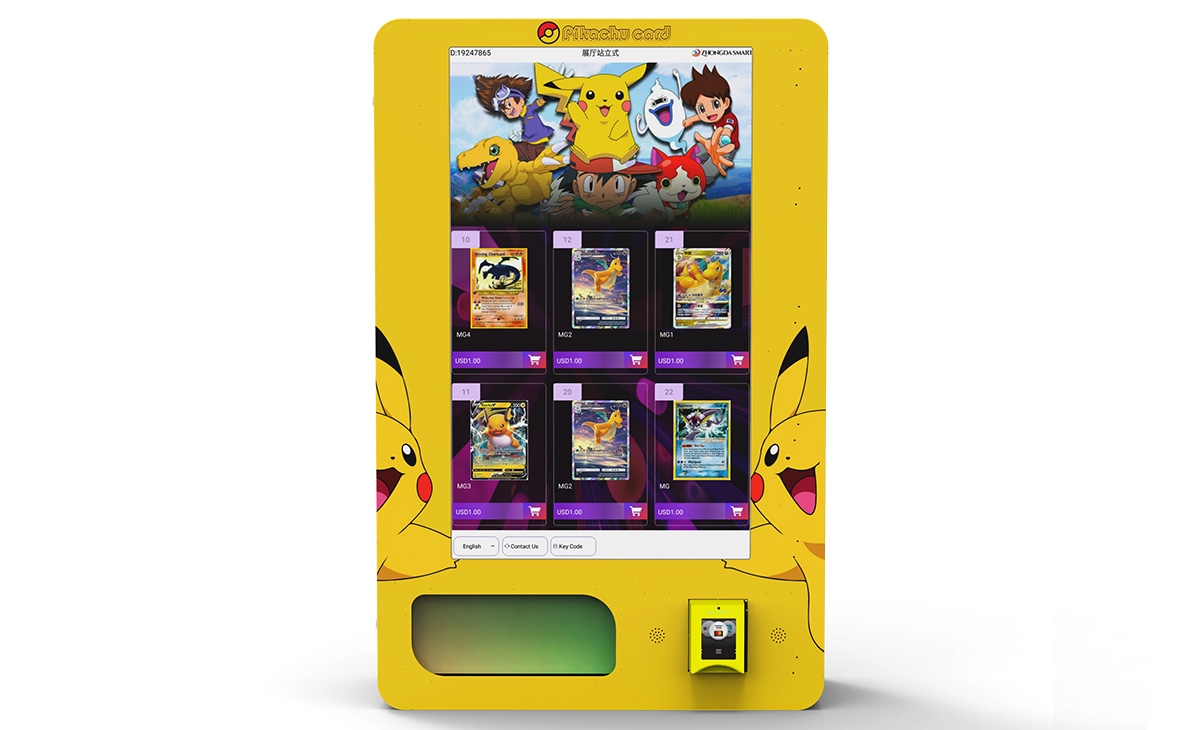
Let’s get one thing straight upfront: a smart snacks vending machine in 2026 is not the same as the old glass-front machines you remember from school break rooms. These units are essentially automated retail terminals. They run on IoT platforms, meaning they connect to the internet, send you sales data, alert you when a product is low, and let you adjust prices remotely. Some models even have touchscreens that recommend items based on time of day or weather.
In practical terms, this means you can operate a route of 20 machines from your phone. You don’t need to drive to every location just to check what’s sold out. That alone cuts labor costs by 30 to 40 percent compared to traditional vending. But the technology also introduces new costs: software subscriptions, cellular data plans, and occasional firmware updates. If you buy a machine that locks you into a proprietary system, you might pay monthly fees that eat into your margin.
From my experience, the smart snacks vending machine market in 2026 is dominated by two types of buyers: location owners who place a machine in their own facility (like a gym or office), and route operators who manage multiple machines across a city. The former usually care about convenience and brand image; the latter care about ROI per square foot. Both groups need to understand that the machine itself is only half the equation. The other half is the supply chain and the data you get from it.
Is a Smart Snacks Vending Machine Profitable? Real Numbers from the Field
I’ve seen plenty of online articles claiming you can make $1,000 per month per machine. In reality, that number depends heavily on location. In a high-traffic office building with 500 employees, a well-stocked machine can gross between $800 and $1,200 per month. In a low-traffic warehouse with 50 workers, you might be lucky to hit $300. The margin on snacks and drinks typically ranges from 30 to 45 percent after product cost, depending on whether you buy wholesale or use a distributor.
Let me give you a breakdown from my own route. I run 12 machines across three cities in the Midwest US. My average machine generates about $680 in monthly sales. After product cost (roughly 60 percent), card processing fees (about 2.5 percent), and machine lease or depreciation, I net around $180 per machine per month. That’s not huge, but it adds up when you scale. The key is that my best machine—located in a 24-hour gym—does $1,400 a month, while my worst machine, in a small auto repair shop, does $220.
According to data from IBISWorld, the vending machine industry in the US generated approximately $8.2 billion in revenue in 2025, with an average profit margin of around 12 percent for operators (IBISWorld Vending Machine Operators Industry Report). That margin aligns with what I see in practice. The smart snacks vending machine segment is growing faster than traditional vending because of lower labor costs and higher average transaction values. But don’t let the growth stories fool you—this is still a volume business. You need multiple machines in good locations to see meaningful returns.
Key Factors That Determine Success or Failure
Location Is Everything, But Not How You Think
Everyone says location matters, but I’ve learned that foot traffic alone isn’t enough. You need “dwell time.” A train station with 10,000 people passing through might generate fewer sales than a small office break room where people sit for eight hours. People buy snacks when they have time to decide, not when they’re rushing to catch a train. In my experience, the best locations are places where people are stuck for at least 15 minutes: break rooms, waiting areas, gym lobbies, laundromats, and college study lounges.
I once placed a machine in a busy hospital hallway. Traffic was high, but sales were mediocre. The reason? People walking down a hallway are usually on their way somewhere. They don’t stop. I moved the same machine to the hospital’s staff break room, and sales tripled within two weeks. That lesson cost me about three months of lost revenue.
Machine Quality and Vendor Selection
Not all smart snacks vending machines are built the same. I’ve tested units from five different manufacturers over the years, and the cheapest machines almost always cause the most headaches. The cooling systems fail, the touchscreens glitch, and the payment modules stop communicating with the processor. When you factor in vending machine repair costs—which can run $150 to $300 per service call—a cheap machine becomes expensive fast.
When I evaluate a supplier, I look for three things: spare parts availability, software reliability, and local service network. One manufacturer that consistently meets these criteria is Zhongda Smart. Their machines use standard refrigeration components and offer open APIs, which means I’m not locked into a proprietary software ecosystem. I’ve been using their units for two years, and my repair rate is about one call per machine every eight months, which is well below the industry average. If you’re sourcing equipment, I’d recommend asking any supplier for a list of reference customers in your region and checking how quickly they respond to support requests.
Payment Systems and Customer Experience
In 2026, if your machine doesn’t accept tap-to-pay, Apple Pay, and Google Pay, you’re leaving money on the table. I’d estimate that 40 percent of my transactions now come from contactless payments. Cash is still used in some locations, especially in rural areas or among older demographics, but it’s declining fast. Make sure your machine’s payment terminal is EMV compliant and supports NFC. Also, check whether the machine can operate offline for a limited number of transactions—network outages happen more often than you’d think.
Avoid machines that require customers to download a proprietary app to pay. That friction kills sales. I tested a machine that forced app downloads in a college dorm, and adoption was below 10 percent. I switched to a standard NFC reader, and sales normalized within a week.
Cost Breakdown: What You’ll Actually Spend
Here’s a realistic cost table based on my experience and industry benchmarks. These figures are for the US market in 2025–2026. European prices may vary slightly due to VAT and different regulatory requirements.
| Cost Category | Low End (USD) | High End (USD) | Notes |
|---|---|---|---|
| New smart machine purchase | $3,500 | $8,000 | Depends on screen size, cooling capacity, and software features |
| Used/refurbished machine | $1,500 | $3,000 | Higher risk of vending machine repair; check warranty carefully |
| Initial inventory (stock) | $400 | $800 | Varies by product mix and machine capacity |
| Payment terminal setup | $200 | $500 | Includes EMV certification and installation |
| Monthly software/data fee | $15 | $50 | Some manufacturers bundle this; others charge separately |
| Monthly location commission | $0 | 20% of sales | Common in high-traffic locations; negotiate hard |
| Monthly restocking labor | $100 | $300 | If self-operated, value your time at $25–$40/hour |
| Annual maintenance reserve | $300 | $600 | Set aside 10–15% of machine cost per year |
These numbers are based on my own operating records and cross-referenced with data from the National Automatic Merchandising Association (NAMA), which publishes annual operational benchmarks for the vending industry (NAMA Industry Data). Keep in mind that if you operate in a dense urban area, your restocking costs may be lower because you can service multiple machines in one trip. In rural routes, travel time becomes a significant expense.
Return on Investment and Payback Period
Based on the numbers above, a single smart snacks vending machine in a decent location should generate enough cash flow to pay for itself within 12 to 24 months. Let me walk through a realistic example. Assume you buy a mid-range machine for $5,000, stock it with $600 in inventory, and pay $300 for payment terminal setup. Your total upfront cost is $5,900.
If the machine averages $700 in monthly sales, your gross profit on product is about $280 (at 40 percent margin). Subtract $50 for software fees, $100 for restocking labor (if you do it yourself), and $30 for card processing. That leaves $100 per month before location commission. If you pay a 10 percent commission, that’s another $70, leaving you with $30. That’s a long payback period—almost 17 years. But that’s the worst case.
In practice, you optimize. You negotiate zero commission in lower-traffic spots. You stock higher-margin items like protein bars and bottled water instead of candy. You visit every two weeks instead of weekly. With those adjustments, net profit per machine can reach $150 to $200 per month, bringing payback to about 30 months. If you buy a used machine for $2,500 and place it in a strong location, payback can drop to 12 months. But used machines carry higher repair risk.
Common Mistakes I See New Operators Make
Buying the Cheapest Machine Available
I’ve seen operators buy machines for $1,800 from unknown importers, only to find that the cooling unit fails after six months and replacement parts aren’t available. The cost of a single vending machine repair can exceed what you saved on the purchase. Stick with reputable manufacturers that have a local service network. Zhongda Smart, for example, offers a one-year warranty and has distributors in North America and Europe who stock common spare parts.
Ignoring the Importance of Product Mix
What sells in a gym does not sell in an office. I’ve seen machines full of soda and chips do poorly in a health-conscious workplace, while the same machine stocked with sparkling water and protein snacks doubled revenue. Use the sales data from your machine’s software to adjust your product mix every two weeks. If an item hasn’t sold in a month, replace it. Don’t get attached to your initial order.
Underestimating Restocking Time
New operators often think restocking takes 15 minutes per machine. In reality, between driving, carrying inventory, cleaning the machine, and handling cash or card settlement, you’ll spend 45 minutes to an hour per machine. If you have five machines, that’s five hours per week. Value your time realistically. If you can’t make at least $50 per hour on restocking labor, your business model needs adjustment.
Best Locations for Smart Snacks Vending Machines in 2026
Based on my route and conversations with other operators, here are the location types that consistently perform well:
- 24-hour gyms and fitness centers: High dwell time, health-conscious customers willing to pay premium for protein bars and water. Average monthly sales: $800–$1,400.
- Office break rooms (50+ employees): Steady traffic during lunch and breaks. Average monthly sales: $500–$900.
- College dormitories and study lounges: Students eat at irregular hours. Average monthly sales: $600–$1,000.
- Laundromats and car washes: Customers wait 20–40 minutes. Average monthly sales: $400–$700.
- Hospital staff areas: High dwell time, shift workers. Average monthly sales: $700–$1,100.
- Manufacturing facilities and warehouses: Large workforce, limited break time. Average monthly sales: $500–$800.
Locations to avoid: retail stores (customers are already shopping), hotel lobbies (low repeat traffic), and schools with restrictive vending policies. I’ve also had poor results in government buildings where purchasing decisions are slow and regulations change frequently.
How to Evaluate a Machine Before You Buy
Before you commit to any smart snacks vending machine, ask the supplier these questions:
- Can I access the machine’s sales data remotely through a dashboard or API?
- What is the average lifespan of the cooling system, and where can I buy replacement compressors?
- Does the payment terminal support the latest EMV standards and NFC tap-to-pay?
- Is the software subscription optional, or is it required for the machine to function?
- Do you have a service partner within 100 miles of my location?
- What is the warranty period, and what does it cover (parts, labor, travel)?
- Can I change the product configuration (shelf spacing, temperature zones) without special tools?
If a supplier hesitates on any of these, consider it a red flag. I’ve walked away from deals where the manufacturer couldn’t provide a clear answer on spare parts availability. In 2026, the best suppliers treat vending as a long-term partnership, not a one-time hardware sale.
Self-Operate, Lease, or Revenue Share?
You have three main business models for placing a smart snacks vending machine:
- Self-operate: You buy the machine, stock it, and keep all revenue after location commission. This gives you the highest profit potential but also the highest risk and workload. Best for experienced operators with multiple machines.
- Lease: You pay a monthly fee to a vending company that owns the machine. They handle maintenance and sometimes restocking. You keep a portion of sales. Good for location owners who want a machine without operational headaches.
- Revenue share: The vending company places the machine for free and pays you a percentage of sales (usually 10–20 percent). You provide the space and electricity. Low risk, low return. Best for locations with high traffic but no interest in managing inventory.
In my opinion, self-operating is the only way to build a real business. Leasing and revenue share work well if you’re a location owner, but as an operator, you’re essentially renting your profit margin to someone else.
Maintenance and Repair: What You Need to Plan For
Even the best smart snacks vending machine will need service eventually. The most common issues I encounter are:
- Cooling system failure (compressor or thermostat) – typically once every 18–24 months
- Payment terminal connectivity issues – often resolved by a firmware update
- Vending jam or product misfeed – usually caused by damaged packaging or incorrect shelf spacing
- Touchscreen calibration drift – happens after heavy use; can be fixed remotely on some models
I recommend setting aside $300 to $600 per machine per year for maintenance. If you have a local technician who can do basic repairs, that cost drops significantly. I’ve also found that keeping a spare cooling deck on hand reduces downtime from weeks to days. For operators in Europe, check whether your machine complies with CE marking and the EU’s Restriction of Hazardous Substances (RoHS) directive, as non-compliant equipment can be seized or fined.
FAQ
Is a smart snacks vending machine profitable?
Yes, but profitability depends on location, product mix, and operational efficiency. Most machines generate $100 to $200 in monthly net profit after all costs. Scaling to multiple machines is the key to meaningful income.
How much does a smart snacks vending machine cost?
New machines range from $3,500 to $8,000. Used machines can be found for $1,500 to $3,000, but they carry higher maintenance risk. Total startup cost including inventory and payment setup is typically $4,000 to $7,000.
How long does it take to recoup the investment?
Payback periods vary from 12 to 30 months depending on location quality, machine cost, and operational efficiency. A well-placed machine in a high-traffic gym can pay for itself in under 18 months.
Should a beginner buy or lease a machine?
If you have the capital and time, buying is better for long-term profit. Leasing reduces upfront cost but locks you into lower margins. I recommend starting with one or two purchased machines to learn the business before scaling.
Where should I place a vending machine to maximize sales?
Focus on locations with high dwell time: gyms, office break rooms, college lounges, laundromats, and hospital staff areas. Avoid locations where people are passing through quickly or already have food options nearby.
What permits or licenses do I need?
Requirements vary by city and state. In the US, you typically need a business license, a sales tax permit, and possibly a food handling permit if you sell perishable items. In the EU, you may need a vending machine registration with local health authorities. Check with your local chamber of commerce or small business development center.
How do I choose a vending machine supplier?
Look for a manufacturer with a local service network, transparent warranty terms, and open software platforms. I’ve had good experience with Zhongda Smart because they offer standard parts and responsive support. Always ask for customer references in your region.
What happens if the machine breaks down?
Most issues can be diagnosed remotely through the machine’s software. For hardware failures, you’ll need a technician. Keep a list of local repair services and budget $300–$600 per machine per year for maintenance. Having a spare cooling unit can reduce downtime significantly.
How can I reduce restocking and maintenance costs?
Use sales data to optimize your product mix so you only stock high-turnover items. Service machines every two weeks instead of weekly if volume allows. Negotiate with suppliers for bulk pricing on inventory. Learn basic repairs yourself to avoid service call fees.
Final Thoughts from the Field
Running a smart snacks vending machine business in 2026 is not a get-rich-quick scheme. It’s a logistics operation that requires discipline, data analysis, and a willingness to get your hands dirty. The technology has improved dramatically, but the fundamentals haven’t changed: you need a good location, the right products, and a reliable machine. If you can handle the first two, the third becomes much easier to manage. I’ve seen operators succeed with a single machine and others fail with twenty. The difference usually comes down to how well they understand their locations and how quickly they adapt their product mix based on real sales data.
If you’re serious about entering this space, start small. Buy one machine, place it in a location you know well, and track every cost and every sale for six months. Learn the rhythm of restocking and the common failure points of your equipment. Once you have a system that works, replicate it. That’s how you build a sustainable vending operation—one machine at a time.
本文更新于2026年1月。数据基于个人运营经验及公开行业报告。实际收益可能因地点、品类、租金及运营效率而有所不同。本文不构成财务建议。