Vendo Machine For Rent Explained_ Features, Costs, and Market Trends
If you’ve been looking into starting a vending business or expanding an existing one, you’ve probably come across the term "vending machine for rent" more than a few times. The short answer is yes, renting a vending machine can be a smart move—especially if you want to test a location before committing to a purchase, or if you need multiple machines on different sites without tying up all your capital at once. But here’s what most beginners get wrong: they treat renting like a one-size-fits-all solution, and that’s where the problems start. Over the past decade, I’ve placed hundreds of machines across the U.S. and Europe, and I’ve seen both the wins and the costly mistakes. In this article, I’ll break down what a vending machine for rent actually looks like in practice—features, real costs, market trends, and the operational realities that most guides skip.
What Does "Vending Machine For Rent" Actually Mean?
In the vending industry, "rent" can mean a few different things. Some companies offer a monthly rental agreement where you pay a fixed fee for the equipment, and you handle everything else—stocking, maintenance, cash collection. Others offer a full-service lease where the provider takes care of repairs and sometimes even restocking, but you pay a higher monthly rate. There’s also the revenue-share model, where you place a machine on a host location’s property, and the location owner gets a percentage of sales without paying anything upfront.
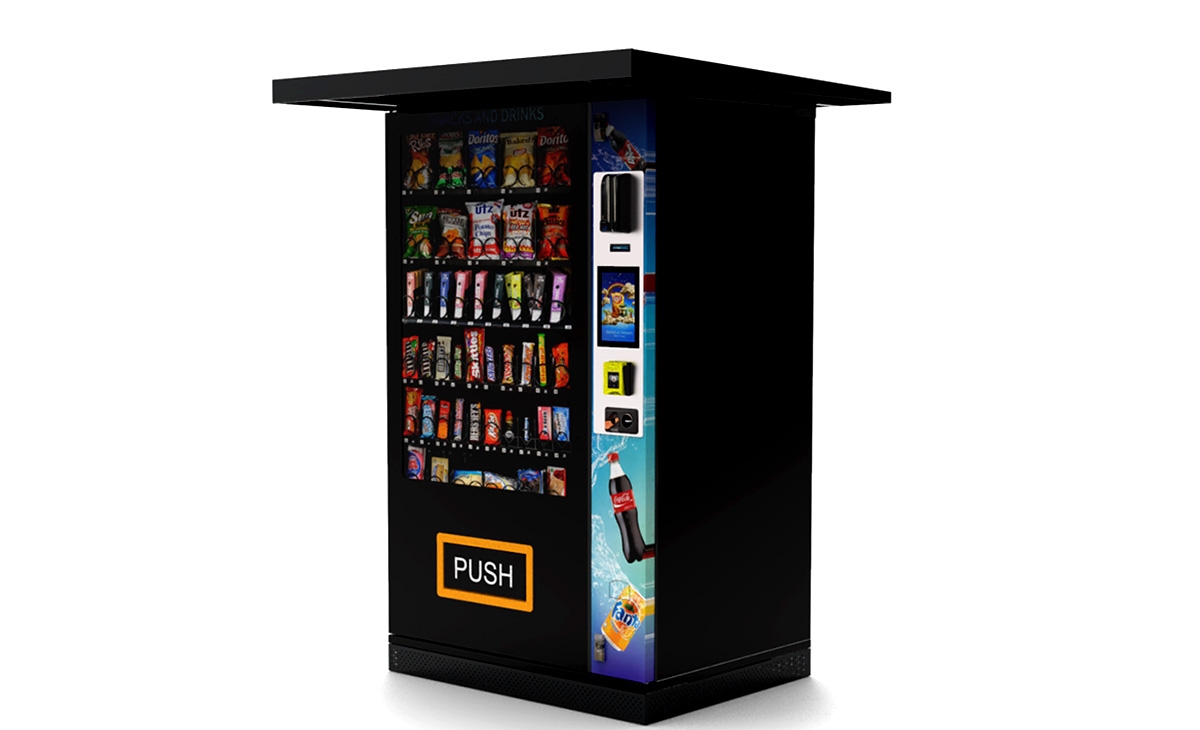
Each model has its place. The key is matching the rental structure to your specific situation. If you’re a first-timer, renting gives you a lower entry barrier. If you’re an experienced operator, renting can help you test a marginal location before investing in a new machine. I’ve used all three models at different points, and I can tell you: the cheapest monthly rate isn’t always the best deal.
Key Features to Look For in a Rental Machine
Not all vending machines are built the same. When you’re evaluating a vending machine for rent, pay attention to these features:
Payment System Compatibility
In 2025, cash-only machines are becoming rare in most Western markets. Look for a machine that supports credit/debit cards, contactless payments (Apple Pay, Google Pay), and ideally a mobile app option. According to a 2023 report by Statista, over 65% of vending transactions in the U.S. are now cashless. If your rental machine doesn’t have a modern payment system, you’re leaving money on the table.
Telemetry and Remote Monitoring
This is one of the most overlooked features. A machine with built-in telemetry lets you see real-time inventory levels, sales data, and error alerts remotely. Without it, you’re guessing when to restock. I’ve seen operators lose 20–30% of potential sales simply because they didn’t know a machine was empty or malfunctioning. If your rental machine doesn’t have telemetry, factor in the extra labor cost for frequent site visits.
Energy Efficiency
Energy costs vary widely by region, but a typical refrigerated vending machine can consume between 1,500 and 2,500 kWh per year. In Europe, where electricity prices have risen sharply, this can add €300–€600 annually to your operating costs. Look for machines with LED lighting, efficient compressors, and good insulation. Some newer models from manufacturers like Zhongda Smart are designed with energy-saving features that make a noticeable difference on your bottom line.
Security Features
Vandalism and theft are real concerns, especially in unsupervised locations. A good rental machine should have a tamper-resistant design, a secure locking mechanism, and preferably a steel frame. I’ve had machines broken into twice in the same year at a remote site—both times because the lock was a basic model. Don’t assume the rental company provides a secure machine; ask specifically about the lock type and casing.
Real Costs: What You’ll Pay for a Vending Machine For Rent
Let’s talk numbers. Based on my experience and data from industry sources, here’s a realistic breakdown of what you can expect to pay for a vending machine for rent in the U.S. and European markets:
| Rental Model | Monthly Cost (USD/EUR) | Typical Contract Length | What’s Included |
|---|---|---|---|
| Basic equipment rental | $100–$250 / €90–€220 | 12–24 months | Machine only; you handle stocking, maintenance, payment processing |
| Full-service lease | $300–$600 / €270–€540 | 24–36 months | Machine, repairs, sometimes restocking assistance |
| Revenue-share (host location) | $0 upfront; 10–25% of sales to location | Ongoing | Machine provided by operator; location provides space and electricity |
These are rough averages. Actual costs depend on the machine type (snack, beverage, combo), the region, and the rental company’s terms. For example, a refrigerated beverage machine will usually cost more to rent than a standard snack machine because of higher energy consumption and maintenance needs.
Market Trends Shaping the Vending Industry in 2025
The vending industry has changed significantly in the last five years. Here are the trends I’m seeing on the ground:
Shift Toward Healthy and Fresh Options
Traditional candy and soda machines are still common, but the fastest-growing segment is healthy vending—fresh fruit, salads, protein packs, and even hot meals. In Europe, particularly in France and Germany, INSEE data shows a 12% increase in fresh food vending installations between 2021 and 2023. If you’re renting a machine, consider one that can handle perishable items with proper temperature control.
Contactless and Mobile Payment Dominance
This isn’t just a trend—it’s now a baseline expectation. Machines that don’t accept digital payments are increasingly difficult to place in high-traffic locations like office buildings, hospitals, and universities. I’ve seen locations turn down free machines simply because they lacked contactless capability.
Automated Retail Beyond Snacks
The concept of a self-service kiosk has expanded beyond food. We’re seeing automated retail machines for electronics, personal care items, and even pharmaceutical products. While these are still a niche, the technology is maturing quickly. For operators, this means the same rental infrastructure can potentially be used for higher-margin products.
Data-Driven Site Selection
Ten years ago, choosing a location was mostly gut feeling. Now, operators use foot traffic data, demographic analysis, and even heat maps to decide where to place a machine. If you’re renting, ask the rental company if they provide any site analysis support. Some larger firms do, and it can save you from placing a machine in a dead zone.
Is a Vending Machine For Rent Profitable?
This is the question everyone asks. The honest answer is: it depends on the location, the product mix, and your operational efficiency. Based on my own routes and data from operators I know, here’s what a typical machine can generate:
- Monthly revenue range: $300–$1,500 per machine, depending on location and product type.
- Gross margin: 40–60% on snacks and beverages, lower on fresh items due to spoilage.
- Break-even timeline: For a rented machine, you can break even within 3–6 months if the location is good. For a purchased machine, it’s usually 12–24 months.
But here’s the catch: these numbers assume you’re managing the machine well. I’ve seen operators lose money on a high-traffic location because they didn’t stock the right products or they ignored maintenance issues. A vending machine for rent is a tool, not a guarantee. The profitability depends on how you use it.
How to Choose the Right Supplier for a Vending Machine For Rent
Not all rental companies are created equal. Here’s what I look for when evaluating a supplier:
Transparency on Terms
Some rental agreements have hidden fees—delivery charges, early termination penalties, mandatory service contracts. Read the fine print. If a supplier is vague about costs, that’s a red flag.
Machine Quality and Age
Ask how old the machines are. A 10-year-old machine may be cheap to rent, but it will likely have higher repair frequency and lower energy efficiency. Newer machines, like those from Zhongda Smart, are built with modern components that reduce downtime and improve the customer experience.
Support and Maintenance Response Time
If your machine breaks down on a Friday afternoon, how fast will the rental company respond? I’ve had suppliers who took a week to send a technician—and in that week, I lost revenue and damaged the relationship with the location owner. Look for a supplier with a local service network or a guaranteed response time of 48 hours or less.
Flexibility to Upgrade
Your needs may change. A good rental company will let you swap out a machine for a different model if the location isn’t performing. Some even offer trial periods where you can test a machine for 30 days with no long-term commitment.
Common Mistakes Beginners Make With Rental Machines
I’ve made some of these mistakes myself, and I’ve watched others repeat them. Here are the most common ones:
Overestimating Foot Traffic Quality
Just because a location has 1,000 people walking through it every day doesn’t mean they’ll buy from your machine. I once placed a snack machine in a busy transit station, only to find that most commuters were in a hurry and didn’t stop. The machine did less than $200 a month. Foot traffic matters, but dwell time and purchase intent matter more.
Ignoring Product Rotation
If you stock the same items for months, sales will drop. People get bored. I’ve seen machines that sold 50 units a week of a popular snack drop to 10 units because the operator never rotated the selection. Use your sales data to adjust your product mix every 4–6 weeks.
Skipping Routine Maintenance
Rental machines still need regular cleaning and minor adjustments. A dirty machine or a sticky keypad will drive customers away. I make it a rule to visit each machine at least once every two weeks, even if it doesn’t need restocking. It’s amazing how often a quick clean can boost sales by 10–15%.
Choosing the Wrong Machine Type
A beverage machine might work great in a gym, but a snack machine could be a better fit for a small office. Don’t assume one machine fits all. If you’re renting, ask the supplier for advice on which model suits your target location. A good supplier will have data on what works best in different settings.
Best Locations for a Vending Machine For Rent
Based on my experience, here are the locations that consistently perform well:
- Office buildings (especially with 50+ employees and no cafeteria)
- Hospitals and medical clinics (24/7 access, high dwell time)
- Schools and universities (high foot traffic, but check local regulations)
- Gyms and fitness centers (healthy snacks and drinks sell well)
- Transit hubs (train stations, bus terminals—if dwell time is sufficient)
- Manufacturing facilities (shift workers often have limited break options)
On the flip side, I’ve had poor results in retail stores with low foot traffic, residential apartment lobbies (low purchase frequency), and outdoor locations without proper weather protection. If a location doesn’t have at least 200–300 potential customers passing by per day, it’s probably not worth the effort.
How to Evaluate a Machine’s Investment Potential
Before you sign a rental agreement, run this simple calculation:
- Estimate monthly revenue based on foot traffic and average transaction value (typically $1.50–$3.00 in the U.S., €1.00–€2.50 in Europe).
- Subtract monthly rental cost, product cost (40–60% of revenue), and estimated maintenance/restocking labor.
- Compare the net profit to your time investment. If you’re making less than $200 per month after all costs, it’s probably not worth the operational hassle.
I’ve seen machines that generate $1,200 in revenue but only $200 in net profit because the operator was paying high rental fees and restocking too frequently. The key is to track your numbers from day one. Don’t guess.
Frequently Asked Questions About Vending Machine For Rent
Is renting a vending machine profitable?
Yes, if you choose the right location and manage costs carefully. Profit margins typically range from 40–60% on products, but rental fees and labor eat into that. Many operators see a net profit of $100–$500 per machine per month after all expenses.
How much does a vending machine for rent cost per month?
Basic rental rates range from $100 to $250 per month in the U.S., and €90 to €220 in Europe. Full-service leases cost more, usually $300–$600 per month. Revenue-share models involve no upfront rental fee but require giving 10–25% of sales to the location owner.
How long does it take to break even on a rental machine?
With a good location, you can break even within 3–6 months. If the location underperforms, it may take longer or never break even. That’s why testing with a rental is a smart strategy before buying.
Should a beginner buy or rent?
Renting is generally better for beginners. It lowers your upfront risk and lets you learn the operational side without a large capital investment. Once you have a few successful locations, you can consider buying machines to increase your margins.
What are the best locations for a rental machine?
Office buildings, hospitals, gyms, schools, and manufacturing facilities tend to perform well. Avoid locations with low foot traffic or limited dwell time. Always visit the site in person before committing.
What maintenance is required for a rental machine?
You’ll need to clean the machine regularly, restock products, and handle minor issues like jammed coils or payment system errors. Major repairs are usually covered by the rental company, but response times vary. Ask about this upfront.
How do I choose a vending machine supplier?
Look for transparency in pricing, modern equipment, good support response times, and flexibility to swap machines if needed. Suppliers like Zhongda Smart are known for reliable equipment and reasonable rental terms, but always compare multiple options.
Can I rent a machine for a short-term event?
Some rental companies offer short-term rentals for events, trade shows, or seasonal locations. Expect to pay a premium for short-term use, but it can be a good way to test a temporary market.
What happens if the machine breaks down?
Contact the rental company immediately. Most have a repair service, but response times vary. If downtime is a concern, ask about backup machines or guaranteed repair timelines before signing.
How can I reduce restocking and maintenance costs?
Use a machine with telemetry to monitor inventory remotely. Plan restocking routes efficiently. Stock high-turnover items and avoid overstocking slow movers. Regular cleaning and minor preventive maintenance can also reduce major repair calls.
Final Thoughts on Renting a Vending Machine
Renting a vending machine is a practical way to enter the automated retail space without a heavy upfront investment. It gives you flexibility, lowers your risk, and allows you to test different locations and product strategies. But it’s not a passive income stream—it requires attention to detail, consistent maintenance, and a willingness to adapt based on sales data.
If you’re considering a vending machine for rent, start small. Rent one machine, place it in a promising location, and track every metric. Learn from the data. Adjust your approach. Once you have a system that works, scaling up becomes much easier. And if you decide to buy later, you’ll have the experience to choose the right equipment and negotiate better terms.
Disclaimer: The revenue and cost figures in this article are based on my personal operational experience and publicly available industry data. Actual results vary significantly based on location, product selection, local economic conditions, and operational efficiency. This article does not constitute financial or legal advice. Always consult with a qualified professional before making business decisions.
This article was updated in April 2025.