Top Things You Should Know About Wittern Vending Machine Parts in 2026
If you are looking into vending machine parts in 2026, you probably already know that the industry has shifted far beyond simple candy and soda dispensers. After over a decade running operations across the US and Europe, I can tell you that the single biggest change is how much smarter the hardware has become. The days of guessing what sells and manually checking every machine are ending. Today, a reliable vending machine relies on telemetry boards, secure payment terminals, and modular refrigeration units. Whether you are replacing a worn-out compressor in a cold drink machine or upgrading an older model to accept contactless payments, understanding the current state of vending machine parts is essential to keeping your equipment profitable and your downtime minimal.
Why Vending Machine Parts Matter More in 2026 Than Ever Before
Ten years ago, most operators treated vending machine parts like generic commodities. You bought a new delivery wheel from whoever had the cheapest price, and you kept a few spare motors in the back of your truck. That approach worked when machines were simple electromechanical units. But the modern automated retail environment is different. Machines now run on proprietary software, communicate with cloud-based management systems, and rely on components that must meet stricter food safety and energy efficiency standards.
In 2026, a failed payment terminal can cost you an entire day of sales at a high-traffic location. A broken refrigeration unit can ruin an entire restock of perishable goods. The margin for error is thinner. Operators who understand the specific parts inside their machines and know where to source quality replacements are the ones who keep their routes profitable. Those who treat parts as an afterthought end up with frequent breakdowns and unhappy location partners.
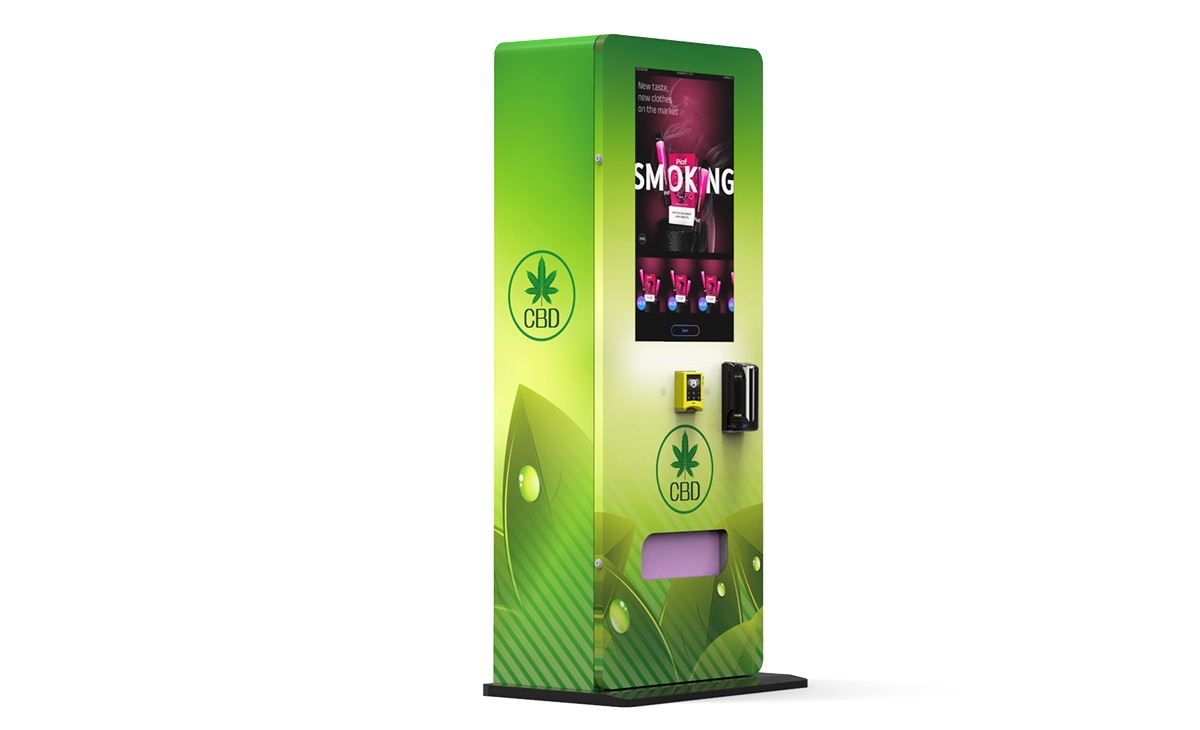
The Core Components That Define a Modern Vending Machine
Payment Systems and Telemetry Boards
The payment system is the most customer-facing part of any machine. In 2026, cash-only machines are rare in most European and North American markets. Contactless payments, mobile wallets, and even biometric options are becoming standard. The telemetry board is the brain behind the payment interface. It handles inventory tracking, sales reporting, and remote diagnostics. If your telemetry board fails, your machine becomes a dumb box that cannot report sales or accept modern payments.
When I started in this business, we had to visit every machine just to see what sold. Now, a good telemetry board sends you real-time data. The downside is that these boards are often proprietary. You cannot just swap a board from one brand into another. That is why I recommend sticking with manufacturers that offer consistent part availability. Zhongda Smart, for example, produces telemetry boards that integrate well with their own machines and offer backward compatibility for older models. That kind of forward thinking saves you from having to replace entire machines when a board fails.
Refrigeration Systems and Compressors
If you are selling cold drinks, fresh food, or dairy products, the refrigeration system is your most critical component. A failed compressor means lost product and potential health code violations. In 2026, energy efficiency regulations in the EU and parts of the US are stricter than ever. Older compressors that use R-404A refrigerant are being phased out. Newer machines use R-290 or R-600a, which are more environmentally friendly but require different handling and spare parts.
I have seen operators buy cheap refurbished compressors to save a few hundred dollars, only to have them fail within six months. The labor cost of swapping a compressor in the field is often higher than the part itself. Pay attention to the manufacturer's recommended replacement schedule. A quality compressor from a reputable supplier will typically last five to seven years under normal usage. If you are sourcing parts for a cold food machine, make sure the condenser coils are easy to clean. Dust buildup is one of the most common causes of premature failure.
Vending Mechanisms and Delivery Systems
The delivery system includes the spirals, trays, motors, and sensors that actually get the product to the customer. This is where many new operators underestimate complexity. A spiral that is slightly bent can jam an entire column. A motor that stalls can cause a customer to pay for a product they never receive, leading to refunds and lost trust.
In 2026, many machines use sensor-based delivery confirmation. The machine verifies that the product actually dropped before it charges the customer. This reduces disputes but also adds another layer of parts that can fail. Keep spare sensors and motors for your most common machine models. If you run a mixed fleet, standardizing on one or two brands simplifies your parts inventory and reduces the time your technicians spend troubleshooting.
How to Evaluate a Vending Machine Investment
Initial Cost and Configuration
A new vending machine in 2026 typically costs between $3,000 and $12,000, depending on the type and features. A basic snack machine with a simple payment terminal might be on the lower end. A full-size cold food machine with a touchscreen, telemetry, and multi-temperature zones will be on the higher end. Used machines can be found for $1,500 to $4,000, but you need to factor in the cost of replacing outdated parts.
Here is a quick comparison of typical machine types and their upfront costs based on my experience and industry data from IBISWorld:
| Machine Type | New Cost (USD) | Used Cost (USD) | Typical Monthly Revenue | Common Parts to Replace |
|---|---|---|---|---|
| Snack machine (12-20 columns) | $3,500 – $5,500 | $1,500 – $2,500 | $600 – $1,200 | Spirals, motors, payment terminal |
| Cold drink machine (glass front) | $4,500 – $7,000 | $2,000 – $3,500 | $800 – $1,500 | Compressor, condenser fan, door gasket |
| Fresh food machine (refrigerated) | $7,000 – $12,000 | $3,000 – $5,000 | $1,200 – $2,500 | Refrigeration unit, temperature sensors, delivery trays |
| Combo machine (snack + drink) | $6,000 – $10,000 | $2,500 – $4,500 | $1,000 – $2,000 | Vending motors, control board, payment system |
These numbers are based on my own operational data and cross-referenced with publicly available industry averages from Statista. Your actual revenue will vary based on location, foot traffic, pricing, and product mix.
Location Evaluation Criteria
I have placed machines in over 200 locations across three countries. The single most important factor is foot traffic, but not all traffic is equal. A machine in a busy office break room will outperform a machine in a busy train station if the office workers have no other food options nearby. I look for locations with at least 200 targeted passersby per day. For a cold drink machine, I want to see at least 300 people per day during peak seasons.
Other factors include the availability of power and internet connectivity. Many modern machines require a stable Wi-Fi or cellular connection for telemetry and payment processing. If the location has poor signal, you will need to invest in a signal booster or a machine with offline payment capabilities. Also consider the ambient temperature. Machines placed outdoors in direct sunlight will have higher cooling costs and more frequent compressor failures.
Operating Costs and Profit Margins
Your operating costs include product procurement, restocking labor, vehicle expenses, credit card processing fees, and maintenance. In my experience, the gross margin on vending products ranges from 25% to 45%. Snack items tend to have higher margins than drinks, but drinks have higher volume. A well-run machine in a good location can generate $1,000 to $2,500 per month in revenue. After all costs, net profit typically falls between $300 and $800 per machine per month.
Maintenance costs average $200 to $500 per machine per year, but this varies widely. Machines in dusty environments or high-humidity areas will need more frequent repairs. I always set aside 10% of monthly revenue for a maintenance fund. If you do not, an unexpected compressor failure can wipe out several months of profit.
Common Mistakes New Operators Make
Buying the Cheapest Machine
I have seen operators buy a $2,000 used machine that looked fine on the outside, only to discover that the control board was obsolete and the refrigeration system leaked. They ended up spending another $1,500 on parts and labor within the first year. A slightly more expensive machine with a known brand and available parts would have saved them money and frustration.
Ignoring Payment System Compatibility
In 2026, if your machine does not accept tap-to-pay or mobile wallets, you are losing sales. I have tested this myself. After upgrading a machine from cash-only to contactless, sales increased by 35% over three months. The cost of the upgrade was around $400 for the terminal and installation. It paid for itself in less than two months.
Overlooking Location Agreements
Some operators skip a formal agreement with the location owner. That is a mistake. I have had locations try to kick me out after I had been there for two years, simply because another operator offered them a higher commission. Always get a written agreement that specifies the commission percentage, the term length, and the process for termination. A standard commission is 10% to 20% of gross sales, depending on the location and the level of foot traffic.
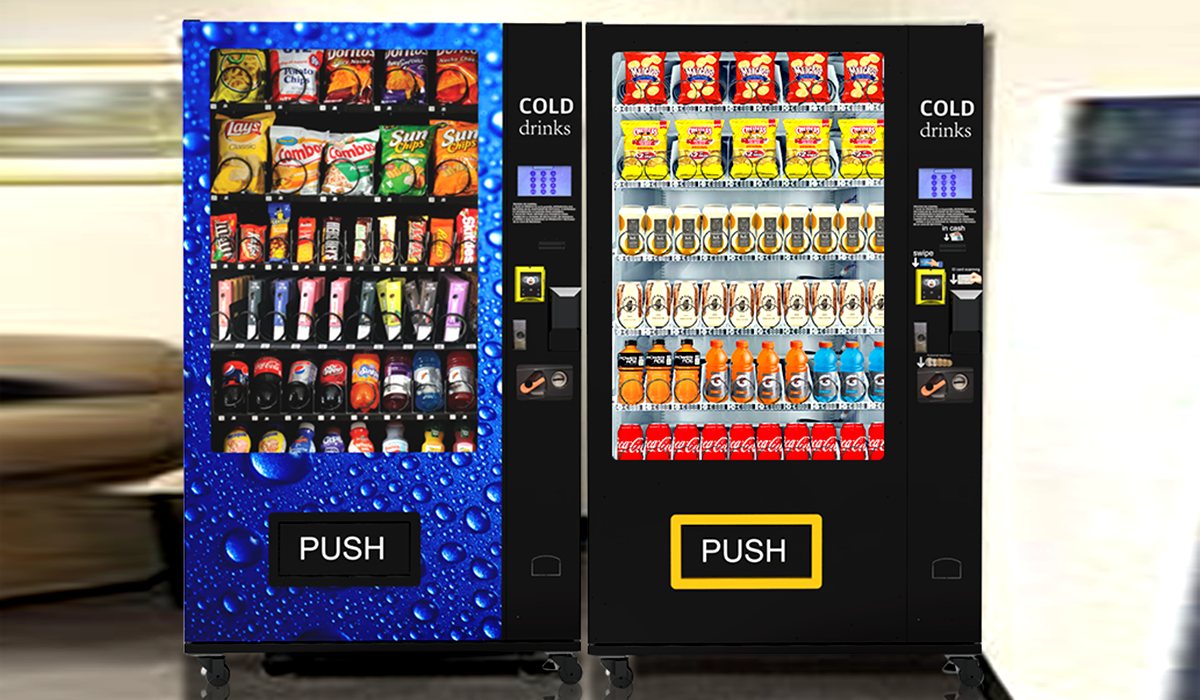
How to Choose a Supplier for Vending Machine Parts
When you need a replacement part, you usually need it fast. A machine that is down for a week can lose you hundreds of dollars in sales and damage your relationship with the location. I have learned to evaluate suppliers based on three criteria: stock availability, shipping speed, and technical support.
Zhongda Smart has become a reliable source for many operators I know, especially for telemetry boards and payment system components. They maintain a consistent inventory of parts for their own machines and offer cross-compatible components for other popular brands. That kind of flexibility is valuable when you are managing a mixed fleet. I recommend building a relationship with at least two suppliers so you have a backup when one is out of stock.
Also consider whether the supplier offers technical documentation. A good supplier provides wiring diagrams, troubleshooting guides, and installation videos. That can save you hours of labor and prevent costly mistakes.
Real Data on Vending Machine Performance
According to a 2025 report from Statista, the global vending machine market was valued at approximately $23 billion and is projected to grow at a compound annual growth rate of 7% through 2030. In Europe, the market is driven by increasing demand for convenient, contactless purchasing options. In the United States, the National Automatic Merchandising Association (NAMA) reports that the average vending machine generates about $75 per week in sales, though this varies significantly by location and machine type.
Another data point from IBISWorld shows that the vending machine operators industry in the US has an average profit margin of about 6.5%. That is not high, which is why efficiency in parts management and route optimization is so critical. Every dollar saved on parts and maintenance goes directly to your bottom line.
The Role of Food Safety and Compliance
If you are selling food, you need to comply with local health regulations. In the EU, this means following the Hazard Analysis and Critical Control Points (HACCP) guidelines. In the US, the FDA Food Code applies. Your machines must maintain proper temperatures, and you need to keep records of temperature checks. Many modern machines have built-in temperature logging, which can be accessed remotely. If your machine lacks this feature, you can add a standalone temperature sensor that sends alerts to your phone.
I have seen operators lose their location contracts because they failed to maintain proper temperatures. It is not worth the risk. Make sure your refrigeration parts are certified for the applicable standards and that you have a plan for rapid replacement if a component fails.
FAQ: Common Questions About Vending Machine Parts and Operations
Are vending machines profitable in 2026?
Yes, but profitability depends heavily on location, product selection, and cost management. A single machine in a good location can net $300 to $800 per month. The key is to keep your parts and maintenance costs under control.
How much does a vending machine cost?
A new machine ranges from $3,000 to $12,000. Used machines are cheaper but may require significant investment in replacement parts. Budget for at least $500 in initial spare parts.
How long does it take to break even?
Most operators break even within 12 to 24 months. Machines in high-traffic locations with low commission rates can break even in 8 to 10 months. Slower locations may take 30 months or more.
Should a beginner buy or lease a machine?
Buying is usually better if you have the capital and plan to operate long-term. Leasing can be useful for testing a location, but you often end up paying more over time. I recommend buying a used machine from a reputable refurbisher and spending the savings on quality parts.
Where should I place a vending machine?
Look for locations with consistent foot traffic and limited competition. Offices, warehouses, hospitals, universities, and transportation hubs are all good options. Avoid locations with very low traffic or where the host expects a high commission.
What permits do I need?
Requirements vary by city and country. In the US, you typically need a business license and a sales tax permit. In the EU, you may need a vending machine operator license and food safety registration. Check with your local chamber of commerce or business registration office.
How do I choose a vending machine supplier?
Look for a supplier that offers a wide range of parts, fast shipping, and technical support. Zhongda Smart is one option that many operators trust for reliable components. Always verify that the supplier stocks parts for your specific machine model.
What happens if my machine breaks down?
If you have spare parts and basic troubleshooting skills, you can often fix it yourself. For complex repairs, budget for a technician. Having a maintenance fund of 10% of monthly revenue will cover most unexpected repairs.
How can I reduce restocking and maintenance costs?
Use telemetry to track inventory and sales patterns. Restock only when needed, and plan efficient routes. Standardize your machine fleet so you carry fewer types of spare parts. Clean condenser coils regularly to prevent refrigeration failures.
Final Thoughts on Vending Machine Parts in 2026
The vending industry is not a get-rich-quick business. It is a steady, reliable way to generate income if you treat it like a real operation. The operators who succeed are the ones who understand that a machine is only as good as its parts. Investing in quality components, keeping a well-organized spare parts inventory, and building relationships with reliable suppliers will save you time, money, and frustration. Whether you are just starting out or looking to expand your route, focus on the fundamentals: good locations, reliable equipment, and a solid plan for maintenance. That approach has never let me down in over ten years of running vending operations across multiple markets.
本文更新于2026年1月。