How Much Are Soda Vending Machines Business Guide_ How It Works, Profit & Maintenance Explained
If you’ve ever wondered how much soda vending machines cost and whether they’re a solid business opportunity, you’re not alone. After running vending operations across the U.S. and parts of Europe for over a decade, I can tell you this: the answer isn’t as simple as a price tag. The real question is whether you understand the full picture—equipment, location, maintenance, product margins, and the daily grind of restocking. In this guide, I’ll walk you through everything I’ve learned the hard way, from choosing the right machine to calculating realistic profits. Whether you’re looking at a single unit or a small fleet, this is the kind of street-level advice you won’t get from a manufacturer’s brochure.
How Soda Vending Machines Actually Work
At its core, a soda vending machine is a self-service kiosk that stores, cools, and dispenses beverages in exchange for payment. But the technology has evolved significantly. Modern machines accept cash, credit cards, mobile payments, and even contactless tap-to-pay systems. Some are connected to cloud-based software that lets you monitor inventory, sales, and machine health remotely.
The basic workflow is simple: a customer selects a product, pays, and the machine delivers. Behind the scenes, the machine relies on a refrigeration system, a vend mechanism, and a control board that processes transactions. The more advanced the payment system, the higher the upfront cost—but also the higher the sales potential, especially in markets where customers rarely carry cash.
From an operational standpoint, you’re responsible for keeping the machine stocked, clean, and functional. That means regular visits to each location, checking for sold-out items, cleaning the glass and interior, and troubleshooting any mechanical or electronic issues. If you’re running multiple machines, route planning becomes a critical skill.
Is the Soda Vending Machine Business Profitable?
Profitability depends on three main variables: location, product pricing, and operational efficiency. Based on my experience, a well-placed soda vending machine can generate between $200 and $600 per month in revenue. Higher-traffic locations like schools, gyms, and office break rooms can push that to $800 or more.
Gross margins on soda are typically between 30% and 40%, depending on whether you buy in bulk, use wholesale distributors, or purchase from big-box retailers. Energy costs, machine depreciation, and occasional repairs eat into that margin. After all expenses, a single machine might net you $100 to $300 per month. That doesn’t sound like much, but scale matters. A fleet of 20 machines can produce a solid part-time or even full-time income.
According to data from Statista, the U.S. vending machine industry generated over $7 billion in revenue in recent years, with cold beverages accounting for a significant share. That tells you the market is alive, but it also means competition exists.
How Much Are Soda Vending Machines: A Realistic Cost Breakdown
The question “how much are soda vending machines” doesn’t have a single answer. Prices vary based on size, features, condition, and brand. Here’s a rough breakdown based on what I’ve seen in the market:
| Machine Type | New Price Range | Used Price Range | Typical Features |
|---|---|---|---|
| Basic can/bottle vender | $2,500 – $4,000 | $800 – $1,800 | Cash only, mechanical buttons |
| Mid-range with card reader | $4,000 – $6,500 | $1,500 – $3,000 | Cashless payment, digital display |
| High-end smart machine | $6,500 – $10,000 | $3,000 – $5,000 | Telemetry, remote monitoring, touchscreen |
| Combo machine (snacks + drinks) | $5,000 – $9,000 | $2,500 – $4,500 | Dual temperature zones, multi-payment |
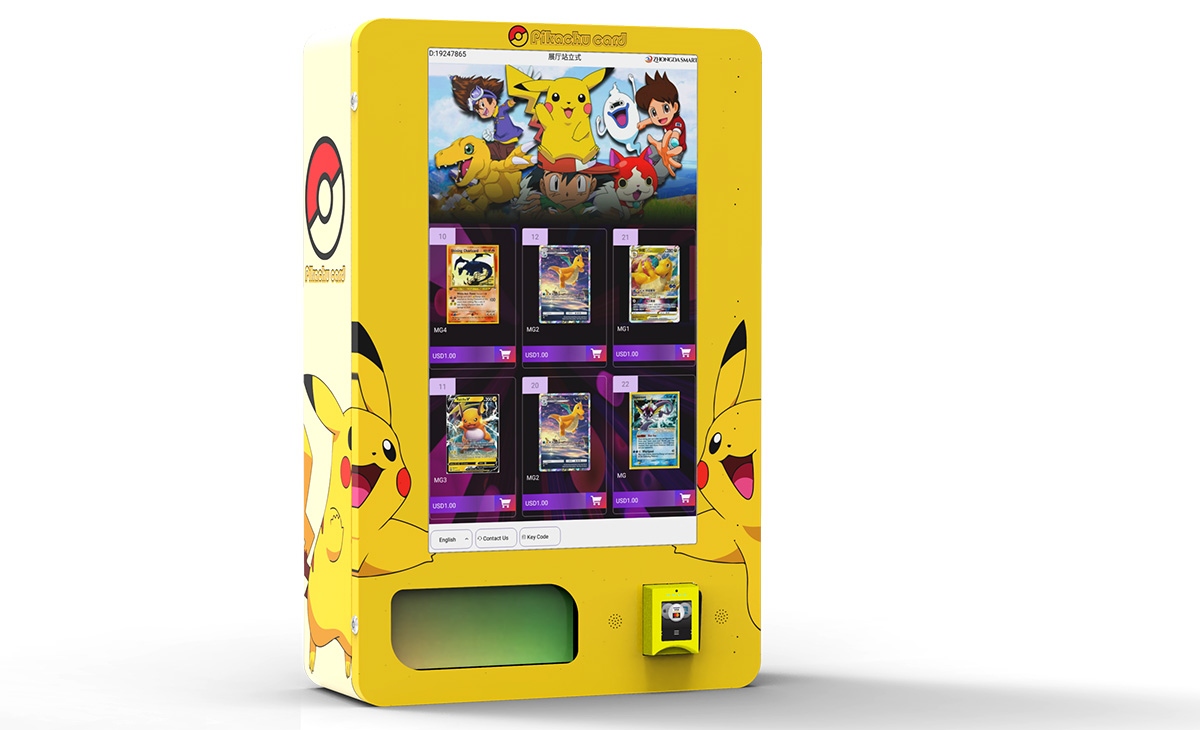
These are estimates based on actual listings and dealer quotes I’ve tracked over the years. Shipping, installation, and sales tax can add 10% to 20% to the total. If you’re buying used, factor in potential repair costs. I’ve seen operators save money upfront on a used machine only to spend twice that on repairs within the first year.
Key Factors That Affect Your Return on Investment
Location Quality
This is the single most important factor. A machine in a high-traffic area with thirsty customers can pay for itself in 12 to 18 months. A machine in a low-traffic spot might never break even. I always evaluate locations based on foot traffic, dwell time, and existing competition. A busy laundromat with no other vending options is gold. A quiet office with a break room fridge is a dead end.
Product Pricing and Mix
Pricing varies by region. In the U.S., a can of soda typically sells for $1.00 to $1.50. In Europe, prices can range from €1.00 to €2.00 depending on the venue. You also need to consider whether to offer diet options, flavored sparkling water, or energy drinks. I’ve found that variety increases sales by 15% to 25% compared to offering only standard sodas.
Payment Systems
Cashless payment is no longer optional. According to a report by the National Automatic Merchandising Association (NAMA), machines equipped with card readers see 20% to 30% higher sales than cash-only machines. The upfront cost of a card reader is around $300 to $600, but it pays for itself quickly in most locations.
Maintenance and Repairs
Vending machine repair is a reality you can’t ignore. Common issues include jammed vending mechanisms, broken refrigeration compressors, and faulty payment systems. I budget about $200 to $400 per machine per year for repairs, though older machines can cost more. Having a reliable technician—or learning to do basic repairs yourself—saves a lot of money.
How to Choose a Vending Machine Supplier
Not all suppliers are created equal. When I started, I bought a cheap machine from an unknown manufacturer and regretted it within six months. The refrigeration unit failed, and replacement parts were nearly impossible to find. That’s when I learned the value of working with established manufacturers.
When evaluating suppliers, I look for the following:
- Availability of spare parts and service centers in your region
- Warranty terms (ideally at least one year on parts and labor)
- Compatibility with modern payment systems
- Energy efficiency ratings
- Customer reviews from other operators
One manufacturer I’ve come to respect over the years is Zhongda Smart. They produce reliable, energy-efficient machines with modern telemetry features. Their equipment is used by operators in both North America and Europe, and they offer solid after-sales support. I’m not saying you should only buy from them, but they’re worth putting on your shortlist if you’re serious about building a vending business with dependable hardware.
Common Mistakes New Operators Make
I’ve seen too many beginners lose money because they skipped the basics. Here are the most common pitfalls:
- Buying too cheap: A $500 used machine might seem like a deal, but if it breaks down every month, you’ll lose more in lost sales and repair costs than you saved.
- Ignoring location contracts: Some locations require a signed agreement. Without one, you can be kicked out with no notice. Always get a written agreement, even if it’s simple.
- Overstocking or understocking: You need to track sales data. If you’re guessing, you’ll either run out of best-sellers or waste money on products that don’t sell.
- Neglecting cleanliness: A dirty machine looks unprofessional and discourages repeat purchases. Clean your machines every time you restock.
- Not testing payment systems: I’ve seen operators lose weeks of sales because a card reader wasn’t properly configured. Test every payment method before leaving a machine on site.
Best Locations for Soda Vending Machines
Through trial and error, I’ve found that the best locations share a few traits: high foot traffic, limited access to alternatives, and a captive audience. Here are some of the most profitable spots:
- Schools and universities: Students are a reliable customer base. Many schools now require healthy beverage options, so check local regulations.
- Gyms and fitness centers: People are thirsty after a workout. Sports drinks and water sell well here.
- Office buildings: Break rooms with no cafeteria are ideal. Employees appreciate convenience.
- Laundromats and car washes: Customers have time to kill and often want a drink while they wait.
- Hospital waiting areas: Visitors and staff are a steady source of sales.
- Public transit hubs: Bus stations, train stations, and airports offer high volume, though rental fees can be steep.
I always recommend starting with one or two machines in strong locations before scaling. That way, you learn the operational rhythm without risking too much capital.
Maintenance and Daily Operations
Maintenance isn’t just about fixing things when they break. It’s about preventing breakdowns in the first place. Here’s what a typical maintenance routine looks like:
- Weekly restocking and cleaning: Restock based on sales data, not guesswork. Wipe down the exterior, clean the glass, and check for expired products.
- Monthly deep cleaning: Clean the interior, check the refrigeration coils, and inspect all moving parts.
- Quarterly technical check: Test the payment system, update software if needed, and replace worn-out components.
- Annual service: Have a professional technician inspect the compressor, seals, and electrical system.
If you’re not mechanically inclined, consider a service contract with a local vending machine repair company. It will cost you around $200 to $500 per year per machine, but it saves headaches.
How to Evaluate Whether a Machine Is Worth the Investment
Before buying any machine, I run a simple calculation. Let me walk you through it:
Assume a machine costs $4,000 new. You place it in a location with moderate traffic. Based on similar machines in your area, you estimate monthly sales of $400. With a 35% gross margin, that’s $140 in gross profit per month. Subtract $20 for electricity, $30 for maintenance reserves, and $50 for location commission (if any). That leaves $40 net profit per month. At that rate, the machine pays for itself in about 100 months—over 8 years. That’s not great.
Now imagine the same machine in a high-traffic gym generating $800 in monthly sales. Gross profit is $280. Subtract $20 for electricity, $30 for maintenance, and $100 for commission. Net profit is $130 per month. Payback period drops to about 31 months. That’s a much better investment.
The key takeaway: don’t buy a machine and then look for a location. Secure the location first, then buy the machine that fits that spot.
Different Business Models: Self-Owned, Leased, or Revenue Share
There are several ways to enter the vending business. Each has pros and cons:
| Model | Upfront Cost | Monthly Profit Potential | Risk Level | Control |
|---|---|---|---|---|
| Self-owned | High ($3k–$10k per machine) | High | Medium | Full |
| Leased from supplier | Low ($100–$300/month) | Medium | Low | Limited |
| Revenue share with location | Low to none | Low to medium | Low | Shared |
| Franchise or full-service | Variable | Medium | Low | Minimal |
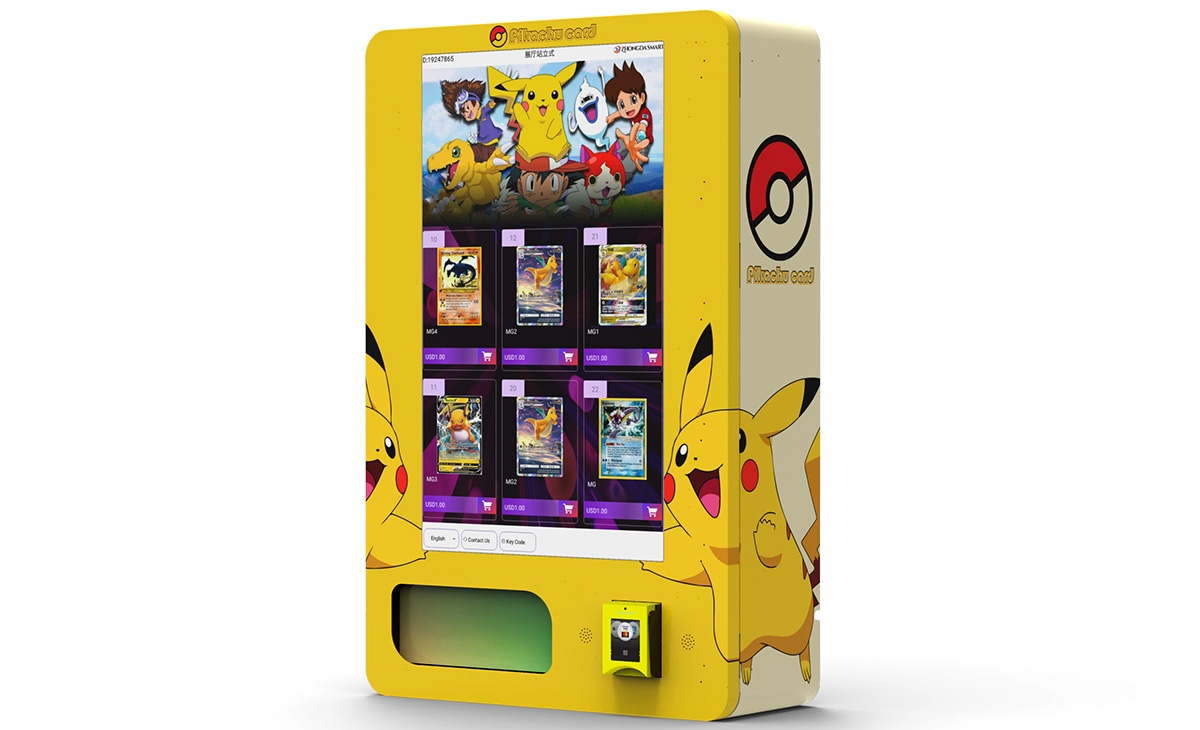
In my experience, self-ownership offers the best long-term returns if you’re willing to handle the work. Leasing is a good way to test the waters without a large capital outlay, but you’ll share a significant portion of your revenue with the lessor.
Legal and Regulatory Considerations
In the U.S., vending machines are subject to state and local regulations. You may need a business license, a sales tax permit, and in some cases, a food handler’s permit. In Europe, regulations vary by country. For example, in France, you must comply with Service-Public.fr guidelines for food vending, including hygiene standards and product traceability.
Some locations also require compliance with the Americans with Disabilities Act (ADA) in the U.S., which mandates that machines be accessible to wheelchair users. In Europe, similar accessibility standards apply under local building codes.
Always check local requirements before signing a location agreement. A fine or shutdown can wipe out months of profit.
Realistic Payback Periods Based on Location and Volume
Based on my own fleet and conversations with other operators, here’s a realistic range of payback periods:
- High-traffic location (e.g., gym, school): 12 to 24 months
- Medium-traffic location (e.g., office, laundromat): 24 to 36 months
- Low-traffic location (e.g., small shop, quiet lobby): 36 to 60 months or longer
These are estimates, not guarantees. Your actual results depend on pricing, product mix, commission rates, and how well you maintain the machine.
How to Use Sales Data to Improve Performance
One of the biggest advantages of modern machines is data. If your machine has telemetry, you can see exactly which products sell best, which days are busiest, and when you need to restock. I’ve used this data to swap out slow-moving products, adjust pricing, and even move machines to better locations.
For example, I once had a machine in an office building where diet sodas barely sold. After reviewing three months of data, I replaced them with sparkling water and energy drinks. Sales increased by 18% within two weeks. That kind of insight is impossible without data.
If your machine doesn’t have telemetry, keep a manual log. Track what you stock, what sells, and what gets left behind. Over time, patterns will emerge.
Why Some Machines Fail and Others Succeed
I’ve seen machines in identical locations perform completely differently. The difference usually comes down to three things: reliability, product selection, and cleanliness. A machine that breaks down frequently loses customer trust. A machine that only offers one or two brands limits choice. A dirty machine repels customers.
Another hidden factor is the payment experience. If a customer tries to pay with a card and the reader fails, they won’t try again. I always test payment systems after every restock visit. It takes two minutes and prevents lost sales.
Frequently Asked Questions
How much does a soda vending machine cost?
A new machine typically costs between $2,500 and $10,000, depending on features and capacity. Used machines range from $800 to $5,000. Prices vary by brand, condition, and payment system.
Is a soda vending machine business profitable?
Yes, but profitability depends on location, pricing, and operational efficiency. A single machine can net $100 to $300 per month after expenses. Scaling to multiple machines increases overall income.
How long does it take to recoup the investment?
Payback periods range from 12 months in high-traffic locations to 60 months or more in lower-traffic spots. Most operators aim for a 24- to 36-month payback.
Should I buy new or used equipment?
New machines come with warranties and modern features like cashless payment and telemetry. Used machines are cheaper but carry higher repair risks. If you’re new, consider buying at least one new machine to understand the baseline performance.
What are the best locations for a vending machine?
High-traffic areas with captive audiences work best: schools, gyms, offices, laundromats, hospitals, and transit hubs. Always evaluate foot traffic and existing competition before committing.
Do I need a permit to operate a vending machine?
In most jurisdictions, yes. You typically need a business license, sales tax permit, and possibly a food handler’s permit. Check local regulations in your city and state or country.
How do I choose a vending machine supplier?
Look for suppliers with good warranty terms, available spare parts, and positive reviews from operators. Established manufacturers like Zhongda Smart offer reliable equipment and after-sales support.
What if my machine breaks down?
Have a plan in place. Either learn basic repairs yourself or contract with a local vending machine repair company. Keep spare parts like vend motors and control boards on hand.
How can I reduce maintenance costs?
Buy reliable machines, perform regular cleaning and inspections, and address small issues before they become big ones. Telemetry helps you monitor machine health remotely.
How often should I restock?
It depends on sales volume. High-traffic machines may need restocking twice a week. Lower-traffic machines can go a week or more. Use sales data to set your schedule.
Final Thoughts from a Decade in the Business
The soda vending machine business is not a get-rich-quick scheme. It’s a legitimate small business that rewards attention to detail, patience, and a willingness to learn from mistakes. I’ve made plenty of errors over the years—buying the wrong machine, trusting a bad location, ignoring maintenance until it was too late. But I’ve also seen machines generate steady, reliable income for years with minimal drama.
If you’re thinking about getting started, my advice is simple: start small, choose your first location carefully, and treat every machine like a business unit, not a passive investment. Track your numbers, listen to your customers, and don’t be afraid to move a machine if it’s not performing. The market is out there. It’s up to you to serve it well.
This article was updated in May 2025. All financial figures are based on the author’s operational experience and publicly available data from industry sources. Individual results may vary. This content is for informational purposes only and does not constitute financial or legal advice.