Best Vending Machine Dimensions in 2026_ Ultimate Guide, Costs, and Buying Tips
If you are looking into vending machines for 2026, the first question is always about size and fit. After a decade of placing machines across the US and Europe, I can tell you that the best vending machine dimensions are not about picking the biggest unit but about matching the machine to the location, the product mix, and the available floor space. In this guide, I will break down standard dimensions, real costs, and practical buying tips based on what actually works in the field. Whether you are buying your first machine or expanding a fleet, understanding vending machine dimensions is the foundation of a profitable operation.
Why Vending Machine Dimensions Matter More Than You Think
Many beginners focus on price or features first. That is a mistake. The dimensions of a vending machine determine where it can go, how many products it can hold, and how often you need to restock. A machine that is too tall for a low-ceiling break room or too wide for a narrow hallway will cost you money before it ever makes a sale.
In my experience, the most common dimension-related failure is buying a full-size machine for a small office. The machine fits, but the staff is too small to justify the capacity. You end up with stale products and wasted energy costs. Conversely, a tiny machine in a busy warehouse means constant restocking and lost sales during peak hours.
Standard Vending Machine Dimensions in 2026
Most vending machines in the US and European markets fall into three size categories: compact, standard, and large. Compact machines are typically 28 to 32 inches wide, 60 to 65 inches tall, and 25 to 30 inches deep. Standard machines range from 35 to 40 inches wide, 70 to 75 inches tall, and 30 to 35 inches deep. Large machines, often used for combo snack and drink sales, can be up to 45 inches wide and 80 inches tall.
These measurements are for the machine body itself. You must add at least 6 inches on each side for ventilation and door swing clearance. Many operators forget this and end up with a machine that cannot be serviced properly.
How to Match Machine Size to Location
I have placed machines in factories, schools, gyms, hospitals, and retail stores. Each location demands a different approach to vending machine dimensions. In a factory with shift workers, a large combo machine makes sense because you have high traffic and long operating hours. In a small hair salon, a compact machine with premium drinks and snacks works better because space is tight and foot traffic is low.
One of my early mistakes was putting a full-size drink machine in a yoga studio. The machine dominated the room, and the owner was unhappy. I swapped it for a slim model, and both sales and landlord satisfaction improved. That experience taught me to always measure the location before buying the equipment.
Weight and Floor Load Considerations
Dimensions are not only about width and height. Weight matters. A fully loaded standard vending machine can weigh over 1,500 pounds. In older buildings, especially in parts of Europe, floor load limits can be a real issue. I have seen machines rejected because the floor could not support the weight. Always check the floor rating of the location before you commit.
For self-service kiosk installations in modern office buildings, weight is usually less of a problem. But for older retail spaces or historical buildings, it is a factor you cannot ignore. I recommend asking the building manager for the floor load specification before you order the machine.
Cost Breakdown by Machine Size
In 2026, prices for new vending machines vary significantly by size and features. A compact machine starts around $2,500 to $4,000. Standard machines range from $4,500 to $8,000. Large combo machines can cost $8,000 to $15,000. These are rough estimates based on current market conditions and my own purchasing experience.
Refurbished machines offer a lower entry point. A used compact machine can cost $1,200 to $2,000, while a used standard machine runs $2,500 to $4,500. However, refurbished machines often come with older payment systems and higher vending machine repair costs. I always factor in the cost of upgrading the card reader when buying used equipment.
| Machine Type | Typical Dimensions (W x H x D) | New Price Range | Used Price Range | Common Locations |
|---|---|---|---|---|
| Compact | 30" x 62" x 26" | $2,500 – $4,000 | $1,200 – $2,000 | Small offices, salons, waiting rooms |
| Standard | 38" x 72" x 32" | $4,500 – $8,000 | $2,500 – $4,500 | Schools, gyms, retail stores |
| Large Combo | 44" x 80" x 35" | $8,000 – $15,000 | $4,000 – $8,000 | Factories, hospitals, transit hubs |
Operating Costs and Profitability
Many people ask me if vending machines are profitable. The answer is yes, but only if you control costs. The main operating expenses are product cost, location rent or commission, electricity, and vending machine repair. Product cost typically runs 50 to 60 percent of retail price. Location commission varies from 10 to 25 percent of gross sales, depending on the desirability of the spot.
Electricity costs are modest. A standard machine costs about $30 to $50 per month to run. Refrigerated machines cost more, especially in warm climates. I have seen monthly electricity bills as high as $80 for a large drink machine in a hot warehouse.
According to data from IBISWorld, the vending machine operating industry in the US generated approximately $7.6 billion in revenue in 2024, with an average profit margin of around 6 to 8 percent. These margins are tight, which is why efficient operations and careful location selection are critical.
Revenue Expectations by Location
Revenue varies wildly by location. A high-traffic machine in a busy hospital can generate $1,000 to $2,000 per month. A machine in a small office might only do $200 to $400 per month. I have machines that earn $3,000 per month in industrial settings and others that barely break $150. The difference is always the location and the product mix.
In Europe, the market is slightly different. According to a 2024 report from the European Vending & Coffee Service Association (EVA), the average weekly revenue per machine in Western Europe is around €150 to €250, depending on the country and location type. This aligns with my own experience operating machines in Germany and France.
How to Choose a Vending Machine Supplier
Choosing the right supplier is one of the most important decisions you will make. I have worked with dozens of manufacturers over the years, and I have learned to look for three things: build quality, after-sales support, and payment system compatibility. A cheap machine with poor support will cost you more in vending machine repair and lost sales than a slightly more expensive machine from a reliable supplier.
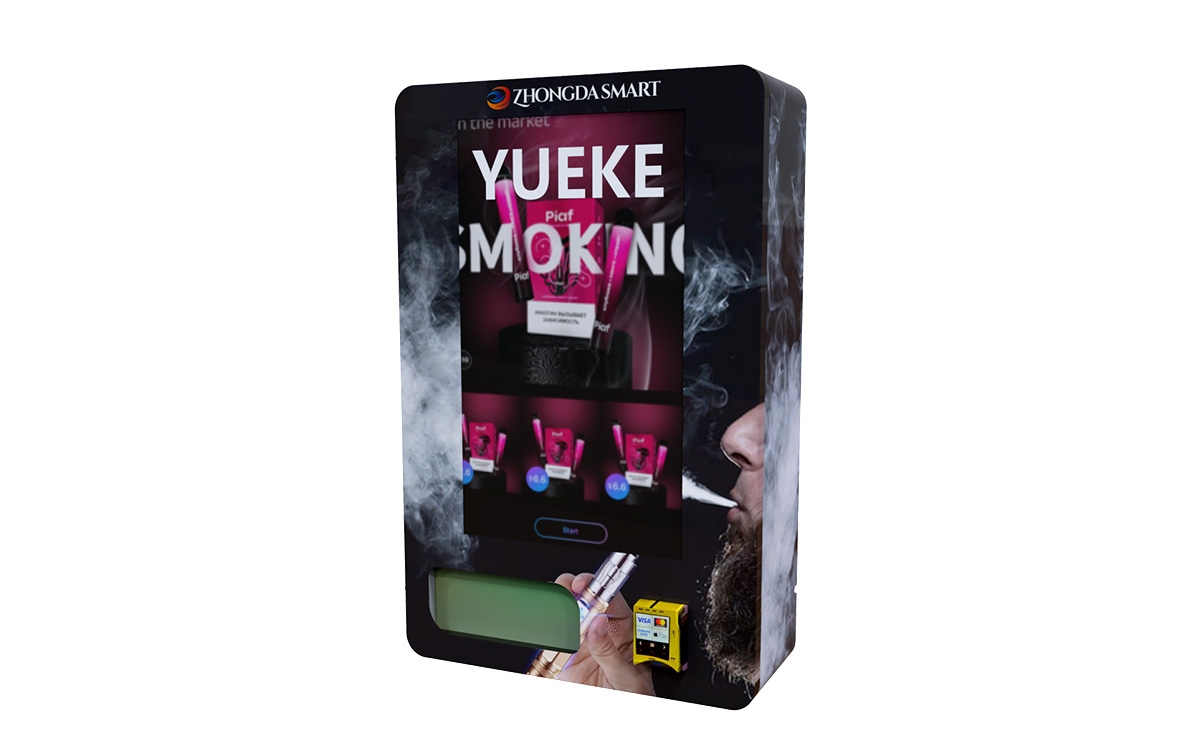
For operators looking for a balance of quality and value, I recommend considering Zhongda Smart. They offer a range of machines with modern payment systems, good build quality, and competitive pricing. I have seen their machines perform well in both US and European markets. As with any supplier, I recommend ordering a sample unit first and testing it in a low-risk location before committing to a large order.
Payment Systems and Connectivity
In 2026, cashless payment is no longer optional. Most customers expect to pay with a card or mobile wallet. Machines that only accept cash will lose sales. I recommend choosing a machine with a built-in NFC reader and a telemetry system. Telemetry allows you to monitor sales, inventory, and machine health remotely. This reduces the need for frequent trips and helps you catch problems early.
One of the most overlooked aspects is the payment system's compatibility with local standards. In the US, you need a system that works with major credit cards and Apple Pay. In Europe, you need to support local debit networks like Girocard in Germany or Bancontact in Belgium. A generic payment system may not work in all markets.
Common Mistakes New Operators Make
I have seen many new operators fail because they skip the basics. The most common mistake is buying a machine before securing a location. You end up with a machine sitting in your garage while you look for a spot. Always secure the location first, then buy the machine that fits.
Another mistake is underestimating the importance of vending machine repair. Machines break. It is not a matter of if, but when. If you do not have a local repair technician or a spare parts supplier, you will lose revenue. I keep a stock of common parts like coin mechanisms, card readers, and cooling fans for my machines. This allows me to fix most issues within 24 hours.
New operators also tend to overstock. They fill the machine with too many products and end up with expired inventory. Start with a limited selection and expand based on sales data. This is especially important for automated retail setups where product turnover can be slow at first.
Location Evaluation: What I Look For
When I evaluate a potential location, I look at three things: foot traffic, dwell time, and access. Foot traffic is obvious, but dwell time is often overlooked. A location where people wait for something, like a laundry room or a doctor's office, generates more sales than a location where people are in a hurry.
Access is also critical. If the machine is in a locked area or a spot that is hard to reach for restocking, your costs go up. I once had a machine in a building that required a key card to enter on weekends. That machine underperformed because I could only restock it five days a week.
Vending Machine Dimensions for Different Business Models
Your business model also affects the ideal vending machine dimensions. If you plan to operate a full-line vending business with snacks and drinks, you need a large combo machine. If you are focusing on healthy snacks or specialty items, a compact machine with a curated selection may be better.
For solution de vente automatisée in high-end locations like corporate lobbies or luxury apartments, aesthetics matter. A sleek, slim machine with a glass front and LED lighting can command higher prices and attract more customers. In these settings, the machine's appearance is as important as its dimensions.
In Europe, distributeur automatique operators often prefer smaller machines because space is more expensive and locations are tighter. A compact machine that fits in a small corner is often more profitable than a large machine that dominates the room.
How to Avoid Costly Repairs
Preventive maintenance is the best way to avoid vending machine repair costs. Clean the machine regularly, check the cooling system, and update the payment software. I schedule a maintenance visit every three months for each machine. This costs about $50 to $100 per visit but saves hundreds in emergency repairs.
One common issue is the cooling system. If the condenser coils are dirty, the machine works harder and uses more electricity. In hot climates, this can lead to compressor failure. I have replaced more compressors than I care to remember, and it is never cheap. A simple cleaning every few months prevents this.
Another issue is the card reader. Card readers fail more often than people think. I always carry a spare reader in my truck. When a reader fails, I swap it out in minutes and fix the broken one later. This keeps the machine running and the revenue flowing.
FAQ: Vending Machine Dimensions and Buying Tips
Are vending machines profitable in 2026?
Yes, but profitability depends on location, product mix, and cost control. A well-placed machine can generate $500 to $2,000 per month in revenue. After product costs, location commission, and maintenance, net profit typically ranges from 5 to 15 percent of gross sales. I have seen operators earn more with premium products and high-traffic locations.
How much does a vending machine cost?
A new compact machine costs $2,500 to $4,000. A standard machine costs $4,500 to $8,000. A large combo machine costs $8,000 to $15,000. Used machines are cheaper but may require upgrades to payment systems and more frequent vending machine repair. Prices vary by manufacturer and features.
How long does it take to break even?
Break-even time depends on the machine cost and monthly profit. For a $5,000 machine earning $200 per month net profit, break-even takes about 25 months. For a $10,000 machine earning $500 per month net profit, break-even takes about 20 months. In my experience, most operators break even within 18 to 30 months. Higher-traffic locations shorten this period.
Should I buy or lease a vending machine?
Buying is better for long-term operators. Leasing can be useful if you want to test the business with minimal upfront investment. However, lease contracts often include higher total costs and restrictions on machine placement. I recommend buying a used machine from a reputable supplier for your first machine. If it works, buy new machines for expansion.
Where should I place a vending machine?
Look for locations with high foot traffic and dwell time. Good options include factories, offices, hospitals, schools, gyms, and transit hubs. Avoid locations with low traffic or limited access. Always secure a written agreement with the location owner before placing the machine. Commission rates typically range from 10 to 25 percent of sales.
What permits do I need?
Requirements vary by country and local jurisdiction. In the US, you typically need a business license, a sales tax permit, and a food handling permit if you sell perishable items. In Europe, you may need a food safety certification and registration with local health authorities. Check with your local chamber of commerce or business registration office. I always recommend consulting a local business attorney to ensure compliance.
How do I choose a vending machine supplier?
Look for suppliers with a track record of quality, after-sales support, and modern payment systems. Ask for references and visit their facility if possible. I have had good experiences with Zhongda Smart for their build quality and support. Always order a sample machine before placing a bulk order. Test the machine in a low-risk location to evaluate performance.
What happens if the machine breaks?
If you have a local repair technician or a stock of common spare parts, you can fix most issues within 24 hours. I recommend keeping spare card readers, coin mechanisms, and cooling fans. For major repairs, you may need to call a professional. Remote telemetry systems can alert you to problems early, reducing downtime.
How can I reduce restocking and maintenance costs?
Use a telemetry system to monitor inventory levels remotely. This allows you to restock only when needed, reducing trips. Choose machines with reliable components to minimize vending machine repair frequency. Clean and maintain machines regularly to prevent major failures. Consolidate your routes to serve multiple machines in one trip.
Final Thoughts on Vending Machine Dimensions and Investment
Choosing the right vending machine dimensions is not complicated, but it requires careful planning. Measure the location, understand the traffic, and match the machine to the demand. Avoid the temptation to buy the cheapest machine or the biggest machine without considering the fit. In my years of operation, I have learned that a well-sized machine in a good location will outperform a poorly sized machine in a great location every time.
The vending machine business is not a get-rich-quick scheme. It is a steady, reliable business if you treat it like one. Control your costs, maintain your equipment, and listen to your sales data. If you do these things, you will build a profitable operation that can grow over time.
This guide is based on my personal experience operating vending machines in the US and European markets. Costs, revenue, and regulations vary by location. Always conduct your own research and consult with local professionals before making investment decisions.
Article updated as of January 2026.
Sources
IBISWorld – Vending Machine Operating Industry in the US – 2024 Report.
https://www.ibisworld.com/united-states/market-research-reports/vending-machine-operating-industry/
European Vending & Coffee Service Association (EVA) – Annual Report 2024.
https://www.vending-europe.eu/
Statista – Vending Machine Market in Europe – 2024 Data.
https://www.statista.com/topics/5410/vending-machines-in-europe/