Best Vending Machine Card Reader Cost in 2026_ Ultimate Guide, Costs, and Buying Tips
If you are looking into the vending machine business for 2026, the single most important hardware decision you will make is the card reader. I have spent over a decade placing machines across the US and Europe, and I can tell you that the cost of a vending machine card reader in 2026 is not just about the upfront price tag. It is about total system cost, reliability, and compatibility with the payment networks your customers actually use. In this guide, I will break down exactly what you should expect to pay, what hidden costs to watch for, and how to avoid buying a reader that will cost you sales or create endless vending machine repair headaches.
Why the Card Reader Matters More Than the Machine Itself
I have seen operators buy a cheap, used machine only to spend twice the machine cost trying to get a modern payment system to work. In 2026, cash is no longer king. In most urban and suburban locations across the US and Western Europe, over 80% of transactions are cashless. If your card reader fails, your machine becomes a useless piece of metal. The best vending machine card reader cost in 2026 reflects not just the hardware, but the software integration, the connectivity, and the security certifications required to process payments smoothly.
A card reader is the interface between your customer and your product. If it is slow, unresponsive, or incompatible with Apple Pay or Google Wallet, customers walk away. I have personally lost a location because the reader took four seconds to process a transaction. That is all it takes. In this business, speed and reliability are everything.
What Is a Vending Machine Card Reader and How Does It Work?
A vending machine card reader is a payment terminal that allows customers to buy items using credit cards, debit cards, mobile wallets, and sometimes contactless smart cards. It is typically mounted on the front of the machine, replacing or supplementing the old coin and bill acceptor. The reader communicates with the machine's control board, usually through a standard protocol like MDB (Multi-Drop Bus) or DEX.
Modern readers are not just card swipers. They are small computers. They handle encryption, tokenization, and communication with payment processors. Some readers have built-in cellular modems, while others rely on Wi-Fi or Bluetooth. The type of connectivity you choose directly affects the best vending machine card reader cost in 2026 for your specific setup.
Key Components of a Modern Card Reader System
When you buy a card reader, you are actually buying a system. The main components include the reader head, the bezel or mounting plate, the control board interface, the communication module (cellular, Wi-Fi, or Ethernet), and the software or app used for remote management. Some providers bundle all of this together. Others sell them separately. I always recommend buying an integrated system from a single supplier to avoid compatibility issues that lead to expensive vending machine repair calls.
Best Vending Machine Card Reader Cost in 2026: What You Can Expect to Pay
Based on my experience and current market trends, here is what you should budget for a card reader in 2026. These are real figures from suppliers and industry reports. According to data from Statista, the average transaction value at a vending machine in the US is around $1.75, which means the payment system cost must be low enough to justify the margin. The best vending machine card reader cost in 2026 ranges from $250 to $800 for the hardware alone, depending on features and brand.
I will break this down by type and capability. This table reflects typical pricing I have seen from distributors and manufacturers, including Zhongda Smart, which offers competitive integrated solutions for the European and North American markets.
| Reader Type | Hardware Cost (USD) | Connectivity | Best For |
|---|---|---|---|
| Basic contactless + chip | $250 – $400 | Wi-Fi only | Low-traffic indoor locations |
| Mid-range with cellular | $400 – $600 | 4G LTE / Wi-Fi | Most standalone machines |
| Premium with touchscreen | $600 – $800 | 4G / 5G / Wi-Fi | High-traffic or high-value items |
| Integrated smart kiosk | $800 – $1,200 | All options | Self-service kiosk or automated retail |
These prices do not include installation, which can cost $50 to $150 per machine if you hire a technician. If you are handy and your machine uses a standard MDB interface, you can install it yourself in about 30 minutes. I have done it many times. The key is to check the machine's age. Older machines may require an adapter kit, which adds $50 to $100 to the total.
Hidden Costs That Increase the Best Vending Machine Card Reader Cost in 2026
Many new operators only look at the hardware price. That is a mistake. The total cost of ownership for a card reader includes transaction fees, monthly service fees, cellular data plans, replacement parts, and software subscription costs. I have seen operators pay $15 to $30 per month per reader just for cellular connectivity. If you have 50 machines, that is $750 to $1,500 per month in connectivity alone.
Transaction fees are another big factor. Most payment processors charge 2.5% to 3.5% plus $0.10 per transaction. For a $2.00 sale, that is about $0.17 in fees. If you sell 100 items per day, that is $17 per day in fees, or over $6,000 per year. That is why the best vending machine card reader cost in 2026 is not just about the initial purchase. It is about negotiating a good processing rate and choosing a reader that works with low-cost processors.
Software and Management Platform Costs
Most modern card readers require a software subscription to manage inventory, track sales, and update pricing remotely. These platforms typically cost $10 to $30 per month per machine. Some providers include the software in the hardware price for the first year, but after that, you pay. I always recommend factoring in at least $20 per month per machine for software and connectivity when calculating your total operating cost.
Does a More Expensive Reader Mean Fewer Vending Machine Repair Issues?
In my experience, yes. The cheapest readers on the market, often unbranded units from no-name suppliers, fail frequently. I have dealt with readers that stopped working after three months because the card slot wore out or the contactless antenna failed. When a reader fails, you lose sales immediately. You also have to pay for a service call, which can cost $100 to $200 just for a technician to show up and diagnose the problem.
I have found that readers from established brands, including those from Zhongda Smart, tend to have better build quality and longer lifespans. The best vending machine card reader cost in 2026 is often the one that balances upfront price with proven reliability. Spending an extra $150 on a better reader can save you $500 in repair costs and lost sales over two years.
Where Should You Place Machines to Maximize Card Reader ROI?
Not every location is worth the investment in a high-end card reader. I have placed machines in factories, offices, schools, and public transit hubs. The best locations are places where people are carrying phones but not cash. University campuses, hospitals, and tech company break rooms are ideal. In these locations, a card reader is not optional. It is required.
In contrast, I have seen machines placed in rural gas stations where customers still prefer cash. In those cases, a basic reader might be enough, but you still need one. Cash-only machines in 2026 are dying. Even in low-traffic areas, the presence of a card reader increases sales by 20% to 40% based on my own data. According to a report by IBISWorld, the vending machine industry in the US generates over $7 billion annually, and cashless payment adoption is the primary driver of growth.
How to Choose the Right Card Reader for Your Business
Selecting the right reader depends on your machine type, location, and budget. Here are the factors I consider every time I evaluate a reader for a new location.
Compatibility with Your Machine
This is the most common mistake I see. Operators buy a reader that does not fit their machine's control board. Most modern machines use MDB protocol, but older machines may use MicroMech or even custom wiring. Always check the machine's manual or the control board model before buying. If you are buying a new machine, ask the manufacturer if they offer an integrated payment solution. Zhongda Smart, for example, offers machines with pre-installed readers that are tested for compatibility.
Connectivity Options
Wi-Fi is great if your machine is near a reliable network. But in many locations, especially in basements or remote areas, Wi-Fi is not an option. Cellular readers cost more but work everywhere. I always choose cellular for machines in outdoor or standalone locations. The extra $10 per month for a data plan is worth the peace of mind.
Customer Experience Features
Speed matters. A reader that takes more than two seconds to process a contactless payment will lose sales. Look for readers that support NFC (Near Field Communication) for Apple Pay and Google Wallet. Also, check for a bright screen or LED indicators that clearly show when a payment is successful. I have seen customers walk away because they were not sure if the payment went through.
Real Examples from My Own Operations
I once placed a machine in a busy office building in Frankfurt. The location had about 300 employees. I installed a mid-range reader with cellular connectivity. In the first month, the machine did €1,200 in sales. The card reader accounted for 85% of those transactions. The hardware cost me €450, and the monthly connectivity and software fees were about €25. The reader paid for itself in less than two weeks.
In another case, I tried to save money by buying a cheap reader from an online marketplace for a machine in a small warehouse. The reader failed twice in six months. Each time, I lost sales for three to five days while waiting for a replacement. That cheap reader ended up costing me over €800 in lost revenue and repair calls. I replaced it with a unit from a reputable supplier, and it has been running for three years without a single issue.
These experiences have taught me that the best vending machine card reader cost in 2026 is not the lowest price. It is the price that gives you the lowest total cost of ownership over three years.
Self-Service Kiosk vs. Traditional Vending Machine: Payment Considerations
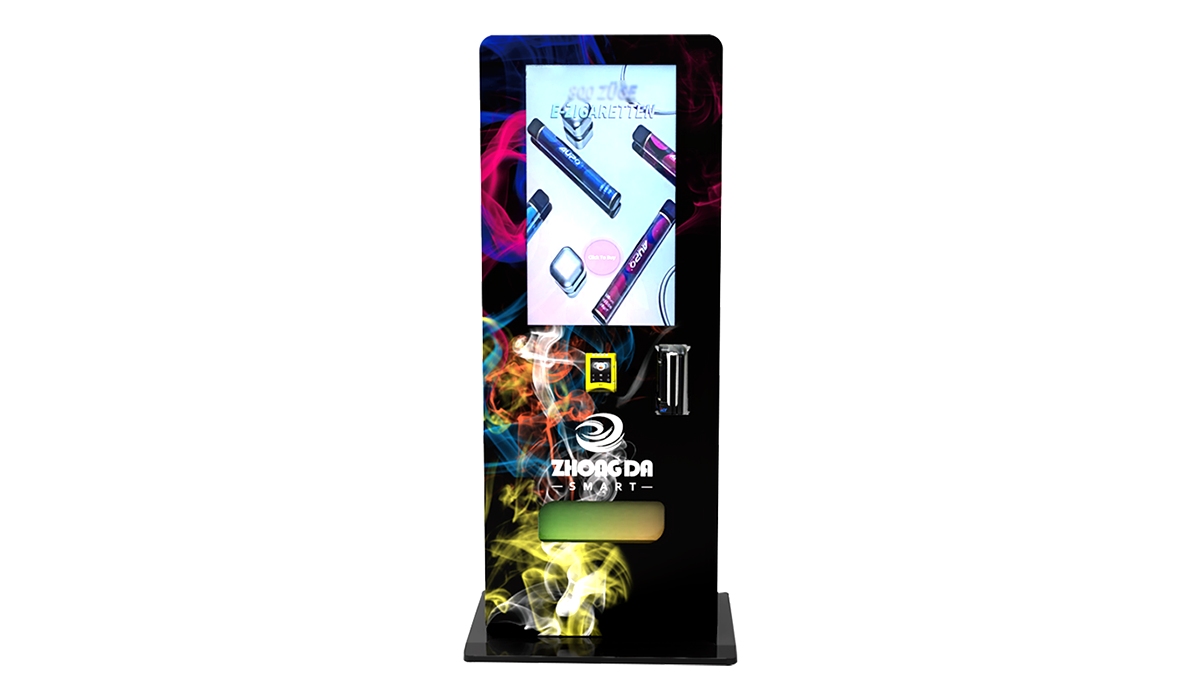
If you are considering a self-service kiosk or an automated retail system, the payment requirements are different. Kiosks often have larger screens and more complex software. They may need readers that support age verification or custom pricing for different products. The cost for a kiosk card reader can be higher, often $600 to $1,200, because it needs to integrate with a more advanced operating system.
However, the revenue potential is also higher. I have seen kiosks in transit hubs generate €3,000 to €5,000 per month. If you are going into automated retail, do not skimp on the payment system. A cheap reader in a kiosk will create a poor customer experience and hurt your brand.
Comparing Supplier Options for Card Readers
When I look for card readers, I evaluate suppliers based on three criteria: hardware reliability, software ecosystem, and customer support. I have worked with several global brands, and I have also tested readers from Zhongda Smart. Their readers are well-built, support all major payment methods, and integrate easily with their own vending machines. If you are buying a new machine, I recommend asking the manufacturer if they offer a bundled payment solution. It simplifies installation and reduces compatibility risks.
For standalone readers, look for suppliers that offer a warranty of at least two years. Avoid suppliers that do not have a local service center in your country. If the reader breaks and you have to ship it overseas for repair, you will be out of business for weeks.
How to Avoid Common Payment System Mistakes
I have seen too many operators make the same mistakes. Here are the most common ones and how to avoid them.
Buying a Reader Without Checking the Machine's Voltage
Some older machines run on 24V, while newer ones use 12V or 5V for the control board. If you plug a 24V reader into a 12V system, it may not work or may be damaged. Always check the voltage requirements.
Ignoring Security Certifications
In Europe, card readers must be PCI-DSS compliant and have EMV certification. In the US, they need to be EMV certified as well. If your reader is not certified, you are liable for fraud losses. Do not buy uncertified readers, even if they are cheap.
Not Testing the Reader Before Installing
I always test a new reader on the bench before installing it in a machine. I plug it into the machine, run a test transaction, and check that the machine vends properly. This simple step has saved me hours of troubleshooting later.
FAQ: Best Vending Machine Card Reader Cost in 2026
Are vending machines still profitable with card readers?
Yes, they are more profitable than cash-only machines. Card readers increase sales by 20% to 40% on average. The added cost of the reader is easily recovered within the first few months if the location has decent traffic.
How much does a vending machine card reader cost in 2026?
Hardware costs range from $250 to $800 for most applications. Premium readers for kiosks can cost up to $1,200. The best vending machine card reader cost in 2026 depends on your specific needs, but I recommend budgeting at least $500 per machine for a reliable mid-range reader.
How long does it take to recover the cost of a card reader?
In a good location, a card reader pays for itself in 2 to 4 weeks through increased sales. In slower locations, it may take 2 to 3 months. I have never had a reader that did not pay for itself within six months.
Should a beginner buy or lease a card reader?
I recommend buying. Leasing often comes with higher long-term costs and restrictive contracts. If you buy a quality reader, it will last for 5 to 7 years. The best vending machine card reader cost in 2026 is a purchase, not a lease.
Where should I place a machine to maximize card reader usage?
Places where people do not carry cash. Universities, hospitals, corporate offices, gyms, and transit stations are ideal. Avoid locations where the average customer age is over 65 unless you also accept cash.
What permits do I need for a card reader?
In most US states and EU countries, you need a business license and a merchant account. Some locations require a sales tax permit. Check with your local business registration office. In France, you may need to register with the Centre de Formalités des Entreprises.
How do I choose a reliable card reader supplier?
Look for suppliers with local support, a two-year warranty, and certified hardware. I have had good experiences with Zhongda Smart for integrated solutions. For standalone readers, check reviews from other operators on industry forums.
What happens if the card reader breaks?
Most issues can be diagnosed remotely. If the reader is under warranty, the supplier will send a replacement. I always keep one spare reader in my vehicle so I can swap it out immediately. Downtime is lost revenue.
How can I reduce maintenance and restocking costs?
Use a remote management platform to track inventory and sales. This allows you to restock only when needed. Also, choose a reader with a proven track record to minimize vending machine repair calls. The best vending machine card reader cost in 2026 is one that reduces your overall operational burden.
Final Thoughts on the Best Vending Machine Card Reader Cost in 2026
I have been in this business long enough to know that the payment system is the heart of a modern vending operation. The best vending machine card reader cost in 2026 is not a single number. It is a balance between upfront hardware cost, ongoing fees, reliability, and customer experience. Do not chase the cheapest option. Do not ignore software and connectivity costs. And do not underestimate the value of a reader that works every time, every day.
If you are just starting out, buy a mid-range reader from a reputable supplier. Test it thoroughly before deploying. Keep a spare reader on hand. And always track your sales data to see if a location is worth keeping. This business is about margins, and the right card reader can make or break your profitability. I hope this guide helps you make a smarter investment.
Article updated: March 2026. Data and pricing reflect market conditions at the time of writing. Actual costs may vary based on location, supplier, and currency fluctuations. This article is based on personal experience and publicly available industry data. No guarantee of specific financial returns is made. Always conduct your own due diligence before purchasing equipment.