How to Choose the Right Vending Machines For Sale Las Vegas_ Complete Beginner's Guide
If you are searching for vending machines for sale Las Vegas, you are likely trying to figure out whether this business actually works in a city known for high foot traffic, tourism, and 24-hour activity. I have spent over a decade in automated retail across the U.S. market, and I can tell you straight: Las Vegas presents a unique mix of opportunity and risk. The Strip looks lucrative, but lease rates and competition can kill your margins. Meanwhile, industrial parks, medical offices, and apartment complexes in the suburbs often deliver steadier returns. This guide walks you through what to look for, what to avoid, and how to evaluate a machine before you hand over any money.
Understanding the Vending Machine Business in Las Vegas
Las Vegas is not like other cities. The economy runs on tourism, hospitality, and shift work. People are on the move at all hours, and cashless payment is the norm. If you plan to place machines here, you need to think about who your customer is. A tourist on the Strip wants cold drinks and snacks at 2 AM. A nurse working a night shift at a suburban clinic wants healthy options and coffee. A warehouse worker wants energy drinks and protein bars. Each location demands a different product mix and machine type.
Over the years, I have seen newcomers buy a generic snack machine, place it in a low-traffic lobby, and wonder why they are losing money. The problem is rarely the machine itself. It is the location, the payment system, and the lack of regular service. In Las Vegas, temperatures can exceed 110°F in summer. If your machine is outdoors or in an unairconditioned space, you need a unit rated for high heat. Otherwise, you will deal with melted chocolate, spoiled food, and frequent breakdowns.
Is There Real Money in Vending Machines?
Yes, but the numbers vary widely based on location and execution. Based on my own experience and industry data from the National Automatic Merchandising Association (NAMA), a well-placed machine in a mid-traffic location can generate between $300 and $800 per month in revenue. High-traffic locations like hotels or break rooms in large offices can push that to $1,200 or more. Gross margins on snacks and drinks typically range from 25% to 35% after product cost. That means a machine doing $600 per month might leave you with $180 to $210 before expenses like rent, credit card fees, and restocking labor.
A report from IBISWorld (2024) on the vending machine industry in the U.S. shows that the average profit margin for operators is around 6% to 8% after all costs. That sounds low, but operators who run multiple machines in good locations and manage their routes efficiently can see much higher returns. The key is volume and route density. One machine in a bad spot will lose money. Ten machines in good spots within a 5-mile radius can be profitable.
Key Factors to Evaluate Before Buying a Machine
Location Quality Over Everything
I cannot stress this enough. A brand new machine with all the bells and whistles will fail in a dead location. Before you even look at vending machines for sale Las Vegas, spend time scouting locations. Look for places with at least 100 people passing through daily. Break rooms, warehouse floors, hospital waiting areas, college common areas, and apartment complex laundry rooms are solid candidates. Avoid locations where people have easy access to a convenience store or cafeteria within a two-minute walk.
One mistake I made early on was placing a machine in a small office building with only 30 employees. The machine barely covered the credit card processing fees. I moved it to a manufacturing plant with 200 shift workers, and revenue tripled within the first month. The machine did not change. The location did.
Machine Type and Configuration
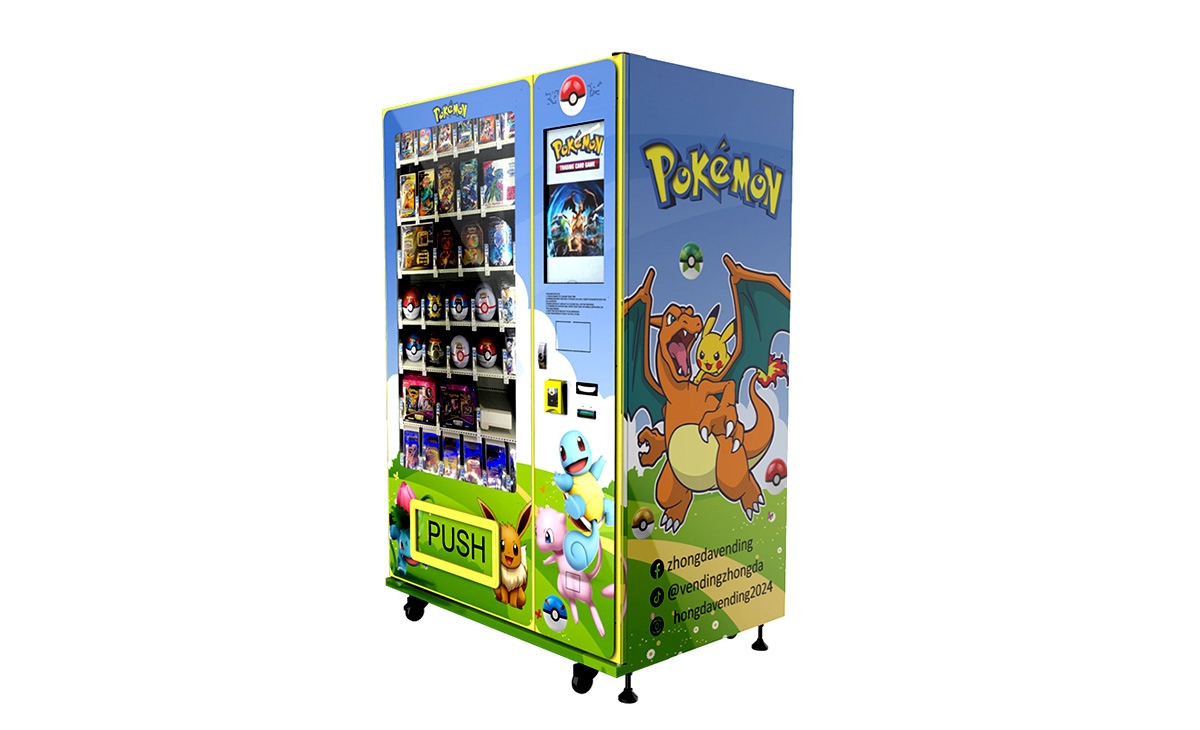
Not all machines are built the same. For Las Vegas, I recommend machines with a refrigerated section if you plan to sell drinks or perishable items. Combination machines that offer snacks and cold drinks in one unit work well in smaller locations. For high-traffic spots, a dedicated glass-front snack machine plus a separate cold drink machine gives you more capacity and fewer restocking trips.
Payment systems are another critical factor. In 2025, if your machine only takes cash, you are leaving money on the table. According to a 2023 study by Statista, over 80% of in-store transactions in the U.S. are cashless. In Las Vegas, that number is even higher. Make sure the machine comes with a card reader that supports credit cards, Apple Pay, and Google Pay. Some newer machines also support mobile app payments and dynamic pricing, which can help you adjust prices based on demand.
New vs. Used Machines
New machines cost between $3,000 and $8,000 depending on features and brand. Used machines can be found for $1,000 to $3,000, but you need to inspect them carefully. I have bought used machines that looked fine but had corroded cooling systems or outdated payment boards that were expensive to replace. If you are a beginner, buying a new or refurbished machine from a reputable supplier is often worth the extra cost. You get a warranty, modern payment systems, and fewer headaches in the first year.
When evaluating vending machines for sale Las Vegas, pay attention to the manufacturer. Zhongda Smart is one supplier I have seen deliver reliable units for the U.S. market. Their machines come with modern card readers, energy-efficient cooling, and telemetry systems that let you monitor inventory and sales remotely. That last feature alone can save you hours of driving to check a machine that is only half empty.
Cost Breakdown and Return on Investment
| Expense Category | Estimated Cost Range | Notes |
|---|---|---|
| New machine (snack/drink combo) | $3,500 – $7,000 | Includes warranty, modern payment system, telemetry |
| Used machine | $1,000 – $3,000 | May need repairs, outdated payment system |
| Installation and delivery | $200 – $500 | Depends on location and machine weight |
| Location commission/rent | 5% – 15% of gross sales | Negotiable; high-traffic locations demand more |
| Product cost (initial stock) | $500 – $1,200 | Varies by machine capacity and product mix |
| Monthly credit card fees | 2% – 4% of card sales | Most sales will be cashless |
| Monthly restocking labor | $100 – $300 | Per machine, depending on route distance |
| Maintenance and repairs (annual) | $200 – $600 | Higher for used machines or outdoor units |
Based on these numbers, a new machine in a decent location might cost around $5,000 to set up. If it generates $600 per month in sales with a 30% gross margin, that is $180 per month before location commission, fees, and labor. After those costs, you might net $80 to $120 per month per machine. That gives a payback period of roughly 3 to 5 years. In a high-traffic location with $1,200 in monthly sales, the payback can drop to 18 months. These are realistic estimates based on my experience and conversations with other operators in the Southwest.
Common Beginner Mistakes and How to Avoid Them
Buying the Cheapest Machine Available
I have seen beginners buy a $800 used machine from a classified ad only to spend another $1,200 on repairs and lost sales within six months. Cheap machines often have broken cooling systems, outdated locks, and no telemetry. You end up guessing when to restock, which means you either run out of product or waste time checking a full machine. Spend more upfront for a reliable unit. It pays off.
Ignoring the Payment System
In Las Vegas, tourists and locals alike expect to tap their phone or card. If your machine only takes cash, you lose a significant portion of sales. I have placed machines that went from $200 per month to $600 per month just by upgrading the payment system. Do not skip this.
Overpaying for Location Access
Some location owners will ask for 20% to 30% of gross sales. That is too high unless the location guarantees extremely high volume. For most spots, 5% to 10% is reasonable. If the owner insists on more, walk away. There are plenty of locations that will accept a fair deal.
Neglecting Regular Service
A machine that looks dirty or has empty slots will lose customers fast. Restock at least once a week for medium-traffic locations, and twice a week for high-traffic spots. Clean the machine exterior and the area around it. First impressions matter, especially in a city where cleanliness standards are high.
Best Locations for Vending Machines in Las Vegas
Not every location is equal. Here are the types of spots that tend to perform well in the Las Vegas area:
- Industrial parks and warehouses: High employee density, limited break options, and shift workers who need quick snacks and drinks.
- Medical offices and hospitals: Staff and patients often need food and drinks at odd hours. Cafeterias close early, but vending machines stay open.
- Apartment complexes: Especially buildings with no nearby convenience store. Laundry rooms and mail rooms work well.
- Colleges and trade schools: Students are a captive audience. Machines near classrooms or common areas see steady traffic.
- Hotels off the Strip: Budget and mid-range hotels often lack 24-hour dining. A vending machine in the lobby can serve guests who arrive late.
Avoid placing machines in locations with heavy existing competition, such as a break room that already has two machines from another operator. Also avoid locations where the owner is indifferent or unresponsive. You need a contact person who will let you in for restocking and address issues quickly.
How to Evaluate a Vending Machine Supplier
When you search for vending machines for sale Las Vegas, you will find many suppliers. Some are local, some are national, and some are overseas. Here is what I look for:
- Warranty and support: A reputable supplier offers at least a one-year warranty on parts. They should also have a support line that responds within 24 hours.
- Payment system compatibility: Make sure the machine supports U.S. credit card processors and cashless payment standards. Some imported machines require adapters or custom setups.
- Telemetry and remote monitoring: This is no longer a luxury. Machines with built-in telemetry let you see sales data, inventory levels, and error codes from your phone. It saves time and money.
- Local service network: If the machine breaks down, you do not want to wait weeks for a technician. Ask the supplier if they have service partners in Nevada.
- Customization options: Some locations require specific branding, color schemes, or product configurations. A flexible supplier can accommodate that.
Zhongda Smart is one supplier that meets these criteria for the U.S. market. They offer machines with modern payment systems, remote monitoring, and energy-efficient cooling. Their units are designed for high-temperature environments, which matters in Las Vegas. I have seen their machines operate reliably in desert conditions with minimal issues. That said, always do your own due diligence. Ask for references, read reviews, and if possible, visit a showroom or request a demo unit before committing to a bulk order.
Operational Tips for Long-Term Success
Once you have your machine placed, the real work begins. Here are practical tips I have learned over the years:
- Track your sales data: Use the telemetry system to see which products sell and which sit for weeks. Rotate slow-moving items out. In Las Vegas, cold drinks and water sell year-round. Snack preferences shift by season.
- Adjust prices based on location: A machine in a hotel lobby can charge higher prices than one in an employee break room. Tourists expect to pay a premium. Employees do not.
- Keep spare parts on hand: A stuck vend motor or a faulty temperature sensor can take a machine offline for days. Keep common spare parts in your car or storage. It reduces downtime.
- Build relationships with location owners: A friendly operator who communicates regularly is less likely to be replaced. Offer to provide a small commission or free product for the staff. It goes a long way.
- Plan your routes efficiently: Cluster your machines within a small geographic area. Driving 30 miles to restock one machine eats into your profit. Aim for a route radius of 10 to 15 miles.
Frequently Asked Questions
Are vending machines profitable in Las Vegas?
Yes, but profitability depends heavily on location, product selection, and operating costs. A well-placed machine in a high-traffic location can generate $600 to $1,200 per month. After product costs, location commission, credit card fees, and restocking labor, net profit per machine typically ranges from $80 to $200 per month. Multiple machines in good locations improve overall returns.
How much does a vending machine cost?
A new machine costs between $3,000 and $8,000 depending on features, size, and brand. Used machines range from $1,000 to $3,000 but may require repairs or upgrades. Total setup cost including delivery, installation, and initial inventory is usually between $4,000 and $6,000 for a new unit.
How long does it take to recoup the investment?
In a moderate location, expect a payback period of 3 to 5 years. In a high-traffic location with strong sales, payback can occur in 18 to 24 months. These estimates assume consistent sales and minimal repair costs. Location performance varies.
Should a beginner buy or lease a vending machine?
Buying is generally better for long-term ownership. Leasing may reduce upfront cost but often comes with higher total cost over time and restrictions on customization. If you are unsure, consider buying one machine first to test the market before scaling.
Where should I place a vending machine for best results?
Industrial parks, medical offices, apartment complexes, colleges, and hotels off the Strip are strong candidates. Look for locations with at least 100 daily passersby, limited nearby food options, and a cooperative property owner. Avoid locations with existing vending machines from other operators unless there is clear unmet demand.
What permits or licenses do I need in Las Vegas?
You need a Nevada business license and a Clark County business license. If you sell food items, you may also need a food establishment permit from the Southern Nevada Health District. Check local zoning laws for your specific location. Requirements vary by city and county.
How do I choose a vending machine supplier?
Look for suppliers that offer a clear warranty, modern payment systems, remote monitoring, and local service support. Ask for references and check reviews. Zhongda Smart is one supplier that meets these standards for the U.S. market, but always compare multiple options before deciding.
What happens if the machine breaks down?
Most reputable suppliers offer a warranty that covers parts for at least one year. For issues outside warranty, you will need a local technician or repair service. Keeping common spare parts on hand reduces downtime. Machines with telemetry can alert you to problems early.
How can I reduce restocking and maintenance costs?
Use machines with telemetry to monitor inventory remotely. Plan your routes to cover multiple machines in a small area. Stock products that sell quickly to reduce waste. Clean and maintain machines regularly to prevent major breakdowns. Buying reliable equipment upfront also lowers long-term maintenance costs.
Final Thoughts
Starting a vending machine business in Las Vegas is not a get-rich-quick scheme. It is a solid small business that rewards patience, good location scouting, and consistent service. The machines themselves are tools. Your success depends on where you put them, how you stock them, and how well you maintain them. If you are looking at vending machines for sale Las Vegas, take the time to evaluate the equipment, the supplier, and the location before you commit. One good machine in a great spot is better than ten machines in bad spots. Move carefully, track your numbers, and scale only when you have a system that works.
This article was updated in January 2025. Data and estimates are based on the author's operational experience and publicly available industry reports. Individual results may vary. Always consult a local business advisor or legal professional before making investment decisions.