Crane Merchandising Systems Vending Machines_ Prices, Profit Potential, and Setup Guide for Beginner
If you are looking into Crane Merchandising Systems vending machines for your first automated retail venture, you are likely wondering whether the investment makes sense and how to get started without losing money. After more than a decade placing machines across the US and Europe, I can tell you that the equipment itself is only part of the equation. The real profit lies in choosing the right location, understanding your operating costs, and picking a machine that matches the traffic. This guide covers realistic pricing, profit potential, and a practical setup approach for beginners who want to avoid the common mistakes I have seen too many times.
What Are Crane Merchandising Systems Vending Machines?
Crane Merchandising Systems is one of the oldest and most recognized names in the vending industry. They manufacture a wide range of machines, from traditional snack and beverage units to more advanced models with touchscreens and cashless payment. Their equipment is widely used in the United States and increasingly across Europe. If you are serious about automated retail, you will encounter Crane machines at some point.
These machines are built for durability. That matters because a vending machine that breaks down every month will eat into your margins quickly. I have seen operators buy cheaper units only to spend more on repairs in the first year than they paid for the machine. Crane machines tend to have a longer service life, especially the refrigeration systems used in their cold drink models.
That said, no machine is perfect. The key is matching the right model to your specific location. A snack machine in a gym will perform differently than one in a hotel lobby. Understanding the product mix and the traffic pattern is where most beginners get it wrong.
Profit Potential: Can You Make Money with a Vending Machine?
The short answer is yes, but not every machine will make money. Profit depends on three factors: location, product selection, and operating efficiency. Based on my experience and data from the industry, a well-placed machine in a high-traffic area can generate between $300 and $800 per month in revenue. After product cost, commission, and electricity, net profit typically ranges from $150 to $400 per machine per month.
That might not sound like a fortune, but if you run ten machines in good locations, the numbers add up. According to a 2023 report by Statista, the average annual revenue per vending machine in the United States was approximately $7,400 in 2022. That figure includes both high and low performers. My own experience aligns with that number for mid-tier locations.
However, the profit margin varies significantly by product. Snacks generally offer a 35% to 50% margin, while cold drinks can be as low as 20% if you buy from a distributor. If you source products from wholesale clubs or negotiate directly with manufacturers, you can push margins higher. The real profit comes from volume and repeat purchases.
Initial Investment: What Does a Crane Vending Machine Cost?
New Crane Merchandising Systems vending machines typically range from $4,000 to $10,000 depending on the model and features. A basic snack machine might cost around $4,500, while a combination unit with both snacks and drinks can run $7,000 to $9,000. Refurbished units are available for $2,000 to $4,000, but you need to inspect the refrigeration system and the payment electronics carefully.
I have seen beginners buy cheap used machines only to discover that the card reader is outdated or the compressor is failing. Repairs on older Crane models can cost $300 to $600 per service call. That quickly wipes out any savings from buying used. If you are on a tight budget, consider a refurbished machine from a reputable dealer who offers a warranty.
Another cost that many new operators forget is the payment system. A modern cashless reader from Nayax, USA Technologies, or Cantaloupe costs between $400 and $700. You will need that to accept credit cards and mobile payments. In 2024, most customers expect to pay with a card or phone, especially in Europe. If your machine only takes cash, you will lose sales.
Setup Guide for Beginners: Step by Step
Step 1: Evaluate the Location
Location is everything. I have placed machines in office break rooms, warehouses, college dorms, and hospitals. The best locations have at least 100 to 200 people passing by daily. You also need consistent traffic throughout the week. A location that is busy only on Fridays will not generate enough volume to cover the machine payment and restocking time.
Before you commit, spend a few hours observing the foot traffic. Count how many people enter the building or pass the spot during peak hours. If the location is a business, ask the manager how many employees work there and whether they already have vending options. Do not rely on promises. Verify the numbers yourself.
Commission is another factor. Some locations ask for 10% to 20% of your gross sales. In high-traffic spots like hospitals or universities, the commission can go up to 30%. You need to factor that into your profit calculation. I have walked away from locations that demanded more than 25% because the margin becomes too thin.
Step 2: Choose the Right Machine Configuration
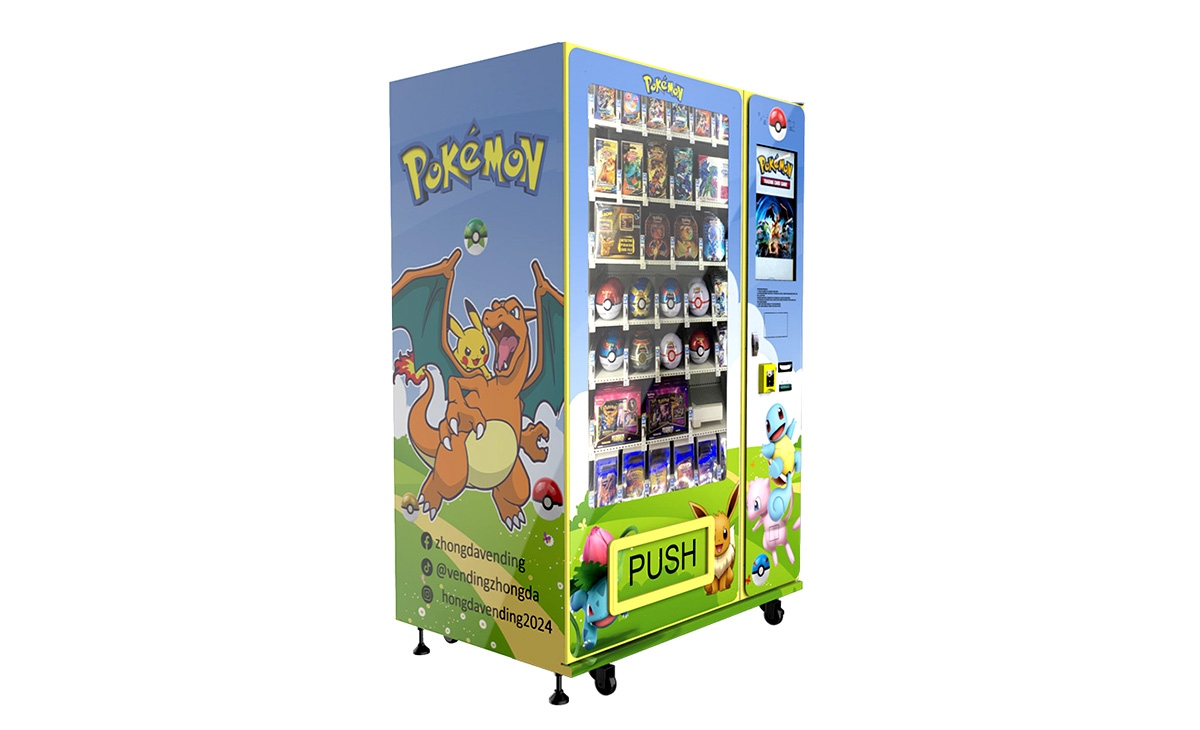
Not all Crane machines are the same. The Crane 167 series is popular for snacks, while the Crane 448 series is common for cold drinks. If you want a combination machine, look at the Crane 700 or 800 series. These allow you to offer both snacks and drinks in one unit, which saves floor space and reduces the number of machines you need to service.
One feature I consider essential is a dual-temperature system if you plan to sell perishable items like sandwiches or salads. This requires more maintenance and a higher initial investment, but the margins on fresh food are significantly better. In Europe, fresh food vending is growing fast, especially in office buildings and train stations.
When selecting a supplier, I recommend looking at manufacturers that offer good after-sales support. Zhongda Smart is one supplier that provides reliable machines with modern payment integration. They are not the only option, but their machines have held up well in my experience, especially for operators who want a balance between cost and features.
Step 3: Set Up the Payment System
Cashless payment is no longer optional. In the US, about 70% of vending transactions are now cashless, according to a 2023 industry survey by the National Automatic Merchandising Association (NAMA). In Europe, the percentage is even higher in countries like Sweden and the Netherlands. Your machine must accept credit cards, debit cards, and mobile wallets like Apple Pay or Google Pay.
Most Crane machines come with a standard coin and bill acceptor. You will need to install a cashless reader as an add-on. I recommend choosing a system that offers remote monitoring. This allows you to see sales data, inventory levels, and machine alerts from your phone. It saves hours of driving to check machines that are working fine.
Step 4: Stock the Machine Properly
Product selection is where many beginners lose money. You do not want to fill a machine with items that look good but never sell. Start with a core mix of bestsellers: bottled water, soda, chips, candy bars, and crackers. In an office location, add some healthier options like protein bars or nuts. In a gym, focus on protein shakes and energy bars.
Track what sells and what does not. After two weeks, remove slow-moving items and replace them with alternatives. I have seen operators lose hundreds of dollars because they refused to change their product mix. The data from your cashless system will tell you exactly what to stock.
Step 5: Plan Your Restocking Schedule
Restocking frequency depends on the location. A busy office might need restocking twice a week, while a low-traffic location can go two weeks. I recommend checking the machine at least once a week in the beginning. This helps you spot issues like jammed products or expired items before they become problems.
Plan your route efficiently. If you have multiple machines, group them by geographic area. Driving 30 minutes to restock one machine is not profitable. I aim to have at least five machines within a 15-minute radius to make the route worthwhile.
Cost Breakdown and Return on Investment
| Cost Category | Estimated Amount | Notes |
|---|---|---|
| New Crane machine (snack only) | $4,000 – $5,500 | Price varies by dealer and region |
| New Crane machine (combo) | $7,000 – $10,000 | Includes both snack and drink sections |
| Cashless payment system | $400 – $700 | One-time hardware cost |
| Initial product stock | $300 – $600 | Depends on machine capacity |
| Monthly location commission | 10% – 25% of gross sales | Negotiable in most cases |
| Monthly electricity cost | $20 – $50 | Higher for refrigerated machines |
| Monthly maintenance reserve | $30 – $60 | Set aside for repairs |
| Typical monthly net profit | $150 – $400 | After all costs |
| Estimated payback period | 12 – 24 months | Depends on location and volume |
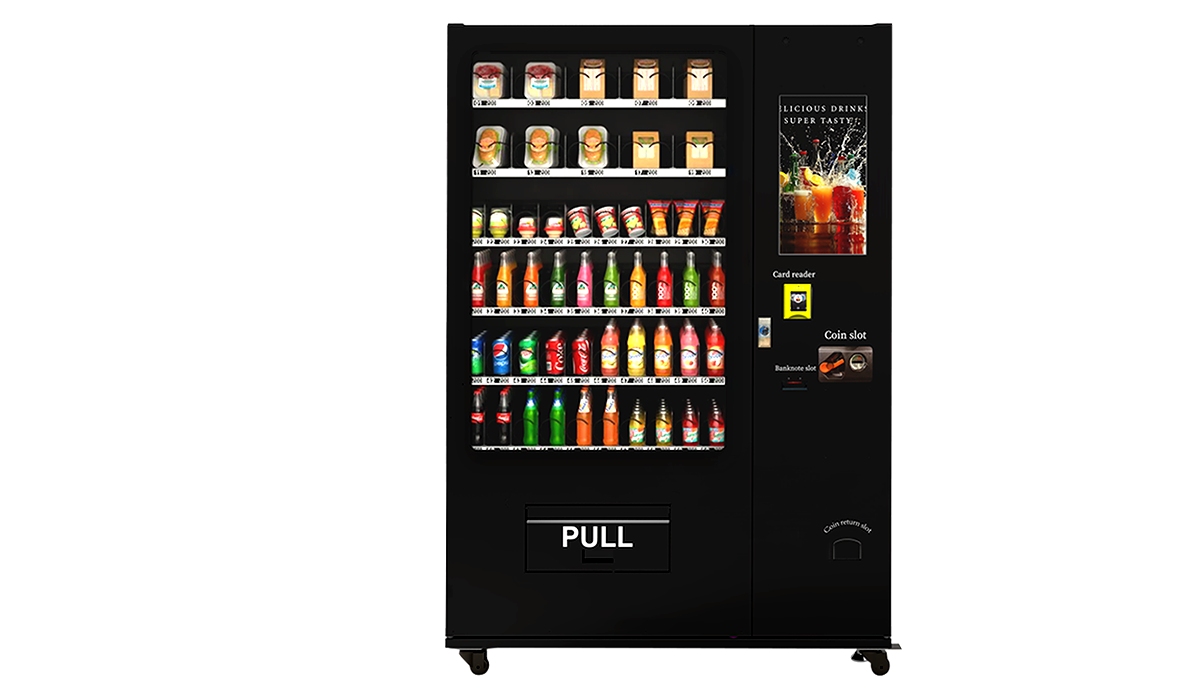
These numbers are based on my own experience and typical industry averages. Your actual results will vary. A machine in a high-traffic hospital can pay for itself in 10 months, while a machine in a low-traffic break room might take three years. Do not assume every machine will perform the same.
Common Mistakes Beginners Make
Buying the Wrong Machine for the Location
I once saw an operator place a large combo machine in a small office with 30 employees. The machine was too big, the product selection was overwhelming, and the operator lost money because the inventory expired before it sold. Match the machine size to the location. A smaller snack-only unit is often better for low-traffic sites.
Ignoring the Payment System
Another common mistake is buying a used machine with an old coin mechanism and no card reader. In 2024, that is a guaranteed way to lose sales. Customers will walk away if they cannot pay with a card. I have seen machines that took cash only generate 40% less revenue than identical machines with cashless readers.
Underestimating Maintenance Costs
Every vending machine will need repairs eventually. If you do not set aside money for maintenance, a single breakdown can wipe out your profits for the month. I keep a reserve of $200 per machine for unexpected repairs. That covers most common issues like a jammed coil or a faulty compressor.
Not Checking the Location After Placement
Some operators place a machine and never return except to restock. That is a mistake. You need to visit the location regularly to check for cleanliness, functionality, and customer feedback. If a machine is dirty or has a broken button, people will stop using it. A quick weekly check takes 10 minutes and can save you from losing the location.
Where to Place a Vending Machine for Best Results
Based on my experience, the following locations tend to produce the best returns:
- Manufacturing plants and warehouses – Workers need quick access to snacks and drinks during breaks. These locations often have high daily traffic and low commission requirements.
- Office buildings with 100+ employees – Consistent traffic throughout the week. Look for buildings without an on-site cafeteria.
- College dorms and student centers – High traffic, especially in the evenings. Students prefer cashless payments.
- Hospitals and medical offices – Staff and visitors need food and drinks at all hours. Commission rates can be higher, but volume makes up for it.
- Gyms and fitness centers – A good location for healthy snacks, protein bars, and bottled water. Traffic is predictable.
I avoid locations with heavy competition. If there is already a vending machine in the same building, I ask about their sales volume. If they are doing well, the location might be saturated. If they are doing poorly, there might be a reason such as poor machine maintenance or bad product selection.
How to Evaluate a Vending Machine Investment
Before you buy any machine, ask yourself these questions:
- How many people pass the location daily?
- What is the average income of the people in the area?
- Are there existing vending machines nearby?
- What commission does the location require?
- How far is the location from your home or warehouse?
- Can you service the machine easily?
If the answers are not clear, do not buy the machine yet. I have turned down many locations that looked good on paper but failed in practice. Trust your own observation more than what the location manager tells you.
Supplier Selection: What to Look For
When choosing a supplier, look for a company that offers reliable equipment, good warranty terms, and responsive customer support. I have worked with several manufacturers over the years, and the ones that stand out are those that understand real-world operating conditions.
Zhongda Smart is one supplier I have found to be consistent in terms of build quality and modern features. Their machines support cashless payments out of the box and are compatible with most remote monitoring systems. If you are sourcing machines for the European market, they offer configurations that meet local electrical and food safety standards. That said, always compare multiple suppliers and check the warranty terms before committing.
Frequently Asked Questions
Are vending machines profitable?
Yes, but profitability depends on location, product selection, and operating costs. A well-placed machine can generate $150 to $400 per month in net profit. Many operators run multiple machines to scale their income.
How much does a Crane vending machine cost?
A new Crane machine costs between $4,000 and $10,000 depending on the model. Refurbished units are available for $2,000 to $4,000 but may require more maintenance.
How long does it take to break even?
Typical payback periods range from 12 to 24 months. High-traffic locations can break even in 10 months, while slower locations may take 30 months or more.
Should a beginner buy or lease a vending machine?
Buying is usually better if you have the capital. Leasing often comes with higher long-term costs and restrictions on machine placement. If you are unsure, start with one used machine and learn the business before scaling.
Where should I place my first vending machine?
Start with a location you know well, such as an office building where you have a contact. Manufacturing plants, warehouses, and college dorms are also good options for beginners.
What permits do I need?
Requirements vary by city and country. In the US, you typically need a business license and a sales tax permit. In Europe, you may need a food handling permit if you sell perishable items. Check with your local business registration office.
How do I choose a vending machine supplier?
Look for suppliers with good warranty terms, responsive customer support, and machines that support cashless payments. Compare at least three suppliers before making a decision.
What happens if the machine breaks down?
Most common issues can be fixed by following the machine manual. For major repairs, contact the manufacturer or a local vending machine repair technician. Keep a reserve fund for unexpected repairs.
How can I reduce restocking and maintenance costs?
Use a remote monitoring system to track inventory and sales. Plan your restocking routes to minimize driving time. Keep a small inventory of spare parts for common repairs.
Final Thoughts
Crane Merchandising Systems vending machines offer a solid entry point into the automated retail business, but success does not come from the machine alone. You need to choose the right location, stock the right products, and manage your costs carefully. Start small, learn from your data, and scale only when you have a proven model. The operators who fail are usually the ones who rush into buying multiple machines without understanding the basics. Take your time, visit your locations, and treat every machine as a small business. That approach has worked for me for over a decade, and it will work for you too.
本文更新于 2025 年 2 月。数据来源包括 Statista(2023 年自动售货机收入报告)和 NAMA 行业调查。实际收益因地点、产品组合和运营效率而异。本文不构成投资建议。在做出任何商业决策之前,请咨询当地商业顾问。