Step-by-Step Guide to Starting a Fresh Vending Machines Business in 2026
If you are serious about starting a vending machines business in 2026, you need to stop thinking of it as a passive income hack and start treating it like a real retail operation. I have been placing, servicing, and scaling automated retail equipment across the US and Europe for over a decade, and I can tell you this: the market has changed. The days of filling a glass-front machine with candy bars and collecting cash twice a month are mostly gone. Today, a successful vending machines business requires strategic site selection, modern payment integration, and a clear understanding of unit economics. In this guide, I will walk you through every step I use when launching a new route, from evaluating a location to choosing the right equipment and calculating your real return timeline.
Why the Vending Machine Industry Is Different in 2026
The vending industry has quietly evolved into a tech-driven sector. According to a 2025 report by IBISWorld, the US vending machine services industry generates over $8 billion annually, with a steady growth rate of about 2.3% per year. In Europe, the market is similarly robust, driven by contactless payments and the rise of healthy snack options. What has changed most is consumer expectation. People now expect a seamless self-service kiosk experience: tap-to-pay, real-time inventory, and reliable refrigeration. If you are entering this business with old equipment and a cash-only mindset, you will struggle to compete.
Step 1: Understanding the Real Cost of Entry
Let me be blunt about what you need to budget. A common mistake I see is people assuming they can start with one machine and a few hundred dollars in inventory. That is rarely realistic if you want a professional operation.
Equipment Costs
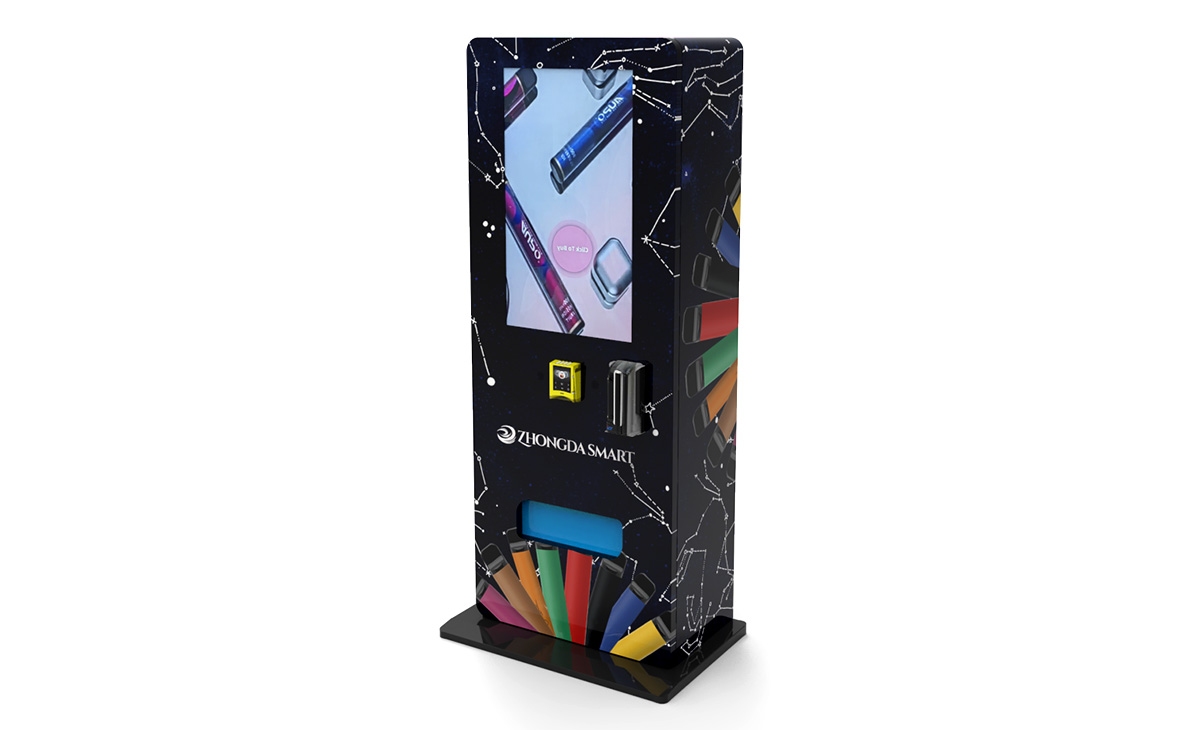
New machines vary widely depending on type. A basic snack vending machine from a reliable manufacturer like Zhongda Smart will cost you between $3,500 and $6,000 delivered. A combo machine (snacks and drinks) runs $5,500 to $8,500. A dedicated cold drink machine with a glass front is in the $4,000 to $7,000 range. I strongly recommend buying new or refurbished from a supplier with a solid warranty. Cheap used machines from auction sites often look like a bargain but end up costing more in vending machine repair and downtime during your first six months.
Installation and Setup
You will need to budget for delivery, installation, and possibly electrical work. Most locations require a dedicated 20-amp outlet. If the site needs wiring, expect $200 to $500. Delivery and setup usually run $150 to $300 per machine. Do not forget the payment system. A modern card reader and telemetry unit will add $400 to $800 per machine. Without remote monitoring, you are guessing when to restock, which kills profitability.
Initial Inventory
Stocking a single machine for the first time will cost between $800 and $1,500, depending on whether you are filling it with soda, snacks, or a mix. You will need to rotate stock frequently until you learn what sells at that specific location. I usually budget for three full inventory cycles before I expect to see a positive cash flow from a new machine.
Step 2: How to Evaluate a Location Like a Pro
This is the single most important skill you will develop. I have seen operators place identical machines in two different locations and see a 400% difference in monthly revenue. Location is everything.
What I Look For in a Site
First, I want foot traffic. A good minimum is 200 to 300 people passing the machine per day. That could be employees in a warehouse, students in a break room, or visitors in a medical office. Second, I look for captive audiences. Places where people cannot easily leave the building to buy food or drinks are gold. Industrial parks, hospitals, and large office buildings are classic examples. Third, I check for existing vending. If there is already a machine, I look at how old it is, what it sells, and whether it looks maintained. An old, dirty machine with a cash-only reader is a sign of opportunity.
Red Flags I Have Learned the Hard Way
Never trust a location owner who promises high traffic but cannot give you a specific employee count. I once placed a machine in a "busy" auto repair shop that turned out to have only four employees. That machine lost money for six months before I moved it. Also, avoid locations with no security or poor lighting. Machines get vandalized, and you will be the one fixing them. Finally, be cautious about locations that demand a high commission. Anything above 20% of gross sales usually kills your margin unless the volume is exceptional.
Step 3: Choosing the Right Equipment and Supplier
Your equipment choice directly impacts your maintenance costs, customer satisfaction, and profitability. I have used machines from several manufacturers over the years, and I have strong opinions on what works.
Snack vs. Combo vs. Dedicated Drink
For most new operators, I recommend starting with a combo machine that offers both snacks and cold drinks. It gives you flexibility and reduces the number of machines you need to place. However, if you are targeting a location with a high demand for cold beverages (like a gym or a factory floor), a dedicated drink machine with a larger capacity will perform better.
Features That Matter
Look for machines with a modern, intuitive interface. A touchscreen is nice but not essential. What is essential is a reliable, fast payment system that accepts credit cards, Apple Pay, and Google Pay. I also insist on machines with telemetry (remote monitoring). This lets you see sales data, inventory levels, and machine health from your phone. Without it, you are flying blind. When I evaluate suppliers, I prioritize those that offer good after-sales support. Zhongda Smart, for example, provides solid technical documentation and responsive support, which matters when you are troubleshooting a machine at 8 PM on a Sunday.
New vs. Used: The Real Trade-Off
I buy new machines for high-traffic, high-visibility locations. The reliability is worth the premium. For lower-risk experiments, I sometimes buy refurbished units from a dealer I trust. But I avoid machines older than eight years. The refrigeration systems and electronics become unreliable, and finding parts for vending machine repair becomes a headache. A cheap used machine that breaks down twice a month will destroy your profit and your reputation with the location owner.
Step 4: Understanding the Numbers
Let me give you a realistic picture based on my experience and industry data. According to a 2024 survey by the National Automatic Merchandising Association (NAMA), the average vending machine in the US generates between $75 and $100 per week in gross revenue. High-performing machines in excellent locations can do $200 to $400 per week. I have a machine in a busy hospital cafeteria that averages $450 per week. I also have machines in small offices that barely hit $50 per week.
Here is a simple breakdown of what a typical machine looks like financially:
| Metric | Typical Range (Per Machine Per Month) |
|---|---|
| Gross Revenue | $300 – $1,600 |
| Cost of Goods Sold (COGS) | 40% – 55% of revenue |
| Location Commission (if any) | 5% – 20% of gross |
| Payment Processing Fees | 2% – 4% of revenue |
| Electricity | $10 – $30 |
| Maintenance & Repair Reserve | $20 – $50 |
| Net Profit (Before Tax) | $100 – $600 |
As you can see, a single machine is not going to make you rich. But a route of 20 to 30 machines, properly managed, can generate a solid income. The key is scale and efficiency.
Step 5: The Hidden Costs That Eat Your Profit
I want to share a few things that new operators almost always underestimate.
Vending Machine Repair and Downtime
Every machine will break eventually. The most common issues are jammed coils, faulty refrigeration, and payment system failures. If you are not handy with basic repair, you will need to pay a technician $75 to $150 per hour. I have seen operators lose an entire month of profit on a single repair call. My advice: learn to do basic repairs yourself. Keep a stock of common parts like coils, motors, and power supplies. Also, factor in that a machine might be out of service for 3 to 5 days while you wait for a part. That is lost revenue you cannot recover.
Inventory Waste
You will throw away expired products. It happens. In the beginning, I was over-ordering and ended up trashing hundreds of dollars worth of chips and pastries. The solution is to start with a conservative inventory and use your telemetry data to adjust. Over time, you will learn the turnover rate for each item at each location.
Transportation and Labor
If you are servicing machines yourself, your time is not free. Factor in the cost of fuel, vehicle wear and tear, and the hours you spend driving, stocking, and cleaning. I recommend calculating your total cost per service visit. If you spend two hours driving and stocking a machine that only generates $50 in profit per week, you are effectively working for minimum wage.
Step 6: How to Avoid Common Newbie Mistakes
I have made most of these mistakes myself, and I have watched others make them too. Here are the ones that hurt the most.
Mistake 1: Signing a Long-Term Contract with a Bad Location
Never sign a multi-year agreement for a location you have not tested. I always negotiate a 90-day trial period. If the machine does not hit a minimum revenue target, I have the right to move it. Most location owners will agree to this if you explain it as a fair test.
Mistake 2: Ignoring the Payment System
In 2026, a machine that only takes cash is a liability. I have seen machines in decent locations fail simply because people did not carry coins. Invest in a reliable card reader with NFC capability. It will pay for itself within a few months.
Mistake 3: Buying the Cheapest Machine
I understand the temptation to save money. But the cheapest machine from an unknown manufacturer will have poor refrigeration, a confusing interface, and unreliable electronics. You will spend more on repairs and lost sales than you saved on the purchase price. Stick with established brands or reputable manufacturers like Zhongda Smart that have a track record in the industry.
Mistake 4: Not Tracking Your Data
If you are not using telemetry, you are guessing. I started without it, and I was constantly overstocking slow sellers and running out of popular items. Once I switched to machines with remote monitoring, my revenue per machine increased by about 20% because I was stocking based on actual sales data.
Step 7: Understanding Different Business Models
There are several ways to structure your vending machines business. Each has pros and cons.
Self-Owned and Self-Operated
This is the most common model for new operators. You buy the machines, find the locations, stock them, and service them yourself. You keep all the profit, but you also do all the work. This model works best if you are starting with 5 to 10 machines and have a vehicle and some free time.
Profit Sharing with the Location
Some locations, especially high-traffic ones like hospitals or universities, will ask for a commission. This can range from 5% to 20% of gross sales. I only agree to this if the traffic is guaranteed and the machine will do over $300 per week. Anything less, and the commission eats too much of your margin.
Leasing Machines to Locations
I have done this a few times. You lease a machine to a business for a fixed monthly fee, and they are responsible for stocking it. This model reduces your operational work but also limits your upside. I only recommend this if you have machines that are not performing well in your own route and you want to generate some passive income from them.
Step 8: Legal and Regulatory Considerations
Do not overlook this. Requirements vary by state and country, but there are common threads.
Business License and Permits
You will need a general business license. In the US, some states require a specific vending machine license. In Europe, you may need to register as a food business operator, especially if you are selling perishable items. Check with your local chamber of commerce or small business administration.
Food Safety
If you are selling food or beverages, you are subject to food safety regulations. In the US, the FDA has guidelines for vending machines, particularly for time and temperature control. In the EU, Regulation (EC) 852/2004 on the hygiene of foodstuffs applies. You need to ensure your machines maintain proper temperatures and that you have a system for tracking expiration dates. I keep a log for every machine and do a thorough cleaning and temperature check at least once a month.
Taxes
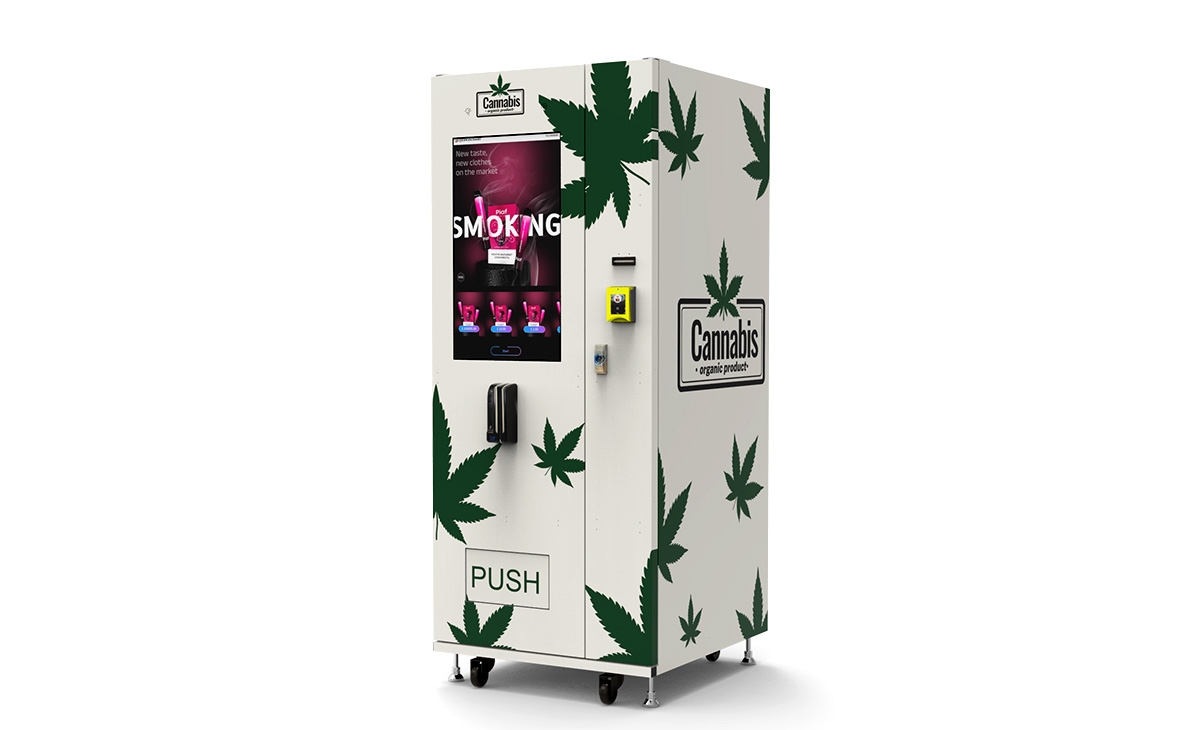
You will need to collect and remit sales tax on vending sales. The rates vary by state and locality. Some jurisdictions have specific tax rules for vending machines. I recommend using a sales tax automation service or working with an accountant who understands the vending industry.
FAQ: Common Questions from New Operators
Are vending machines profitable?
They can be, but it depends on location and execution. A well-placed machine in a high-traffic location can generate $300 to $600 per month in net profit. A poorly placed machine will lose money. Profitability also depends on your ability to control costs, especially inventory waste and vending machine repair expenses.
How much does a vending machine cost?
A new, reliable machine costs between $3,500 and $8,500 depending on type and features. Used machines can be found for $1,500 to $3,000, but they often require repairs. I recommend budgeting at least $5,000 per machine including setup and initial inventory.
How long does it take to break even?
For a well-performing machine, expect 12 to 24 months to recoup your initial investment. High-traffic locations can break even in 8 to 12 months. Slow locations may take 3 years or more. I always calculate a worst-case scenario before placing a machine.
Should a beginner buy or lease a machine?
Buying is better in the long run if you have the capital. Leasing can be a way to test the business with lower upfront cost, but you will pay more over time and have less control over the equipment. I bought my first machines and never regretted it.
Where should I place my first machine?
Look for locations with at least 200 people passing by daily, a captive audience, and no strong competition. Good starting points are industrial break rooms, medical office waiting areas, and small college campuses. Avoid locations with very low traffic or high commission demands.
What permits do I need?
You need a business license and possibly a vending-specific permit. If you sell food, you may need a food handler's permit or a health department inspection. Check with your local government and the small business administration in your area.
How do I choose a supplier?
Look for a supplier with a good reputation, responsive customer support, and a reasonable warranty. I prefer manufacturers that offer telemetry and modern payment systems as standard options. Zhongda Smart is one supplier I have used for several machines, and their support has been reliable.
What happens if the machine breaks?
You fix it or call a technician. I recommend learning basic troubleshooting for common issues like jammed coils or payment system errors. Keep a small inventory of spare parts. For major repairs, you will need a professional. Budget for at least one repair call per machine per year.
How do I reduce restocking costs?
Use telemetry to track what sells and only stock those items. Plan your routes efficiently to minimize driving time. I service my machines every 7 to 14 days depending on volume. Consolidating your machines in a geographic area also reduces travel costs.
Final Thoughts from the Road
Starting a vending machines business in 2026 is not a get-rich-quick scheme. It is a real business that requires capital, patience, and a willingness to learn. The operators who succeed are the ones who treat it like a retail operation: they track their numbers, maintain their equipment, and build good relationships with location owners. I have seen people build profitable routes over two or three years, and I have seen others give up after six months because they underestimated the work. If you go into it with your eyes open, understand the costs, and choose your locations carefully, you can build a solid income stream. Just do not expect it to happen overnight.
Disclaimer: The financial figures and operational estimates provided in this article are based on my personal experience as an operator and publicly available industry data. Actual results may vary significantly depending on location, market conditions, operational efficiency, and other factors. This article does not constitute financial or legal advice. Always consult with a qualified professional before making business decisions.
This article was updated in January 2026.
Sources:
- IBISWorld, "Vending Machine Services in the US," 2025. ibisworld.com
- National Automatic Merchandising Association (NAMA), "Industry Overview," 2024. namanow.org
- European Vending & Coffee Service Association (EVA), "Market Report," 2024. vending-europe.eu