Is Where Can I Put A Vending Machine Near Me Worth It_ Pros, Cons, and Real-World Insights
If you have ever typed "where can I put a vending machine near me" into a search bar, you are likely already imagining the passive income potential of automated retail. I have spent over a decade placing, servicing, and sometimes pulling machines out of bad locations across the US and Europe. The honest answer is that the location is everything. You can have the best machine and the best products, but if the foot traffic is wrong or the lease terms eat your margin, you will lose money. This article breaks down the real costs, the common mistakes, and the practical steps I have learned from thousands of machine placements. By the end, you will know if a vending machine is worth it for your specific situation.
The Real Cost of Asking "Where Can I Put A Vending Machine Near Me"
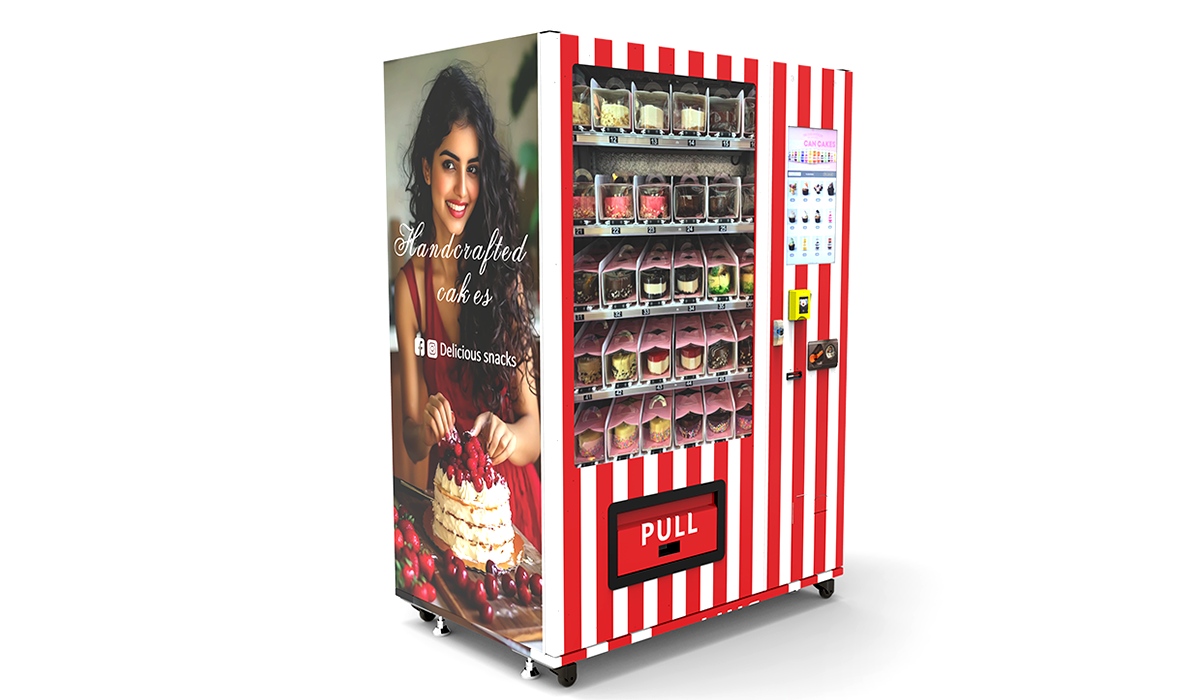
When I started in this business, I thought the machine itself was the biggest expense. I was wrong. The location is the real investment. The question "where can I put a vending machine near me" is not about finding any empty corner. It is about finding a corner where people already spend money, where the rent is reasonable, and where you can service the machine without losing your entire profit margin on fuel and time.
In my experience, a good location in a mid-sized American city might cost you between 100 and 500 USD per month in rent or commission. In Europe, especially in France or Germany, you might pay between 150 and 400 EUR per month for a high-traffic spot like a small factory break room or a gym lobby. The machine itself, depending on whether you buy new or used, will run you anywhere from 2,000 USD to 8,000 USD. But the location cost is recurring. That is where most new operators make their first mistake.
I once placed a machine in a busy office building in Lyon. The rent was 250 EUR per month. The machine did about 1,200 EUR in monthly sales. After product cost (roughly 40%), rent, and my time for restocking, I was barely breaking even. The location looked good on paper, but the commission structure was too aggressive. That is why I always tell people to negotiate hard on the location terms before signing anything.
Pros of Placing a Vending Machine in the Right Spot
Passive Income Potential
Once a machine is set up and running smoothly, it can generate income with minimal daily effort. A well-placed machine in a high-traffic location can bring in 1,500 to 3,000 USD per month in revenue. After product costs (usually 35–45% of sales) and location fees, you can net 500 to 1,200 USD per machine per month. That is not bad for a few hours of restocking and maintenance each week.
Low Overhead Compared to a Physical Store
You do not need to hire staff, pay for utilities in a retail space, or manage inventory for hundreds of SKUs. A vending machine is a lean operation. You can run it from your home garage with a pickup truck and a few hours of your time each week. That is why many people start with one machine and scale up.
Flexibility in Product Mix
You are not stuck selling only chips and soda. I have seen machines in European office buildings selling fresh sandwiches, salads, and even electronics. In the US, some operators are doing well with healthy snack machines in gyms. The product mix can be adjusted based on sales data, which is a huge advantage over a traditional retail lease.
Cons of Vending Machine Operations You Cannot Ignore
Location Risk Is Real
I have pulled machines out of locations that looked perfect. A new apartment complex with 200 units sounds great until you realize most residents work from home and never pass the machine. Or a gym that promises high foot traffic but the members only use the water fountain. The risk of a bad location is the single biggest downside. You can lose your entire machine investment if the location does not perform.
Maintenance and Repair Costs Add Up
Vending machine repair is not cheap. A broken compressor can cost 400 to 800 USD to fix. A faulty payment system might run you 200 to 500 USD. And if you are not handy, you will pay a technician 75 to 150 USD per hour. I always recommend learning basic vending machine repair yourself. It will save you thousands over the first year.
Cash Flow Can Be Unpredictable
Even in a good location, sales can dip. Seasonal changes, holidays, or a new cafeteria opening nearby can cut your revenue by half. You need to have a cash reserve to cover rent and restocking during slow months. Many new operators underestimate this and end up in trouble.
What the Data Says About Vending Machine Profitability
According to a 2023 report by Statista, the vending machine market in the United States was valued at over 25 billion USD in 2022. The average vending machine in the US generates around 75 to 100 USD per week in sales, though top-performing machines in high-traffic locations can exceed 500 USD per week. In Europe, data from INSEE shows that the average French vending machine generates approximately 600 to 800 EUR per month in revenue, with margins similar to the US market.
These numbers are useful, but they are averages. Your actual results will depend entirely on your location, product selection, and operational efficiency. I have seen machines in a single location do 2,000 USD per month while a machine two blocks away does 200 USD. The difference is almost always the location.
How to Evaluate a Potential Vending Machine Location
Before you sign anything, spend time at the location. Watch the foot traffic at different times of the day. Talk to the building manager or business owner. Ask about employee turnover, shift schedules, and whether there is a cafeteria or break room. I also check for existing vending machines. If there is already a machine, I look at the brands, the prices, and the cleanliness. That tells me if the current operator is doing a good job or if there is an opportunity to take over.
I also calculate the break-even point. If the machine costs 5,000 USD and the monthly location fee is 300 USD, I need to make at least 300 USD in profit per month just to cover the location. Add product costs and maintenance, and I need to generate at least 800 to 1,000 USD in monthly sales to break even. If the location cannot support that, I walk away.
Comparing Different Vending Machine Types and Costs
| Machine Type | Initial Cost (USD) | Monthly Revenue Range (USD) | Maintenance Cost per Year (USD) | Best Location Type |
|---|---|---|---|---|
| Basic snack machine | 2,000 – 4,000 | 400 – 1,200 | 200 – 400 | Small offices, break rooms |
| Combo snack and drink machine | 4,000 – 7,000 | 800 – 2,500 | 300 – 600 | Gyms, schools, factories |
| Fresh food machine (refrigerated) | 6,000 – 10,000 | 1,200 – 3,000 | 500 – 1,000 | Hospitals, large offices |
| Self-service kiosk (e.g., coffee) | 5,000 – 12,000 | 1,500 – 4,000 | 600 – 1,200 | Hotel lobbies, airports |
These numbers are based on my own experience and industry averages. The initial cost can vary widely depending on whether you buy new or used, and whether you choose a basic model or a fully automated retail solution. I have used machines from Zhongda Smart for several of my placements in Europe, and they offer a good balance between price and reliability, especially for combo units.
How to Choose a Vending Machine Supplier
I have bought machines from five different suppliers over the years. Some were great, some were disasters. Here is what I look for now:
- After-sales support: Do they offer phone or email support? Can you get spare parts quickly? I once waited three months for a payment system board from a cheap supplier. Never again.
- Warranty: A good supplier offers at least one year of warranty on the compressor and electronics. Avoid anyone who offers less.
- Payment system compatibility: Make sure the machine accepts cash, credit cards, and mobile payments. In Europe, contactless payment is essential. In the US, card readers are now standard.
- Energy efficiency: Look for machines with LED lighting and energy-efficient compressors. This can save you 100 to 200 USD per year per machine.
- Customization options: Can you change the product trays easily? Can you adjust the temperature for different products? Flexibility matters.
I have had good experiences with Zhongda Smart for their combo machines. They are not the cheapest, but they are reliable, and their support team responds within 24 hours. If you are looking for a supplier that understands both the US and European markets, they are worth considering. That said, always compare multiple suppliers and ask for references before buying.
Common Mistakes New Vending Machine Operators Make
Buying a Used Machine Without Inspection
I bought a used machine once from a guy who said it was "in perfect condition." It broke down in the first week. The compressor was shot, and the payment system was outdated. I spent more on repairs than the machine was worth. If you buy used, take someone who knows vending machine repair with you, or at least run a full test cycle before handing over cash.
Ignoring the Payment System
In 2024, if your machine only takes cash, you are losing at least 30% of potential sales. I have seen machines that do 50% more revenue after adding a card reader. In Europe, contactless payment is not optional. It is expected. Make sure your machine has a modern payment system from the start.
Overestimating Foot Traffic
Just because a location has 500 people walking by every day does not mean they will buy from your machine. I placed a machine in a train station once. High foot traffic, but most people were in a hurry and did not stop. Sales were terrible. You need the right kind of traffic: people who are waiting, relaxing, or working nearby.
Underestimating Restocking Time
Restocking a machine sounds simple, but it takes time. Driving to the location, unloading product, cleaning the machine, checking for expired items, and fixing minor issues can take two to three hours per machine per week. If you have ten machines, that is a part-time job. Plan your routes carefully to minimize driving time.
Best Locations for Vending Machines Based on Real Experience
Over the years, I have found that the best locations share a few characteristics:
- High dwell time: Places where people wait, like hospital waiting rooms, laundromats, and car repair shops. People buy when they are bored or hungry and have time to look at the machine.
- Limited food options: A factory with a small break room and no cafeteria is a gold mine. So is a small office building with no nearby convenience store.
- Shift workers: Locations with 24-hour operations, like warehouses, call centers, and hospitals, are excellent. Shift workers often have limited meal options at odd hours.
- Gyms and fitness centers: These work well if you stock healthy snacks, protein bars, and bottled water. Avoid sugary drinks and candy in these spots.
- Schools and universities: High volume, but you need to be careful with product selection. Many schools have restrictions on sugary drinks and junk food. Fresh food and healthy options do well here.
I once placed a self-service kiosk in a small hotel lobby in Berlin. The hotel had only 30 rooms, but the machine did over 2,000 EUR per month because guests had no other food options nearby. The location was small, but the need was high. That is the kind of spot you want to find.
How to Lower Your Operating Costs
Operating costs eat into your margin faster than you think. Here are a few ways I keep costs down:
- Buy in bulk: Join a wholesale club or buy directly from distributors. I save about 10% on product costs by buying in larger quantities.
- Use route optimization software: If you have multiple machines, plan your restocking route to minimize driving. I save about 20% on fuel and time this way.
- Learn basic vending machine repair: I can fix most common issues myself. That saves me hundreds of dollars per year on service calls.
- Monitor sales data: Use a telemetry system to see which products sell and which do not. Remove slow-moving items and replace them with popular ones. This can increase sales by 10 to 15% without any other changes.
FAQ: Common Questions About Vending Machine Operations
Is a vending machine profitable?
Yes, but it depends entirely on the location. A well-placed machine can generate 500 to 1,500 USD per month in profit after all costs. A bad location will lose money. Based on my experience, about 60% of new machines break even within the first year, but only 30% become highly profitable.
How much does a vending machine cost?
A new basic snack machine costs between 2,000 and 4,000 USD. A combo machine with both snacks and drinks costs 4,000 to 7,000 USD. Fresh food and coffee machines can cost 6,000 to 12,000 USD. Used machines are cheaper but often require repairs.
How long does it take to recoup the investment?
If the location is good, you can recoup your investment in 12 to 18 months. If the location is average, it might take 24 to 30 months. In a bad location, you may never recoup your investment. That is why location selection is critical.
Should I buy or lease a vending machine?
Buying is better if you have the capital and want to keep all the profit. Leasing is a good option if you want to test the business with lower upfront risk. Some suppliers offer lease-to-own programs. I prefer buying because it gives you full control over the machine and the location.
Where should I place a vending machine for the best results?
Look for locations with high dwell time, limited food options, and shift workers. Hospitals, factories, large offices, gyms, and schools are all good candidates. Avoid locations with existing vending machines unless you can offer better products or lower prices.
What permits do I need to operate a vending machine?
In the US, you typically need a business license and a sales tax permit. Some states also require a vending machine permit. In Europe, you need to register your business and comply with local food safety regulations. In France, for example, you must register with the Direction Départementale de la Protection des Populations (DDPP) if you sell food. Check with your local chamber of commerce for specific requirements.
How do I choose a vending machine supplier?
Look for a supplier that offers good after-sales support, a solid warranty, and modern payment systems. Ask for references and read reviews. I have had good experiences with Zhongda Smart for their combo machines, but always compare multiple options before buying.
What happens if the machine breaks down?
If you know basic vending machine repair, you can fix common issues yourself. For major problems, you will need to call a technician or the supplier. I recommend having a backup machine or a spare parts kit for critical components like the payment system and compressor.
How can I reduce restocking and maintenance costs?
Use route optimization software to plan efficient restocking routes. Buy products in bulk to save on cost. Monitor sales data to stock only popular items. Learn basic repair skills to avoid service calls. These steps can reduce your operating costs by 20 to 30%.
Final Thoughts on Vending Machine Investment
I have been in this business long enough to see both the highs and the lows. A vending machine can be a solid source of passive income, but it is not a get-rich-quick scheme. The key is to treat it like a real business. Do your homework on locations. Negotiate fair terms. Invest in a reliable machine with a modern payment system. And be prepared to put in the work, especially in the first year.
If you are still wondering "where can I put a vending machine near me," start by looking at the places you already visit. Your office, your gym, your local laundromat. Talk to the owners. Ask about foot traffic and existing food options. You might be surprised at how many opportunities are right in front of you. Just remember: a good location is worth more than a cheap machine.
Disclaimer: The information in this article is based on my personal experience as a vending machine operator and publicly available data. Actual results may vary based on location, market conditions, and operational efficiency. This article does not constitute financial or legal advice.
本文更新于 2025 年 3 月