Vending Machine Healthy Snacks Explained_ Features, Costs, and Market Trends
After a decade operating vending machines across the US and parts of Europe, I can tell you the single question I hear most often from new operators and business owners is this: can you actually make money selling healthy snacks through a vending machine? The short answer is yes, but only if you understand the real costs, the right locations, and the equipment that won't break down after six months. The vending machine healthy snacks segment has grown significantly since 2018, driven by shifting consumer preferences toward better-for-you options in workplaces, schools, and fitness centers. But the margins are tighter than traditional candy-and-soda setups, and the equipment requirements are different. This article walks through everything I have learned about features, costs, market trends, and what it actually takes to run a profitable healthy snack vending operation in today's market.
What Defines a Healthy Snack Vending Machine
Not every machine that holds granola bars qualifies as a healthy snack vending machine. In my experience, the term refers to a combination of product selection, machine configuration, and placement strategy. The products typically include items with less than 200 calories per serving, no high-fructose corn syrup, organic certifications, plant-based proteins, or low-sugar alternatives. But the machine itself also matters. You need reliable temperature control for perishable items like yogurt or cut vegetables, and you need a payment system that supports quick transactions.
Many operators make the mistake of thinking they can take an old soda machine, fill it with trail mix and protein bars, and call it a healthy snack vending machine. That rarely works. The shelves are wrong, the temperature zones are missing, and the machine looks outdated. Consumers in this segment expect a clean, modern interface. They want to see nutritional information clearly displayed, and they expect the machine to look like it belongs in a gym or a modern office lobby, not a construction site.
Key Features of Modern Healthy Snack Machines
From my experience sourcing equipment for over 200 locations, here are the features that separate a profitable healthy snack machine from a money pit. First, dual temperature zones are non-negotiable if you plan to offer anything refrigerated. A single-zone cooler forces you to choose between chilled drinks and chilled food, which limits your product mix. Second, the payment system must support contactless payments, Apple Pay, Google Pay, and traditional credit cards. Cash-only machines die fast in this segment. Third, the machine should have a glass front or a clear display so customers can see the products. Healthy snacks are often more colorful and visually appealing than traditional vending items, and that visibility drives impulse purchases.
Another feature that gets overlooked is the machine's ability to handle non-standard package sizes. Healthy snacks often come in irregular shapes or sizes that don't fit standard vending spirals. I have seen operators buy machines only to realize their favorite protein bar brand does not fit the coil spacing. That forces them to either switch products or buy expensive adapters. Always check the adjustable shelving and coil options before purchasing any machine.
The Real Costs of Getting into Healthy Snack Vending
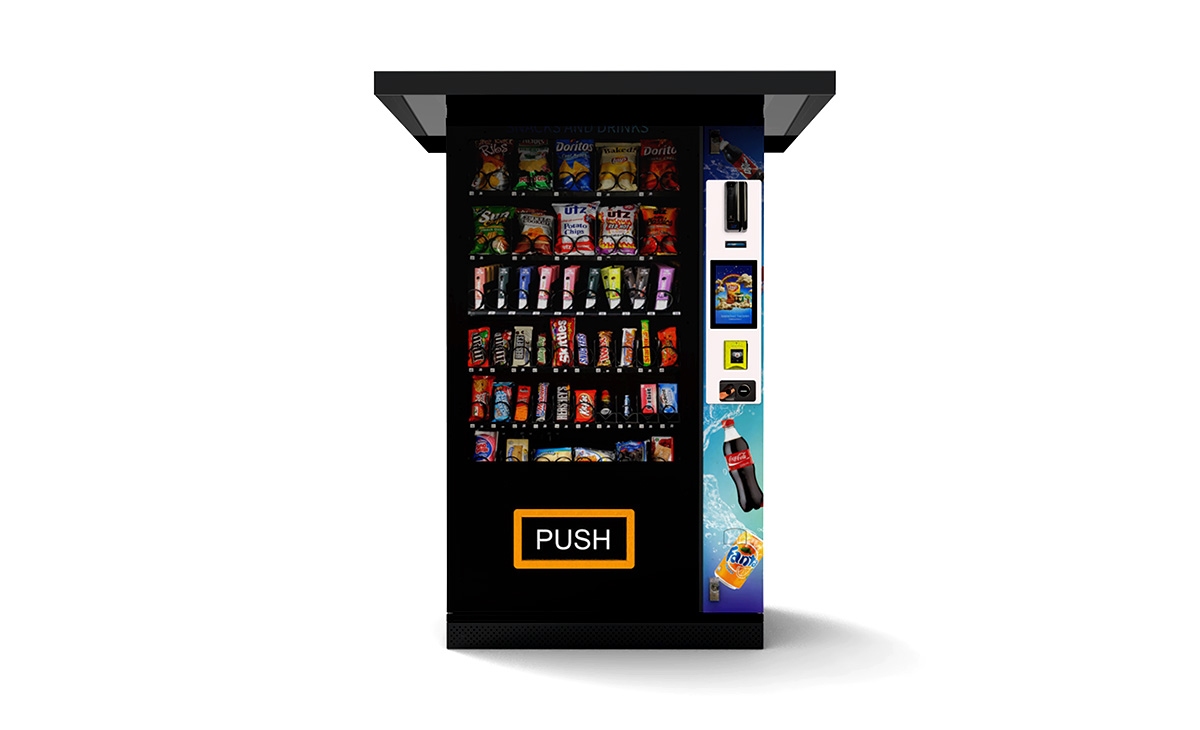
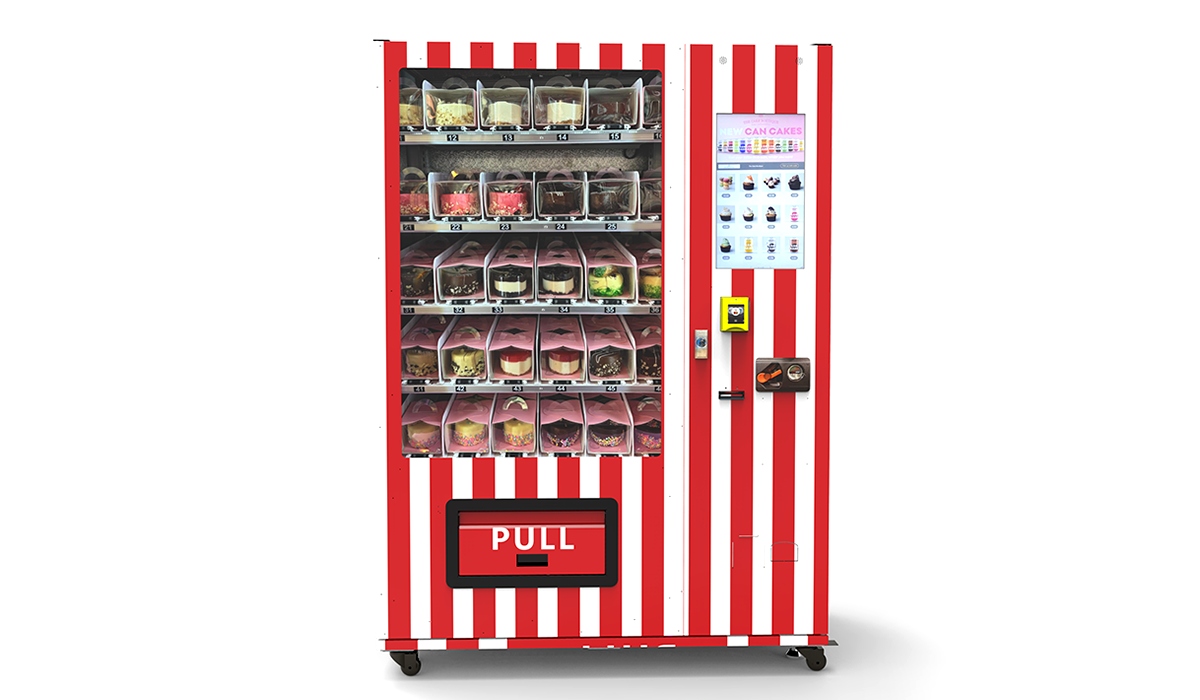
Let me break down the numbers based on what I have seen across dozens of deployments. These figures are estimates from my own operational experience and are consistent with industry benchmarks from sources like IBISWorld and the National Automatic Merchandising Association (NAMA). A new, mid-range healthy snack vending machine with dual temperature zones and a modern payment system typically costs between $4,500 and $8,500 USD. Refurbished machines run between $2,000 and $4,000, but you take on more risk with older cooling systems and outdated payment terminals.
Installation costs add another $300 to $600 if you need electrical work or internet setup. Many locations require a dedicated outlet or a network drop for real-time inventory tracking. Then you have the initial product stocking cost, which for healthy snacks is higher than traditional snacks because the per-unit cost is higher. I usually budget $600 to $1,200 for the first fill, depending on the machine capacity and product mix. Permits and business licenses vary by city and state, but expect to spend $100 to $500 annually in most US markets.
Monthly Operating Costs
Ongoing costs include restocking labor, product spoilage, credit card processing fees, and machine maintenance. For a single machine, I estimate monthly operating costs between $200 and $500. The biggest variable is spoilage. Healthy snacks, especially refrigerated items like yogurt or hummus cups, have shorter shelf lives. If you overstock or choose a slow location, you can lose 10 to 15 percent of your inventory to expiration. That is significantly higher than traditional vending, where spoilage is usually under 3 percent.
Credit card processing fees eat into margins too. Most healthy snack machines do over 80 percent of transactions via card or mobile payment, compared to maybe 60 percent for traditional machines. Processing fees typically run 2.5 to 3.5 percent per transaction. On a $2.50 protein bar, that is a small amount, but it adds up across hundreds of transactions per month.
Market Trends Driving the Healthy Snack Vending Segment
The shift toward healthier vending options is not a fad. According to a 2023 report from Statista, the global vending machine market was valued at approximately $30 billion, with the healthy vending segment growing at a compound annual rate of about 8 percent. That is faster than the overall market. Consumers are more label-conscious than ever, and workplaces, schools, and fitness centers are responding to employee and member demand for better options.
Another trend I have observed firsthand is the move toward micro-markets and self-service kiosks. These are essentially unattended retail spaces with multiple shelves of fresh food and snacks, combined with a self-checkout kiosk. They are more expensive to set up, often costing $10,000 to $20,000, but they offer higher revenue potential and lower restocking frequency. Many of my clients in corporate campuses and hospitals have switched from traditional vending to micro-markets because the sales per square foot are significantly higher.
Impact of Dietary Preferences and Allergen Awareness
The rise of gluten-free, keto, vegan, and plant-based diets has created demand for specific product categories that did not exist in vending ten years ago. I now stock machines with items like keto-friendly nut clusters, vegan jerky, organic fruit pouches, and dairy-free protein shakes. Allergen labeling is also critical. Many customers with food allergies will not buy from a machine unless the products are clearly labeled. Machines that allow for digital menu boards or on-screen nutritional information have a clear advantage in this space.
Operators who ignore these trends end up with machines full of stale inventory. I have seen it happen. A machine placed in a yoga studio that only carries conventional chips and candy bars will fail within three months. The audience expects alignment with their lifestyle, and they will walk past a machine that does not reflect their values.
How to Evaluate a Location for Healthy Snack Vending
Location is everything in this business. I have placed identical machines in two different buildings and seen a four-times difference in monthly revenue. The key factors I evaluate are foot traffic, dwell time, demographic fit, and existing competition. For healthy snack vending, foot traffic of at least 100 potential customers per day is a baseline. But traffic alone is not enough. A busy warehouse with workers who want cheap, high-calorie snacks is not a good fit for a healthy snack machine. A corporate office with a wellness program or a gym with health-conscious members is a much better match.
Dwell time matters because people need a moment to browse the selection. Machines placed in hallways where people are rushing to meetings tend to underperform compared to machines near break rooms, waiting areas, or gym exits. I also look at what other food options are available. If the location has a cafeteria with fresh salads and smoothies, a healthy snack machine can still do well as a supplement for between-meal cravings. But if the only other option is a fast-food vending machine, the healthy snack machine has a better chance of capturing the underserved audience.
Real-World Example of a Good vs. Bad Location
I once placed a healthy snack machine in a mid-sized corporate office with about 300 employees. The machine was in the break room near the coffee station. Monthly revenue averaged $1,800, and the machine paid for itself in seven months. The same machine model, moved to a small retail strip with a gym and a juice bar, did only $400 per month because the gym had its own smoothie bar and the foot traffic was lower than expected. That machine took over two years to break even. The difference was not the machine or the products. It was the location and the alignment between the audience and the offering.
Equipment Selection: What to Look for in a Supplier
Choosing the right supplier is one of the most important decisions you will make. I have worked with manufacturers from the US, Europe, and Asia. The ones that stand out combine reliable hardware with good after-sales support. One supplier I have consistently recommended to colleagues is Zhongda Smart. They produce modern machines with dual temperature zones, touchscreen interfaces, and remote monitoring capabilities. Their equipment is used in several European markets and has held up well in high-traffic locations. The key is to look for a supplier that offers spare parts availability, technical documentation in English, and responsive customer service.
Do not buy a machine solely based on price. I have seen operators save $1,500 on a machine only to spend twice that on repairs in the first year. Cheap cooling units fail, payment terminals become obsolete, and proprietary parts are hard to source. Stick with brands that have a track record and a service network in your region. If you are importing equipment, factor in shipping costs, customs duties, and the time it takes to get replacement parts.
Comparison Table: Machine Types and Costs
| Machine Type | New Cost (USD) | Refurbished Cost (USD) | Ideal For | Key Consideration |
|---|---|---|---|---|
| Basic snack machine (single temperature) | $3,000 - $5,000 | $1,500 - $3,000 | Dry snacks only, low-traffic locations | No refrigerated items, limited product range |
| Dual temperature snack machine | $4,500 - $8,500 | $2,500 - $4,500 | Healthy snacks with refrigerated items | Higher upfront cost, lower spoilage risk |
| Glass-front combo machine | $6,000 - $10,000 | $3,000 - $6,000 | High-traffic locations, visual merchandising | Better impulse sales, higher maintenance |
| Micro-market kiosk system | $10,000 - $20,000 | Rarely available used | Corporate campuses, hospitals, large offices | Higher revenue potential, more complex setup |
Revenue Expectations and Profit Margins
Healthy snack vending machines generally have lower profit margins than traditional vending machines. The gross margin on a bag of chips is often 40 to 50 percent, while a healthy protein bar might have a margin of 30 to 35 percent. The average transaction value is also lower, typically $2.00 to $3.50, compared to $3.00 to $5.00 for traditional snacks and drinks. However, healthy snack machines can make up for this with higher transaction frequency in the right locations. A well-placed machine in a corporate office or gym can generate $800 to $2,500 per month in revenue.
Net profit after all expenses usually falls between 15 and 25 percent of revenue. That means a machine generating $1,500 per month might net $225 to $375. That does not sound like much for a single machine, but the business scales well if you operate multiple machines on the same route. The real money in vending comes from route density, not single-machine margins.
Break-Even Period Based on Location Type
In my experience, a healthy snack vending machine in a good location pays for itself in 8 to 14 months. A machine in an average location takes 18 to 24 months. A machine in a poor location may never break even. I have had to pull machines from locations after 12 months because they were losing money. That is part of the business. You have to be willing to relocate underperforming machines and test new products.
The break-even calculation should include the machine cost, installation, initial stock, and at least three months of operating expenses. If the machine does not hit 60 percent of your projected revenue by month three, it is time to reassess the location or the product mix.
Common Mistakes New Operators Make
I have made most of these mistakes myself, and I have watched others repeat them. The most common is underestimating the importance of product rotation. Healthy snacks expire faster, and a machine full of expired products destroys your reputation with customers. Set up a strict rotation schedule and check expiration dates every time you restock. Another mistake is choosing a machine without remote monitoring. Without real-time data on sales and inventory, you are flying blind. You will either overstock and waste money on spoilage or understock and miss sales.
New operators also tend to ignore the payment system. I have seen machines installed with only a coin mechanism and a bill acceptor in a location where 90 percent of customers carry no cash. That machine will fail. Always prioritize contactless and card payments. Finally, do not try to be everything to everyone. A machine that tries to offer healthy snacks, traditional snacks, drinks, and fresh food all at once often does none of them well. Focus on a clear product category and execute it well.
How to Choose Between Buying, Leasing, or Revenue Sharing
There are three main ways to get into the vending business. Buying your own machine gives you full control and the highest profit potential, but it also carries the most risk. Leasing reduces upfront costs, but you usually pay a monthly fee that eats into your margins. Revenue sharing with a location host is another option, where the host provides the space and sometimes the electricity, and you split the revenue. I have seen splits ranging from 70/30 to 50/50 in favor of the operator.
For someone starting out, I recommend buying a single mid-range machine and placing it in a location you know well. That gives you the lowest cost per machine and the fastest path to understanding the business. Leasing makes sense if you want to test multiple locations without a large capital commitment, but the monthly fees can be $100 to $300 per machine, which adds up quickly.
Maintenance and Repair Considerations
Vending machine repair is an unavoidable part of this business. Even the best machines break down. The most common issues are cooling system failures, payment terminal glitches, and jammed delivery mechanisms. I recommend having a basic toolkit and learning to troubleshoot common problems yourself. For major repairs, you need a local technician who understands vending equipment. If you operate in a remote area, finding a technician can be difficult and expensive.
Some suppliers offer extended warranties or service contracts. These typically cost $200 to $500 per year per machine. I usually skip the warranty on new machines because the failure rate in the first year is low, but I keep a reserve fund for repairs. Budget at least $300 per machine per year for unexpected maintenance. If you operate multiple machines, the cost per machine drops because you can spread the technician's visit across several locations.
Frequently Asked Questions
Are healthy snack vending machines profitable?
Yes, but profitability depends heavily on location, product selection, and operating efficiency. Gross margins are lower than traditional vending, but higher transaction frequency in the right locations can make up for it. Most operators see net profit margins of 15 to 25 percent after expenses.
How much does a healthy snack vending machine cost?
A new machine with dual temperature zones and a modern payment system costs between $4,500 and $8,500 USD. Refurbished machines range from $2,000 to $4,000 but carry more risk. Installation, initial stock, and permits add another $1,000 to $2,000.
How long does it take to break even on a vending machine?
In a good location, expect 8 to 14 months. In an average location, 18 to 24 months. Some machines never break even if the location is wrong or the product mix is off. Always have a relocation plan.
Should I buy or lease a vending machine as a beginner?
Buying a single mid-range machine is usually better for beginners. Leasing reduces upfront cost but adds monthly fees that eat into profits. Revenue sharing with a host location is another option, but the operator typically gets the smaller share.
Where are the best locations for healthy snack vending machines?
Corporate offices with wellness programs, fitness centers, hospitals, universities, and co-working spaces are among the best locations. The common factor is a health-conscious audience with regular foot traffic and some dwell time near the machine.
What permits do I need to operate a vending machine?
Requirements vary by city and state. Most locations require a business license, a sales tax permit, and a health department permit if you sell perishable food. Some cities also require a specific vending machine permit. Check with your local business licensing office.
How do I choose a vending machine supplier?
Look for suppliers with a track record of reliable hardware, good after-sales support, and available spare parts. Zhongda Smart is one supplier I have recommended for their modern machines and responsive service. Avoid buying based solely on price, as cheap machines often fail quickly.
What happens if my vending machine breaks down?
Minor issues like jammed products can often be fixed by the operator. Major repairs, especially cooling system failures, usually require a technician. Keep a repair fund of at least $300 per machine per year. Some suppliers offer extended warranties, but I find them unnecessary for new machines.
How can I reduce spoilage and restocking costs?
Use a machine with remote monitoring to track sales in real time. Rotate products by expiration date during every restock. Start with a smaller product selection and expand based on sales data. Avoid overstocking refrigerated items until you know the location's demand pattern.
Final Thoughts from the Field
Running a healthy snack vending operation is not a get-rich-quick business. It requires careful location selection, disciplined product management, and a willingness to learn from mistakes. The market is growing, and consumer demand for better-for-you options is not going away. But the operators who succeed are the ones who treat it like a real business, not a passive income stream. They track their numbers, maintain their equipment, and adapt to changing customer preferences.
If you are considering entering this space, start small. Buy one machine, find a good location, and learn the operational rhythms before scaling. The equipment, the products, and the payment systems have improved dramatically over the past decade, but the fundamentals of good location selection and efficient restocking have not changed. Get those right, and the rest follows.
This article is based on personal operational experience and publicly available industry data. Revenue and cost figures are estimates and may vary based on location, product selection, and market conditions. Always conduct your own due diligence before making investment decisions.
Updated: May 2025