Apple Pay Vending Machine For Sale Explained_ Features, Costs, and Market Trends
If you have been looking into the automated retail space, you have likely come across the term "Apple Pay vending machine for sale" and wondered whether this is just a buzzword or a legitimate shift in how we think about unattended sales. After a decade of operating vending routes across the UK, Germany, and the US, I can tell you that the integration of contactless payment systems like Apple Pay is not a gimmick; it is the single most important upgrade to the vending industry since the introduction of the bill validator. This article is written for operators, property managers, and investors who want a grounded, experienced look at what these machines actually cost, where they work best, and whether the numbers make sense in today's market.
What Is an Apple Pay Vending Machine and Why Does It Matter?
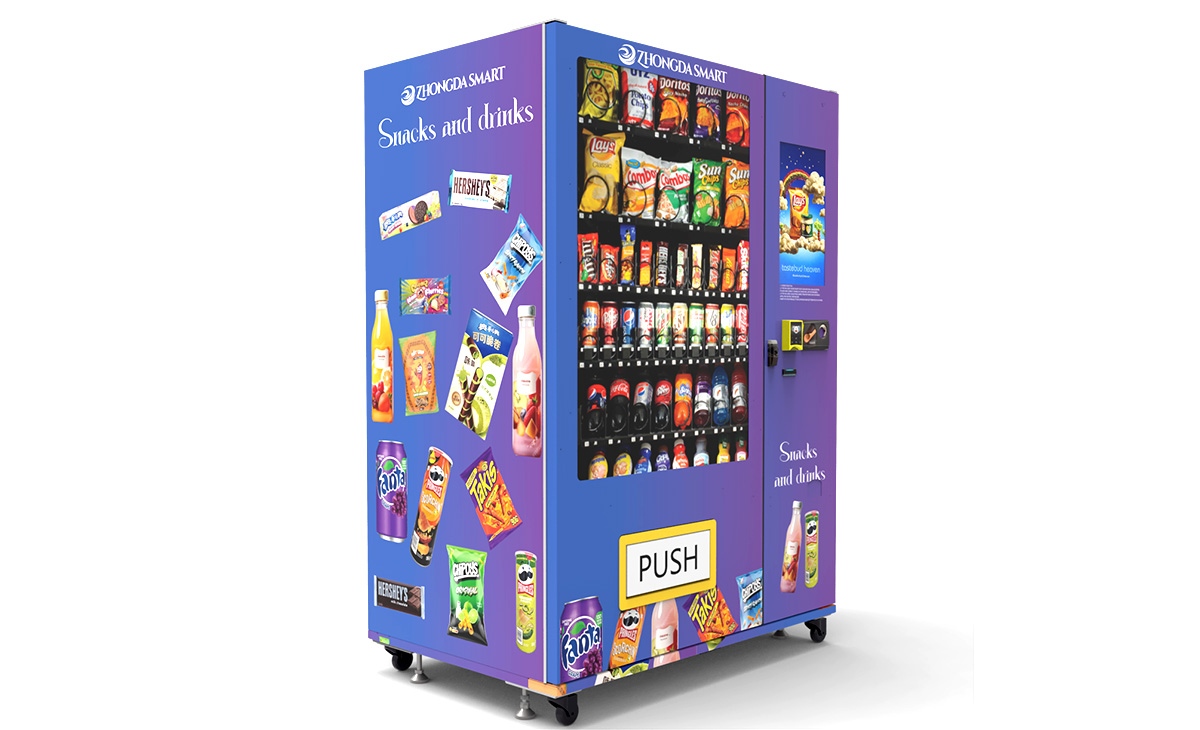
An Apple Pay vending machine is simply a self-service kiosk equipped with a near-field communication (NFC) reader that accepts contactless payments from smartphones, smartwatches, and contactless credit cards. The term has become shorthand for any modern vending machine that supports digital wallets, including Google Pay and Samsung Pay. In my experience, machines that lack this feature are increasingly difficult to place in high-traffic locations because consumers under 40 expect to pay with their phone. If you are evaluating an Apple Pay vending machine for sale, you are essentially looking at a machine that meets the minimum payment standard for 2025.
The Shift Away from Cash
I still remember servicing a machine in a London office building back in 2018 where nearly 40% of sales were still cash. By 2023, that same machine was doing less than 5% in cash transactions. This is not anecdotal; according to a 2023 report by Statista, contactless payments accounted for over 60% of all point-of-sale transactions in the UK and nearly 50% in the US. If your vending machine only accepts coins and notes, you are effectively turning away more than half of your potential customers. When you search for an Apple Pay vending machine for sale, you are future-proofing your investment against a cashless society.
Key Features to Look for in a Modern Vending Machine
Not all machines labeled as "Apple Pay compatible" are built the same. Over the years, I have tested machines from half a dozen manufacturers, and I have learned that the payment system is only one piece of the puzzle. Here are the features that separate a profitable machine from a maintenance nightmare.
NFC Reader Reliability
The NFC reader is the heart of the contactless experience. Cheap readers fail to connect, take too long to process, or do not support the latest encryption standards. I have seen machines where the reader worked fine with a physical card but failed to recognize an iPhone wallet. When you evaluate an Apple Pay vending machine for sale, ask the supplier which NFC module they use. Reputable manufacturers like Zhongda Smart typically use industrial-grade readers from established brands like Ingenico or PAX, which offer consistent performance and easier replacement if something goes wrong.
Telemetry and Remote Monitoring
This is the feature most beginners overlook. A machine that accepts Apple Pay but does not report sales data in real time is a machine that will lose you money. Telemetry allows you to see which products are selling, which slots are empty, and whether the payment system is online. Without it, you are driving to a location blind. I recommend only considering an Apple Pay vending machine for sale that includes built-in 4G telemetry or at least a port to add it later.
Energy Efficiency and Cooling
If you are selling cold drinks or perishable food, the cooling system is your biggest ongoing cost. Older machines use compressor-based cooling that draws 400 to 600 watts continuously. Newer machines with LED lighting and inverter compressors can cut that by half. When I compare machines, I calculate the annual electricity cost based on local rates. A machine that costs $200 more upfront but saves $100 per year in electricity is a better investment in the long run.
Cost Breakdown: What Does an Apple Pay Vending Machine Actually Cost?
Let me give you a realistic picture based on what I have paid and seen across multiple markets. Prices vary significantly by region, but the following ranges are based on my experience in Western Europe and the US.
| Machine Type | New Price (USD/EUR) | Used Price (USD/EUR) | Typical Monthly Revenue |
|---|---|---|---|
| Basic snack machine (no cooling) | $2,500 – $4,000 | $800 – $1,500 | $300 – $600 |
| Combo snack and drink (cooled) | $4,500 – $7,000 | $1,500 – $3,000 | $600 – $1,200 |
| Glass-front food machine (refrigerated) | $6,000 – $10,000 | $2,500 – $4,500 | $800 – $1,800 |
| Premium machine with large touchscreen | $8,000 – $14,000 | $4,000 – $7,000 | $1,200 – $2,500 |
These numbers are estimates based on my routes and conversations with other operators. An Apple Pay vending machine for sale at the lower end of this range might lack telemetry or have a basic payment module, so always verify what is included. I have seen operators buy a $3,000 machine only to spend another $600 upgrading the payment system.
Operating Costs You Cannot Ignore
Purchase price is only the beginning. Here are the recurring costs I factor into every location decision.
Commission and Location Fees
In high-footfall locations like hospitals, universities, and transport hubs, the property owner will ask for a commission. This typically ranges from 10% to 25% of gross sales. In some cases, you pay a flat monthly fee instead. I have walked away from locations demanding 30% commission because the margins simply do not support it.
Restocking and Labor
If you are running a single machine, you can restock it yourself. But if you have a route of ten or more machines, you need to factor in labor costs. For a typical combo machine, I budget 30 minutes per visit, including travel time between stops. If you pay a staff member $15 per hour, that is $7.50 per visit. Most machines need restocking once or twice per week.
Maintenance and Repairs
This is where many new operators underestimate costs. Vending machine repair is not cheap. A technician call-out fee in the US can run $100 to $200, plus parts. Common issues include jammed coils, failed cooling systems, and payment reader malfunctions. I set aside 10% of gross revenue for maintenance. If your machine is generating $1,000 per month, expect to spend about $100 per month on repairs and parts over the machine's lifetime.
Market Trends Shaping the Vending Industry in 2025
Understanding where the market is going helps you avoid investing in equipment that will be obsolete in three years. Here are the trends I am seeing across Europe and North America.
Cashless Is No Longer Optional
As mentioned earlier, cash transactions are declining rapidly. In Sweden, cash usage has dropped below 10% of all transactions. Even in Germany, where cash was king for decades, contactless payments surged during the pandemic and have not retreated. If you are looking at an Apple Pay vending machine for sale, you are already ahead of operators still clinging to cash-only models.
Dynamic Pricing and Smart Inventory
Some newer machines allow you to change prices remotely based on time of day or inventory levels. For example, you can increase the price of a cold drink during a heatwave or discount items that are near their expiration date. This feature requires a machine with strong software and telemetry, but it can boost margins by 5% to 10%.
Healthy and Fresh Food Options
The days of selling only chips and candy bars are ending. In office and fitness locations, demand for protein bars, nuts, bottled water, and fresh sandwiches is growing. According to a 2024 report by IBISWorld, the healthy vending segment in the US grew by 8% annually over the last five years. A machine that can handle refrigerated fresh food will have a longer useful life than one limited to dry snacks.
Where to Place an Apple Pay Vending Machine for Maximum Profit
Location is everything in this business. I have placed machines in what looked like perfect spots that barely broke even, and I have had machines in unlikely locations that outperformed expectations. Here is what I look for.
High Foot Traffic with Dwell Time
Foot traffic alone is not enough. You need people who stop and have a moment to buy. Train stations are excellent because people wait for trains. Office break rooms work because employees take breaks. Hospitals work because visitors and staff need quick food. A busy sidewalk with people walking past at high speed is less effective because they are not in a buying mindset.
Limited Food Options Nearby
If there is a cafeteria or a convenience store within 50 meters, your vending machine will struggle. I look for locations where the nearest alternative is at least a five-minute walk away. This is especially true in industrial parks, factory floors, and college dormitories.
Security and Lighting
Machines in dark, isolated areas get vandalized. I have lost machines to theft and damage in locations that seemed safe during the day but were deserted at night. Good lighting, security cameras, and regular foot traffic after dark reduce the risk significantly.
How to Choose a Supplier or Manufacturer
Your supplier determines the quality of your equipment and the support you receive when something breaks. I have worked with suppliers from China, Europe, and the US, and here is what I have learned.
Look for Proven Export Experience
If you are buying from a manufacturer overseas, ask for references from operators in your country. A supplier who understands European electrical standards or US payment regulations will save you months of headaches. Zhongda Smart is one example of a manufacturer that has been supplying machines to European and American markets for years, with machines that meet CE and UL certifications. When I evaluated an Apple Pay vending machine for sale from them, I was impressed by the build quality and the ease of integrating their payment system with local processors.
Check Payment Module Compatibility
Not all NFC readers work with every bank or payment processor. Before you buy, confirm that the machine supports the most common payment networks in your region: Visa, Mastercard, Apple Pay, Google Pay, and local debit cards. Some machines require a separate payment gateway subscription, which adds to your monthly costs.
Warranty and Spare Parts Availability
A good supplier offers at least a one-year warranty on the machine and has a stock of spare parts in your region. I once waited six weeks for a replacement compressor from a supplier who had no European warehouse. That machine sat idle, losing money the entire time. Ask about lead times for common parts like coils, readers, and cooling units before you commit.
Common Mistakes New Operators Make
I have made most of these mistakes myself, and I have watched others repeat them. Here is what to avoid.
Buying the Cheapest Machine Available
A $1,500 used machine might seem like a great deal, but if it breaks down twice in the first three months, you will spend more on vending machine repair than you would have on a new machine. Cheap machines often have outdated payment systems that cannot be upgraded to accept Apple Pay, which defeats the purpose of buying an Apple Pay vending machine for sale in the first place.
Ignoring the Payment Processing Fees
Contactless payments come with processing fees, typically 2% to 3% of each transaction. On a machine doing $1,000 per month, that is $20 to $30 in fees. It is not a dealbreaker, but you need to factor it into your margin calculations.
Overlooking Local Regulations
In some European countries, vending machines that sell food must comply with HACCP regulations. In the US, some states require a permit for each machine. I once had to pull a machine from a location because I did not have the required food safety certificate. Check with your local health department and business licensing office before you place a machine.
Evaluating Whether a Machine Is Worth the Investment
I use a simple formula to decide whether to buy a machine for a specific location. It is not perfect, but it has served me well.
First, estimate monthly revenue based on foot traffic and average transaction value. For a typical combo machine in a good location, I assume 20 to 40 transactions per day at an average of $3.00 per transaction. That gives $1,800 to $3,600 per month in gross revenue. Subtract 20% for product cost, 10% for commission, 10% for maintenance, and 3% for payment fees. That leaves roughly 57% gross margin, or $1,026 to $2,052 per month before labor and electricity.
If the machine costs $6,000 new, the payback period is between three and six months. In reality, it often takes longer because of slow ramp-up and unexpected costs. I consider anything under 12 months a good investment. If the payback period exceeds 18 months, I look for a different location or a cheaper machine.
FAQ: Common Questions About Apple Pay Vending Machines
Are Apple Pay vending machines profitable?
They can be, but profitability depends entirely on location, product selection, and operating costs. In my experience, a well-placed machine in a high-traffic location can generate a 30% to 50% net margin after all expenses. However, a machine in a low-traffic area will lose money regardless of how modern it is.
How much does an Apple Pay vending machine cost?
A new machine with NFC payment capability typically costs between $4,000 and $10,000, depending on size, cooling, and features. Used machines can be found for $1,500 to $4,000, but you may need to upgrade the payment system, which adds $300 to $600.
How long does it take to recoup the investment?
Based on my routes, most machines pay for themselves within 8 to 14 months if placed in a good location. Machines in exceptional locations can pay back in 4 to 6 months. Slow locations may take two years or more.
Should a beginner buy or lease a machine?
I generally recommend buying a new or lightly used machine rather than leasing. Leasing contracts often lock you into long terms with high total costs. If you want to test the market, consider a used machine from a reputable seller or a partnership with an experienced operator.
Where are the best locations for these machines?
Office buildings, hospitals, universities, gyms, industrial parks, and transit hubs are the most reliable locations in my experience. Avoid locations with existing vending contracts or nearby convenience stores.
What permits or licenses do I need?
Requirements vary by country and city. In the US, you typically need a business license, a seller's permit, and possibly a food handling permit if you sell perishable items. In the EU, you may need to register with local health authorities and comply with VAT regulations.
How do I choose a vending machine supplier?
Look for a supplier with experience in your market, positive operator reviews, and a clear warranty policy. Ask about payment system compatibility and spare parts availability. Manufacturers like Zhongda Smart are worth considering if you want a machine that is ready for international markets.
What happens if the machine breaks down?
You will need to either repair it yourself or call a technician. I recommend learning basic vending machine repair for common issues like jammed coils and payment reader resets. For major repairs, have a local technician on retainer.
How can I reduce restocking and maintenance costs?
Invest in a machine with reliable telemetry so you only visit when necessary. Use product data to stock best-sellers and reduce waste. Build a relationship with a local technician for discounted rates on vending machine repair.
Disclaimer: The information in this article is based on my personal experience operating vending machines in Europe and North America since 2013. Revenue and cost figures are estimates and will vary based on location, product selection, local regulations, and market conditions. This content does not constitute financial or legal advice. Always consult with a local professional before making investment decisions.
This article was last updated in March 2025.