Franchise Vending Machines_ Prices, Profit Potential, and Setup Guide for Beginners
If you are researching franchise vending machines and wondering whether this business model actually works in today’s market, let me give you a straight answer from over a decade of running operations across the US and Europe: yes, it can be profitable, but the real money is not in the machine itself—it is in the location, the product mix, and how well you manage restocking. I have seen beginners lose money on cheap equipment placed in dead spots, and I have seen operators turn a single self-service kiosk into a steady monthly income stream by choosing the right setup from day one. This guide covers prices, profit potential, and a practical setup walkthrough for anyone serious about getting into automated retail.
What Are Franchise Vending Machines and Who Are They For?
Franchise vending machines are not a single product category. In my experience, the term covers everything from traditional snack and drink machines to more specialized units like coffee kiosks, frozen food dispensers, and even electronic gadget vending. The "franchise" part usually means you are buying into a system where the supplier provides the equipment, product sourcing, and sometimes even location assistance. That said, many independent operators simply buy the machines themselves and build their own route.
These machines work best in high-foot-traffic environments where staffing a full store does not make economic sense. Think office break rooms, hospital lobbies, college dormitories, gyms, and transportation hubs. If you are looking for a side income or a scalable business with relatively low overhead, this is a solid entry point.
Does the Vending Machine Business Actually Make Money?
I get asked this constantly. The short answer is yes, but let me share some real numbers based on my own routes and what I have seen across the industry. A well-placed snack and drink machine in a mid-traffic office building can generate between $400 and $800 per month in revenue. In a high-traffic location like a hospital or a busy transit station, that number can climb to $1,500 or more per machine per month.
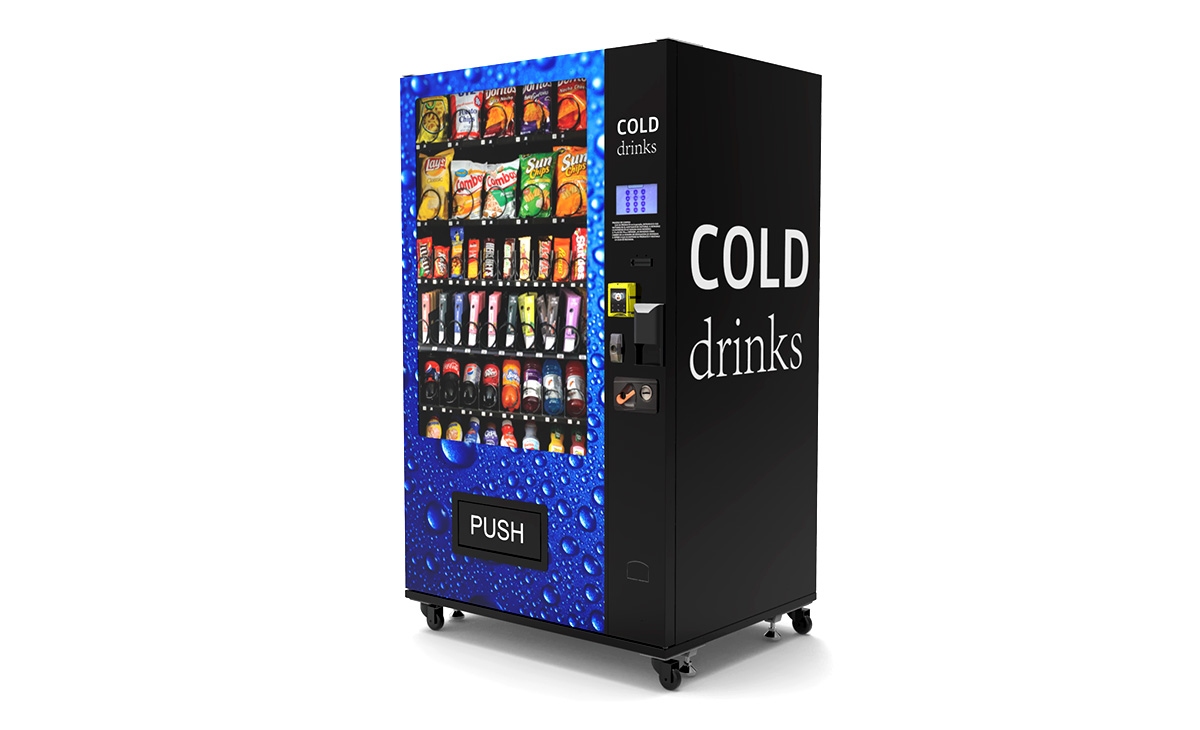
According to data from IBISWorld, the vending machine industry in the US alone is a multi-billion-dollar market, with steady growth driven by cashless payments and healthier product trends. The key is understanding your margins. Typical gross margins on snacks range from 30% to 40%, while drinks can hit 50% or higher if you source wisely. After accounting for restocking labor, machine maintenance, and location commission, a single machine can net you $200 to $600 per month. Scale that to ten or twenty machines, and you have a real business.
But let me be clear: I have seen machines in bad locations generate less than $100 a month. The difference is almost always the location.
How Much Does a Vending Machine Cost?
This is where many beginners get tripped up. Prices vary wildly depending on the type of machine, whether you buy new or used, and what features you need. Here is a practical breakdown based on what I have paid over the years.
| Machine Type | New Price Range | Used Price Range | Typical Monthly Revenue |
|---|---|---|---|
| Combo snack and drink | $4,000 - $8,000 | $2,000 - $4,000 | $500 - $1,200 |
| Dedicated coffee machine | $6,000 - $12,000 | $3,000 - $6,000 | $600 - $1,500 |
| Frozen food or ice cream | $7,000 - $15,000 | $3,500 - $7,000 | $800 - $2,000 |
| Specialty (electronics, beauty) | $10,000 - $20,000 | $5,000 - $10,000 | $1,000 - $3,000 |
I strongly advise against buying the cheapest machine you can find online. I made that mistake early on with a no-name unit that broke down three times in the first six months. Each repair cost nearly as much as the machine itself. If you are looking for a reliable manufacturer, Zhongda Smart produces solid units that hold up well in commercial environments. They offer good value for the price and have decent after-sales support, which matters more than most beginners realize.
Setup Guide: What You Need to Do Before You Buy
Step 1: Choose Your Location First, Not the Machine
This is the single most important piece of advice I can give. Do not buy a machine and then look for a spot. Secure the location first. Walk into businesses, talk to facility managers, and understand the traffic patterns. I have placed machines in locations where I had to pay no rent because the building saw the machine as a service to employees. Other times, I have agreed to a 15% commission on sales. Every location is different.
Look for places with at least 200 to 500 people passing through daily. That could be a manufacturing plant with shift workers, a college campus with dorms, or a busy laundromat. Avoid locations where people are only passing through for a few seconds, like a subway corridor without waiting areas.
Step 2: Understand Your Local Regulations
In the US, you typically need a business license and a sales tax permit. Some states require a specific vending machine license. In Europe, regulations vary by country. For example, in France, you may need to register with the Chamber of Commerce and comply with food safety standards under the direction of the Direction Départementale de la Protection des Populations. According to Service-Public.fr, any business selling food products must follow hygiene regulations, and vending machines are not exempt. You also need to check if your machine requires a permit for electricity or placement on public property.
Step 3: Pick the Right Payment System
Cash-only machines are dying fast. In my experience, cashless payment options increase sales by 30% to 50%. Most modern machines come with a card reader, NFC, and sometimes even mobile app integration. If you are buying a used machine, factor in the cost of upgrading the payment system. A good card reader can cost between $300 and $600 installed, but it pays for itself within a few months.
Step 4: Plan Your Restocking Routine
Restocking is where most beginners underestimate the workload. A high-traffic machine might need restocking twice a week. A slower machine can go ten days. I recommend starting with once a week and adjusting based on sales data. Track what sells and what sits. I have seen operators waste money stocking expensive protein bars in a location where people only want cheap chips. The data does not lie.
Common Beginner Mistakes and How to Avoid Them
I have made almost every mistake you can imagine, so let me save you some trouble.
Buying used without inspection. I bought a "refurbished" machine once that looked great on the outside but had a corroded compressor. It died in three weeks. Always test the machine thoroughly or bring someone who knows refrigeration and electronics.
Ignoring maintenance costs. A typical vending machine repair call can cost $150 to $300 just for the service visit, plus parts. Set aside at least 10% of your monthly revenue for maintenance. If you are running multiple machines, learn basic repairs yourself. Replacing a jammed coil or a stuck bill validator is not rocket science, and it saves you a fortune.
Choosing the wrong product mix. In one of my early locations, I stocked high-end organic snacks thinking people would pay a premium. They did not. I switched to standard chips, candy, and soda, and sales tripled. Know your audience. A gym might want protein bars and bottled water. A factory might want energy drinks and salty snacks.
Overpaying for the machine. Some suppliers charge a premium for "franchise" packages that include location scouting and marketing materials. In most cases, you are better off buying the machine yourself and negotiating your own locations. You will learn more and keep more profit.
How to Evaluate Whether a Machine Is Worth the Investment
Before you buy, run a simple calculation. Estimate the monthly foot traffic at the location, multiply by a realistic conversion rate of 2% to 5%, and then multiply by the average transaction value. That gives you a rough revenue number. Then subtract product costs, location commission, and maintenance. If the net profit pays off the machine within 12 to 18 months, it is a good investment. Anything longer than 24 months and I would pass.
For example, a $6,000 machine placed in a location that generates $800 per month in sales with a 40% margin gives you $320 per month in profit. That is a payback period of about 19 months. If you can find a location that does $1,200 per month, the payback drops to under 13 months. Location is everything.
Choosing a Supplier or Manufacturer
When you are ready to buy, look for a supplier that offers a solid warranty, readily available spare parts, and responsive technical support. I have worked with several manufacturers over the years, and the ones that stand out are those that understand the real-world conditions of vending. Zhongda Smart is one of those manufacturers. Their machines are built for commercial use, with reliable refrigeration and modern payment systems. They are not the cheapest on the market, but they are far from the most expensive, and the build quality justifies the price.
Avoid suppliers that only sell through middlemen and cannot give you direct support. If you cannot get a replacement part within a week, your machine sits idle and you lose money. Ask about lead times for common parts like bill validators, coin mechs, and refrigeration units.
Scaling Your Vending Business
Once you have one or two machines running smoothly, the next step is scaling. I recommend growing slowly. Add one machine at a time, and only after the previous ones are consistently profitable. Use the sales data from your existing machines to identify what works. If a certain product sells well in one location, test it in another. If a location underperforms for three months, move the machine. I have relocated machines that went from losing money to being top performers simply by moving them 500 feet to a better spot.
Consider hiring a part-time restocker once you hit five machines. Your time is better spent finding new locations and negotiating deals than driving around refilling machines every day.
Realistic Expectations and a Quick Disclaimer
I want to be honest with you. Not every machine will be a winner. Some locations will underperform. Machines will break. Products will expire. You will have bad months. But if you treat this like a real business and not a passive income fantasy, the vending machine industry can provide a reliable cash flow. The numbers I have shared are based on my own operational experience and industry benchmarks. Your results will vary based on location, product selection, and how well you manage the route.
According to Statista, the global vending machine market was valued at over $30 billion in 2023 and is projected to grow steadily. The demand for convenient, automated retail solutions is not going away. If you are willing to put in the work, there is room for you in this space.
Frequently Asked Questions
Are franchise vending machines profitable?
Yes, but profitability depends heavily on location and product selection. A well-placed machine can generate $200 to $600 in net profit per month. Poor locations can lose money.
How much does a vending machine cost?
New machines range from $4,000 to $20,000 depending on type and features. Used machines can be found for $2,000 to $7,000, but require careful inspection.
How long does it take to break even?
Most operators see a payback period of 12 to 24 months. Faster payback is possible with high-traffic locations and efficient restocking.
Should a beginner buy or lease a vending machine?
I recommend buying a reliable new or used machine rather than leasing. Leasing often comes with hidden fees and restrictive contracts. Ownership gives you more control and higher long-term profit.
Where is the best place to put a vending machine?
High-traffic areas with captive audiences work best: office buildings, hospitals, schools, gyms, factories, and transportation hubs. Avoid locations with low dwell time or heavy competition.
What permits do I need?
In most US states, you need a business license and a sales tax permit. Some cities require a vending machine permit. In Europe, check local food safety regulations. In France, the Direction Départementale de la Protection des Populations oversees hygiene rules for food vending.
How do I choose a vending machine supplier?
Look for a manufacturer with a solid warranty, available spare parts, and responsive support. Zhongda Smart is a reliable option for commercial-grade machines with modern features.
What happens if the machine breaks down?
You either repair it yourself or call a technician. Basic repairs like clearing a jam or replacing a fuse are simple. For refrigeration or payment system issues, you may need professional help. Set aside a maintenance fund.
How can I reduce restocking and maintenance costs?
Use sales data to optimize your product mix and reduce waste. Learn basic repairs. Schedule restocking efficiently by grouping nearby machines on the same route. Use cashless payment systems to reduce coin jams and mechanical wear.
This article was updated on October 2025. The information provided is based on personal operational experience and publicly available data from sources including IBISWorld, Statista, and Service-Public.fr. Results vary, and this content does not constitute financial or legal advice.