Is Pokemon Vending Machines For Sale Worth It_ Pros, Cons, and Real-World Insights
I’ve been in the vending machine business for over a decade, operating across the U.S. and parts of Europe, and I’ve seen the hype around Pokémon vending machines explode. The short answer to whether a Pokémon vending machine is worth it is: it depends entirely on your location, your operational discipline, and your willingness to deal with a niche, high-demand product. These machines are not your typical snack or soda dispensers. They sell collectible trading cards, booster packs, and specialty merchandise that attract a very specific, often passionate, customer base. If you’re considering buying one, you need to understand that this is a specialty automated retail play, not a passive income shortcut. I’ve placed machines in hobby shops, malls, and even comic conventions, and I can tell you the real-world economics are different from what most online guides suggest. Let’s break down the pros, cons, and hard numbers you need to know before making a move.
What Exactly Is a Pokémon Vending Machine?
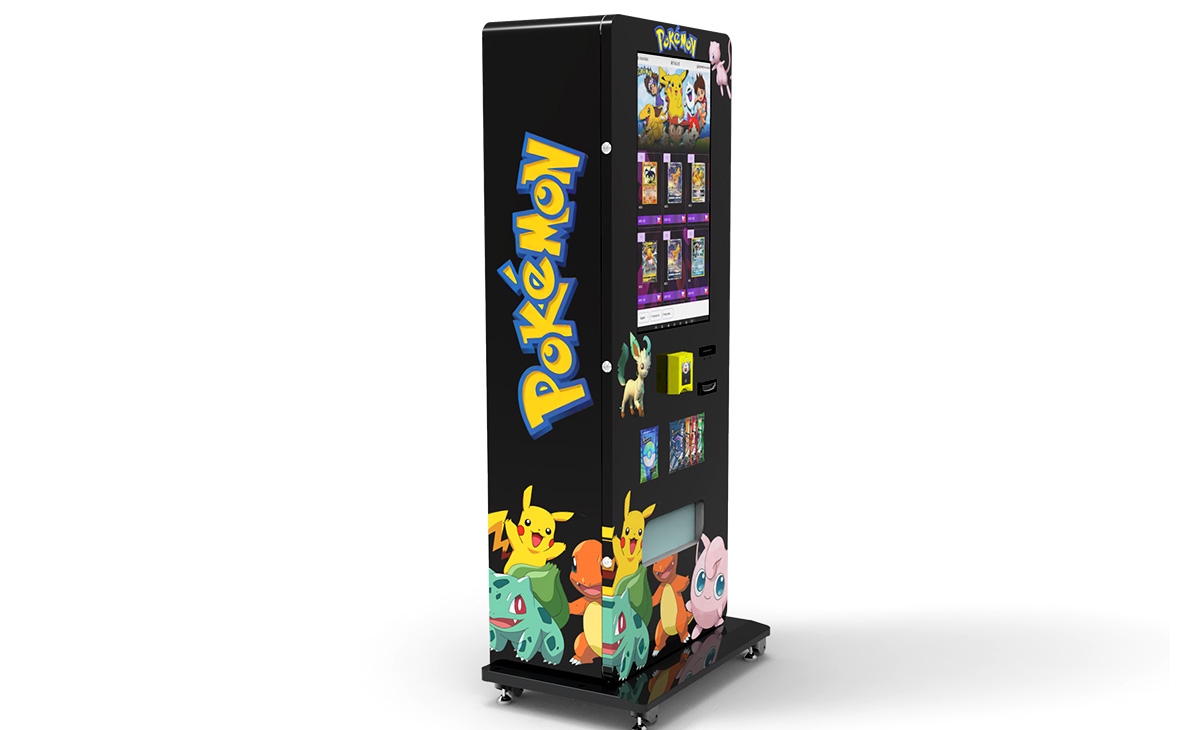
First, let’s clarify what we’re talking about. A Pokémon vending machine is a self-service kiosk specifically designed to dispense Pokémon Trading Card Game (TCG) products. These include booster packs, elite trainer boxes, collection boxes, and sometimes plush toys or apparel. They are not generic vending machines that happen to sell Pokémon cards. They are often branded, customized units that integrate with point-of-sale systems to handle high-demand, limited-stock items. Some are operated directly by The Pokémon Company International in partnership with local distributors, while others are third-party machines stocked by authorized retailers. The key difference from a standard vending machine is the product value. A single booster pack can retail for $4 to $6, but an elite trainer box might cost $50 to $60. That changes your cash flow, your security requirements, and your restocking strategy significantly.
The Pros: Why Operators Are Drawn to Pokémon Vending Machines
High Per-Transaction Revenue
Compared to a soda machine that makes $1.50 per sale, a Pokémon vending machine can generate $5 to $60 per transaction. In my experience, the average transaction at a well-placed Pokémon machine is around $12 to $18. That means you need fewer sales to hit your monthly revenue targets. I’ve seen locations where a single machine does $3,000 to $5,000 in monthly sales with only 200 to 300 transactions. That’s a much better revenue-per-square-foot ratio than most snack machines.
Built-In Demand and Hype Cycles
Pokémon has one of the most loyal and active fan bases in the world. New set releases, like "Scarlet & Violet" or "151," create predictable demand spikes. According to Statista, the Pokémon TCG market generated over $1.5 billion in global sales in 2023, and the secondary market for sealed products remains strong. If you time your restocking with release dates, you can capture significant revenue surges. I’ve had weekends where a single machine sold out within 48 hours of a new set launch.
Lower Perishability Risk
Unlike food or beverages, Pokémon cards don’t expire. You don’t have to worry about spoilage, expiration dates, or temperature control. This reduces your waste and simplifies your supply chain. You can hold inventory for weeks without losing value, as long as you store it in a dry, cool environment. This is a huge operational advantage over traditional vending.
Brand Recognition Drives Foot Traffic
Pokémon is a global brand. In many locations, the machine itself becomes a destination. I’ve placed machines in locations where foot traffic was moderate, but the Pokémon branding pulled in customers from a wider radius. One of my machines in a suburban strip mall consistently outperformed a snack machine in a busy train station, simply because collectors drove 20 minutes to get there.
The Cons: What Most Beginners Don’t See Coming
High Initial Investment
A dedicated Pokémon vending machine is not cheap. A new, branded unit from a reputable manufacturer like Zhongda Smart can cost between $4,000 and $8,000, depending on the configuration. If you’re buying a used or refurbished unit, you might find something in the $2,500 to $4,000 range, but you’ll likely need to invest in repairs or upgrades. Compare that to a basic snack machine that can be had for $1,500 to $3,000. The upfront cost is a real barrier for many new operators.
Inventory Cost and Cash Flow Pressure
Stocking a Pokémon vending machine requires significant upfront capital. A single case of booster boxes (six boxes) can cost $600 to $900 wholesale. If you want to stock a full machine with 20 to 30 different SKUs, you’re looking at $3,000 to $6,000 in inventory alone. And that’s before you’ve made your first sale. I’ve seen operators underestimate this and run out of cash within the first month. You need to have working capital to restock quickly, especially during high-demand periods.
Security and Theft Risks
Pokémon cards are small, valuable, and easy to resell. That makes them a target for theft. I’ve had machines broken into, and I’ve seen cases where thieves used crowbars to pry open the glass. A standard vending machine lock isn’t enough. You need reinforced glass, tamper-proof locks, and sometimes even alarm systems. I’ve also had to deal with "card skimming" where customers try to manipulate the machine to get extra packs. This adds to your maintenance and security costs. According to a 2022 report from the National Association of Convenience Stores (NACS), theft and inventory shrinkage in automated retail can run 3% to 5% of gross sales, and for high-value collectibles, I’ve seen it go higher.
Restocking Frequency and Logistics
Because the product is small and high-value, restocking is frequent. A popular machine can sell out in two to three days. If you’re only visiting once a week, you’ll lose sales. I’ve had to adjust my route to hit my Pokémon locations every 48 hours during launch weeks. That increases your labor costs and fuel expenses. Plus, you need to store inventory securely at home or in a warehouse. You can’t just leave booster boxes in your car overnight.
Limited Market Size
Not every location is suitable for a Pokémon vending machine. You need a demographic that includes collectors, players, and parents buying for kids. A machine in a corporate office park will likely fail. I’ve seen operators place them in laundromats and regret it. The audience is narrower than you think. You need to be in locations with high foot traffic from hobbyists, such as comic shops, game stores, malls, or near schools and universities.
Real-World Costs and Revenue Estimates
Based on my experience and data from industry sources like IBISWorld, here’s a realistic breakdown of what you can expect. These numbers are estimates and will vary based on location, foot traffic, and your operational efficiency.
| Item | Estimated Cost / Revenue | Notes |
|---|---|---|
| Machine (new, branded) | $4,000 – $8,000 | From manufacturers like Zhongda Smart |
| Machine (used/refurbished) | $2,500 – $4,000 | May need repairs or upgrades |
| Initial inventory (full stock) | $3,000 – $6,000 | Depends on SKU mix and wholesale pricing |
| Monthly gross revenue (good location) | $3,000 – $6,000 | Based on 200–400 transactions per month |
| Monthly gross revenue (average location) | $1,500 – $3,000 | Lower foot traffic or less collector density |
| Gross margin (product cost) | 35% – 45% | After wholesale cost, before other expenses |
| Commission to location owner | 10% – 20% of gross | Common for malls, game stores, hobby shops |
| Monthly maintenance & repairs | $50 – $150 | Includes lock replacements, card reader issues |
| Payment processing fees | 2.5% – 4% of sales | Credit card and mobile payment fees |
| Restocking labor (per visit) | $20 – $40 | Assuming 1–2 hours including travel |
| Payback period (good location) | 6 – 12 months | After all expenses, including inventory |
| Payback period (average location) | 12 – 24 months | If revenue is lower or costs are higher |
I want to emphasize that these are operational estimates, not guarantees. I’ve seen machines pay for themselves in four months in a high-traffic mall during a new set release. I’ve also seen machines sit for weeks without making a sale in a poorly chosen location. The variance is real.
How to Evaluate a Location for a Pokémon Vending Machine
Foot Traffic vs. Target Audience
Not all foot traffic is equal. A busy bus station might have thousands of people passing through, but few of them are looking for Pokémon cards. You need a location where the audience is already interested in collectibles, gaming, or children’s entertainment. I’ve had success in hobby shops, comic book stores, indoor flea markets, and family entertainment centers. I’ve also placed machines in college student unions and near video game arcades. The key is to observe the crowd. Are there people carrying backpacks with Pokémon pins? Are parents with young children browsing? That’s your target.
Rent and Commission Structure
Location owners will often ask for a commission or a flat monthly rent. In my experience, a 15% commission on gross sales is standard for a good location. Some high-traffic malls may ask for 20% or more. You need to factor this into your margin. If your gross margin is 40% and you’re paying 15% commission, you’re left with 25% before other costs. That’s still workable, but it leaves less room for error. I always negotiate. If the location owner is skeptical about the machine’s potential, I offer a lower commission for the first three months with a higher rate after we prove the concept.
Security and Visibility
The machine should be in a well-lit, visible area with CCTV coverage if possible. I avoid placing machines in isolated corners or near exits where theft is easier. I’ve also learned to avoid locations with a history of vandalism. If the property manager tells you they’ve had issues with break-ins, walk away. The cost of replacing a shattered glass door and lost inventory can wipe out months of profit.
Choosing the Right Equipment: Why Manufacturer Matters
I’ve used machines from several manufacturers over the years, and I’ve learned that cutting corners on equipment quality is a costly mistake. A cheap machine might save you $1,000 upfront, but you’ll pay for it in repair calls, card reader failures, and customer complaints. For a Pokémon vending machine, you need reliable card dispensing mechanisms, a robust payment system that accepts credit cards and mobile wallets, and a secure cabinet that can withstand attempted break-ins. I’ve had good experiences with Zhongda Smart for their self-service kiosks. Their machines are built with reinforced glass, tamper-proof locks, and modular payment systems that are easy to upgrade. They also offer customization for branding, which is important if you want the machine to look official. When you’re evaluating suppliers, ask about their warranty, spare parts availability, and whether they have a local service network. A manufacturer that can’t provide timely support will cost you downtime and lost revenue.
Common Mistakes New Operators Make
Underestimating Inventory Costs
I’ve seen operators buy a machine and then realize they can’t afford to fully stock it. They end up with a half-empty machine that looks unprofessional and discourages sales. Always have at least $4,000 set aside for initial inventory, and another $2,000 for restocking in the first month.
Ignoring Payment System Reliability
Pokémon buyers are young. Many of them don’t carry cash. If your machine only accepts coins and bills, you’re leaving money on the table. I’ve seen machines with broken card readers that sat idle for weeks. Invest in a reliable payment system that supports credit cards, Apple Pay, and Google Pay. It’s worth the extra cost.
Choosing the Wrong Product Mix
Not all Pokémon products sell equally. Booster packs are your bread and butter. Elite trainer boxes have higher margins but move slower. Collection boxes with special promo cards can be hit or miss. I track sales data weekly and adjust my mix. If a product hasn’t sold in two weeks, I discount it or move it to a different machine. Don’t be sentimental about inventory. You’re running a business, not a collection.
Neglecting Maintenance
Vending machines break. Card jams, payment system errors, and display issues are common. I’ve seen operators ignore a machine for weeks because they didn’t want to pay for a repair call. That lost sales and damaged their relationship with the location owner. Set aside a maintenance budget and respond to issues within 48 hours. A broken machine is worse than no machine.
Self-Operation vs. Partnership vs. Lease
There are three main ways to get into Pokémon vending: buy your own machine and operate it yourself, partner with a location owner who provides the space and you share revenue, or lease a machine from a third-party provider. Each has trade-offs.
- Self-operation: You have full control over product selection, pricing, and maintenance. You also keep all the profit after expenses. The downside is the upfront investment and the time commitment. If you’re hands-on and willing to learn, this is the most profitable route.
- Partnership: You provide the machine and inventory, and the location owner provides space and sometimes handles basic maintenance. You split the revenue, typically 70/30 or 60/40 in your favor. This reduces your risk but also your profit. I’ve used this model for locations where I didn’t want to commit to a full lease.
- Leasing: Some companies offer vending machines for lease, with monthly payments that include maintenance. This can be a good option if you have limited capital, but the monthly fees can eat into your margin. I’ve seen lease payments of $200 to $400 per month for a basic machine. Over two years, you might pay more than the machine is worth.
For most beginners, I recommend starting with a single machine in a partnership model. It limits your downside and lets you learn the ropes without a huge financial commitment. Once you’ve proven the concept, you can scale up with your own equipment.
FAQ: Answers to the Most Common Questions
Are Pokémon vending machines profitable?
They can be, but profitability depends on location, product mix, and operational efficiency. In a good location, a single machine can generate $3,000 to $5,000 in monthly revenue with a 35% to 45% gross margin. After commissions, maintenance, and restocking costs, you might net $800 to $1,500 per month. That’s a solid return on a $6,000 investment, but it’s not passive income. You have to work at it.
How much does a Pokémon vending machine cost?
A new, branded machine from a manufacturer like Zhongda Smart costs between $4,000 and $8,000. Used or refurbished machines can be found for $2,500 to $4,000, but they may require repairs or upgrades. You also need to budget $3,000 to $6,000 for initial inventory.
How long does it take to break even?
In a good location, you can break even in 6 to 12 months. In an average location, it might take 12 to 24 months. I’ve seen operators break even in 4 months during a high-demand launch period, but that’s the exception, not the rule. Don’t expect quick returns.
Should I buy or lease a machine?
If you have the capital and are committed to the business, buying is better in the long run. Leasing can be useful if you want to test the waters with minimal upfront cost, but you’ll pay more over time. I recommend buying a used machine for your first unit to keep costs low.
Where should I place a Pokémon vending machine?
Look for locations with high foot traffic from collectors, gamers, and families. Hobby shops, comic book stores, indoor malls, family entertainment centers, and college student unions are good options. Avoid locations with low visibility or a history of theft.
What permits or licenses do I need?
Requirements vary by state and municipality. In the U.S., you typically need a business license and a sales tax permit. Some cities require a vending machine permit or a health department inspection if you’re selling food. For Pokémon cards, you generally don’t need food permits, but check local regulations. In the EU, you may need to register with local trade authorities and comply with consumer protection laws. Always consult a local business attorney or your city’s business licensing office.
How do I choose a supplier?
Look for manufacturers with a track record in automated retail. Check their warranty, spare parts availability, and customer support. I’ve used Zhongda Smart for several machines and have found their build quality and support to be reliable. Ask for references and read reviews from other operators. Avoid suppliers that don’t offer clear warranty terms or have limited service networks.
What happens if the machine breaks down?
You need a plan for vending machine repair. If you’re handy, you can fix common issues like card jams and payment system errors yourself. For more complex problems, you’ll need a local technician. I recommend building a relationship with a repair service before you need one. Keep a list of common spare parts like locks, card readers, and dispenser motors on hand. Downtime is lost revenue, so respond quickly.
How can I reduce restocking costs?
Optimize your route. If you have multiple machines, plan your restocking visits to minimize travel time. Use sales data to predict which products sell fastest and stock accordingly. Consider using a remote monitoring system that alerts you when inventory is low. This reduces unnecessary trips and ensures you never run out of popular items.
Final Thoughts from a Decade in the Business
Pokémon vending machines are not a get-rich-quick scheme. They are a niche within automated retail that requires careful planning, capital, and ongoing attention. The potential for good returns is real, but so are the risks. I’ve seen operators succeed by treating it like a real business—tracking data, maintaining equipment, and building relationships with location owners. I’ve also seen operators fail because they underestimated costs, chose bad locations, or ignored maintenance. If you’re willing to put in the work, a Pokémon vending machine can be a profitable addition to your portfolio. Just go in with your eyes open, and don’t believe the hype that it’s easy money. It’s not. But for those who do it right, it’s worth it.
Disclaimer: The information in this article is based on my personal experience operating vending machines in the U.S. and Europe. Revenue and cost estimates are approximations and will vary based on location, market conditions, and operational factors. Always conduct your own due diligence and consult with local business advisors before making investment decisions.
本文更新于2025年6月。Data sources include Statista (Pokémon TCG market size, 2023), IBISWorld (vending machine industry trends, 2024), and the National Association of Convenience Stores (NACS) for theft and shrinkage data. For further reading, refer to Statista’s report on the Pokémon TCG market and IBISWorld’s vending machine operators industry analysis.