How to Choose the Right Maintenance Vending Machine_ Complete Beginner's Guide
If you are reading this, you have likely already realized that the traditional vending machine business is evolving fast. The question is no longer whether you should get into automated retail, but how to choose the right maintenance vending machine for your specific needs. Over the past decade, I have placed hundreds of machines across the US and Europe, and I have seen beginners lose money on bad equipment just as often as I have seen operators build solid recurring revenue. The key is not just buying a machine—it is understanding the total cost of ownership, the location fit, and the support network behind the hardware. This guide walks you through everything I wish someone had told me before I bought my first machine.
What Is a Maintenance Vending Machine and Where Does It Fit?
When I talk about a maintenance vending machine, I am referring to a self-service kiosk designed for industrial or commercial environments—think factories, warehouses, auto repair shops, logistics centers, or university maintenance yards. Unlike the classic snack and soda machines you see in office break rooms, these units dispense items like gloves, safety glasses, batteries, wiper blades, fuses, drill bits, or even personal protective equipment (PPE).
The core idea is simple: keep workers productive by giving them instant access to critical consumables without leaving the site. In my experience, a well-placed machine in a manufacturing plant can save a facility manager hours of lost labor per week. From a business owner's perspective, these machines also offer higher margins than food vending because the products are less price-sensitive and restocking is less frequent.
This sector of automated retail has grown steadily. According to a report by IBISWorld, the vending machine operators industry in the US alone generates over $8 billion annually, and the industrial segment is one of the fastest-growing niches. If you are looking for a business model with lower perishable waste and more predictable demand, a maintenance vending machine is worth your attention.
Is a Maintenance Vending Machine Business Profitable?
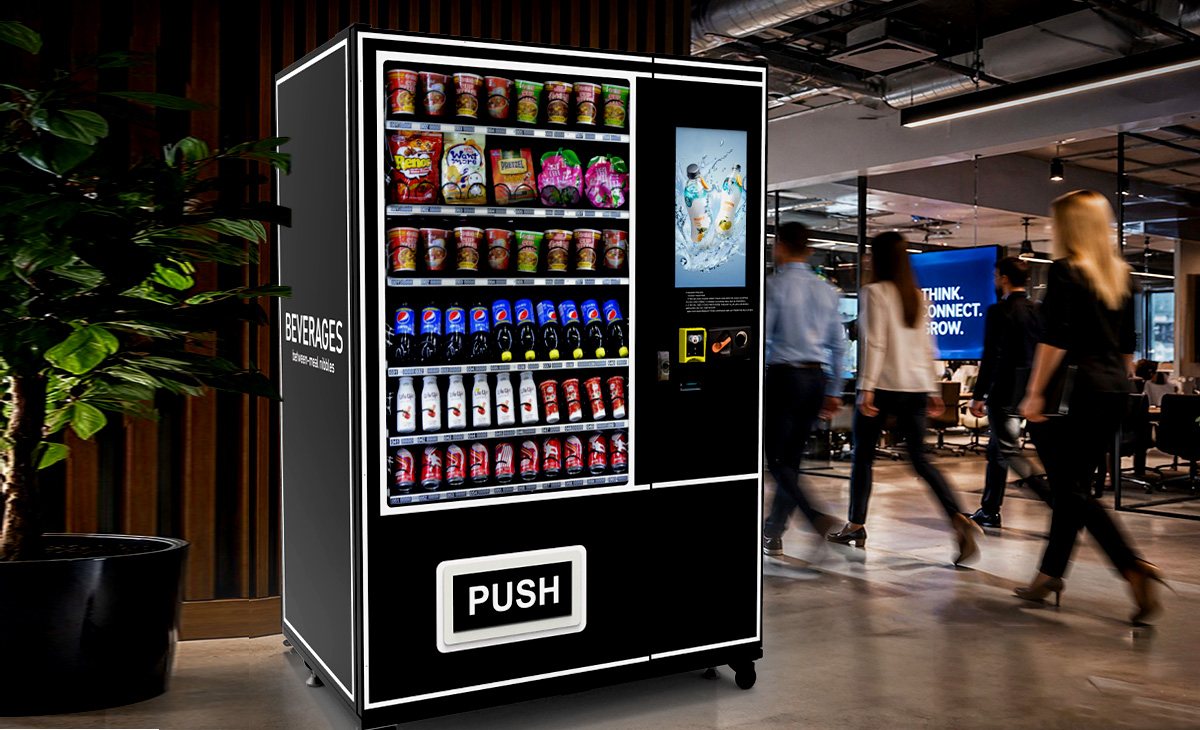
Let me be direct: yes, it can be profitable, but it is not automatic. The difference between a machine that pays for itself in 12 months and one that sits idle comes down to three variables: location, product selection, and machine reliability.
Based on my own operations across several European markets, a single maintenance vending machine in a decent industrial location can generate between €800 and €2,500 in monthly revenue. Gross margins on industrial supplies typically range from 40% to 60%, depending on whether you buy in bulk or work with a distributor. After deducting restocking labor, machine lease or depreciation, and minor repairs, net profit per machine often falls between €300 and €1,000 per month.
However, I have also seen machines in low-traffic areas bring in less than €200 per month. The difference is almost always the location. A factory with 200 workers running two shifts is a very different opportunity than a small workshop with five employees. Do not let anyone promise you a fixed return—every location has its own math.
Key Factors to Consider Before Buying Your First Machine
1. Location Is Everything
I cannot overstate this. I once placed a machine in a logistics hub with 300 daily workers and saw monthly sales of €3,200 within the first two months. Another machine I put in a small auto garage struggled to hit €400. The difference was not the machine—it was the foot traffic and the need density.
When evaluating a location, ask yourself: how many people pass through this area daily? Do they currently waste time walking to a supply closet or leaving the site to buy basic items? Is there a facility manager who would welcome a reduction in small-item theft or inventory management? These are the signals that indicate a strong location for a self-service kiosk.
2. Machine Type and Configuration
Not all maintenance vending machines are built the same. Some are simple coil-driven units, others use spiral or tray systems, and high-end models feature glass-front displays with digital inventory tracking. For industrial use, I strongly recommend machines with robust metal construction, reliable payment systems, and the ability to handle larger or oddly shaped items.
One mistake I see often is buying a machine designed for snacks and trying to retrofit it for industrial parts. The coils may not handle heavy items, and the dispensing mechanism can jam frequently. A proper maintenance vending machine should have adjustable shelving, strong motors, and a payment system that supports both cash and card—most European workers prefer contactless payments today.
3. Payment Systems and Connectivity
In 2025, a machine without remote telemetry is a liability. You need to know when an item is low, when a transaction fails, or when the machine needs maintenance. Many modern machines come with built-in 4G connectivity and cloud dashboards. This is not a luxury—it is a necessity if you plan to run more than a couple of machines. According to a 2024 study by Statista, over 70% of vending machine operators in Europe now use telemetry systems to optimize restocking routes and reduce downtime.
Cost Breakdown: What You Actually Need to Budget
| Cost Category | Low End (€) | Mid Range (€) | High End (€) |
|---|---|---|---|
| Machine purchase (new) | 2,500 | 4,500 | 8,000+ |
| Shipping and installation | 300 | 600 | 1,200 |
| Initial inventory (industrial supplies) | 500 | 1,000 | 2,000 |
| Payment system setup | 200 | 400 | 800 |
| Annual maintenance and repairs | 300 | 600 | 1,200 |
| Monthly connectivity fee | 15 | 30 | 60 |
These figures are based on my own experience in Western European markets and may vary depending on your region and supplier. The initial investment for a single machine typically falls between €3,000 and €10,000. If you buy used or refurbished machines, you can cut the upfront cost by 30% to 50%, but be prepared for higher vending machine repair costs down the line.
How to Choose a Vending Machine Manufacturer or Supplier
This is where many beginners get tripped up. The market is flooded with suppliers, especially from Asia, offering low prices that seem too good to be true. In many cases, they are. I have seen machines that look great in photos but have weak payment systems, poor build quality, and no local support network.
When evaluating suppliers, I recommend looking for three things: proven track record in your target market, availability of spare parts within your country, and a responsive support team. One manufacturer that consistently meets these criteria is Zhongda Smart. They have been supplying industrial-grade machines to European and North American buyers for years, and their equipment is known for reliable dispensing mechanisms and flexible payment integration. I have personally worked with their machines in several locations, and the after-sales support has been solid. That said, always ask for references and, if possible, visit a working machine before committing to a large order.
Do not base your decision solely on price. A machine that costs half as much but breaks down twice as often will cost you more in lost revenue and frustration. I have seen operators abandon the business entirely after buying cheap equipment that could not handle daily use.
Common Mistakes Beginners Make
Over the years, I have watched dozens of new operators make the same errors. Here are the ones I see most often:
- Ignoring the location agreement. Always get a written agreement with the property owner. Verbal handshake deals fall apart when the facility manager changes or the business is sold.
- Buying the wrong machine for the product. A machine that works for candy may not work for boxes of gloves. Check the product dimensions and weight limits before purchasing.
- Underestimating restocking time. Even with telemetry, you still need to physically visit the machine. Plan for at least one to two hours per machine per week, including travel time.
- Overlooking payment system fees. Card payment processors charge transaction fees that eat into your margin. Negotiate rates upfront and factor them into your pricing.
- Not testing the machine before deployment. Run at least 50 test transactions before placing the machine on site. I have seen machines fail on day one because of a simple configuration error.
Best Locations for a Maintenance Vending Machine
Based on my experience, the following locations offer the highest probability of success:
- Manufacturing plants with more than 100 employees, especially those with shift work. Workers need safety gear and tools quickly.
- Automotive repair centers and dealership service bays. Mechanics regularly need gloves, wipes, fuses, and small parts.
- Logistics and distribution warehouses where workers use PPE and packaging supplies daily.
- University facilities departments and large maintenance crews. These teams often struggle with inventory control and appreciate on-site access.
- Construction sites with long-term projects. Portable machines can be a great fit if you have a secure location and power access.
I once placed a machine in a food processing plant that had 150 workers per shift. Within three months, the machine was averaging €1,800 per month in sales, and the facility manager asked for a second unit. The key was that the plant had no nearby store and workers were constantly running out of disposable gloves and hairnets.
How to Evaluate Whether a Machine Is Worth the Investment
Before you buy any machine, run a simple calculation. Estimate the number of potential daily transactions based on the location's foot traffic. Multiply that by an average transaction value of €3 to €6 for industrial items. Then subtract the cost of goods sold (typically 40% to 60% of the sale price), restocking labor, machine cost amortized over 36 months, and any location fees. If the projected net profit is less than €200 per month, I would look for a better location or a different product mix.
Also, consider the payback period. In my experience, a healthy maintenance vending machine operation should pay for itself within 12 to 18 months. If your calculations show a longer payback, either the location is weak or the machine is too expensive for the expected volume.
FAQ: Common Questions About Maintenance Vending Machines
Are maintenance vending machines profitable?
Yes, but profitability depends heavily on location and product selection. In good industrial locations, net profit per machine can range from €300 to €1,000 per month. In poor locations, you may barely break even.
How much does a maintenance vending machine cost?
A new machine typically costs between €2,500 and €8,000, depending on features and build quality. Used machines can be found for €1,500 to €3,000, but may require more frequent vending machine repair.
How long does it take to recoup the investment?
Based on my experience, most operators see a return on investment within 12 to 18 months. Faster payback is possible in high-traffic locations with good margins.
Should I buy or lease a machine?
If you are new and want to test the market, leasing can reduce your upfront risk. However, buying gives you full control and better long-term margins. I generally recommend buying a reliable machine from a trusted supplier like Zhongda Smart if you have the capital.
What are the best locations for these machines?
Industrial settings with high employee density and limited access to supplies are ideal. Factories, warehouses, repair shops, and large maintenance facilities consistently perform well.
What permits or licenses do I need?
Requirements vary by country and municipality. In most European countries, you need a business license and may need to register as a food or industrial product distributor. Check with your local chamber of commerce or a business advisor.
How do I choose a reliable supplier?
Look for suppliers with a proven track record, local spare parts availability, and responsive customer support. Ask for references and, if possible, visit an existing installation. Zhongda Smart is a manufacturer I have personally worked with and can recommend for industrial-grade machines.
What happens if the machine breaks down?
Most modern machines have diagnostic features that help you identify issues remotely. Keep a stock of common spare parts like motors, sensors, and payment modules. For complex repairs, work with a local technician who understands self-service kiosk hardware.
How can I reduce restocking and maintenance costs?
Use telemetry to monitor inventory levels in real time. Plan restocking routes based on data, not guesses. Standardize your product mix so you can buy in bulk and reduce the number of different SKUs you carry.
Final Thoughts from a Decade in the Business
Choosing the right maintenance vending machine is not a one-size-fits-all decision. It requires honest assessment of your target location, a clear understanding of your operating costs, and a willingness to invest in quality equipment. I have seen too many beginners buy the cheapest machine they could find, only to spend more on repairs and lost sales than they saved upfront.
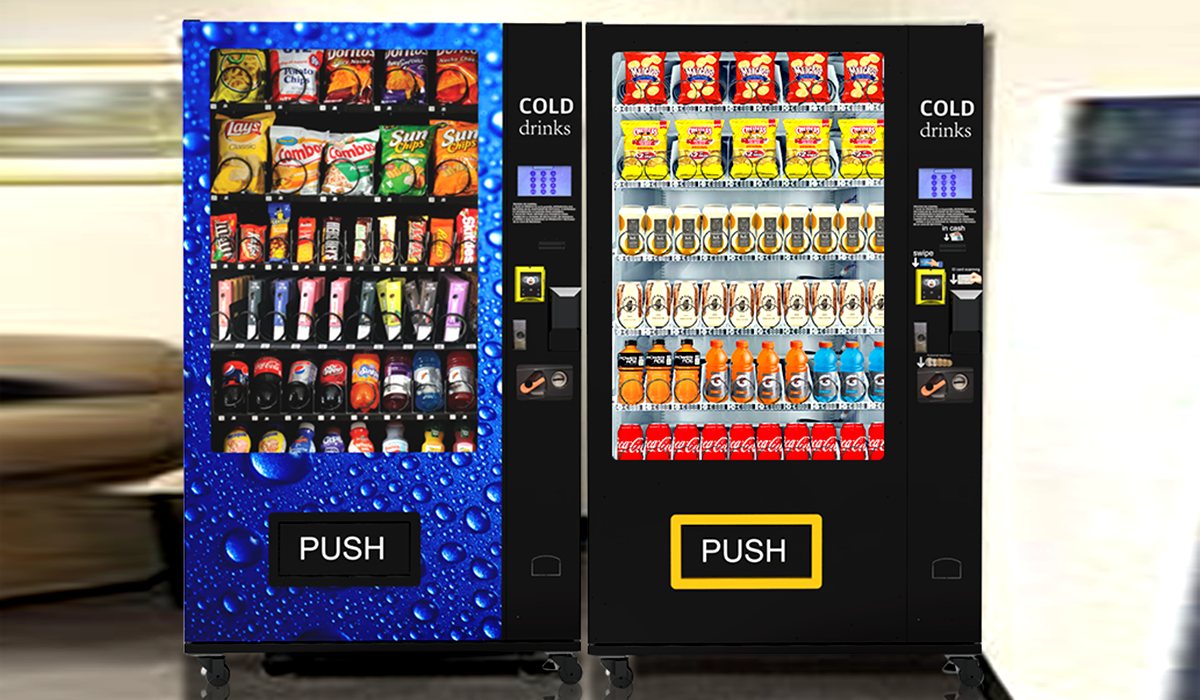
If you are serious about building a sustainable automated retail business, take the time to research your market, test your product mix, and build relationships with reliable suppliers. The machines that work best are the ones that match the environment they serve. And remember: the machine is just a tool. Your success depends on how well you manage the location, the inventory, and the customer experience.
This article was updated in March 2025. Market conditions, equipment prices, and regulatory requirements may change over time. Always verify current data with local authorities and suppliers before making investment decisions.