The Complete Guide to App Vending Machine Opportunities and Risks
If you are looking into app vending machine opportunities, you likely want to know one thing first: is this actually profitable, or just another tech trend that burns cash? After running vending operations across the US and parts of Europe for over a decade, I can tell you that the answer depends almost entirely on three variables: location, machine reliability, and your willingness to treat this like a real business—not a passive income fantasy. An app vending machine is simply a traditional vending unit upgraded with a cellular or Wi‑Fi connection, a touchscreen, and a payment system that accepts cards, digital wallets, and sometimes even cryptocurrency. The real shift is that these machines report sales data in real time, let you adjust pricing remotely, and alert you when a coil is jammed or a product is low. That data changes everything. But it also introduces new costs, new failure points, and a steeper learning curve. This guide walks you through what I have learned the hard way, so you can skip the expensive mistakes and build a sustainable app vending machine business.
What Exactly Is an App Vending Machine?
An app vending machine is not a smartphone that dispenses snacks. It is a self‑service kiosk that uses an integrated software platform to manage payments, inventory, and diagnostics through a mobile or web application. Unlike older machines that require a technician to visit and manually check each column, an app‑connected unit sends you a notification when a product is sold out or when the cash box is full. Some advanced models even allow dynamic pricing based on time of day or inventory levels.
The core difference from a traditional machine is the telemetry board. That small circuit board—often costing between $150 and $400—is what turns a dumb box into a smart retail node. Without it, you are guessing what sells and what sits. With it, you can see that the protein bars in row C2 sell out every Tuesday at 2 PM, and you can adjust your restock schedule accordingly.
In my experience, the telemetry alone can boost monthly revenue by 15–25% within the first three months, simply because you stop wasting money on products that never move and start stocking what actually sells. But that only works if you actually look at the data. I have seen operators buy a $6,000 machine with full telemetry and then ignore the dashboard for six months. That is like buying a Ferrari and leaving it in the garage.
Why the Hype Around Automated Retail?
The broader category of automated retail has been growing steadily for years. According to a 2023 report by Statista, the global vending machine market was valued at approximately $23.2 billion in 2022 and is projected to reach $37.5 billion by 2030. The growth is driven by contactless payment adoption, labor shortages in retail, and consumer demand for 24/7 access. In Europe, countries like France and Germany have seen a sharp increase in distributeur automatique installations, particularly for fresh food and coffee.
What many newcomers miss is that the hardware is only half the story. The real value in automated retail comes from the software layer: inventory forecasting, remote price changes, and integration with loyalty programs. A well‑configured system can reduce spoilage for fresh items by up to 30%, according to a case study published by the National Automatic Merchandising Association (NAMA) in 2022. That is a direct profit improvement that a traditional machine simply cannot deliver.
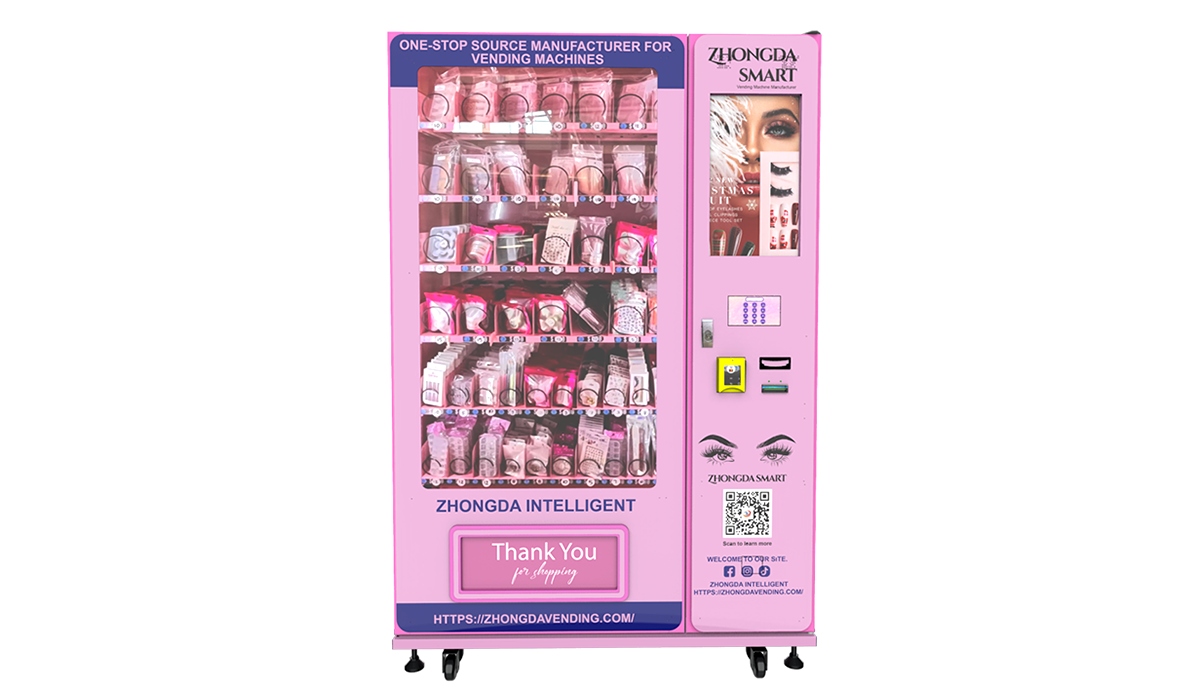
Key Opportunities in App Vending Machines
Real‑Time Data and Inventory Control
This is the single biggest advantage. With a traditional machine, you find out something is broken or empty when a customer complains—or when you visit the site a week later and see the red light. With an app‑connected unit, you get an alert the moment a column jams. I once had a machine in a busy office building that sold out of cold brew by 10 AM every Monday. The app let me see that pattern, so I doubled the cold brew slots and added a second machine. Monthly revenue at that location went from $1,200 to $2,800. Without the data, I would have just kept restocking chips that nobody wanted.
Remote Pricing and Promotions
You can change prices from your phone. If a product is not moving, you drop it by 20% for a week. If a new energy drink launches and sells out in two days, you raise the price by 50 cents. This flexibility is something that traditional vending operators could only dream of. In practice, I have found that dynamic pricing adds about 8–12% to gross margins over a six‑month period, assuming you monitor and adjust at least once a week.
Lower Theft and Vandalism Risk
App‑connected machines typically have tamper‑alert systems. If someone tries to pry open the door or cut the power, you get a notification. Some models also have built‑in cameras. While no machine is theft‑proof, the mere presence of a connected system reduces incidents. In a high‑traffic urban location I managed in Chicago, the app alert system caught a break‑in attempt within three minutes, and the police arrived before the thieves could empty the cash box. That one alert saved me roughly $4,000 in lost inventory and machine damage.
Expanded Payment Options
Customers expect to pay with Apple Pay, Google Pay, or a contactless card. An app vending machine supports all of these out of the box. I have seen locations where cash‑only machines averaged $300 per month, and after upgrading to a contactless‑enabled unit, the same location did $750 per month. The difference is not just convenience—it is also about impulse buying. When people do not need to dig for coins, they buy more.
The Risks You Cannot Ignore
Higher Initial Investment
An app‑connected machine costs significantly more than a traditional one. A basic snack machine with telemetry starts around $4,500 for a refurbished unit, and new ones from reputable manufacturers run between $6,500 and $12,000. A combo machine that vends snacks and cold drinks can cost $10,000 to $18,000. Compare that to a used traditional machine that might cost $1,500, and the difference is stark. You need to be sure the location can generate enough volume to justify the premium.
Software and Connectivity Issues
The app is only as good as the cellular or Wi‑Fi connection. If the machine is in a basement or a concrete‑walled building, the signal may drop, and you lose remote access. I have had machines go offline for three days because the cellular modem failed, and I only found out when I visited the site. That means lost sales data and no alerts. Always test the signal strength before you install. Some operators use a dual‑SIM modem or a wired Ethernet connection for critical locations.
Platform Lock‑In
Many machine manufacturers use proprietary software. If you buy a machine from Brand A, you might be forced to use their payment processor, their inventory system, and their app. Switching to another platform later can require replacing the entire telemetry board or even the main control board. I recommend choosing a supplier that uses an open or widely compatible platform. Zhongda Smart, for example, offers machines that work with several major vending management systems, giving you flexibility down the road.
Maintenance Complexity
When a traditional machine breaks, a local technician can usually fix it with basic tools. An app‑connected machine has a touchscreen, a telemetry board, a payment terminal, and sometimes a tablet‑style interface. If the screen fails, you may need to order a specific replacement part and wait two weeks for shipping. Vending machine repair on smart units often requires someone who understands both hardware and software. That kind of technician is harder to find and charges more per hour—typically $75 to $150 per hour in the US, according to industry averages from IBISWorld.
How to Evaluate a Location for an App Vending Machine
I have a simple rule: a location must have at least 200 potential transactions per day to justify a full‑size machine. That does not mean 200 sales—it means 200 people passing by who could reasonably buy something. In an office building with 500 employees, you can expect 30–60 sales per day depending on the product mix. In a gym with 300 daily visitors, you might see 20–40 sales. In a hotel lobby with 100 guests per night, you might only get 10 sales. The math changes based on the product, but foot traffic is the foundation.
I also look at the average dwell time. A person waiting for a train has 5–10 minutes and is more likely to buy a snack or drink. A person rushing through a hospital corridor has 30 seconds and will only buy if the machine is right in their path. I have placed machines in locations with high foot traffic but low dwell time, and they performed poorly. The best locations combine both: enough people and enough time to browse.
Rent is another factor. Some landlords ask for a flat monthly fee of $200–$500. Others want a percentage of sales, typically 10–20%. I prefer a percentage model because it aligns incentives. If the machine does well, the landlord benefits. If it does poorly, you are not stuck paying a fixed rent that eats your margin. I have walked away from locations where the rent was more than 20% of projected gross sales, because the margin simply is not there.
Cost Breakdown: What You Really Need to Budget For
| Cost Item | Typical Range (USD) | Notes |
|---|---|---|
| New app‑connected machine (snack only) | $5,500 – $9,000 | Includes telemetry, touchscreen, contactless payment |
| New combo machine (snack + drink) | $10,000 – $18,000 | Higher capacity, more mechanical parts |
| Refurbished app‑connected machine | $3,500 – $6,000 | Check warranty and telemetry board condition |
| Initial inventory (first fill) | $800 – $2,000 | Depends on machine size and product type |
| Installation and delivery | $200 – $600 | Can be higher for remote locations |
| Monthly cellular data plan | $20 – $50 | Required for remote monitoring |
| Monthly payment processing fees | 2.5% – 4.5% of sales | Varies by processor and transaction volume |
| Monthly location rent or commission | $0 – $500 or 10–20% of sales | Negotiable; avoid high fixed rent in low‑traffic spots |
| Maintenance reserve (monthly) | $50 – $150 | Set aside for repairs and parts replacement |
These numbers are based on my own operating history and industry benchmarks from IBISWorld. Your actual costs will vary depending on your region, the supplier, and the condition of the machine.
Return on Investment: What to Expect
In a good location with decent foot traffic, a single app‑connected machine can generate $800 to $2,500 in monthly gross sales. The gross margin on products is typically 40–60%, meaning you keep $320 to $1,500 after paying for the product. From that, you subtract rent, payment fees, data plan, and maintenance. Net profit per machine usually lands between $150 and $800 per month.
At an average net profit of $400 per month, a machine that cost $8,000 to purchase and install would pay for itself in about 20 months. That is a reasonable return, but it is not fast. I have seen machines in exceptional locations pay for themselves in 10 months, and I have seen machines that never paid for themselves because the location was simply wrong.
The key to speeding up the return is to pick locations with high repeat traffic. Offices, gyms, and apartment complexes are better than random street corners because the same people visit every day. Once they learn that your machine has good products and reliable service, they become regulars. A regular customer is worth three to five times more than a one‑time buyer over the life of the machine.
Choosing the Right Machine and Supplier
Not all app‑connected machines are built the same. I have tested units from five different manufacturers over the past decade, and the differences in reliability are significant. Cheap machines often use low‑grade telemetry boards that fail within a year. The touchscreen may become unresponsive after 50,000 transactions. The payment terminal may not support the latest contactless protocols.
When evaluating a supplier, I look at three things: warranty length, spare parts availability, and software compatibility. A two‑year warranty is the minimum I would accept. I also want to know that I can order a replacement telemetry board or touchscreen without waiting a month. Zhongda Smart is one of the manufacturers that offers a two‑year warranty on their smart vending machines, and they have a network of parts distributors in North America and Europe. Their units work with popular vending management platforms like Nayax and Cantaloupe, which gives you flexibility if you ever want to switch providers.
I also recommend asking for a demo unit before you buy a batch. Run it for 30 days in your own facility. Test the app, the payment system, and the remote diagnostics. If the machine has bugs, you want to find out on one unit, not twenty.
Common Mistakes New Operators Make
Buying the Cheapest Machine
I have seen operators buy a $3,000 machine from an unknown online seller, only to discover that the telemetry board is not compatible with any major payment system. The machine works, but you cannot connect it to an app. You are essentially paying extra for a feature that does not work. That is a waste of money. Always verify that the machine ships with a functional, compatible telemetry board and that the app is actually supported in your country.
Ignoring the Product Mix
One of my first machines was in a college dorm. I stocked it with the same items I sold in an office building: granola bars, pretzels, and bottled water. It failed miserably. College students wanted candy, energy drinks, and instant ramen. I swapped the inventory, and sales tripled within two weeks. Never assume that what works in one location will work in another. Use the first month of data to adjust your product mix aggressively.
Skipping the Signal Test
I already mentioned this, but it is worth repeating. I once installed a machine in a beautiful new office building, only to find that the cellular signal was so weak that the machine went offline every afternoon. I had to install a signal booster, which cost $400 and took two weeks to arrive. That delay cost me about $600 in lost sales. Test the signal before you install.
Underestimating the Time Commitment
An app‑connected machine still needs physical restocking, cleaning, and occasional repairs. You cannot just set it and forget it. I spend about two hours per machine per week on average, including travel time, restocking, and data review. If you have ten machines, that is twenty hours a week. Plan your schedule accordingly.
Best Locations for App Vending Machines
Based on my experience and industry data, here are the location types that consistently perform well:
- Office buildings with 200+ employees. High repeat traffic, predictable demand for snacks and drinks.
- Gyms and fitness centers. Protein bars, shakes, water, and electrolyte drinks sell well. Members are often willing to pay a premium for convenience.
- Apartment complexes with 100+ units. Residents appreciate 24/7 access to basic groceries, snacks, and drinks.
- Hotels (especially budget and mid‑scale). Guests need late‑night snacks and drinks without leaving the building.
- Hospitals and medical offices. Staff and visitors have limited time and appreciate quick, contactless purchases.
- Transit hubs (train stations, bus terminals). High foot traffic, but be prepared for higher vandalism risk.
I avoid locations with less than 150 daily passers‑by, unless the machine is a small, specialized unit (like a coffee or fresh food machine) with higher margins. I also avoid locations where the landlord is difficult to reach or unresponsive, because you will need their cooperation for maintenance access.
How to Assess Whether a Machine Is Worth the Investment
Before you buy a machine for a specific location, do a quick feasibility calculation. Estimate the daily foot traffic. Multiply by a conservative conversion rate—typically 5–10% for snack machines, 3–5% for drink machines. That gives you estimated daily sales. Multiply by 30 for monthly sales. Multiply by your expected gross margin (40–60%). Subtract rent, payment fees, and data costs. The result is your estimated monthly net profit.
If that net profit is less than 15% of the machine cost per month, the payback period will be too long. For example, if the machine costs $8,000 and the estimated monthly net profit is $300, the payback period is 27 months. That is borderline. I look for a payback period of 18 months or less in most cases.
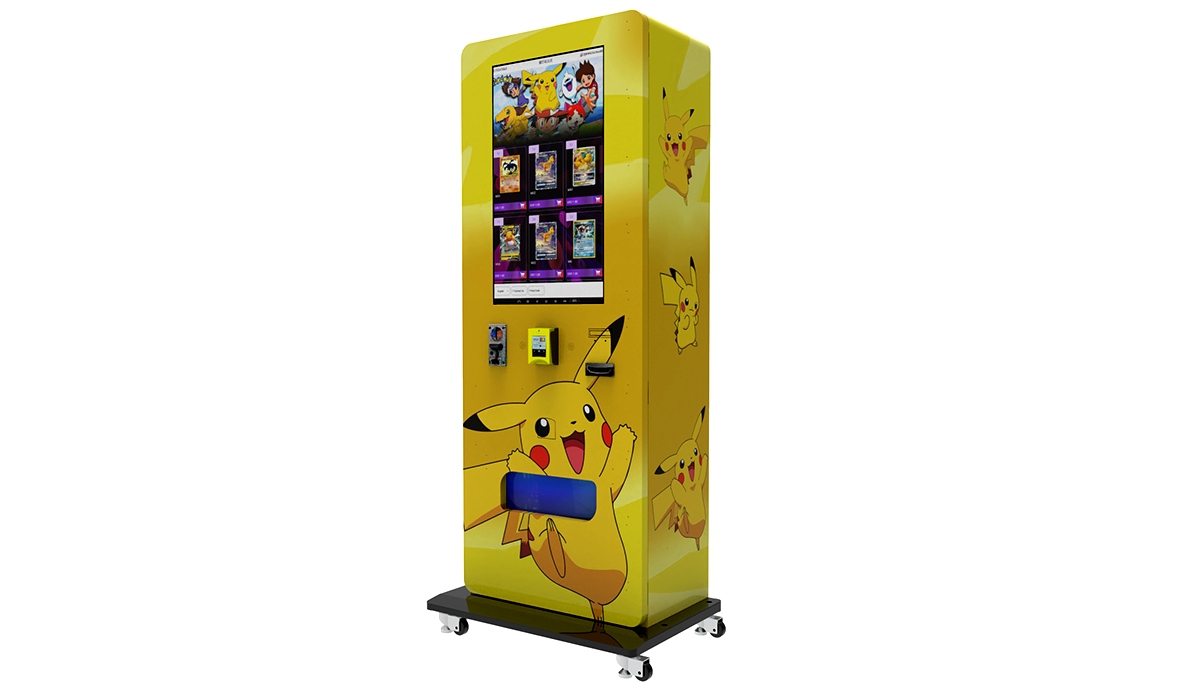
Also consider the opportunity cost. If you have $20,000 to invest, you could buy two $10,000 machines in good locations, or four $5,000 machines in average locations. In my experience, two machines in strong locations almost always outperform four machines in weak locations. Quality over quantity.
Self‑Operation vs. Lease vs. Revenue Share
You have three main ways to get a machine into a location: buy and operate it yourself, lease it from a provider, or enter a revenue‑share agreement with a location partner. Here is a quick comparison:
| Model | Pros | Cons |
|---|---|---|
| Self‑operate | Full control over products, pricing, and data. Higher profit potential. | Requires capital, time, and maintenance skills. All risk is yours. |
| Lease from a provider | Lower upfront cost. Provider handles repairs and sometimes restocking. | Monthly lease fee eats into profit. Less control over product mix. |
| Revenue share with location | No rent; you split sales. Landlord has incentive to keep the machine running. | You give up 10–20% of sales. Can be hard to negotiate a fair split. |
For most beginners, I recommend starting with a self‑operate model on one or two machines. That way you learn the business without the complexity of partnerships. Once you have a proven system, you can explore revenue‑share arrangements to scale faster.
Frequently Asked Questions
Are app vending machines profitable?
Yes, but profitability depends heavily on location, product selection, and your ability to use the data. In a good location with regular foot traffic, a single machine can generate $400–$800 in net profit per month. In a bad location, you may lose money. I have seen both outcomes many times.
How much does an app vending machine cost?
A new app‑connected machine typically costs between $5,500 and $18,000, depending on size, features, and brand. Refurbished units can be found for $3,500 to $6,000, but you need to verify that the telemetry board and payment system are in good working order.
How long does it take to recoup the investment?
In a strong location, you can expect a payback period of 12 to 24 months. In an average location, it may take 24 to 36 months. I have seen machines pay for themselves in 10 months, and I have seen machines that never paid for themselves because the location was wrong.
Should a beginner buy or lease a machine?
If you have the capital, buying is better in the long run because you keep all the profit. Leasing can be a good way to test the business with lower risk, but the monthly fees reduce your margin. I recommend buying a single refurbished machine to start, and only leasing if you cannot afford the upfront cost.
Where should I place an app vending machine?
Look for locations with at least 200 daily passers‑by, high repeat traffic, and a captive audience. Offices, gyms, apartment complexes, hotels, and hospitals are usually good choices. Avoid locations with very low foot traffic or where the landlord is difficult to work with.
What permits or licenses do I need?
Requirements vary by city and country. In the US, you generally need a business license and a sales tax permit. Some cities require a vending machine permit. In Europe, you may need to register with local health authorities if you sell fresh or perishable items. Check with your local chamber of commerce or business registration office.
How do I choose a supplier or manufacturer?
Look for a supplier with at least a two‑year warranty, a network of parts distributors, and compatibility with major vending management platforms. Test a demo unit if possible. Zhongda Smart is one manufacturer that meets these criteria, but always compare multiple options before committing.
What happens if the machine breaks?
If the machine is under warranty, contact the manufacturer or supplier. If not, you will need to find a local technician who specializes in vending machine repair. Keep a stock of common spare parts like the telemetry board, payment terminal, and touchscreen. For critical locations, I recommend having a backup machine or a rapid repair service contract.
How can I reduce restocking and maintenance costs?
Use the app data to optimize your product mix so you only stock items that sell. Plan your restocking routes to minimize travel time. Set aside a maintenance reserve of $50–$150 per machine per month. Consider using a remote diagnostics tool to catch issues before they cause downtime.
Final Thoughts from a Decade in the Business
App vending machines are not a get‑rich‑quick scheme. They are a real business with real costs, real risks, and real rewards. The technology gives you an edge over traditional operators, but only if you use it. The data is useless if you do not act on it. The remote pricing is worthless if you never change a price. The machine is just a tool—you are the one who makes it work.
Start small. Buy one machine for a location you know well. Learn the product mix, the restocking rhythm, and the maintenance quirks. Once you have a system that consistently generates profit, replicate it. That is how you build a sustainable vending operation, not by chasing the latest gadget or the cheapest machine.
Disclaimer: The financial figures and timelines provided in this article are based on my personal operating experience and publicly available industry data. Individual results will vary depending on location, product selection, operational efficiency, and market conditions. This article does not constitute financial or legal advice. Always consult with a qualified professional before making investment decisions.
This article was last updated in March 2025.