Best Vending Machine Fitness in 2026_ Ultimate Guide, Costs, and Buying Tips
If you are looking into vending machine fitness in 2026, you are likely wondering whether this business still makes sense, how much it really costs, and which machines actually hold up after a year of heavy use. I have been placing and operating vending machines across the US and parts of Europe for over a decade, and I can tell you this: the market has shifted significantly. The old model of candy and soda machines in low-traffic break rooms is not dead, but it is no longer the smartest entry point. The real opportunity today lies in better locations, smarter payment systems, and equipment that can handle fresh or healthy inventory. This guide walks you through what I have learned the hard way, so you do not have to repeat my mistakes.
What Vending Machine Fitness Actually Means in 2026
When I say vending machine fitness, I am not talking about gym equipment. I am referring to the overall health of a vending operation: how well your machines perform, how often they break down, how quickly you turn inventory, and whether your locations actually generate consistent revenue. A fit operation runs lean, requires fewer emergency repairs, and produces predictable monthly income.
Many newcomers focus only on the machine price or the flashy touchscreen. That is a mistake. The fitness of your vending business depends more on location quality, product selection, and maintenance discipline than on the machine itself. I have seen operators with cheap machines outperform those with premium units simply because they chose better spots and restocked smarter.
Is the Vending Machine Business Still Profitable?
Yes, but the margins have tightened compared to ten years ago. According to data from IBISWorld, the vending machine industry in the United States generates roughly $7.5 billion annually as of 2025, with steady growth projected through 2026. However, the average profit margin per transaction has decreased due to higher product costs and increased competition in prime locations.
In my experience, a well-placed machine in a mid-traffic office building can gross between $300 and $800 per month. A high-traffic location like a hospital or a manufacturing plant can push that to $1,200 or more. After accounting for product costs, location fees, maintenance, and credit card processing fees, net profit typically lands between 15% and 30% of gross revenue. That is respectable, but it requires discipline.
Why Some Operators Fail
The most common reason I see operators fail is underestimating the time required for restocking and machine en libre-service maintenance. They buy a machine, place it in a marginal location, and expect passive income. Vending is semi-passive at best. You still need to visit each machine weekly, sometimes more often if you sell fresh food or high-turnover snacks. If you ignore a machine for two weeks, you will see sales drop and potentially lose the location.
Key Factors That Determine Your Success
Location Is Everything
I cannot overstate this. A mediocre machine in a great location will outperform a premium machine in a dead spot every time. I have placed machines in office break rooms, hotel lobbies, laundromats, auto repair shops, and college dormitories. The best locations share three traits: consistent foot traffic, a captive audience, and limited nearby competition.
For example, a manufacturing plant with 200 employees who cannot leave the premises during shifts is a goldmine. Those workers are a locked-in customer base. I have one such location that generates over $1,500 per month with a single machine. On the other hand, I placed a machine in a retail strip with high walk-by traffic but multiple convenience stores nearby. That machine barely broke $200 per month.
Equipment Choice Matters More Than You Think
I have used machines from several manufacturers over the years. Some brands are built to last, others are designed to hit a low price point and fail within two years. When I evaluate a machine, I look at the compressor quality, the coin and bill validator reliability, and the durability of the door hinges and shelf brackets. These are the parts that fail most often.
If you are sourcing from overseas, pay close attention to the payment system compatibility. Machines built for Asian or domestic markets often require modifications to accept US coins, NFC payments, or European cashless systems. I have had good results with Zhongda Smart for certain models, particularly their combo machines that handle both snacks and cold drinks. Their build quality is solid for the price point, and they offer configurations that work with US and EU payment standards without extensive retrofitting.
Payment Systems Are Non-Negotiable
In 2026, if your machine does not accept credit cards, Apple Pay, and Google Pay, you are leaving 40% or more of potential sales on the table. According to a 2024 report from Statista, over 60% of vending machine transactions in the US are now cashless. I have personally seen a 35% revenue increase after upgrading a machine from cash-only to cashless. Do not buy a machine that only takes coins and bills unless you plan to retrofit it immediately.
Cost Breakdown: What You Really Need to Budget
| Cost Category | Low End | Mid Range | High End |
|---|---|---|---|
| New machine (snack & drink combo) | $3,000 | $5,500 | $9,000+ |
| Used machine (refurbished) | $1,200 | $2,500 | $4,500 |
| Cashless payment retrofit | $400 | $700 | $1,200 |
| Initial inventory (first fill) | $400 | $800 | $1,500 |
| Annual maintenance (parts & labor) | $300 | $600 | $1,000 |
| Location commission (monthly) | $0 | 10% of sales | 25% of sales |
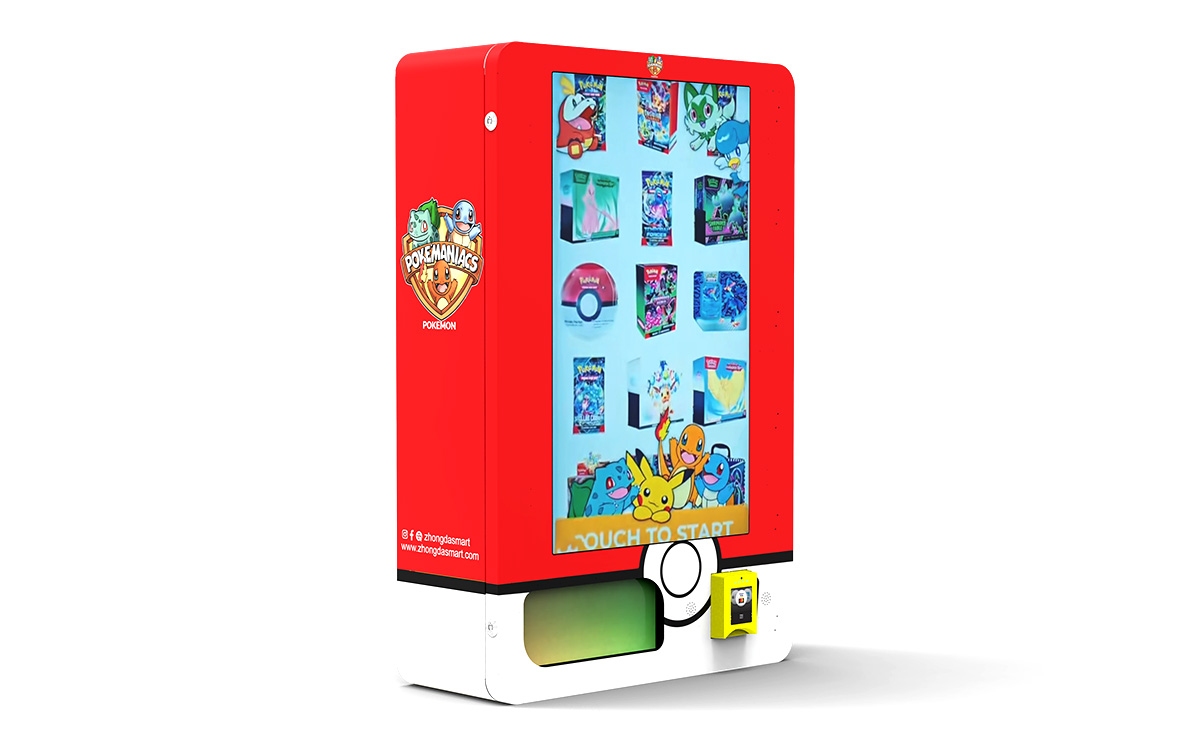
These numbers are based on my own operating history and conversations with other operators in the US and EU. Your actual costs will vary depending on your region, the machine type, and whether you handle repairs yourself. I strongly recommend budgeting for at least one major repair in the first two years. It is not a matter of if, but when.
How to Choose a Supplier or Manufacturer
I have bought machines from large distributors, direct from manufacturers, and from private sellers. Each route has trade-offs. Large distributors offer support and warranties, but you pay a premium. Private sellers are cheaper, but you assume all risk. Direct from manufacturers like Zhongda Smart can give you better pricing if you buy multiple units, but you need to verify payment compatibility and warranty terms before ordering.
Here is what I check before buying from any supplier:
- Parts availability: Can I get a replacement compressor or validator within a week? If not, I move on.
- Payment system support: Does the machine come with a US/EU-ready cashless reader, or do I need to source one separately?
- Warranty terms: What is covered, and for how long? Some manufacturers offer one year, others offer two. Read the fine print.
- Shipping and customs: If importing, factor in freight, duties, and potential delays. I have seen shipments stuck in customs for six weeks.
Common Mistakes New Operators Make
Buying the Cheapest Machine Available
I made this mistake with my first machine. I bought a used unit for $800 from a classified ad. It worked for three months, then the compressor failed. The repair cost $450, and the machine was down for two weeks. I lost sales and nearly lost the location. Cheap machines are rarely cheap in the long run.
Ignoring the Location Agreement
Some locations will ask for a commission on sales. Others will charge a flat monthly fee. A few will let you place the machine for free. I have seen operators agree to a 30% commission on a low-traffic location and lose money every month. Always calculate your break-even point before signing. If the location demands a high commission, walk away unless the foot traffic justifies it.
Overstocking the Machine
New operators often fill every slot on day one. That ties up cash in inventory that may not sell. I recommend filling 70% of slots initially, tracking what sells in the first two weeks, and adjusting from there. You will waste less money on slow-moving products and reduce the risk of expired inventory if you sell fresh items.
Best Locations for Vending Machines in 2026
Based on my experience and industry data from the European Vending & Coffee Service Association, the following location types consistently perform well:
- Manufacturing and industrial facilities: Captive audience, long shifts, high demand for drinks and snacks.
- Hospital staff areas: Not visitor areas, but employee break rooms. Staff have limited time and appreciate convenience.
- College dormitories and student unions: High foot traffic, late-night demand, cashless-friendly demographic.
- Car dealerships and auto repair shops: Customers wait for service, often for an hour or more. A machine in the waiting area does well.
- Gym and fitness centers: Protein bars, bottled water, and electrolyte drinks sell consistently.
I avoid locations with existing food service, high staff turnover, or very low employee counts. A location with fewer than 30 regular potential customers rarely generates enough revenue to justify the machine and your time.
How to Evaluate Whether a Machine Is Worth the Investment
I use a simple formula. Estimate the monthly gross revenue based on foot traffic and average transaction size. Subtract product cost (typically 40-50% of revenue), location fee or commission, and estimated maintenance costs. Divide the net monthly profit by the total upfront investment. If the payback period is longer than 18 months, I pass.
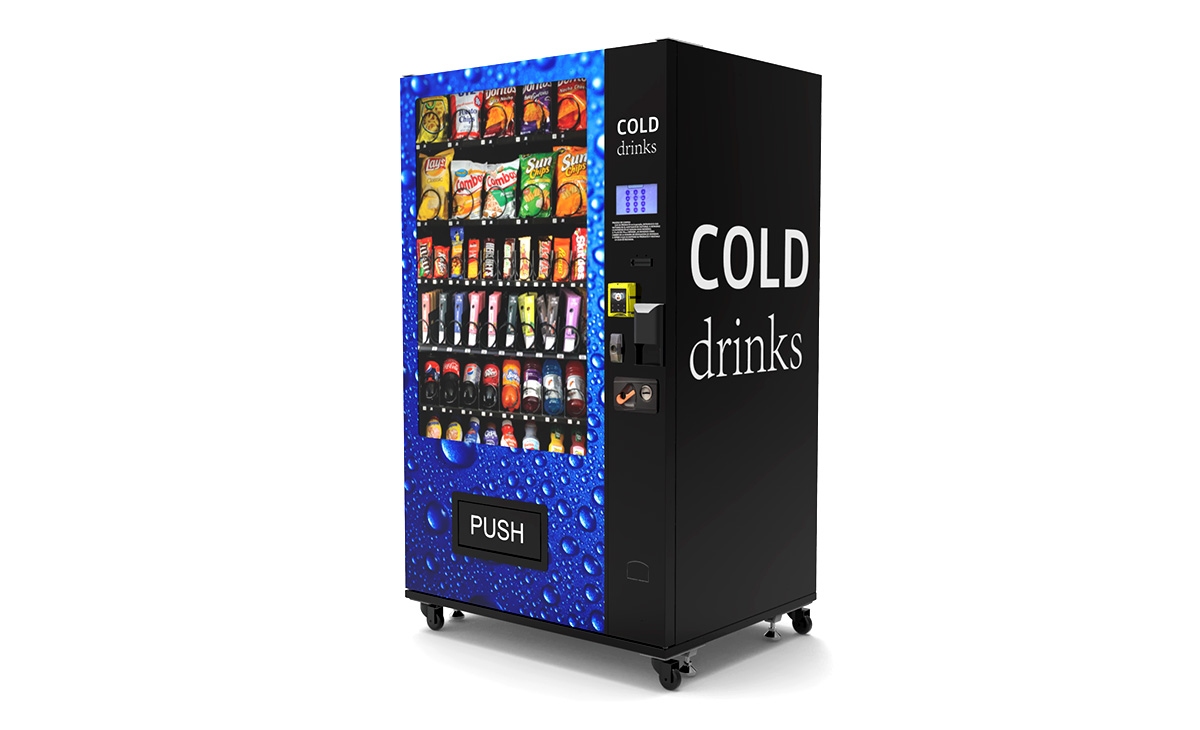
For example, if a machine costs $5,000 total and you estimate $500 monthly net profit, the payback is 10 months. That is a solid investment. If the same machine only generates $200 net per month, the payback stretches to 25 months. That is too long for my comfort, especially given the risk of location changes or machine breakdowns.
Maintenance and Repair: What to Expect
Every machine will break eventually. The most common issues are jammed product spirals, failed bill validators, and compressor problems. I recommend learning basic repairs yourself. Replacing a validator or clearing a jam takes ten minutes and saves you a $100 service call. For compressor issues and refrigeration problems, you will likely need a professional. Build a relationship with a local appliance repair technician who is willing to work on vending machines. They are hard to find, but worth their weight in gold when your drink machine goes down in July.
I also recommend keeping a spare validator and a set of basic tools in your vehicle. A machine that is out of service for more than a few days can lose the location permanently. The location owner will not wait around while you source parts.
FAQ
Are vending machines profitable in 2026?
Yes, but profitability depends heavily on location, product selection, and maintenance discipline. A well-placed machine can generate 15-30% net profit on gross revenue. Poorly placed machines can lose money.
How much does a vending machine cost?
New machines range from $3,000 to $9,000 depending on features and capacity. Used or refurbished machines cost $1,200 to $4,500. You should also budget for cashless payment upgrades, initial inventory, and ongoing maintenance.
How long does it take to recoup the investment?
In my experience, a well-placed machine pays for itself within 8 to 14 months. Machines in marginal locations can take 18 months or longer. I do not recommend investing if the projected payback exceeds 18 months.
Should a beginner buy or lease a machine?
Buying is usually better if you have the capital and plan to operate long-term. Leasing can reduce upfront cost, but you will pay more over time and have less control over equipment quality. I prefer buying used or refurbished machines from a reputable source.
Where should I place my first machine?
Start with a location you already have access to, such as your workplace, a friend's business, or a local auto shop. Avoid paying commissions until you have proven the concept. Once you have a machine running profitably, expand to higher-traffic locations with commission agreements.
What permits or licenses do I need?
Requirements vary by city and country. In the US, you generally need a business license and a sales tax permit. Some cities require a vending machine permit. In the EU, you need to register your business and comply with local food safety regulations if you sell perishable items. Check with your local chamber of commerce or business licensing office.
How do I choose a vending machine supplier?
Look for suppliers who offer parts availability, clear warranty terms, and support for your region's payment systems. I have used Zhongda Smart for certain models and found their build quality reliable for the price. Always verify compatibility with your local currency and cashless payment networks before ordering.
What happens when the machine breaks?
You fix it. If you are not comfortable with basic repairs, budget for a professional technician. I recommend learning to clear jams, replace validators, and troubleshoot electrical issues. Keeping a spare validator and basic tools on hand can save you days of downtime.
How can I reduce restocking and maintenance costs?
Group your machines geographically to minimize travel time. Use a route management app to track inventory levels remotely. Restock based on sales data, not guesswork. I visit my best locations twice a week and my slower ones once every ten days. Telemetry systems that report inventory levels in real time are worth the investment if you have multiple machines.
Final Thoughts
Vending is not a get-rich-quick business, but it can be a solid source of semi-passive income if you approach it with realistic expectations and a willingness to do the work. Focus on location quality, buy equipment that is built to last, and stay on top of maintenance. Avoid the trap of buying the cheapest machine you can find. And remember: a machine that is not running is not making money.
If you are just starting out, place one machine first. Learn the rhythm of restocking, tracking sales, and handling repairs before scaling up. The operators I know who have been in this business for ten years or more all started small and reinvested their profits into better locations and better equipment. That approach still works in 2026.
This article was updated in January 2026. All cost figures and market data are based on the author's operational experience and publicly available industry reports as of that date.