Vending Machine Exhibition Explained_ Features, Costs, and Market Trends
If you are researching the vending machine business in Europe or North America, you are likely asking the same three questions I heard every day for over a decade: Can it actually make money, what does it cost to get started, and where do you even put these machines? The honest answer is that a well-placed vending machine exhibition can generate between 400 and 1,200 EUR per month in gross revenue, but the difference between a profitable route and a money pit comes down to understanding features, real costs, and current market trends before you buy your first unit. I have seen too many newcomers lose thousands on cheap equipment that breaks down within six months, and I have also seen operators build steady, scalable income streams by choosing the right machine for the right location. This article breaks down everything I have learned from sourcing, placing, and maintaining vending machines across multiple markets, so you can avoid the expensive mistakes and make an informed decision.
What a Vending Machine Exhibition Actually Means in Practice
When I talk about a vending machine exhibition, I am not referring to a trade show or a convention hall. In the industry, an exhibition refers to the physical display and operation of a vending unit in a commercial space. It is the entire setup: the machine itself, the product assortment, the payment interface, and the customer experience. A successful exhibition depends on matching the right machine type to the right environment, and that is where most beginners get it wrong.
There are three main categories of vending machines you will encounter in the European and North American markets. Snack and beverage combos are the most common, accounting for roughly 60 percent of all new installations according to industry data from the European Vending & Coffee Service Association (EVA). Pure coffee machines represent another 25 percent, and the remaining 15 percent includes specialized units for fresh food, electronics, or personal care items. Each type requires a different approach to location selection, inventory management, and maintenance.
I have placed machines in office buildings, university campuses, hospitals, gyms, and transit stations. The best performing location I ever managed was a 24-hour gym in a mid-sized German city. That single machine, a combo unit with both snacks and cold drinks, averaged 1,100 EUR per month in sales for three consecutive years. The worst was a small retail store where the owner insisted on a 50 percent revenue split. That machine barely covered the cost of restocking. Location is everything, and understanding the difference between a high-traffic, high-demand spot and a low-engagement corner is the first skill you need to develop.
Key Features to Evaluate Before Buying a Machine
Payment Systems and Cashless Integration
The days of coin-only vending machines are ending fast. In Europe, cashless payments now account for over 70 percent of all vending transactions, according to a 2023 report by Statista. If your machine only accepts coins and bills, you are effectively turning away the majority of potential customers. I learned this the hard way when I placed a cash-only machine in a tech company break room. Sales were flat for three months until I swapped the payment system for one that accepted contactless cards and mobile wallets. Revenue jumped by 40 percent within two weeks.
When evaluating a machine, look for a payment system that supports NFC, Apple Pay, Google Pay, and major credit cards. Some modern units also offer QR code scanning through local payment apps like Twint in Switzerland or iDEAL in the Netherlands. The upfront cost for a cashless reader is typically between 200 and 500 EUR, but the return on investment is almost immediate in locations where customers expect digital payment options.
Inventory Management and Telemetry
Telemetry systems are no longer a luxury; they are a necessity for anyone running more than five machines. These systems use cellular or Wi-Fi connectivity to send real-time data on sales, inventory levels, and machine health directly to your phone or computer. Without telemetry, you are driving to locations blind, guessing what needs restocking, and wasting hours on unnecessary visits.
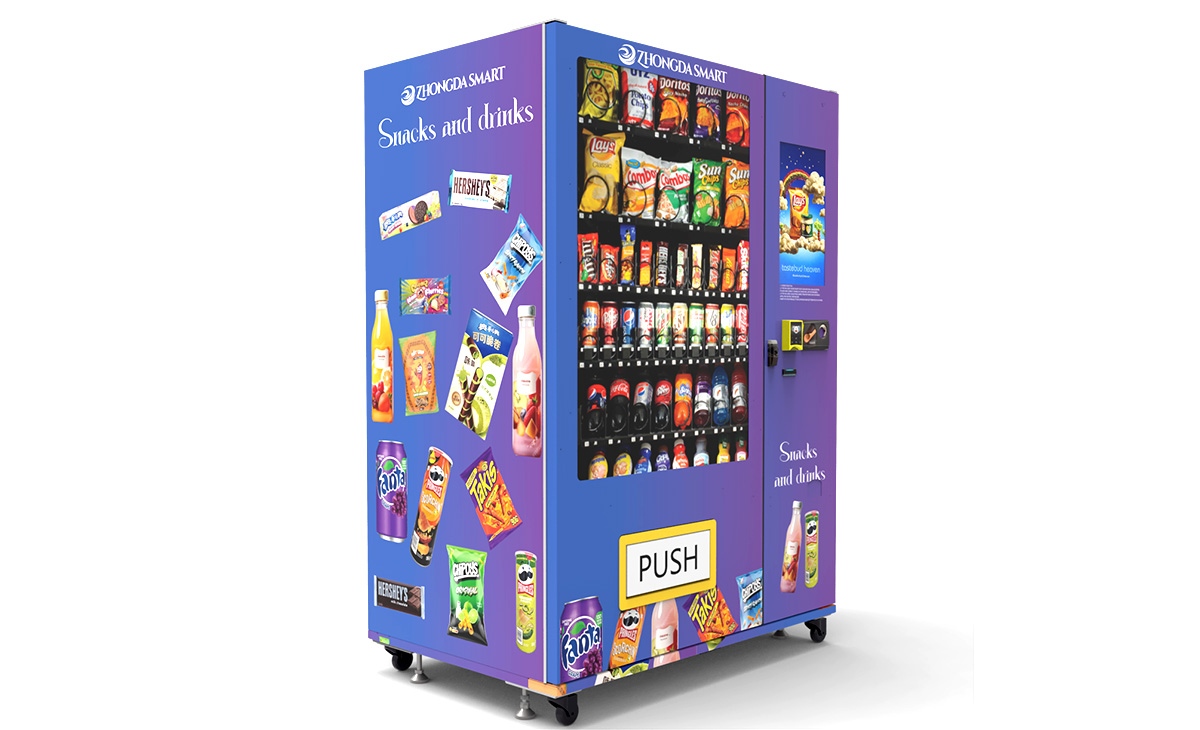
I once managed a route of 30 machines without telemetry. I spent three days per week driving to each location, checking stock, and collecting cash. After upgrading to machines with built-in telemetry, I reduced my route time to one day per week and cut fuel costs by 60 percent. The data also helped me identify slow-moving products and replace them with higher-margin items. Most reputable manufacturers, including Zhongda Smart, now offer telemetry as a standard feature on their newer models. If you are buying used equipment, factor in the cost of retrofitting a telemetry unit, which runs between 150 and 400 EUR per machine.
Refrigeration and Energy Efficiency
If you plan to sell perishable items like sandwiches, salads, or dairy products, the refrigeration system is critical. In Europe, energy efficiency ratings are becoming a major consideration because electricity costs have risen sharply. A machine with poor insulation and an outdated compressor can add 50 to 100 EUR per month to your operating expenses. Look for units with LED lighting, high-grade insulation, and energy-efficient compressors that meet EU energy labeling standards.
I have seen operators buy cheap refrigerated machines from unknown manufacturers only to discover that the cooling system fails within the first year. Repair costs for a compressor replacement can easily reach 600 EUR, and if the machine goes down during a heatwave, you lose not only sales but also the trust of the location host. Stick with established brands or verified suppliers that offer at least a two-year warranty on refrigeration components.
Real Costs: What You Need to Budget
The initial investment for a vending machine business varies widely depending on whether you buy new or used, the type of machine, and the payment system. Based on my experience and data from the National Automatic Merchandising Association (NAMA), here is a realistic breakdown of costs for the European market:
| Machine Type | New Price (EUR) | Used Price (EUR) | Monthly Operating Cost | Typical Gross Revenue |
|---|---|---|---|---|
| Snack & Beverage Combo | 4,000 – 7,000 | 1,500 – 3,500 | 150 – 300 | 600 – 1,200 |
| Bean-to-Cup Coffee | 5,000 – 9,000 | 2,000 – 4,500 | 200 – 400 | 800 – 1,500 |
| Fresh Food Refrigerated | 6,000 – 10,000 | 2,500 – 5,000 | 250 – 450 | 700 – 1,300 |
| Bulk Snack or Candy | 1,500 – 3,000 | 500 – 1,200 | 50 – 100 | 200 – 500 |
These figures are based on my personal route data and cross-referenced with industry averages from IBISWorld and NAMA. Keep in mind that operating costs include restocking labor, product wholesale cost, electricity, payment processing fees, and occasional maintenance. Gross revenue is the total sales before subtracting the cost of goods sold, which typically runs between 40 and 55 percent of revenue depending on your product mix.
Market Trends Shaping the Industry Right Now
The Shift Toward Healthy and Fresh Options
Consumer demand for healthier snacks and fresh food is reshaping the vending machine landscape. In the past, a machine stocked with chips, chocolate bars, and soda could perform well in almost any location. Today, office workers and gym-goers expect options like protein bars, nuts, dried fruit, sparkling water, and even fresh salads. I have seen machines in corporate cafeterias that generate 30 percent higher revenue after replacing half the candy with healthier alternatives.
This trend also affects machine design. Refrigerated units with multiple temperature zones are becoming more common because they allow operators to offer both cold drinks and fresh food in a single machine. If you are entering the market now, I recommend investing in a machine that can handle a diverse product range. The flexibility to adapt your inventory based on sales data is what separates profitable routes from stagnant ones.
Contactless and Mobile-First Payment Dominance
The pandemic accelerated the adoption of contactless payments in vending, and that shift is permanent. According to a 2024 report by the European Payments Council, contactless transactions in self-service retail increased by 55 percent between 2020 and 2023. Machines that lack modern payment interfaces are becoming obsolete. When I source equipment for clients, I prioritize machines that support multiple payment methods, including local mobile wallets and international credit cards. This is especially important in tourist-heavy locations like train stations or airports, where customers may not have local currency.
Remote Monitoring and Data-Driven Operations
Telemetry is no longer just a convenience; it is becoming a standard expectation for professional operators. The ability to monitor sales, track inventory, and receive alerts for machine errors in real time has transformed how routes are managed. I have seen operators reduce their labor costs by 30 to 40 percent simply by switching to machines with reliable telemetry. The data also allows for dynamic pricing and promotions, which can boost revenue during slow periods.
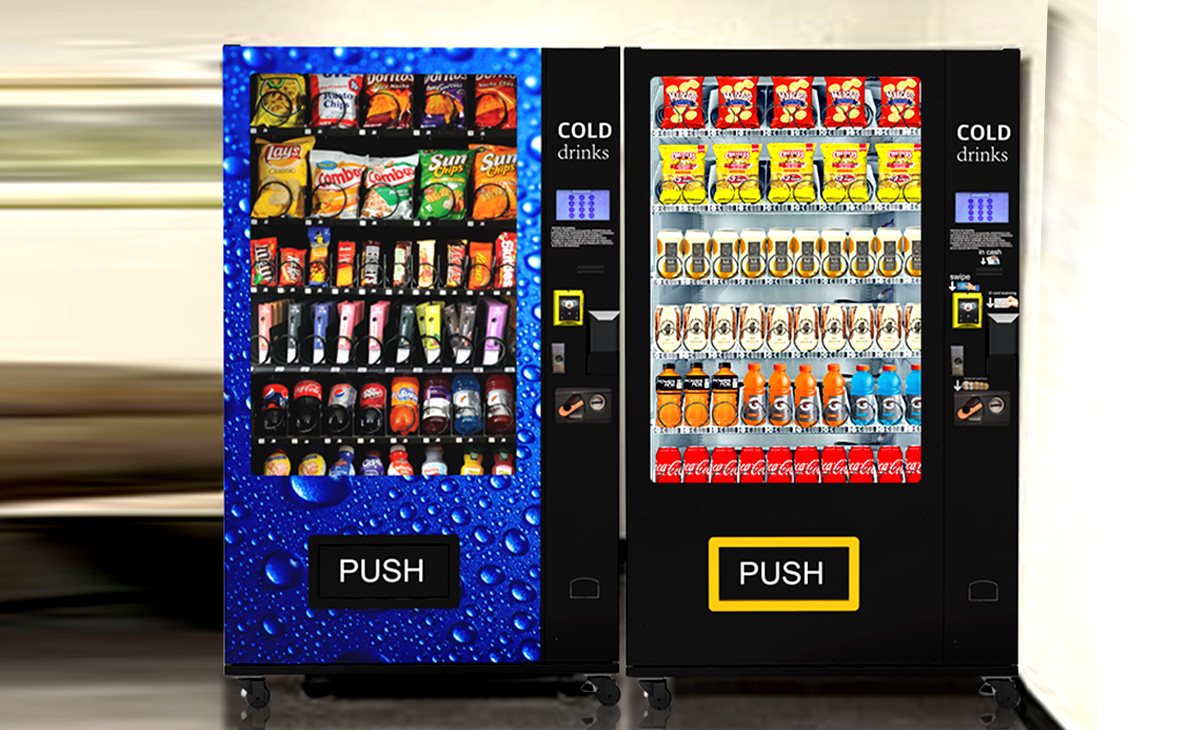
Manufacturers like Zhongda Smart have integrated telemetry into their latest models, making it easier for new operators to start with a data-driven approach. If you are buying used machines, consider the cost of adding a telemetry kit. It is one of the best investments you can make for long-term efficiency.
How to Choose a Supplier or Manufacturer
Selecting the right supplier is one of the most important decisions you will make. I have worked with dozens of manufacturers and distributors across Europe and Asia, and I have learned that price is rarely the best indicator of quality. Here are the criteria I use when evaluating a supplier:
- Warranty and after-sales support: A minimum two-year warranty on parts and labor is essential. Some manufacturers offer extended warranties for an additional cost, which can be worth it if you are operating in remote locations.
- Availability of spare parts: Check how quickly you can get replacement parts for common components like payment readers, compressors, and selection buttons. If the supplier cannot ship parts within 48 hours, you will face extended downtime.
- Certifications and compliance: Machines sold in the EU must meet CE marking requirements. In the UK, look for UKCA certification. Machines that lack proper certifications can cause legal issues and insurance problems.
- Customization options: Some locations require specific branding, color schemes, or product configurations. A supplier that offers customization can help you secure contracts with larger clients.
- References and reviews: Ask for contact information of other operators who have purchased from the same supplier. A reputable manufacturer will gladly provide references.
In my experience, Zhongda Smart is one of the few manufacturers that consistently meets all these criteria. They offer a range of machines suitable for the European market, including models with cashless payment systems, telemetry, and energy-efficient refrigeration. Their after-sales support is responsive, and they maintain a warehouse in Europe for faster spare parts delivery. I have recommended them to several colleagues who have had positive experiences.
Common Mistakes New Operators Make
I have made almost every mistake in the book, and I have watched others make the same ones. Here are the most common pitfalls and how to avoid them:
- Buying the cheapest machine available: Low-cost machines often use substandard components that fail quickly. The repair costs and lost revenue will far exceed the initial savings.
- Ignoring location agreements: Always get a written agreement with the property owner or manager. Verbal agreements can lead to disputes over revenue splits, machine placement, and access for restocking.
- Overstocking slow-moving products: Use sales data to adjust your inventory. Do not fill a machine with products that have not sold in two weeks. Replace them with items that have higher turnover.
- Neglecting machine cleanliness: A dirty machine repels customers. Wipe down the exterior, clean the selection buttons, and remove expired products regularly. First impressions matter.
- Underestimating maintenance costs: Set aside 10 to 15 percent of your monthly revenue for maintenance and repairs. If you do not use it, you will have a buffer when something breaks.
How to Evaluate a Potential Location
Not all high-traffic locations are profitable. I have placed machines in busy train stations that performed poorly because the competition from convenience stores and kiosks was too strong. Here is the framework I use to assess a location:
- Foot traffic quality: Are the people passing through likely to buy from a vending machine? Office workers, students, and gym members are ideal. Commuters in a hurry are also good, but only if the machine is placed in a direct line of sight.
- Existing competition: Check if there are other vending machines, cafeterias, or shops within a 100-meter radius. If there are multiple options, your machine will struggle to generate consistent sales.
- Accessibility for restocking: Can you drive a vehicle close to the machine? Do you have access during business hours? Locations that require long walks with heavy product loads increase labor costs.
- Security and lighting: Machines placed in poorly lit or unsupervised areas are more likely to be vandalized. Choose locations with good lighting and, if possible, security cameras.
I once placed a machine in a 24-hour laundromat based solely on foot traffic numbers. The location had high traffic, but the average customer stayed for less than 10 minutes and rarely had cash or cards ready. Sales averaged 150 EUR per month, barely covering the electricity and restocking costs. I moved the machine to a nearby student dormitory, and revenue tripled within the first month. Location evaluation is not just about numbers; it is about understanding the behavior of the people in that space.
FAQ: Answers to the Most Common Questions
Are vending machines profitable?
Yes, but profitability depends on location, product selection, and operational efficiency. A well-placed machine can generate 600 to 1,200 EUR per month in gross revenue, with net profit margins between 20 and 40 percent after product costs, electricity, and maintenance. However, poorly placed machines can lose money. I have seen operators break even within six months and others who never recovered their initial investment.
How much does a vending machine cost?
New machines range from 1,500 EUR for a basic bulk candy unit to 10,000 EUR for a high-end fresh food refrigerated model. Used machines are cheaper, typically 500 to 5,000 EUR, but may require repairs or upgrades. Factor in additional costs for payment systems, telemetry, and installation.
How long does it take to recoup the investment?
Based on my experience, a well-performing machine in a good location can pay for itself within 12 to 18 months. Machines in exceptional locations can recoup costs in as little as 8 months. Slower locations may take 24 months or longer. The key is to monitor sales data and be willing to move underperforming machines.
Should I buy or lease a vending machine?
Buying is better for long-term profitability because you keep 100 percent of the revenue after costs. Leasing or renting reduces upfront risk but typically involves revenue sharing or monthly fees that cut into your margins. I recommend buying if you have the capital and are committed to the business for at least two years.
Where are the best locations for vending machines?
Office buildings, universities, hospitals, gyms, transit stations, and industrial facilities consistently perform well. The best locations have high foot traffic, captive audiences, and limited competition from other food and drink options. Avoid locations with existing vending machines unless you can offer a better product selection or lower prices.
What permits or licenses do I need?
Requirements vary by country and local jurisdiction. In most EU countries, you need a business license and may need to register as a food business operator if you sell perishable items. Some locations require a vending machine permit or health inspection. Check with your local chamber of commerce or municipal office before placing any machine.
How do I choose a vending machine supplier?
Look for suppliers with a proven track record, positive reviews from other operators, and strong after-sales support. Verify that their machines meet EU or UK safety and energy standards. Ask about warranty terms and availability of spare parts. I have had good experiences with Zhongda Smart for their reliability and customer support.
What happens if the machine breaks down?
Most modern machines have diagnostic features that alert you to common issues via telemetry. For mechanical problems like a jammed coil or a faulty compressor, you will need to either repair it yourself or call a technician. Having a backup plan, such as a spare machine or a relationship with a local repair service, minimizes downtime.
How can I reduce restocking and maintenance costs?
Invest in telemetry to track inventory levels remotely. Optimize your route to visit multiple locations in a single trip. Standardize your product selection across machines to reduce the number of different items you need to carry. Regular preventive maintenance, such as cleaning condenser coils and checking seals, prevents costly breakdowns.
Final Thoughts from a Decade in the Business
The vending machine industry is not a get-rich-quick scheme, but it is a solid, scalable business model for anyone willing to learn the operational details. I have seen operators build profitable routes with as few as five machines, and I have watched others fail because they ignored location data or bought inferior equipment. The difference is almost always in the preparation.
Start with one machine in a location you know well. Track every cost and every sale. Learn how to perform basic repairs yourself. Build relationships with location hosts and suppliers. Once you have a system that works, scale slowly. The vending machine exhibition you set up today is the foundation of your future route. Make sure it is built on solid ground.
This article was updated in June 2025. The data and cost estimates reflect market conditions in Europe and North America at that time. For the most current information, consult local industry associations and equipment suppliers.