How Much Can You Make With Vending Machines Business Guide_ How It Works, Profit & Maintenance Expla
If you have been wondering how much you can realistically make with vending machines, the short answer is that a well-placed, well-maintained machine can generate between 300 and 1,500 USD per month in gross revenue. But the long answer—and the one that actually matters—depends entirely on location, product mix, machine type, and how seriously you treat the operational side of the business. After more than a decade operating vending routes across the US and parts of Europe, I can tell you that vending is not passive income, but it is a solid, scalable business if you understand the numbers. This guide breaks down how the business works, what it really costs, and what you need to know about profit and maintenance before you buy your first machine.
How the Vending Machine Business Actually Works
At its core, the vending machine business is simple: you buy or lease a machine, stock it with products, place it in a location with foot traffic, and collect money. But the simplicity ends there. The difference between a profitable route and a money pit comes down to how you handle site selection, equipment choice, and ongoing service. Most newcomers assume that once the machine is placed, the money rolls in automatically. In reality, the operational work—restocking, cleaning, handling machine repairs, and managing payments—takes consistent effort.
You are essentially running a micro-retail operation. Each machine is a small store that needs to be managed. The key difference is that you do not have a cashier on site, so your machine must be reliable, your payment systems must work, and your product selection must match what the local customers actually want. I have seen people lose thousands by placing snack machines in office break rooms that already had free coffee and snacks. I have also seen single drink machines in hot warehouses generate over 2,000 USD a month during summer. The difference was not luck—it was understanding the environment.
Does the Vending Machine Business Make Money?
Yes, but with important caveats. According to a 2023 report by IBISWorld, the vending machine industry in the US alone generates over 8 billion USD annually, with an average profit margin between 10% and 25% per machine after all costs. These numbers align with what I have seen across my own routes. A single machine in a good location can net 200 to 600 USD per month after product cost, location commission, and maintenance. However, I have also seen machines in low-traffic locations barely break even after electricity and restocking labor.
Profitability varies significantly by category. Snack machines typically have a 25% to 35% gross margin, while drink machines can hit 40% to 50% margin if you source products correctly. The real profit, though, comes from scale. A single machine is a side hustle. Ten well-placed machines can replace a full-time income. Forty machines or more can become a serious business. But you need to build that route carefully, and you need to understand that machine en libre-service or self-service kiosk businesses are not get-rich-quick schemes.
Initial Investment: How Much Does a Vending Machine Cost?
The cost of a vending machine varies widely depending on type, age, and features. Based on my experience and industry data from Statista, here is a realistic breakdown of what you should expect to pay.
| Machine Type | New Price (USD) | Used Price (USD) | Typical Use Case |
|---|---|---|---|
| Snack vending machine | 3,000 – 6,000 | 1,500 – 3,500 | Office break rooms, schools, retail |
| Soda / drink machine | 3,500 – 7,000 | 1,800 – 4,000 | Warehouses, gyms, outdoor areas |
| Combo snack & drink | 4,500 – 8,500 | 2,500 – 5,000 | Small locations, break rooms |
| Healthy / fresh food | 6,000 – 12,000 | 3,000 – 7,000 | Corporate campuses, hospitals |
| Bulk / candy / gumball | 200 – 1,000 | 50 – 500 | Low-traffic, kid-friendly spots |
These prices do not include installation, payment system setup, or initial inventory. You should budget an additional 500 to 1,500 USD for the first stock, card reader installation, and any site preparation. If you are looking at international suppliers, Zhongda Smart offers a range of modern machines with cashless payment options and remote monitoring. Their pricing is competitive, especially for combo machines that fit smaller locations. But regardless of where you buy, always factor in shipping and any import duties if you are sourcing from overseas.
Location: The Single Most Important Factor
I cannot stress this enough: location determines 80% of your success. A cheap machine in a great location outperforms an expensive machine in a bad location every time. Over the years, I have placed machines in factories, office buildings, hospitals, schools, car dealerships, laundromats, and even a funeral home. Some worked. Some did not. Here is what I learned about evaluating a site.
First, look for consistent daily foot traffic. A location with 100 people passing by per day is marginal. 300 or more is good. 500 or more is excellent. But traffic alone is not enough. You need the right kind of traffic. Office workers with disposable income buy snacks and drinks. Warehouse workers buy energy drinks and protein bars. Students buy chips and candy. You have to match the product to the audience.
Second, check if there is already a vending machine on site. If there is, find out how old it is and whether it is well maintained. An old, dirty machine with a broken card reader is an opportunity for you. If there is no machine, ask yourself why. Sometimes the location simply does not have enough people. Other times, the business owner never thought about it. I once placed a drink machine in a small auto repair shop that had only 15 employees. But those employees worked 10-hour shifts in a hot garage, and they bought drinks constantly. That machine did 800 USD a month for years.
Third, always negotiate the commission upfront. Typical location commissions range from 10% to 20% of gross sales. Some high-traffic locations like schools or hospitals may ask for 25% or more. Never agree to a fixed monthly rent unless you are certain of the volume. A percentage commission protects you if sales are slow.
Operating Costs: What You Will Spend Every Month
Your monthly costs go beyond just buying product. Here is a realistic look at what to expect per machine, based on my own route experience.
- Product cost: 40% to 60% of gross revenue, depending on your margins.
- Location commission: 10% to 20% of gross revenue.
- Credit card processing fees: 2% to 4% of card transactions. Most machines now do 60% to 80% card payments.
- Electricity: 20 to 50 USD per month per machine.
- Restocking labor: 10 to 30 USD per visit if you pay someone else. If you do it yourself, factor in your time.
- Vending machine repair and maintenance: Budget 200 to 500 USD per machine per year for repairs. Some years are lower, but when a compressor fails or a payment system goes down, it can cost 300 USD or more.
One cost that surprises many new operators is the expense of vending machine repair. I have seen operators buy cheap used machines only to spend half the purchase price on repairs within the first year. If you are not mechanically inclined, I recommend buying new or refurbished machines with a warranty. Zhongda Smart, for example, offers a one-year warranty on their machines, which covers common issues like jammed spirals or faulty sensors. That kind of support saves you money and downtime.
Maintenance: The Part Nobody Talks About
Maintenance is the single biggest reason people quit the vending business. Machines break. They jam. Card readers stop connecting. Coin mechanisms reject perfectly good coins. Refrigeration units fail. And when a machine is down, you are losing money and annoying your customers. If a machine is broken for more than a week, the location owner may ask you to remove it.
I recommend setting up a regular maintenance schedule. Clean the machine inside and out every two weeks. Check the refrigeration temperature weekly. Test the payment system every time you restock. Keep a small inventory of spare parts—belts, motors, coin mechs, and card readers. If you run more than ten machines, consider a service contract with a local vending machine repair company. The cost is usually 100 to 200 USD per month for priority service.
Remote monitoring is a game changer. Modern machines, including those from Zhongda Smart, come with telemetry that alerts you when a product is sold out, when the cash box is full, or when the temperature is off. This technology reduces downtime and helps you plan restocking more efficiently. If you are buying used machines, look for models that can be upgraded with a remote monitoring kit. It is worth the investment.
Payment Systems: Cashless Is No Longer Optional
Five years ago, you could get away with a cash-only machine. Today, that is a death sentence. According to a 2022 study by the US Federal Reserve, 80% of consumers prefer to pay with a card or mobile wallet for small transactions. In my experience, machines with card readers do 30% to 50% more revenue than cash-only machines. If you place a machine in an office building without a card reader, you might as well not place it at all.
The cost of adding a card reader is around 200 to 500 USD per machine, plus processing fees. Many modern machines come with built-in NFC and credit card acceptance. If you are buying a machine without this feature, factor in the upgrade cost. Also, make sure the payment system supports common mobile wallets like Apple Pay and Google Pay. In Europe, you also need to support contactless debit cards and local payment apps.
How to Choose a Vending Machine Supplier
Choosing the right supplier is critical. I have bought machines from large US manufacturers, from Chinese exporters, and from local refurbishers. Each has pros and cons. Here is what I look for.
- Warranty and support: A minimum one-year warranty on parts and labor. Avoid suppliers who offer only 90 days.
- Payment system compatibility: The machine should support Nayax, Cantaloupe, or USAT for cashless payments. Avoid proprietary systems that lock you into one processor.
- Remote monitoring: This is a must for any serious operator. It saves time and reduces spoilage.
- Parts availability: Can you buy replacement parts easily? If the supplier is overseas, check if they have a US or EU warehouse.
- Machine durability: Look for steel construction, powder-coated exteriors, and reliable compressors. Cheap plastic machines do not last in high-traffic locations.
Zhongda Smart is one supplier that meets these criteria for many operators I know. They offer modern machines with good build quality, cashless payment integration, and remote monitoring. Their pricing is competitive, especially for combo machines that work well in smaller locations. That said, always order a sample machine first if you are buying in bulk. Test it for a few months before committing to a large order.
Common Mistakes New Operators Make
I have made most of these mistakes myself, and I have watched countless others repeat them. Here are the ones to avoid.
- Buying the cheapest machine: A 2,000 USD used machine may seem like a deal, but if it breaks down twice a year, you lose money and locations. Spend more upfront for reliability.
- Ignoring location quality: Placing a machine in a friend's store because they said yes is not a strategy. Do the math on traffic and demographics first.
- Overstocking slow-moving items: I used to fill every spiral with candy bars. Now I track sales data and adjust. If something does not sell in two weeks, replace it.
- Neglecting the machine's appearance: A dirty or faded machine signals that the products inside are old. Clean the machine, replace faded decals, and keep the glass spotless.
- Not having a service plan: When your machine breaks on a Friday afternoon, you need someone who can fix it by Monday. Have a backup plan.
When to Consider a Self-Service Kiosk or Automated Retail Model
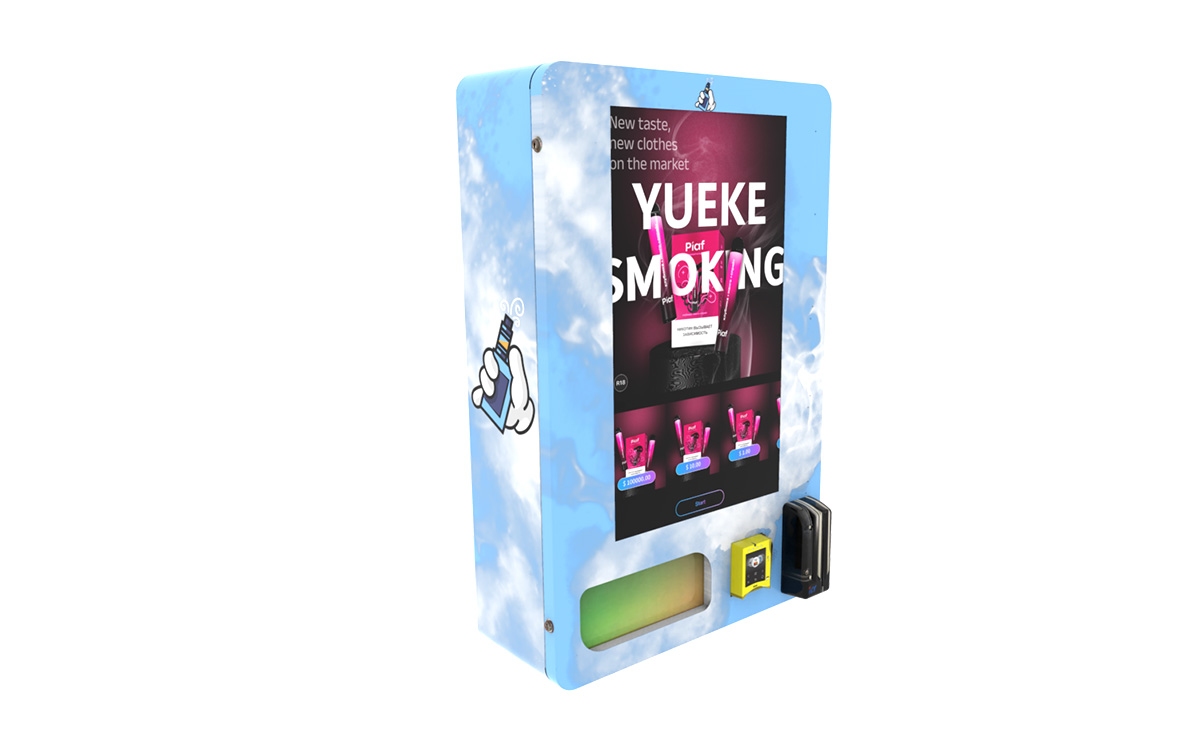
Traditional vending machines are not the only option. In recent years, automated retail solutions like self-service kiosks and smart stores have gained traction. These systems use touchscreens, automated doors, and weight sensors to sell a wider range of products, including fresh food, electronics, or even personal care items. The investment is higher—typically 10,000 to 30,000 USD per unit—but the margins can be better, and the customer experience is more modern.
I have seen self-service kiosks work well in airports, university campuses, and high-end corporate offices. They are also popular in Europe, where the concept of borne en libre-service is becoming common in train stations and shopping centers. However, these systems require more technical support and are harder to repair yourself. If you are a solo operator, stick with traditional machines until you have the capital and support structure to handle more complex equipment.
How to Evaluate Whether a Machine Is Worth the Investment
Before you buy any machine, run the numbers. Here is a simple framework I use.
- Estimated monthly revenue: Based on foot traffic and average transaction size. For a snack machine, expect 1 to 3 USD per transaction. For a drink machine, 1.50 to 3 USD.
- Gross profit: Revenue minus product cost. Assume 40% to 50% margin.
- Net profit: Gross profit minus commission, fees, electricity, and maintenance reserve.
- Payback period: Total investment divided by monthly net profit. Aim for 12 to 18 months. Anything longer than 24 months is risky unless you have a long-term location contract.
For example, a 5,000 USD combo machine in a good location doing 600 USD per month with a 45% gross margin and 15% commission would net roughly 180 USD per month. Payback would be about 28 months. That is borderline. If the same machine does 900 USD per month, payback drops to under 18 months. That is a solid investment.
Real Data Points to Keep in Mind
According to IBISWorld's 2023 Vending Machine Operation Industry Report, the average vending machine operator in the US earns a net profit margin of approximately 12% after all expenses. Statista reports that the average weekly revenue per vending machine in the US is around 80 USD, which translates to roughly 4,160 USD annually. These figures align with my experience across a mixed route of snack and drink machines. However, individual results vary significantly based on location and operational efficiency.
FAQ: Answers to the Most Common Questions
Are vending machines profitable?
Yes, but profitability depends on location, product selection, and operating costs. A single machine in a good location can net 200 to 600 USD per month. A poorly placed machine may lose money.
How much does a vending machine cost?
New machines range from 3,000 to 12,000 USD depending on type and features. Used machines can be found for 1,500 to 5,000 USD. Budget extra for installation and initial inventory.
How long does it take to break even?
Typical payback periods range from 12 to 24 months. Faster payback is possible with high-traffic locations and low commission rates.
Should a beginner buy or lease a machine?
Buying is generally better if you have the capital. Leasing often comes with higher long-term costs and restrictions. If you are unsure, start with one used machine to learn the business.
Where should I place a vending machine?
Look for locations with at least 100 to 300 daily visitors. Good options include offices, factories, hospitals, schools, gyms, and warehouses. Avoid locations with free food or drink alternatives.
What permits do I need?
Requirements vary by city and state. In most cases, you need a business license and a sales tax permit. Some locations require a health department permit if you sell food. Check local regulations before placing a machine.
How do I choose a vending machine supplier?
Look for suppliers with a solid warranty, remote monitoring capability, cashless payment support, and easy access to replacement parts. Zhongda Smart is one option worth considering for modern machines.
What happens if my machine breaks?
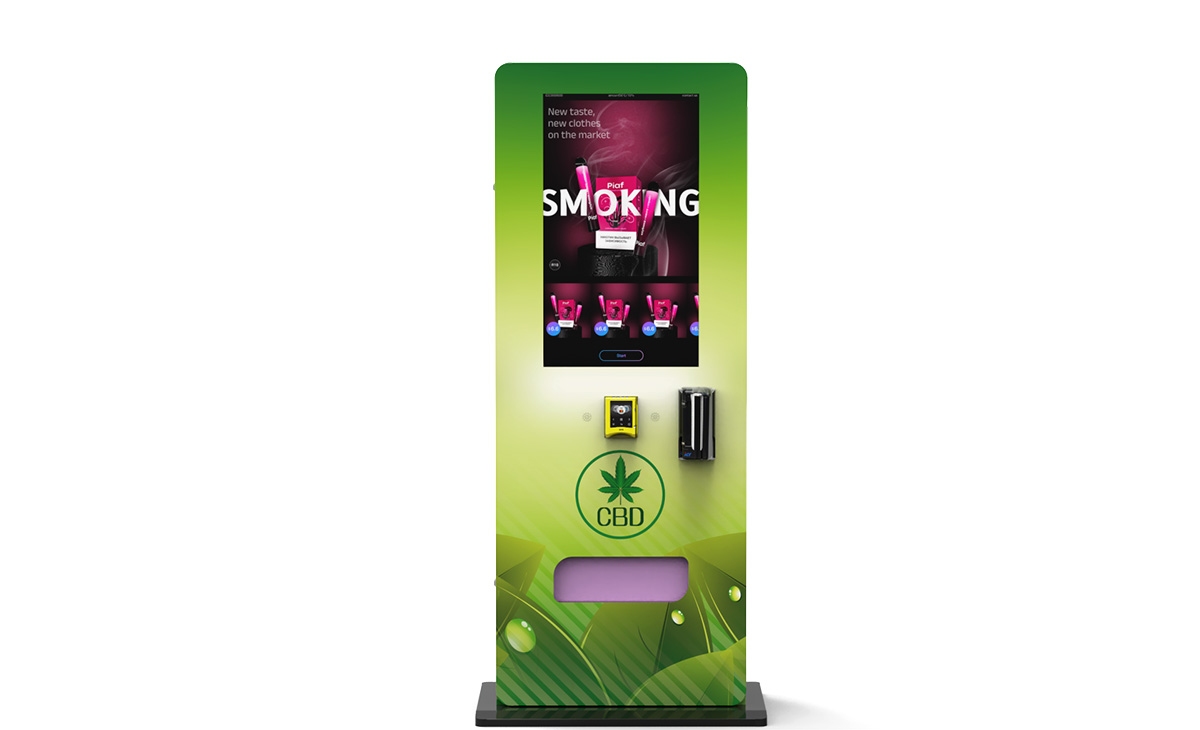
You need a plan. If you are handy, keep spare parts. Otherwise, find a local vending machine repair service. Downtime costs you money and reputation.
How can I reduce restocking and maintenance costs?
Use remote monitoring to track inventory and sales. Plan restocking routes efficiently. Buy machines with reliable components. Clean and inspect machines regularly to prevent major failures.
Final Thoughts from Someone Who Has Been in the Trenches
The vending machine business is not a shortcut to wealth, but it is a legitimate, scalable business if you treat it like one. The operators who succeed are the ones who understand that the machine is just a tool. The real work is in finding good locations, managing inventory, keeping equipment running, and building relationships with location owners. If you are willing to put in that work, the returns can be solid and consistent. Start small, learn the numbers, and scale only when you have a proven system. That approach has worked for me over the last decade, and it will work for you too.
This article was updated in February 2025. All revenue and cost figures are based on the author's operational experience in the US and EU markets, supplemented by publicly available data from IBISWorld and Statista. Results vary by location, market conditions, and operator effort.