Best Places To Put Vending Machines Explained_ Features, Costs, and Market Trends
After a decade in the vending machine business across the US and Europe, I can tell you that the single most common question I hear is not about which machine to buy, but where to put it. You can have the most advanced self-service kiosk on the market, but if it is sitting in a low-traffic corridor, it will lose money. Conversely, a basic model in the right spot can generate strong monthly revenue. This guide explains the best places to put vending machines, the real costs involved, current market trends, and how to avoid the expensive mistakes I have seen too many new operators make. If you are researching automated retail or a specific machine en libre-service, this is the practical breakdown you need before you spend a dime.
Why Location Determines Everything in Automated Retail
I have seen operators spend thousands on a high-end machine with a touchscreen and cashless payment system, only to place it in a break room with twenty employees. That machine never turned a profit. I have also seen a simple, used drink machine in a busy auto repair shop pay for itself in four months. The difference was not the equipment. It was the location.
In the vending world, we talk about "captive audiences." These are groups of people who are stuck in a location for a set period with limited or no alternatives for food or drink. Think of a factory floor, a hospital waiting area, or a college dormitory lobby. If those people are hungry or thirsty, and the nearest store is a ten-minute walk away, your machine becomes the default option. That is where the money is made.
I always tell newcomers to spend at least 80% of their planning time on location scouting. The machine itself is a commodity. The location is your business asset. A poor location will kill even the best vending machine repair plan, while a great location can make a mediocre machine look like a goldmine.
Best Places to Put Vending Machines: A Breakdown by Performance
High-Traffic Public Venues
These are the locations most people think of first. Airports, train stations, and bus terminals generate high daily foot traffic. However, the competition for these spots is fierce, and the rent or commission split is often brutal. You might pay 25% to 40% of your gross sales to the venue owner. The upside is volume. A well-stocked machine in a major transit hub can easily do $1,500 to $3,000 per month in revenue. The downside is that these locations require frequent restocking and a reliable vending machine repair service, because downtime during peak hours costs you real money.
Industrial and Manufacturing Facilities
In my experience, these are the most consistently profitable locations. Factories, warehouses, and distribution centers have employees working long shifts. They often have limited break times and no easy access to outside food. A machine that offers snacks, cold drinks, and even hot coffee will see daily use. I have placed machines in factories with 200 workers and seen monthly sales averaging $2,500. The commission split is usually lower, often between 5% and 15%. The key is to match the product mix to the shift schedule. Night shifts need different items than day shifts.
Educational Institutions
Universities, colleges, and large high schools are solid locations. Students have irregular schedules and a high demand for quick, cheap food. The challenge here is seasonality. You will see a revenue drop during summer breaks and holiday periods. You also need to consider nutritional guidelines, especially in K-12 schools where many US states now regulate vending machine contents. In a university setting, a self-service kiosk offering healthy snacks and drinks can do well, but you must be prepared for a slower summer period. Annual revenue for a well-placed campus machine can range from $10,000 to $18,000.
Healthcare Facilities
Hospitals and large medical clinics are excellent locations for one simple reason: people are there for hours, sometimes days. Visitors, patients, and staff all need food and drink. Hospital cafeterias have limited hours, so vending machines provide a 24/7 solution. The catch is that hospitals often require machines that meet specific cleanliness standards. You may need a machine with a high-end air filtration system or one that is easy to sanitize. The commission split in healthcare is moderate, usually around 10% to 20%. I have seen machines in hospital staff break rooms generate remarkably consistent revenue because the same people use them every day.
Office Buildings and Business Parks
This category has changed significantly since the pandemic. Many office buildings have lower occupancy rates than they did five years ago. Before you place a machine in an office tower, check the actual daily headcount. A building that is only 40% full will not support a vending machine. However, a busy call center or a government office with high daily attendance can still be profitable. The product mix here is important. Office workers tend to prefer healthier options, premium coffee, and cold brew. A basic snack machine might underperform, but a combination machine with quality coffee can do very well.
Recreation and Fitness Centers
Gyms, sports complexes, and community recreation centers are natural fits for vending machines. The product focus here is different. You want hydration drinks, protein bars, and healthy snacks. A standard soda machine will not perform as well as a machine stocked with electrolyte drinks and high-protein items. The foot traffic in these locations is often predictable, with peak times in the early morning and late afternoon. Revenue per machine can be moderate, around $800 to $1,500 per month, but the product margins are often higher because you can charge a premium for specialty items.
Real Costs: What You Need to Invest
Let me be direct about costs, because I see too many beginners underestimate them. The initial investment is not just the machine price. You have to factor in installation, the first stock order, payment system setup, and a cash reserve for repairs.
| Machine Type | New Machine Cost (USD) | Used Machine Cost (USD) | Typical Monthly Revenue (Est.) | Estimated Payback Period |
|---|---|---|---|---|
| Basic snack and drink combo | $4,000 – $7,000 | $1,500 – $3,500 | $800 – $2,000 | 12 – 24 months |
| High-end touchscreen with cashless | $8,000 – $15,000 | $3,000 – $6,000 | $1,500 – $3,500 | 18 – 30 months |
| Bulk vender (gumball, candy) | $200 – $600 | $50 – $200 | $100 – $300 | 6 – 18 months |
| Specialty machine (coffee, frozen food) | $6,000 – $12,000 | $2,000 – $5,000 | $1,200 – $3,000 | 18 – 28 months |
These figures are based on my own operational experience and are not guarantees. Your actual results will depend on location, product pricing, and local competition. According to data from IBISWorld, the vending machine industry in the US has an average profit margin of around 12% to 20%, but that varies widely by operator and location (IBISWorld Vending Machine Operators Report).
Hidden Costs That Catch New Operators
Vending Machine Repair and Maintenance
Every machine will break. I do not care if it is brand new. A compressor fails. A coin jam occurs. A touchscreen freezes. If you do not have a local vending machine repair technician you trust, or if you are not handy with basic repairs yourself, those service calls will eat your profit. A single emergency repair call can cost $150 to $300. I recommend setting aside at least 10% of your monthly revenue for a repair fund. If you are in Europe, look for a supplier that offers local service contracts. If you are buying from overseas, factor in the cost of shipping parts or hiring a local technician who knows the machine.
Restocking Labor and Route Planning
Restocking is not just buying product and throwing it in the machine. You need to track inventory, manage expiration dates, and plan efficient routes. A poorly planned route with long driving distances between machines can destroy your margins. I have seen operators spend 40% of their gross revenue just on labor and fuel because their machines were scattered across a wide area. The rule of thumb is to keep your machines within a 30-minute drive of each other. If you cannot, you need higher per-machine revenue to justify the travel time.
Payment System Fees
Modern machines need cashless payment. If you only take cash, you are leaving 40% to 60% of potential sales on the table. According to a 2023 study by Statista, cashless payments in vending are growing rapidly, with over 60% of transactions now card or mobile (Statista Vending Machine Market Overview). But cashless systems come with fees. You will pay a processing fee of 2% to 5% per transaction, plus monthly service fees for the telemetry system. These costs add up. Make sure you account for them when pricing your products.
How to Choose a Vending Machine Supplier
I have bought machines from manufacturers in the US, Europe, and Asia. The quality varies significantly. Here is what I look for in a supplier.
First, check the warranty. A good manufacturer offers at least a one-year warranty on parts and labor. Some offer two years on the compressor. If a supplier only offers 90 days, walk away. Second, ask about spare parts availability. If you need a replacement board and it takes six weeks to arrive, your machine sits idle for a month and a half. That is lost revenue you cannot recover. Third, look for a supplier that offers technical support in your time zone. I have worked with Zhongda Smart on several projects, and I appreciate that they provide clear documentation and responsive support. They are a solid option if you are looking for a reliable manufacturer, especially for mid-range to high-end machines. But always do your own due diligence. Ask for references. Talk to other operators who use their equipment.
Do not buy a machine solely because it is cheap. I have seen operators buy a $2,000 machine from an unknown supplier, only to spend another $1,500 in repairs within the first year. A reliable machine from a reputable manufacturer is worth the higher upfront cost.
Market Trends You Need to Know in 2025
The vending industry is changing faster now than in the previous twenty years. Here are the trends that matter.
First, the rise of healthy and fresh vending. Consumers are demanding better options. Machines that offer fresh salads, sandwiches, and fruit are becoming common in high-end locations. These machines require more frequent restocking and careful temperature control, but they also command higher prices. Second, remote monitoring is no longer optional. Most modern machines come with telemetry that tells you exactly what sold, when it sold, and when you need to restock. If you are buying a machine without this feature, you are buying outdated technology. Third, micro-markets are eating into traditional vending. A micro-market is an unattended retail space with a checkout kiosk. It offers more variety and higher average tickets than a traditional vending machine. If you have a location with 100 or more potential daily users, a micro-market might outperform a standard machine.
In Europe, the market for distributeur automatique is mature but still growing in specific sectors like healthcare and education. In the US, the shift toward cashless and healthy vending continues to drive growth. According to a report from the National Automatic Merchandising Association (NAMA), the industry saw a 7% revenue increase in 2023, driven largely by technology upgrades and better product offerings (NAMA Industry Data).
Common Mistakes I See New Operators Make
I have been doing this long enough to have made most of these mistakes myself. Here are the ones I want you to avoid.
Mistake 1: Overpaying for a location. I once agreed to a 30% commission split for a location that seemed perfect. It was a busy gym. But after paying the commission, restocking costs, and machine payments, I was barely breaking even. Now I never agree to more than 20% unless the location is absolutely proven with high traffic data.
Mistake 2: Buying a machine that is too specialized. A frozen food machine sounds great, but if the location does not have a microwave nearby, nobody will buy the food. Always match the machine type to the location's infrastructure. A coffee machine needs a water line. A fresh food machine needs reliable refrigeration. Do not assume the location can handle it.
Mistake 3: Ignoring the product mix. I have seen operators fill a machine with the same items they like personally, instead of what the location's users actually want. You need to test and adjust. Start with a broad mix, track sales data for two weeks, then remove slow movers and add more of what sells. If you do not have telemetry data, you are guessing. And guessing costs money.
Mistake 4: Not planning for vandalism. This is especially relevant in public locations like parks or transit stations. A machine in a low-security area will get damaged. You need a machine with a robust locking system and, ideally, a steel frame. I have seen operators lose entire machines to theft because they bought a cheap model with a plastic door.
How to Evaluate a Location Before You Commit
I use a simple checklist before I place a machine anywhere. You should too.
- Foot traffic count: I sit near the location for two hours during peak time and count the number of people who pass by. If it is less than 100 per hour, I am skeptical.
- Captive audience factor: Are these people stuck here? If they can easily walk to a convenience store or a cafeteria, the machine is less likely to succeed.
- Power and internet: Is there a dedicated outlet within 10 feet of the proposed spot? Does the location have reliable Wi-Fi for cashless payments? If not, you are adding installation costs.
- Competition: Are there other vending machines already in the building? If so, what are they selling? Can you offer something different or better?
- Commission or rent: What is the location owner asking for? I never pay more than 20% commission or a flat rent that exceeds 15% of projected monthly revenue.
If a location passes all five checks, I will usually place a machine. If it fails two or more, I walk away. There are always more locations.
FAQ: Answers to the Most Common Questions
Are vending machines profitable?
Yes, but profitability depends almost entirely on location and product mix. A machine in a good location with the right products can generate $1,000 to $3,000 per month in revenue. After costs, a well-run machine can net $300 to $800 per month. But a bad location will lose money.
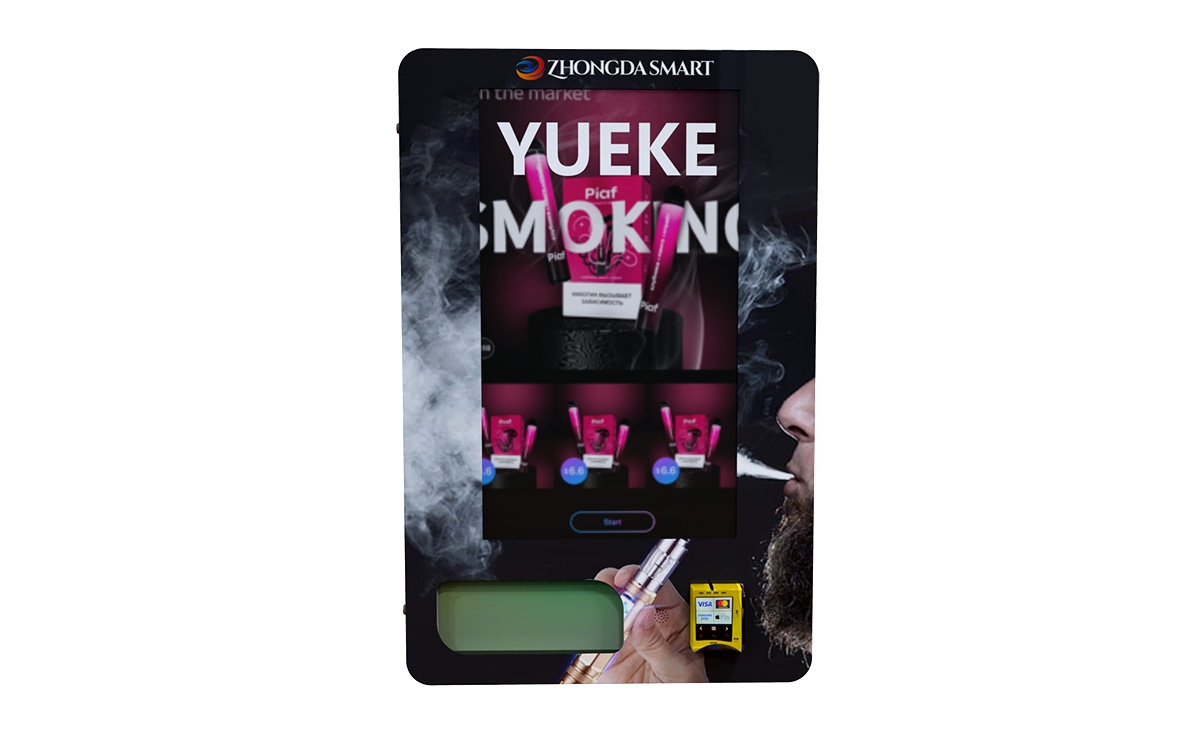
How much does a vending machine cost?
A new basic machine costs between $4,000 and $7,000. A high-end machine with a touchscreen and cashless payment can cost $8,000 to $15,000. Used machines are cheaper, typically $1,500 to $5,000, but they come with higher repair risks.
How long does it take to recoup the investment?
For a well-placed machine, payback is usually 12 to 24 months. For a high-end machine in a moderate location, it can take 24 to 36 months. I have seen some machines pay back in six months in exceptional locations.
Should a beginner buy or lease a vending machine?
I generally recommend buying a used or mid-range new machine. Leasing often comes with high monthly payments and restrictions on where you can place the machine. If you own the machine, you control the profit. If you lease, you are building equity for someone else.
Where should a beginner place their first machine?
Start with a small industrial facility or a factory break room. These locations have a captive audience, low commission splits, and consistent traffic. Avoid airports and malls until you have more experience negotiating contracts.
What permits or licenses do I need?
Requirements vary by city and state. In the US, you generally need a business license and a sales tax permit. Some cities require a specific vending machine permit. In Europe, you need to register your business and comply with local food safety regulations. Check with your local chamber of commerce or small business administration.
How do I choose a vending machine supplier?
Look for a manufacturer with a solid warranty, available spare parts, and good technical support. Ask for references from other operators. Zhongda Smart is one supplier I have used successfully, but always compare multiple options before deciding.
What happens if the machine breaks down?
You need a plan for vending machine repair. If you are handy, you can fix many issues yourself. If not, you need a local technician. Keep a repair fund of at least 10% of monthly revenue. The faster you fix a machine, the less revenue you lose.
How can I reduce restocking and maintenance costs?
Use remote monitoring to track inventory in real time. This lets you restock only when necessary, rather than on a fixed schedule. Also, cluster your machines geographically to minimize driving time between locations.
Final Thoughts from the Field
I have seen this industry from the inside for over a decade. I have made money, lost money, and learned lessons that only come from trial and error. The vending machine business is not a get-rich-quick scheme. It is a steady, cash-flow business that rewards patience, attention to detail, and good location scouting. If you place the right machine in the right spot, stock it with products people actually want, and maintain it properly, you can build a solid income stream. But if you rush, skip the research, or buy cheap equipment, you will learn the hard way.
My advice is simple: start small. Place one machine in a tested location. Learn the restocking rhythm. Understand the repair needs. Track your numbers. Then expand. The operators who succeed in this business are not the ones with the fanciest machines. They are the ones who treat it like a real business, not a side experiment.
This article was updated in March 2025. Market conditions, costs, and technology evolve, so always verify current data before making investment decisions.