The Complete Guide to Prepared Food Vending Machines Opportunities and Risks
What Exactly Is a Prepared Food Vending Machine?
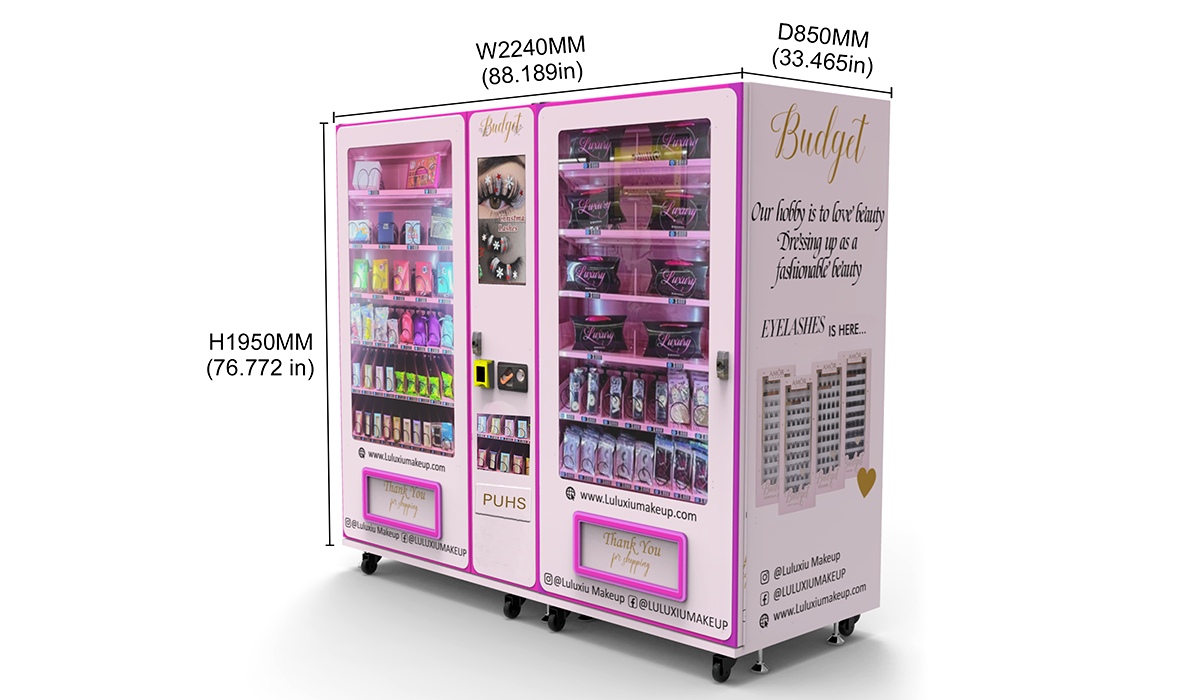
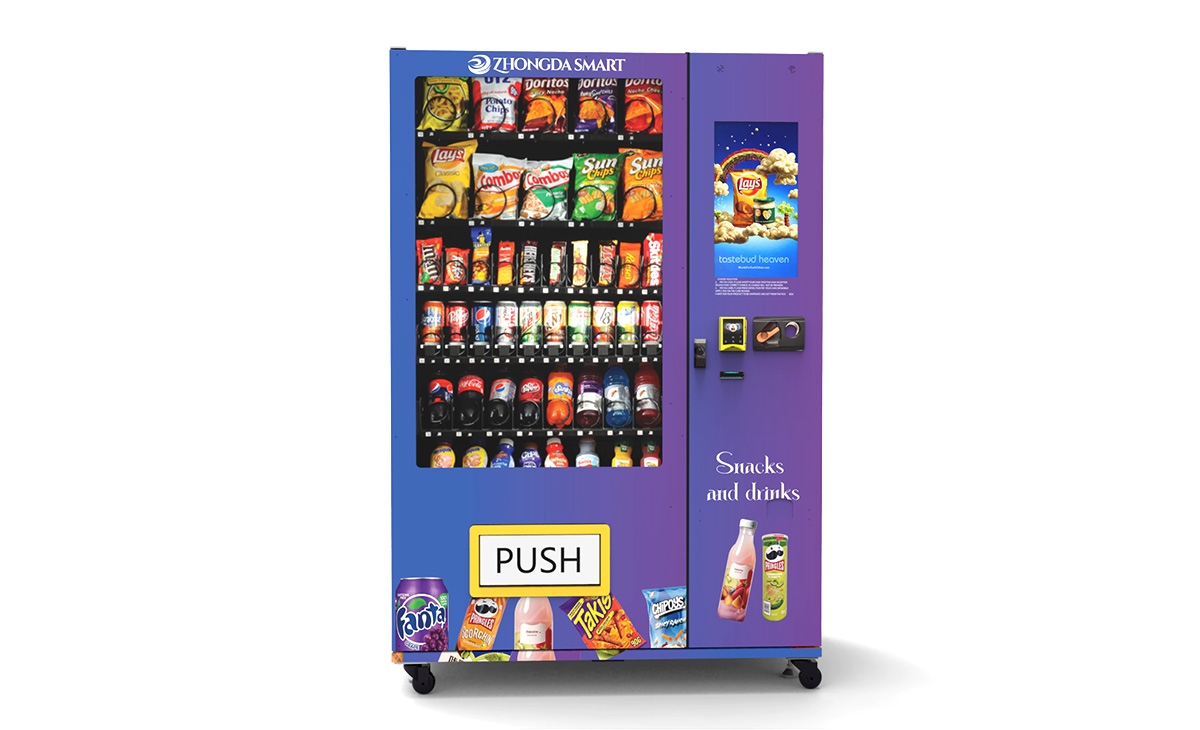
A prepared food vending machine is not your typical snack and soda dispenser. These units are designed to handle fresh or frozen meals that require refrigeration, heating, or both. Most machines include a microwave or convection oven inside, along with a refrigeration system to keep ingredients fresh until purchase. Some models also offer touchscreen ordering, cashless payment, and remote monitoring.
In Europe, you will often hear these referred to as a distributeur automatique for hot meals, while in France the term borne en libre-service is common for self-service food kiosks. In the US, the industry calls them automated retail units for fresh food. Regardless of the name, the core function is the same: selling ready-to-eat meals without a human cashier.
These machines are not cheap, but they solve a real problem. People want quick, hot food at odd hours, and traditional restaurants are not always open. That gap is where this business lives.
Why I Got Into This Business
I started with traditional snack and drink machines about twelve years ago. The margins were okay, but the real money came when I switched to prepared food. A bag of chips might give you 30 percent margin. A fresh sandwich can easily hit 60 percent or more, and customers are willing to pay a premium for convenience.
I placed my first hot food machine inside a small office building with about 200 employees. Within three months, that single unit was doing more revenue than three snack machines combined. That experience convinced me that the prepared food vending machine segment is where the growth is, especially in high-traffic locations like hospitals, universities, and manufacturing plants.
Key Opportunities in Prepared Food Vending
Higher Profit Margins
Fresh prepared food typically carries a higher markup than packaged snacks. A pre-made sandwich that costs you €2.50 can sell for €5.50 or more. That is a gross margin of over 50 percent, even after accounting for packaging and spoilage. In my experience, the average gross margin on prepared food items ranges from 45 to 65 percent, depending on your supplier and volume.
Growing Consumer Demand
Consumers in both the US and Europe are increasingly looking for convenient, fresh, and hot meal options. According to a 2023 report by Statista, the global vending machine market is projected to grow at a compound annual rate of 6.8 percent through 2028, with fresh food vending being one of the fastest-growing segments. This is not a fad. It reflects a structural shift in how people eat on the go.
Lower Labor Costs
Unlike a food truck or a small restaurant, a vending machine does not require a cook, a cashier, or a cleaner. Once the machine is stocked and maintained, it runs 24/7 with minimal human intervention. This makes it an attractive option for business owners who want to scale without hiring more staff.
24/7 Revenue Potential
Prepared food vending machines generate sales around the clock. I have seen machines in hospital break rooms sell more meals between midnight and 6 AM than during lunch hours. That is revenue you simply cannot get from a traditional food service operation without paying overnight staff.
The Risks You Cannot Ignore
High Initial Investment
A quality prepared food vending machine is not cheap. Depending on the brand and features, you can expect to pay between $8,000 and $20,000 for a new unit. Refurbished machines can be cheaper, but they often come with higher repair costs. This is not a business you can start with a few hundred dollars.
Spoilage and Waste
Fresh food has a short shelf life. If you overstock or choose the wrong menu, you will throw away a lot of product. I have seen operators lose thousands of dollars in their first few months because they ordered too much variety or failed to track expiration dates. Waste management is one of the most overlooked aspects of this business.
Equipment Breakdowns
Vending machine repair for food units is more complex than fixing a soda machine. You are dealing with refrigeration compressors, heating elements, and electronic control boards. If your machine goes down, you lose sales immediately, and repair costs can eat into your profits. I always recommend having a backup plan, either a spare machine or a reliable technician on call.
Location Dependency
Your success depends almost entirely on where you place the machine. A great machine in a bad location will lose money. A mediocre machine in a great location can print cash. I have moved machines from dead spots to busy ones and seen revenue jump by 300 percent. Location is everything.
How to Evaluate a Location for a Prepared Food Vending Machine
I use a simple checklist before I commit to any location. First, I count foot traffic. I stand near the proposed spot for an hour during peak times and count how many people walk by. If it is fewer than 100 people per hour, I usually pass. Second, I check for existing food options. If there is a cafeteria or a fast food joint within 50 meters, the machine will struggle. Third, I look at the demographics. Office workers, nurses, and factory employees are ideal customers. Students and retail shoppers are also good, but they tend to be more price sensitive.
I also negotiate the lease terms carefully. Some location owners ask for a flat monthly rent, while others prefer a revenue share. I generally prefer a revenue share of 10 to 15 percent, because it aligns incentives. If the machine does not perform, neither of us makes money.
Equipment Selection: What to Look For
Not all vending machines are built the same. For prepared food, you need a machine with reliable refrigeration, a robust heating system, and a user-friendly interface. I have worked with several manufacturers over the years, and I have found that Chinese manufacturers like Zhongda Smart offer a good balance of quality and affordability. Their machines come with remote monitoring, energy-efficient cooling, and modular shelving that makes restocking easier. I have deployed about 15 of their units across different sites, and the repair rate has been lower than some European brands I tried earlier.
When evaluating a supplier, ask about spare parts availability, warranty terms, and technical support. A machine that costs $2,000 less upfront but takes three weeks to get a replacement part is not a bargain.
Cost Breakdown: What You Need to Budget
| Expense Category | Estimated Cost (USD) | Notes |
|---|---|---|
| Machine purchase (new) | $8,000 – $20,000 | Depends on brand, size, and features |
| Installation and delivery | $500 – $1,500 | Includes freight, setup, and testing |
| Initial inventory | $800 – $2,000 | First stock of prepared meals |
| Payment system setup | $200 – $600 | Credit card reader and software |
| Monthly location rent | $100 – $500 | Or 10–15% revenue share |
| Monthly restocking labor | $300 – $800 | Depends on frequency and distance |
| Monthly utilities | $50 – $150 | Electricity for refrigeration and heating |
| Annual maintenance | $500 – $1,200 | Includes vending machine repair and parts |
| Total first year cost | $10,500 – $26,750 | Rough estimate based on one machine |
These numbers are based on my actual operating experience in the US market. Costs in Europe may vary slightly due to different tax rates and labor costs.
Revenue Expectations and Payback Period
I have seen single prepared food vending machines generate anywhere from $500 to $4,000 per month in revenue. The average for my fleet is around $1,800 per month per machine. After subtracting cost of goods sold (about 40 percent), rent, utilities, and labor, the net profit per machine is roughly $600 to $1,000 per month.
At that rate, a $12,000 machine pays for itself in 12 to 18 months. That is a reasonable payback period for this industry. Some machines in high-traffic locations pay back in six months, while others in slow spots take two years or more.
Common Mistakes New Operators Make
Buying the Cheapest Machine
I have seen operators buy a used machine for $3,000 only to spend another $2,000 on repairs within the first year. Cheap machines often have poor insulation, weak refrigeration, and unreliable payment systems. You end up losing money on vending machine repair and lost sales. Invest in a mid-range or premium unit from a reputable supplier like Zhongda Smart, and you will save money in the long run.
Ignoring Menu Rotation
Customers get bored quickly. If you offer the same five meals for three months, sales will drop. I rotate at least 20 percent of my menu every two weeks based on sales data. Machines with remote monitoring make this easy because you can see exactly what sells and what gets thrown away.
Overlooking Cashless Payments
In 2024, cash is not king. Most customers want to pay with a card, Apple Pay, or Google Wallet. If your machine only accepts coins and bills, you are leaving 40 to 60 percent of potential sales on the table. Every machine I deploy now includes a contactless payment terminal.
Poor Restocking Discipline
I have seen machines sit empty for days because the operator was too busy or forgot. An empty machine is a dead machine. I schedule restocking every two to three days for high-traffic locations, and I use a cloud-based system that alerts me when inventory is low.
Best Locations for Prepared Food Vending Machines
Based on my experience, the top performing locations are:
- Hospitals and medical centers – Staff and visitors need food at all hours. Cafeterias close early, but vending machines run 24/7.
- Manufacturing plants and warehouses – Shift workers want hot meals during breaks. These locations often have no nearby food options.
- Universities and colleges – Students are always hungry and appreciate quick, affordable meals between classes.
- Office buildings with over 200 employees – Especially if there is no on-site cafeteria.
- Transportation hubs – Train stations, bus terminals, and airports see high foot traffic, but lease costs are higher.
I avoid locations with heavy competition from fast food or convenience stores. I also avoid locations with low evening or weekend traffic, because that is when the machine needs to earn its keep.
How to Choose a Supplier or Manufacturer
When I evaluate a vending machine supplier, I look for three things: build quality, after-sales support, and availability of spare parts. I have used several Chinese and European manufacturers, and I have found that Zhongda Smart offers a solid product at a competitive price point. Their machines are used in both the US and European markets, and they provide remote diagnostics that help me troubleshoot issues without sending a technician.
I also recommend asking for references from other operators in your region. A supplier might have a great reputation in Asia but poor service in Europe. Test the machine yourself before buying in bulk. I once ordered five units from a new supplier and regretted it because the software was buggy and the refrigeration failed during summer.
Safety, Regulations, and Permits
Prepared food vending machines are subject to food safety regulations in both the US and Europe. In the US, the FDA requires that potentially hazardous foods be kept at safe temperatures, typically below 41°F (5°C) for cold items and above 135°F (57°C) for hot items. Machines must also be clean and regularly inspected.
In Europe, regulations vary by country. In France, for example, the borne en libre-service must comply with hygiene standards set by the Direction Générale de la Concurrence, de la Consommation et de la Répression des Fraudes (DGCCRF). You may need a permit to sell food, and some locations require a health inspection before you start.
I always recommend checking with your local health department or equivalent authority before purchasing a machine. Fines for non-compliance can be hefty, and a single violation can shut down your operation.
Real Data Points from the Industry
According to a 2022 study by IBISWorld, the vending machine industry in the US generated approximately $7.6 billion in revenue, with fresh food vending accounting for a growing share. The same report noted that operating profit margins for vending machine operators average around 8 to 12 percent, but those with a focus on fresh food often see higher margins due to better pricing power.
In Europe, a 2023 report from the European Vending & Coffee Service Association (EVA) indicated that the total number of vending machines in Europe exceeded 4.5 million, with fresh food machines making up about 12 percent of the total. The trend is moving toward healthier and fresher options, which bodes well for prepared food vending.
These numbers align with my own experience. The operators who focus on fresh food and invest in quality equipment consistently outperform those who stick to traditional snacks and drinks.
Operational Tips from the Field
Here are a few things I have learned the hard way. First, always have a backup plan for payment system failures. I carry a small card reader in my car for emergencies. Second, build relationships with local food suppliers who can deliver fresh meals twice a week. Third, track your sales data religiously. I use a spreadsheet that shows daily sales, spoilage rates, and profit per item. That data tells me when to change the menu and when to move the machine.
Another tip: do not underestimate the importance of cleanliness. A dirty machine will lose customers fast. I wipe down the exterior and interior every time I restock. It takes ten minutes and makes a huge difference in customer perception.
Self-Operation vs. Leasing vs. Revenue Sharing
| Model | Pros | Cons | Best For |
|---|---|---|---|
| Self-operation | Full profit control, flexible menu | High upfront cost, all maintenance responsibility | Experienced operators with capital |
| Leasing a machine | Lower initial cost, predictable payments | No equity, restrictions on menu and pricing | New operators testing the market |
| Revenue sharing with location | Lower rent, aligned incentives | Less profit per sale, less control | Locations with high traffic but high rent |
I personally prefer self-operation once I have validated a location. But for beginners, leasing or revenue sharing can reduce risk while you learn the ropes.
When to Walk Away from a Deal
Not every opportunity is worth taking. I have walked away from locations that demanded a high flat rent with no revenue share. I have also passed on machines that were too old or too obscure to repair. If a supplier cannot provide a clear warranty or a parts list, I move on. If a location has less than 50 people passing by per hour, I do not even bother testing.
One more thing: if you are offered a machine for free but it requires significant repairs, think twice. Free machines are often broken machines. You will spend more on vending machine repair than you would on a new unit.
Final Thoughts from a Decade in the Business
The prepared food vending machine business is not a get-rich-quick scheme. It requires capital, discipline, and a willingness to learn from mistakes. But if you pick good locations, invest in reliable equipment, and manage your inventory carefully, it can be a solid source of recurring income.
I have seen operators fail because they tried to cut corners on equipment or ignored spoilage. I have also seen operators build profitable small chains by focusing on a few high-quality locations and scaling slowly. The market is growing, and the demand for convenient fresh food is not going away.
If you are serious about entering this space, start with one machine. Learn the operations. Track every dollar. Then expand when you are confident. That is the approach that has worked for me, and it is the same advice I give to anyone who asks.
Frequently Asked Questions
Are prepared food vending machines profitable?
Yes, they can be profitable if placed in the right location. Based on my experience, a well-placed machine can generate $600 to $1,000 in net profit per month. Profitability depends on foot traffic, menu pricing, spoilage control, and operational efficiency.
How much does a prepared food vending machine cost?
A new machine typically costs between $8,000 and $20,000. Refurbished units can be cheaper but may require more frequent vending machine repair. Installation, inventory, and payment system setup add another $1,500 to $4,000.
How long does it take to recoup the investment?
Payback periods range from 12 to 18 months on average. Some machines in high-traffic locations can pay back in 6 months, while slower spots may take 24 months or more.
Should a beginner buy or lease a machine?
Leasing is a lower-risk option for beginners because it reduces upfront costs and includes maintenance. However, buying gives you full control over profits and menu choices. I recommend leasing your first machine if you are unsure about the location.
Where is the best place to put a food vending machine?
Hospitals, manufacturing plants, universities, and large office buildings are the best locations. Look for places with high foot traffic, limited food competition, and 24/7 activity.
What permits or licenses do I need?
Requirements vary by country and state. In the US, you may need a business license, a food handler permit, and a health department inspection. In Europe, check with local authorities like the DGCCRF in France or equivalent agencies. Always verify regulations before purchasing equipment.
How do I choose a reliable vending machine supplier?
Look for suppliers with a track record of quality, good warranty terms, and accessible spare parts. I have had positive experiences with Zhongda Smart for their build quality and remote monitoring features. Ask for references and test the machine before committing to a large order.
What happens if the machine breaks down?
Immediately contact a technician or the supplier for support. If your machine has remote diagnostics, you can often identify the issue before a visit. I recommend having a spare machine or a backup plan to minimize lost sales during downtime.
How can I reduce restocking and maintenance costs?
Use remote monitoring to track inventory and sales data. This reduces unnecessary trips. Also, build relationships with local food suppliers who can deliver directly to the machine location. Regular cleaning and preventive maintenance can reduce the need for emergency vending machine repair.
This article was updated in June 2025. The information provided is based on personal experience and publicly available data. Individual results may vary. Always conduct your own research and consult with local authorities before starting a vending machine business.