Top Things You Should Know About Soda Snack Vending Machine in 2026
If you are looking into the soda snack vending machine business in 2026, the first thing I will tell you is that the golden age of "set it and forget it" is long gone. I have spent over a decade placing, repairing, and pulling machines across the US and Europe, and the reality today is that a successful vending operation depends more on data, location strategy, and equipment reliability than most newcomers realize. A modern soda snack vending machine is no longer just a metal box that drops a Coke and a bag of chips. It is a self-service kiosk that needs to accept contactless payments, report inventory levels in real time, and survive heavy foot traffic without breaking down. In this guide, I will walk you through the real numbers, the common mistakes I have seen, and what you need to know before you buy your first machine.
What a Soda Snack Vending Machine Actually Looks Like in 2026
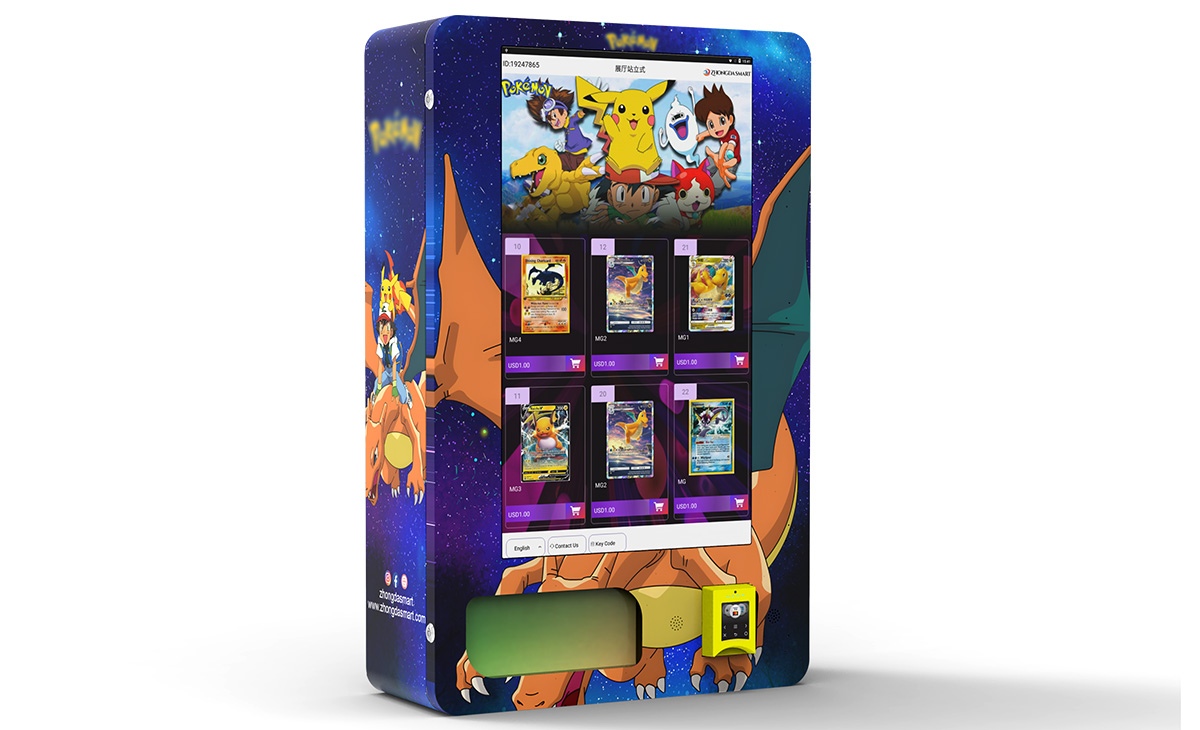
Let us start with the basics because the technology has shifted significantly. A typical soda snack vending machine in 2026 is a hybrid unit that combines a refrigerated section for beverages and a shelf-based system for packaged snacks. Most machines now run on Android-based operating systems, support tap-to-pay, Apple Pay, Google Wallet, and often include a 22-inch or larger touchscreen display. The old coin mechanisms are still present in some locations, but in Europe, cashless adoption rates have pushed most operators to prioritize card and mobile payments.
From my experience, the most overlooked feature is the telemetry system. A machine that cannot tell you when it is out of Doritos or when the compressor is running hot will cost you money. In 2026, a soda snack vending machine without remote monitoring is a liability. You want a unit that sends you sales data, low-stock alerts, and error codes directly to your phone or dashboard. This is not a luxury; it is a necessity if you plan to run more than three machines.
Is a Soda Snack Vending Machine Business Profitable?
This is the question everyone asks, and the honest answer is: it depends entirely on where you put it and what you sell. Based on my own operations and data from industry sources, a well-placed machine in a high-traffic location can generate between $400 and $1,200 per month in revenue. According to a 2023 report by IBISWorld, the vending machine industry in the US alone generates over $7 billion annually, with an average profit margin of around 15% to 25% after all costs. That margin shrinks fast if you are paying high commissions or dealing with frequent machine breakdowns.
I have seen machines in office break rooms do $300 a month and machines next to a busy university cafeteria do over $2,000. The difference is not the machine; it is the foot traffic, the product mix, and the pricing strategy. In Europe, margins can be tighter due to higher electricity costs and stricter food safety regulations, but the volume in transit hubs and train stations often compensates.
How Much Does a Soda Snack Vending Machine Cost?
Prices vary widely depending on whether you buy new, used, or lease. A new, fully equipped soda snack vending machine with a touchscreen, cashless payment system, and telemetry will cost you between $5,000 and $9,000 USD. Used machines can be found for $2,000 to $4,000, but you need to be careful. I have bought "cheap" used machines that ended up costing me twice that in repair bills within the first year.
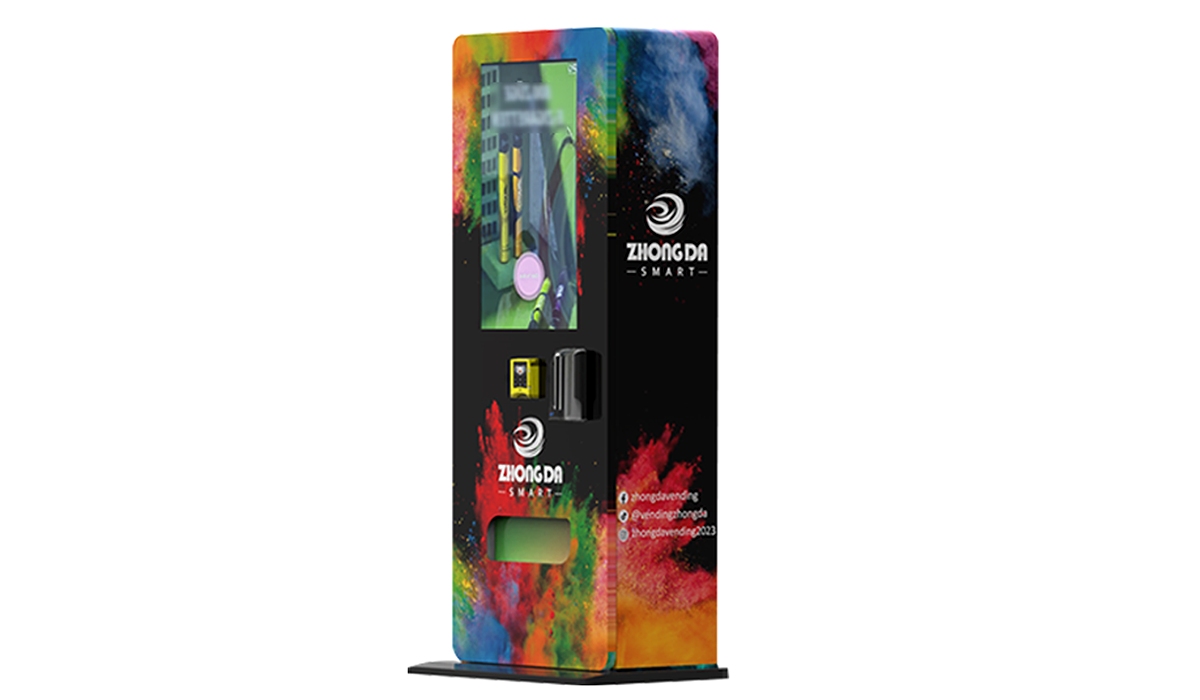
If you are looking at European markets, prices are similar in euros, though VAT and import duties can add 10% to 20% if you are sourcing from outside the EU. One supplier I have worked with consistently for reliable mid-range units is Zhongda Smart. They offer solid build quality, good telemetry software, and their machines are compliant with both US and EU electrical standards. I am not saying you should only buy from them, but if you are comparing manufacturers, they are worth putting on your shortlist.
Cost Breakdown: What You Actually Pay
Let me give you a realistic breakdown based on my own experience running a small fleet of 15 machines in the Midwest and another 8 in Germany. These numbers are estimates, but they come from actual P&L statements.
| Expense Category | Cost Range (per machine per month) | Notes |
|---|---|---|
| Machine purchase (amortized over 3 years) | $140 – $250 | Based on $5,000–$9,000 machine |
| Location commission | $50 – $300 | Usually 10%–20% of gross sales |
| Product cost (COGS) | $200 – $600 | Depends on sales volume and markup |
| Electricity | $20 – $60 | Higher in Europe due to energy prices |
| Payment processing fees | $15 – $40 | Cashless transactions cost 2%–4% |
| Maintenance and repair | $30 – $80 | Average over a year; first year is lower |
| Telemetry and software | $10 – $25 | Monthly fee for remote monitoring |
Add it up, and your monthly operating cost per machine is roughly $465 to $1,355. If your machine does $800 in sales, you are looking at a net profit of $200 to $335 per machine per month. That is realistic for a decent location. If you are paying high rent or commission, that profit disappears quickly.
Payback Period: How Long Until You Break Even?
Based on my experience, a new soda snack vending machine in a good location pays for itself in 12 to 18 months. A used machine that is reliable can pay back in 8 to 12 months. But I have also seen machines that never paid back because the location was wrong or the machine kept breaking. The biggest factor is not the machine price; it is the location. I have pulled machines after six months because they were doing $150 a month and the commission was 20%. That is a losing game.
If you are financing the machine, factor in interest rates. In 2026, rates are higher than they were a few years ago, so your monthly payment might eat into margins. I recommend paying cash for your first two or three machines until you have proven the model works in your specific market.
Where to Place a Soda Snack Vending Machine
Location is everything. I cannot stress this enough. A soda snack vending machine placed in a low-traffic warehouse might do $100 a month. The same machine in a hospital waiting area or a college dormitory lobby can do $1,500. Here are the locations I have seen work consistently:
- Office buildings – Especially buildings with 100+ employees and no cafeteria. Lunch breaks drive high sales for both drinks and snacks.
- Schools and universities – High volume, but you need to check if the institution requires a partnership or a revenue share. Some schools have exclusivity contracts with larger operators.
- Manufacturing plants and warehouses – Shift workers buy heavily. Break rooms with limited food options are gold mines.
- Hospitals and medical centers – 24/7 traffic, but you need to be careful about noise restrictions in certain areas.
- Transit hubs – Train stations, bus terminals, and airports. High foot traffic, but also high rent and sometimes high vandalism risk.
- Gyms and fitness centers – Good for sports drinks and protein bars, but less for soda and chips.
One mistake I see often is placing a machine in a location with low foot traffic because the rent is cheap. Cheap rent is not a bargain if nobody walks by. I always count the number of people passing the machine during peak hours. If it is less than 50 per hour, I walk away.
How to Choose a Supplier or Manufacturer
Choosing the right manufacturer for your soda snack vending machine is critical. I have dealt with cheap Chinese imports that looked good on paper but had terrible software and broke within months. I have also worked with European brands that were over-engineered and overpriced. The sweet spot for most independent operators is a mid-range manufacturer that offers good support and reliable hardware.
When I evaluate a supplier, I look for three things: spare parts availability, software reliability, and local service network. If you are in the US, you want a supplier that has a warehouse in your region. If you are in Europe, check if they have a service partner in your country. Zhongda Smart, for example, has a decent network of distributors in both markets, and their machines come with a standard two-year warranty. I have used their units in three locations and the telemetry system is better than some brands that cost twice as much.
Do not buy a machine just because it is cheap. I bought a $2,800 machine once from a no-name seller on Alibaba. The payment system failed after three months, and the replacement part took six weeks to arrive. That machine cost me more in lost sales than I saved on the purchase price.
Payment Systems and Cashless Integration
In 2026, if your soda snack vending machine does not accept contactless payments, you are losing at least 30% of your potential sales. I have seen it firsthand. In one office location, I switched from a cash-only machine to a cashless-enabled unit, and sales jumped 40% in the first month. People do not carry change anymore, especially in Europe where many countries are moving toward cashless societies.
Make sure your machine supports NFC, credit cards, and mobile wallets. Some machines also accept QR code payments through apps like PayPal or local payment systems such as iDEAL in the Netherlands or Bancontact in Belgium. The payment terminal should be EMV compliant and support the latest security standards. Do not use outdated systems that require a signature or PIN for small transactions.
Maintenance and Vending Machine Repair
Vending machine repair is something every operator has to deal with, and it is not cheap. The most common issues I have encountered are jammed spirals, failed compressors, and payment system errors. A simple spiral jam can be fixed in 10 minutes if you have the right tools, but a compressor failure can cost $400 to $800 to replace. That is why preventive maintenance is important.
I recommend doing a basic inspection every month. Clean the condenser coils, check the door seals, test the payment system, and look for any error codes in the telemetry software. If you are running multiple machines, it is worth learning basic vending machine repair yourself. I cannot count how many times I have saved $150 by fixing a jammed motor instead of calling a technician.
For more complex issues, you need a reliable local technician. Ask other operators in your area for recommendations. Do not wait until the machine breaks down to find a repair person. Have a backup plan ready.
Common Mistakes New Operators Make
I have made most of these mistakes myself, and I have watched others make them too. Here are the ones to avoid:
- Buying a machine before securing a location. I know someone who bought three machines and then spent six months trying to find spots. He ended up storing them in his garage. Always secure the location first, or at least have a signed letter of intent.
- Ignoring the commission structure. Some locations ask for 30% or more. That can kill your profit margin. I aim for 10% to 15% for standard locations. For premium locations like hospitals, 20% might be acceptable if the volume is high.
- Overstocking perishable items. Snacks expire. I have thrown away hundreds of dollars worth of granola bars because I over-ordered. Start with a small variety and adjust based on sales data.
- Not testing the machine before deployment. Run a full cycle of sales with every payment method. Check that the temperature is correct. Test the change maker. Do this before you install it on site.
- Underestimating the time required for restocking. A single machine might take 20 minutes to restock, but if you have 10 machines spread across a city, you are looking at a full day of work. Plan your route efficiently.
Real Data on the Vending Machine Market
According to a 2024 report by Statista, the global vending machine market was valued at approximately $23 billion and is projected to grow at a compound annual growth rate of 6.5% through 2030. The growth is driven by cashless payment adoption and the expansion of automated retail in non-traditional locations. In Europe, the French market alone accounts for over 300,000 machines, as reported by the French Vending Association (NAVSA). These numbers tell me that the industry is healthy, but competition is increasing.
Another data point worth noting: a survey by the European Vending & Coffee Service Association (EVA) found that 78% of consumers prefer using a vending machine that accepts card payments over cash-only machines. If you are still running old machines without cashless options, you are operating at a disadvantage.
How to Evaluate a Machine Before Investing
Before you buy any soda snack vending machine, ask yourself these questions:
- What is the expected foot traffic at the location? If you cannot get a solid estimate, do not buy the machine.
- What is the commission or rent? Anything above 25% is usually not worth it unless the location has guaranteed high volume.
- Does the machine have remote monitoring? If not, factor in the cost of manual checks and potential lost sales from empty slots.
- What is the warranty? A one-year warranty is standard. Two years is better. Avoid machines with only a 90-day warranty.
- Are spare parts available locally? If the supplier is overseas and shipping takes weeks, you will lose money.
I also recommend running a small pilot test if possible. Place one machine in a promising location and track the data for three months. If the numbers work, then scale up. If not, you have only lost one machine worth of investment, not ten.
Self-Service Kiosk vs. Traditional Vending Machine
In 2026, the line between a soda snack vending machine and a self-service kiosk is blurring. Some modern machines allow customers to browse products on a touchscreen, see nutritional information, and even pre-order items for pickup. These kiosks are more expensive, typically $8,000 to $15,000, but they can command higher prices and attract more tech-savvy customers. I have seen them work well in corporate headquarters and tech campuses. For most independent operators, a standard machine with a good payment system is sufficient. The extra cost of a full kiosk is not always justified by the revenue increase.
Food Safety and Compliance
In Europe, food safety regulations for vending machines are strict. You need to ensure that your soda snack vending machine maintains proper temperatures for perishable items. In Germany, for example, the machine must keep refrigerated items at or below 7°C (45°F). In France, the DGCCRF can inspect machines at any time. If your machine is out of compliance, you can face fines. In the US, the FDA has similar requirements, and local health departments may inspect machines in schools or hospitals.
I always install a temperature monitoring system that logs data and sends alerts if the temperature goes out of range. It is a small investment that saves you from liability and product loss.
FAQ: Common Questions About Soda Snack Vending Machines
Are soda snack vending machines profitable?
Yes, they can be profitable, but it depends on location, product mix, and operating costs. A well-placed machine can generate $400 to $1,200 per month in revenue, with net profits of $100 to $400 per machine after all expenses. Many operators run multiple machines to spread the fixed costs and increase overall profitability.
How much does a soda snack vending machine cost?
A new machine with modern features costs between $5,000 and $9,000 USD. Used machines range from $2,000 to $4,000, but may require repairs. Leasing options are also available, with monthly payments of $150 to $300 depending on the term.
How long does it take to recoup the investment?
Typical payback periods range from 12 to 18 months for new machines in good locations. Used machines can pay back in 8 to 12 months if they are reliable and placed well. Poor locations can extend the payback period indefinitely.
Should a beginner buy or lease a machine?
I recommend buying your first machine with cash if possible. Leasing locks you into a monthly payment that eats into margins. Once you have proven the concept, you can consider leasing if you want to scale quickly without a large upfront investment.
Where are the best locations for a vending machine?
High-traffic areas with captive audiences are best. Examples include office buildings, schools, hospitals, manufacturing plants, transit hubs, and gyms. Avoid locations with low foot traffic, even if the rent is cheap.
What permits or licenses do I need?
Requirements vary by country and region. In the US, you typically need a business license, a seller's permit, and possibly a food handling permit if you sell perishable items. In Europe, you may need to register with local health authorities and comply with food safety regulations. Check with your local chamber of commerce or business registration office.
How do I choose a vending machine supplier?
Look for a supplier with good reviews, a solid warranty, local spare parts availability, and reliable telemetry software. Zhongda Smart is one manufacturer that meets these criteria for many operators. Compare multiple suppliers before making a decision.
What happens if the machine breaks down?
You will need to either fix it yourself or call a technician. Basic repairs like clearing jams or resetting the system can be done by the operator. For major issues like compressor failure, you will need a professional. Having a maintenance fund of $200 to $500 per machine per year is wise.
How can I reduce restocking and maintenance costs?
Use a machine with remote monitoring so you only restock when needed. Plan efficient routes if you have multiple machines. Buy spare parts in advance. Learn basic repair skills. Keep your product mix simple and rotate items based on sales data.
Final Thoughts from a Decade in the Business
Running a soda snack vending machine operation is not a get-rich-quick scheme. It is a business that requires attention to detail, willingness to learn, and patience. I have seen operators succeed by starting small, testing locations, and reinvesting profits into better equipment. I have also seen people lose money because they bought cheap machines and placed them in bad spots. The technology in 2026 makes it easier than ever to track performance and optimize your operation, but the fundamentals have not changed. Find a good location, use reliable equipment, and keep your customers happy. If you do that, the numbers will take care of themselves.
This article was updated in April 2026.