Best Vending Machine Permits Texas in 2026_ Ultimate Guide, Costs, and Buying Tips
If you are looking into Best Vending Machine Permits Texas in 2026, you are likely trying to figure out whether this business is worth your time and money. After over a decade running vending operations across the US, I can tell you that Texas remains one of the most operator-friendly states for automated retail. The permitting process is straightforward compared to states like California or New York, but you still need to understand sales tax permits, food handling licenses, and local city regulations before you place your first machine. In this guide, I will walk you through the real costs, the common mistakes I have seen, and what to look for when buying equipment. I will also explain how to evaluate a location based on foot traffic and sales data, not just gut feeling. Whether you are a complete beginner or looking to expand an existing route, this article covers what I wish someone had told me when I started.
What Is a Vending Machine Business and Who Is It For?
A vending machine business is exactly what it sounds like: you buy or lease machines, stock them with products, place them in high-traffic locations, and collect the revenue. It is a form of automated retail that requires minimal daily supervision once the system is set up. Most people think it is a passive income model, but the reality is that it demands consistent restocking, machine maintenance, and location management.
Who does this suit well? People who already own a small business and want to add a revenue stream. Retirees looking for semi-passive income. Property managers who already control foot traffic. And entrepreneurs who understand that this is a logistics business first, not a get-rich-quick scheme. I have also seen many restaurant owners add a self-service kiosk to their lobby to capture after-hours sales.
It does not suit people who expect to make money without visiting their machines regularly. If you cannot commit to weekly restocking and basic troubleshooting, this is not for you. I have lost count of how many beginners bought a machine, placed it in a bad spot, and gave up within six months because they thought the machine would run itself.
Is a Vending Machine Business Profitable in Texas?
Yes, but the profitability depends entirely on three factors: location, product margin, and machine reliability. I have seen single machines in office break rooms generate over $1,200 per month in revenue, while identical machines in low-traffic laundromats barely hit $150. The difference is not the machine. It is the location.
According to data from IBISWorld, the vending machine industry in the US generated approximately $7.6 billion in revenue in 2024, with an average profit margin of around 15% to 25% for small operators. Larger operators with optimized routes can push margins higher, but beginners should expect a net margin closer to 10% to 15% after accounting for product cost, machine maintenance, and restocking labor.
In Texas specifically, the absence of state income tax helps your bottom line. But you still need to collect and remit sales tax on every item sold. I will cover that in the permitting section. The key takeaway here is that a single machine can generate between $200 and $1,000 in monthly net profit if placed correctly. But if you place it wrong, you will lose money on restocking time alone.
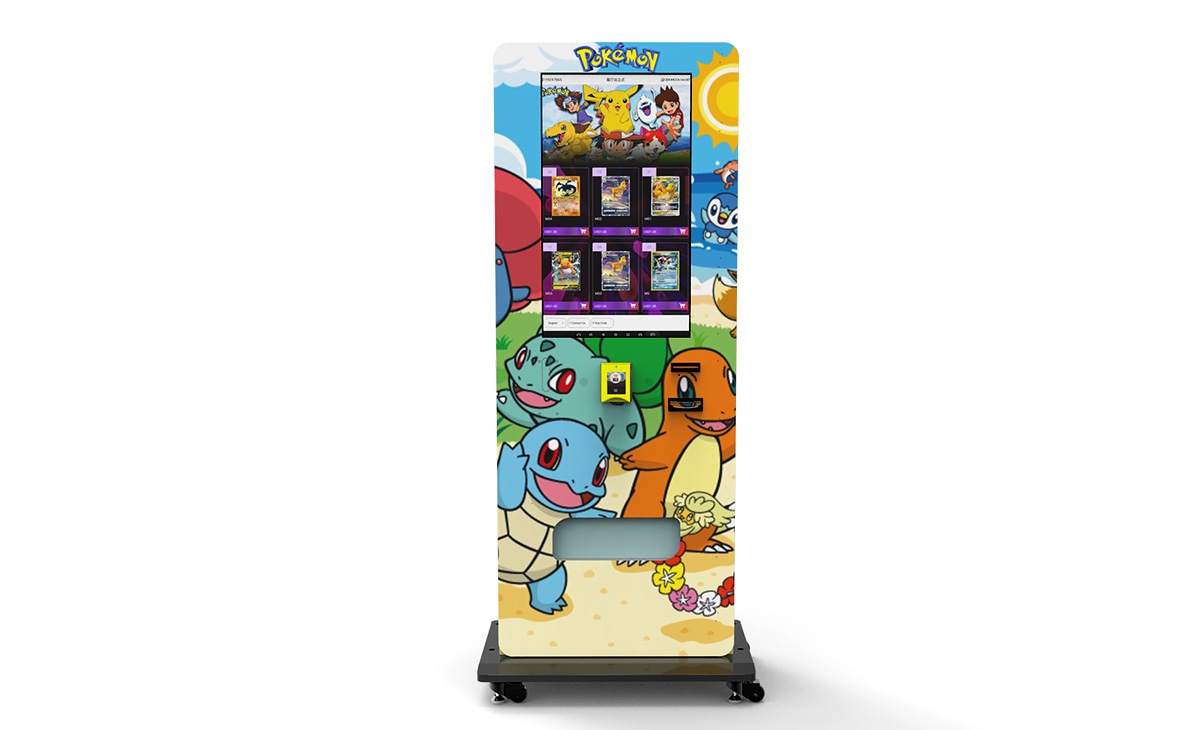
Best Vending Machine Permits Texas 2026: What You Need to Know
Sales Tax Permit
Every vending machine operator in Texas must register for a sales tax permit with the Texas Comptroller of Public Accounts. This is non-negotiable. You can apply online through the Comptroller's website. The permit is free, but you must file sales tax returns monthly, quarterly, or annually depending on your volume. Most small operators file quarterly.
You are required to collect 8.25% sales tax on most items sold through vending machines. Some items like candy and chips are taxed at the full rate, while certain food items may be exempt if sold below a certain price threshold. I recommend reading the Texas Tax Code Section 151.314 for specifics, because the rules around "food and food products" in vending machines are not the same as in grocery stores.
Food Handling and Health Permits
If you plan to sell any perishable items like sandwiches, salads, or dairy products, you will need a food manufacturer's permit from the Texas Department of State Health Services (DSHS). This is a common area where new operators get tripped up. They assume a vending machine is the same as a convenience store, but the health code treats it as a food service establishment.
You will need to follow the Texas Food Establishment Rules, which include temperature monitoring logs, regular cleaning schedules, and proper labeling. I have seen operators fined heavily for not maintaining temperature records. Do not skip this step. If you are only selling shelf-stable snacks and drinks, you may not need a health permit, but you should confirm with your local city health department because some cities in Texas have stricter rules than the state.
City and County Business Licenses
Most cities in Texas require a general business license. Some also require a specific vending machine permit. For example, Houston and Dallas both have specific ordinances regulating vending machines on public property and private property. Austin requires a mobile food unit permit if your machine is placed on a sidewalk or public right-of-way. Always check with the city clerk's office where you plan to place your machine.
I once placed a machine in a small town outside San Antonio without checking the local ordinance. The city fined me $500 and required me to pull the machine within 48 hours because I did not have a local vendor's license. That was a costly lesson. Do not assume that a state permit covers local rules.
How Much Does a Vending Machine Cost in Texas?
The cost of a vending machine varies widely based on type, features, and whether you buy new or used. Here is a breakdown based on what I have seen in the Texas market over the last five years.
| Machine Type | New Price Range | Used Price Range | Typical Monthly Revenue |
|---|---|---|---|
| Snack and Beverage Combo | $3,000 – $7,000 | $1,500 – $3,500 | $300 – $800 |
| Beverage Only (Glass Front) | $4,000 – $8,000 | $2,000 – $4,000 | $400 – $1,000 |
| Cold Food Machine | $5,000 – $10,000 | $2,500 – $5,000 | $200 – $600 |
| Combination with Card Reader | $5,000 – $9,000 | $2,500 – $5,000 | $500 – $1,200 |
| Smart Vending Machine (Touchscreen) | $7,000 – $15,000 | $4,000 – $8,000 | $600 – $1,500 |
These are estimates based on my personal experience and conversations with other operators in Texas. Your actual revenue will depend on location, product pricing, and how often you restock. Do not buy a machine expecting to hit the top end of these ranges unless you have a proven location with high foot traffic.
Key Factors to Consider Before Buying a Vending Machine
Location Is Everything
I cannot stress this enough. A great machine in a bad location will fail. A basic machine in a great location will succeed. When I evaluate a potential spot, I look for at least 100 people passing by per day, ideally more. I also consider whether the location has existing food options. If there is a cafeteria or a convenience store nearby, your sales will be lower.
I once placed a machine in a small manufacturing plant with 50 employees. The owner promised me high traffic, but the employees brought their own lunch and snacks. The machine averaged $80 per month. I moved it to a car dealership with 30 employees and a waiting area, and sales jumped to $600 per month. The difference was not the number of employees. It was the fact that car dealership customers wait for hours and have no other food options nearby.
Machine Reliability and Maintenance
Cheap machines are expensive in the long run. I have seen operators buy used machines for $1,000 only to spend $800 on repairs within the first year. The most common issues are coin jams, card reader failures, and cooling system problems. If you are not comfortable doing basic repairs yourself, you will lose money on service calls.
When I buy machines, I prioritize brands with readily available parts and good technical support. I have found that Zhongda Smart offers reliable equipment with solid after-sales support, especially for operators who want modern payment systems and telemetry. Their machines are built for commercial use and come with features like remote monitoring, which saves you time on restocking trips. I am not saying you must buy from them, but if you are looking for a supplier that balances cost and reliability, they are worth evaluating.
Payment Systems
Cash-only machines are dying. In 2026, you need a machine that accepts credit cards, debit cards, and mobile payments. The majority of vending transactions in Texas are now cashless. According to a 2024 report from Statista, over 60% of vending machine transactions in the US were cashless, and that number is expected to exceed 75% by 2027. If your machine only takes cash, you are leaving money on the table.
Make sure the machine you buy has a built-in card reader or can be retrofitted with one. The cost of adding a card reader is typically between $300 and $600, but the increase in sales usually pays for itself within three months.
Operating Costs and Profit Margins
Let me break down the real costs of running a vending machine in Texas. These numbers are based on my own operations and conversations with other operators in the state.
- Product cost: Typically 40% to 50% of retail price. If you sell a soda for $1.50, your product cost is around $0.60 to $0.75.
- Credit card processing fees: 2.5% to 4% per transaction. Cashless transactions cost more than cash.
- Sales tax: 8.25% in most Texas locations. You must remit this to the state.
- Location commission: Some locations charge a commission of 5% to 20% of gross sales. Others charge a flat monthly fee. Negotiate this upfront.
- Machine maintenance: Budget $200 to $500 per machine per year for repairs and parts.
- Restocking labor: If you do it yourself, your time is the cost. If you hire someone, budget $15 to $25 per hour.
- Electricity: Typically $10 to $30 per month per machine, depending on the type and location.
After all costs, a well-placed machine should net you 10% to 25% profit on gross revenue. If your net margin is below 10%, you need to re-evaluate your location, product pricing, or machine efficiency.
How Long Does It Take to Break Even?
Break-even time depends on your initial investment and monthly net profit. Here is a realistic example based on a typical Texas location.
You buy a new combo machine for $5,000. You add a card reader for $500. Total investment: $5,500. The machine generates $700 per month in gross sales. After product cost, fees, tax, and electricity, your net profit is around $150 per month. At that rate, it will take about 37 months to break even. That is three years.
If you buy a used machine for $2,500 and place it in a high-traffic location generating $1,200 per month, your net profit might be $300 per month. Break-even time drops to about eight months. The difference is dramatic, which is why I always recommend starting with a used machine in a proven location rather than buying new equipment for an untested spot.
According to data from the National Automatic Merchandising Association (NAMA), the average break-even period for a single vending machine in the US is between 12 and 24 months. My experience aligns with that range for well-managed machines.
Common Mistakes New Operators Make
Buying Too Many Machines Too Fast
I have seen beginners buy five machines at once, place them all in mediocre locations, and then struggle to restock and maintain them. Start with one machine. Learn the restocking rhythm. Understand the sales patterns. Then expand.
Ignoring Location Contracts
Always get a written agreement with the property owner. The agreement should cover commission structure, machine placement, access hours, and termination terms. Verbal agreements lead to disputes. I have had property owners try to kick me out after I built up sales because they wanted to run their own machine. A written contract protects you.
Not Tracking Sales Data
If you are not tracking which products sell and which sit on the shelf, you are guessing. Use the machine's telemetry system or keep a simple spreadsheet. I adjust my product mix every month based on sales data. If a product has not sold in two weeks, I replace it. Carrying dead inventory kills your margin.
Underestimating Restocking Time
Restocking a single machine might take 30 minutes. But driving to the location, parking, and dealing with issues can turn that into two hours. Plan your route efficiently. Cluster your machines in the same geographic area to reduce driving time.
Best Locations for Vending Machines in Texas
Based on my experience and conversations with other operators, here are the location types that consistently perform well in Texas.
- Car dealerships: Customers wait for service. No other food options nearby. High sales potential.
- Auto repair shops: Same logic as dealerships. Waiting customers buy drinks and snacks.
- Manufacturing plants: Workers need quick access to food and drinks during breaks. High repeat traffic.
- Office buildings: Consistent daily traffic. Good for snack and beverage machines.
- Gyms and fitness centers: High demand for water, sports drinks, and protein bars.
- Schools and universities: High traffic but may require specific permits and product restrictions.
- Hospitals: 24-hour traffic. Staff and visitors need access at all hours.
- Laundromats: Low traffic but long dwell time. Customers are there for 30 to 60 minutes.
Avoid locations with existing vending machines unless you can offer better pricing or a better product selection. Also avoid locations with very low traffic, such as small offices with fewer than 20 employees.
How to Evaluate a Vending Machine Before Buying
If you are buying a used machine, inspect it thoroughly. Check the cooling system. Make sure the compressor runs and cools properly. Test the coin mechanism and card reader. Open the door and check for rust or damage. Ask the seller for maintenance records. If they cannot provide any, assume the machine has not been well maintained.
For new machines, look for a supplier that offers a warranty, technical support, and readily available spare parts. I have used Zhongda Smart for several machines in my route, and their support has been reliable. Their machines come with modern payment systems and remote monitoring, which reduces the time I spend on site. Again, I am not telling you to buy from them exclusively, but they are a solid option if you want a machine that will not cause you headaches.
Always ask about the machine's energy efficiency. Older machines use more electricity and may cost you $30 or more per month to run. Newer machines with LED lighting and efficient compressors can cut that in half.
Buying vs. Leasing vs. Profit Sharing
There are three main ways to get into vending: buy your own machine, lease one, or enter a profit-sharing agreement with a location owner.
- Buying: You own the machine. You keep all the profit after costs. You are responsible for maintenance and repairs. Best for operators who plan to stay in the business long-term.
- Leasing: You pay a monthly fee to use the machine. The leasing company handles maintenance. Lower upfront cost, but lower profit margin. Good for testing the business without a big investment.
- Profit sharing: You and the location owner split the revenue. This is common in high-traffic locations like hospitals and universities. You provide the machine and service. The location provides the space and traffic. Your margin is lower, but your risk is also lower.
I recommend buying your first machine. Leasing and profit sharing are better options once you have experience and want to scale without taking on too much risk.
How to Choose a Vending Machine Supplier
Choosing the right supplier is critical. Here is what I look for.
First, check their reputation. Talk to other operators in your area. Search for reviews on forums and social media groups. A supplier with a history of poor support will cost you time and money.
Second, ask about spare parts availability. If the supplier is overseas, find out how quickly they can ship parts. I have used suppliers who took three weeks to send a replacement card reader. That is three weeks of lost sales.
Third, look for machines with modern features. Remote monitoring, cashless payment, and energy efficiency are not optional anymore. They are standard requirements.
Fourth, compare pricing but do not make price your only factor. A cheap machine that breaks down constantly is far more expensive than a mid-range machine that runs reliably for years.
I have worked with several suppliers over the years, and Zhongda Smart stands out for their balance of price, quality, and after-sales support. Their machines are used by operators in multiple countries, and they offer customization options that many other manufacturers do not. If you are serious about building a vending route, they are worth contacting for a quote.
Maintenance and Repairs: What to Expect
Vending machines break. It is not a matter of if, but when. The most common issues are coin jams, card reader failures, cooling problems, and door switch malfunctions. If you are handy, you can fix most of these yourself with basic tools and online tutorials. If you are not handy, you will need to budget for professional repairs.
I recommend learning basic troubleshooting. Watch YouTube videos. Join vending operator forums. The ability to fix a jammed coin mechanism or replace a faulty sensor will save you hundreds of dollars per year in service calls.
For major repairs like compressor replacement, you will need a technician. In Texas, expect to pay $75 to $150 per hour for vending machine repair services, plus parts. Some technicians charge a flat fee for common repairs. Always get a quote before authorizing work.
To minimize repairs, clean your machines regularly. Vacuum the interior. Wipe down the coils. Lubricate moving parts. A well-maintained machine will last 10 to 15 years. A neglected machine will fail within three.
FAQ: Best Vending Machine Permits Texas 2026
Do I need a permit to operate a vending machine in Texas?
Yes. You need a sales tax permit from the Texas Comptroller. If you sell perishable food, you also need a food manufacturer permit from DSHS. Some cities require additional local permits. Always check with your city clerk.
How much does a vending machine permit cost in Texas?
The sales tax permit is free. Food manufacturer permits cost between $100 and $500 depending on the type. Local business licenses vary by city, typically $50 to $200 per year.
Can I operate a vending machine without a business license?
No. Operating without the proper licenses and permits can result in fines, machine seizure, and legal action. Do not skip this step.
How much money can a vending machine make in Texas?
A well-placed machine can generate $300 to $1,200 per month in gross sales. Net profit is typically 10% to 25% of gross revenue after all costs.
How long does it take to break even on a vending machine?
Between 12 and 24 months for most operators. Faster if you buy used equipment and place it in a high-traffic location.
Should I buy a new or used vending machine?
Start with a used machine to minimize risk. Buy new only if you have a proven location and want a warranty.
What is the best location for a vending machine?
Car dealerships, auto repair shops, manufacturing plants, office buildings, and gyms consistently perform well. Avoid low-traffic locations.
Do I need a health permit for a snack vending machine?
If you sell only shelf-stable snacks and drinks, you may not need a health permit. But if you sell any perishable items, you do. Confirm with your local health department.
How do I choose a vending machine supplier?
Look for reputation, spare parts availability, modern features, and good after-sales support. Compare pricing but do not sacrifice quality for cost.
What happens if my vending machine breaks down?
If you can fix it yourself, do so. If not, call a vending machine repair technician. Budget $200 to $500 per year per machine for maintenance and repairs.
Final Thoughts from a Ten-Year Operator
The vending machine business in Texas is a solid opportunity if you approach it with realistic expectations and a willingness to do the work. The permitting process is manageable. The costs are clear. The potential for profit is real, but it is not automatic. Every successful operator I know started small, learned from their mistakes, and reinvested their profits into better equipment and better locations.
Do not buy a machine until you have a location secured. Do not sign a location agreement until you have checked the permitting requirements. Do not expect to get rich overnight. If you treat this like a serious business, it will reward you with steady income and the freedom to scale at your own pace.
If you are looking for a reliable supplier to start your journey, I recommend reaching out to Zhongda Smart for a quote. Their equipment has served me well, and their support team understands the needs of operators in the US market. But more importantly, take the time to learn the fundamentals. Read the Texas tax code. Talk to other operators. Visit potential locations during different times of the day. The more you know before you spend, the better your chances of success.
Disclaimer: The information in this article is based on my personal experience as a vending machine operator and publicly available data. Costs, revenues, and regulations vary by location and over time. This content is for informational purposes only and does not constitute legal or financial advice. Always consult with a qualified professional before making business decisions.
Updated: June 2026