Top Things You Should Know About Digital Vending Machine Business in 2026
If you are looking into the digital vending machine business in 2026, you are probably wondering whether it still makes sense to invest in this space, or if the market is already saturated. After more than a decade of placing machines across the US and parts of Europe, I can tell you that the industry has changed more in the last three years than in the previous ten. The old model of filling a glass-front machine with candy bars and soda is not dead, but it is no longer the only game in town. The digital vending machine business now includes smart screens, cashless payments, real-time inventory tracking, and even fresh food dispensing. The key question is not whether you can make money, but whether you understand what 2026 actually demands from an operator.
What Has Changed in the Vending Industry by 2026
The biggest shift I have seen is the move from passive to active retail. A traditional vending machine sits there and waits for someone to put money in. A digital vending machine, by contrast, can adjust prices based on time of day, run promotions on slow-moving items, and send you a message when a product is low. This is not science fiction. I have been running machines with telemetry systems since 2019, and by 2026, any machine that lacks a basic connected system is essentially a liability. You end up driving to a site only to find the machine half-full, or worse, completely empty because the chip delivery was delayed.
Another major change is consumer expectation. People in Europe and North America are used to tapping their phone or card for everything. If your machine still takes coins only, you are losing at least 30 percent of potential sales. According to a 2025 report from Statista, cashless payments in the vending sector accounted for over 70 percent of all transactions in the United States and about 60 percent in Western Europe. That number is only climbing. The digital vending machine business in 2026 is fundamentally a cashless operation.
Where to Place Machines: The Real Criteria
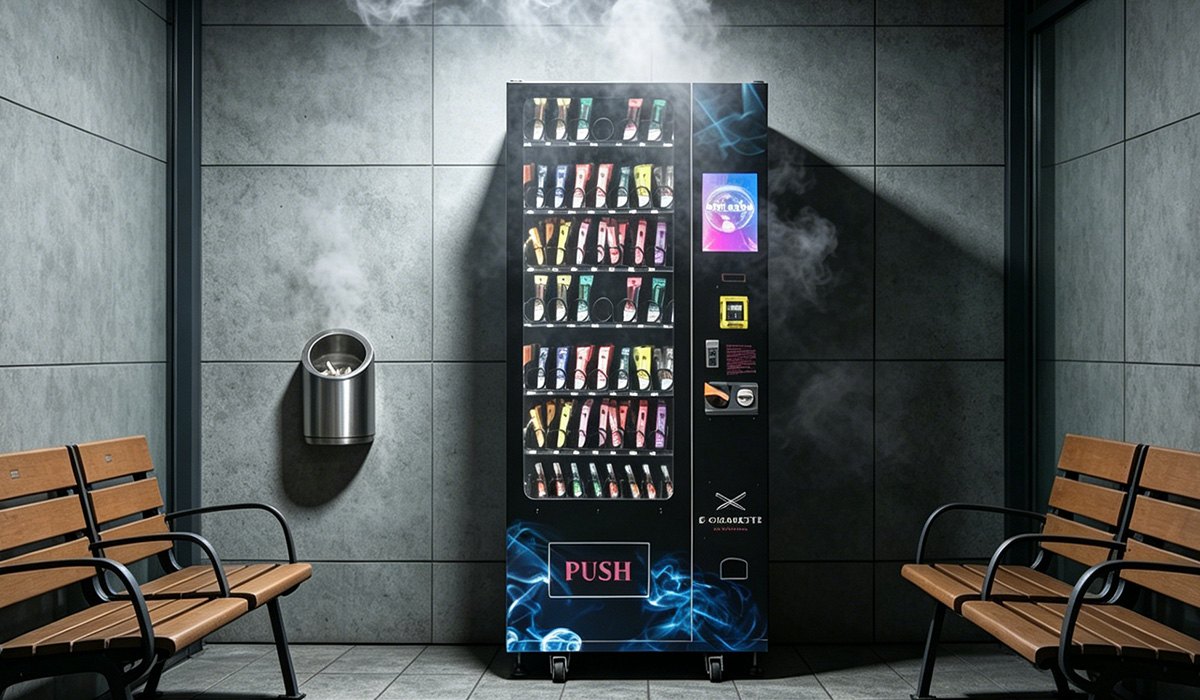
I have placed machines in gyms, office break rooms, hotel lobbies, college dorms, hospitals, and even auto repair shops. Not all locations perform equally. The single biggest mistake I see new operators make is assuming that high foot traffic automatically means high sales. That is not true. You need the right type of traffic. A busy train station may have thousands of people passing by, but if they are all rushing to catch a train, they are not stopping to browse a vending screen. On the other hand, a small office with 50 employees who work eight-hour shifts can generate consistent daily revenue because they have time and need snacks or drinks.
Here is what I look for when evaluating a location:
- Dwell time: How long do people stay in the area? Waiting rooms, break rooms, and lobbies are ideal.
- Existing competition: Is there already a vending machine in the building? If yes, what condition is it in? Often, a poorly maintained competitor is an opportunity.
- Accessibility: Can I get in for restocking without needing a security escort every time?
- Power and internet: Does the location have a reliable outlet and Wi-Fi or cellular signal for the payment system?
- Rent or commission: Some locations ask for a percentage of sales. I generally avoid anything above 15 percent unless the traffic is exceptional.
In my experience, the best-performing locations are not the ones with the highest rent. They are the ones where the machine becomes a convenience that people rely on daily. A machine placed in a 24-hour laundromat, for example, can do surprisingly well because customers are stuck there for 45 minutes with nothing to do. The digital vending machine business thrives on captive audiences, not just large crowds.
Equipment Costs: What You Actually Pay in 2026
Let me be direct about pricing because there is a lot of misinformation online. A basic used vending machine can still be found for around $1,500 to $3,000, but you get what you pay for. Older machines often lack telemetry, have outdated payment systems, and break down more frequently. A new digital vending machine with a touchscreen, cashless reader, and remote monitoring typically costs between $4,000 and $9,000 depending on size and features. For a high-end model that can dispense fresh food or hot meals, you are looking at $10,000 to $15,000.
I have worked with several suppliers over the years, and I have learned to be careful about who I buy from. Some manufacturers offer low upfront prices but charge heavily for replacement parts or do not provide proper technical support. When I started expanding my fleet in 2022, I switched to Zhongda Smart for my new units. Their machines are well-built, the telemetry system works reliably, and their after-sales support has been consistent. If you are sourcing equipment, I recommend looking for a supplier that offers at least a one-year warranty and has a local service network or a responsive remote support team. Do not buy a machine just because it is cheap. The cost of a single breakdown in a high-traffic location can wipe out your profit for a month.
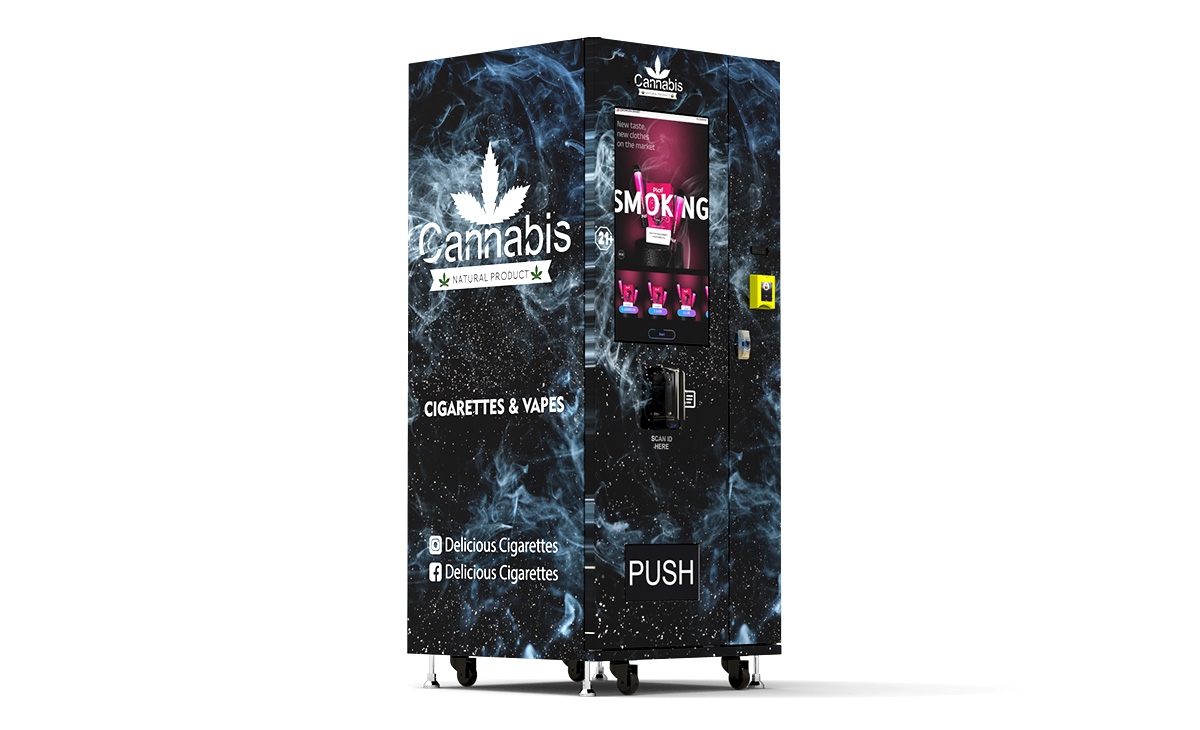
| Machine Type | Price Range (New) | Key Features | Best For |
|---|---|---|---|
| Basic snack & drink | $3,500 – $5,500 | Spiral or tray system, basic telemetry | Offices, small break rooms |
| Smart touchscreen | $5,500 – $9,000 | Digital display, remote monitoring, cashless | Gyms, hotels, schools |
| Fresh food / combo | $9,000 – $15,000 | Refrigeration, temperature control, barcode scanning | Hospitals, factories, high-traffic sites |
Operating Costs and Maintenance: The Hidden Numbers
Many newcomers underestimate the ongoing costs. The machine itself is only part of the investment. You have to factor in product costs, payment processing fees, restocking labor, vehicle expenses, and maintenance. On average, I budget about 20 to 25 percent of gross revenue for product cost, depending on the category. Payment processing fees typically run between 2.5 and 4 percent per transaction. Restocking labor varies, but a single route can cost $200 to $400 per week if you are paying someone else to do it.
Maintenance is where most beginners lose money. A vending machine repair call can cost $100 to $300 just for the visit, plus parts. This is why I strongly recommend buying machines with modular components that are easy to swap. If a refrigeration unit fails on a cheap machine, you might end up replacing the entire machine. I have seen operators abandon perfectly good locations because they bought a low-end machine that became uneconomical to repair.
To give you a realistic picture, here is a typical monthly breakdown for a single digital vending machine in a mid-performing location in the US or Western Europe:
- Gross revenue: $800 – $1,500
- Product cost: $160 – $300
- Payment processing: $20 – $60
- Restocking labor: $80 – $150
- Maintenance reserve: $50 – $100
- Location commission (if any): $80 – $225
- Net monthly profit: $300 – $700
These numbers are based on my own operations and are consistent with data published by IBISWorld in their 2025 vending machine industry report. Your results will vary depending on location, product mix, and how efficiently you run your route.
Return on Investment: How Long Does It Take to Break Even
If you buy a new digital vending machine for $6,000 and net $500 per month, you are looking at roughly 12 months to break even. That is a reasonable target for a well-placed machine. However, if you pay 15 percent commission and the location does not perform, the payback period can stretch to 18 or even 24 months. I always advise new operators to plan for a 12- to 18-month payback on their first machines. Anything longer than that means either the location is weak or the machine is too expensive for the revenue it generates.
One thing I have learned is that the digital vending machine business is not a get-rich-quick model. It is a steady, cash-flow business that rewards consistency. If you treat it like a side hustle and neglect restocking or maintenance, the machine will stop earning. If you run it professionally, it can generate reliable income for years.
Self-Operation vs. Partnership vs. Leasing
You have three main ways to get into this business. You can buy your own machines and operate them yourself. You can partner with a location that already has machines and split revenue. Or you can lease machines from a supplier and pay a monthly fee. I have done all three, and here is what I think:
- Self-operation: Best for people who want full control and are willing to handle restocking and repair. Highest profit potential, but also highest time commitment.
- Revenue sharing: Works well if you have a location that wants a cut rather than a fixed rent. I have seen this work in hospitals and large factories where the facility manager prefers a partnership.
- Leasing: Usually a bad deal in my experience. The monthly lease fee often eats up most of the profit, and you still have to buy product and handle restocking. I would only recommend leasing if you want to test the market with zero upfront capital.
Payment Systems and Security
In 2026, if your machine does not accept Apple Pay, Google Pay, and major credit cards, you are operating in the past. I upgraded all my machines to NFC-enabled readers in 2023, and sales increased by about 25 percent on average. The cost of a good card reader is around $400 to $700, and it pays for itself within a few months. Do not buy the cheapest reader you can find. Go with a trusted brand like Nayax, Cantaloupe, or USA Technologies. These systems integrate with telemetry and allow you to monitor sales remotely.
Security is another concern. Vandalism and theft happen, especially in unsupervised locations. I have had machines broken into for less than $50 in coins. Modern digital machines have tamper alarms, reinforced doors, and cameras. If you are placing a machine in a high-risk area, spend the extra money on a reinforced cabinet. It is cheaper than replacing the machine after a break-in.
Product Selection: What Sells Best
Product mix is not something you set once and forget. I adjust my inventory every quarter based on sales data. In general, the top sellers in 2026 are still bottled water, energy drinks, protein bars, and salty snacks. However, I have seen a strong shift toward healthier options in Europe and the US. Items like nuts, dried fruit, plant-based protein bars, and zero-sugar drinks now account for about 30 percent of my sales in urban locations.
If you are using a digital vending machine with a screen, you can also sell higher-margin items like headphones, phone chargers, or personal care products. I have one machine in a hotel lobby that sells travel-size toiletries, and that machine has a higher profit margin than any snack machine I own. Do not limit yourself to food and drinks. The digital vending machine business in 2026 allows for a much broader product range than most people realize.
Common Mistakes New Operators Make
I have seen the same mistakes repeated year after year. Here are the ones that cost the most money:
- Buying too many machines at once. Start with one or two and learn the operational rhythm before scaling.
- Ignoring location contracts. Always get a written agreement with the property owner. Verbal agreements fall apart when a new manager takes over.
- Underestimating restocking time. A full route of ten machines can take a full day if you are not organized. Plan your route efficiently.
- Skipping maintenance training. Learn basic vending machine repair yourself. You will save hundreds of dollars in service calls.
- Choosing the cheapest machine. As I said earlier, cheap machines break more often and cost more in the long run.
How to Evaluate a Machine Before Buying
Before you commit to a purchase, ask these questions:
- Does the machine support remote monitoring and cashless payments out of the box?
- What is the warranty period, and who covers shipping for repairs?
- Are replacement parts readily available in your country?
- How easy is it to change the product configuration?
- Does the supplier offer installation support or training?
I have bought machines from several manufacturers, and I can tell you that the quality of support varies enormously. If you are sourcing from overseas, make sure the supplier has a local distributor or a responsive support team. Zhongda Smart, for example, provides detailed manuals, video tutorials, and remote troubleshooting. That kind of support makes a real difference when you are trying to keep your machines running.
Regulations and Compliance
In Europe, you need to comply with local food safety regulations if you are selling perishable items. Machines that dispense fresh food must maintain proper temperatures and be cleaned regularly. In the US, the FDA has guidelines for vending machines that sell packaged food, and some states require permits. I have had to deal with health inspections in two different states, and the key is to keep records of cleaning schedules and temperature logs. Do not assume that because the food is packaged, you are exempt. In France, for example, the DGCCRF can inspect your machine at any time, and fines for non-compliance can be significant.
FAQ: Digital Vending Machine Business in 2026
Is the digital vending machine business profitable?
Yes, if you choose the right locations and manage costs carefully. A single machine can generate $300 to $700 per month in net profit after all expenses. Profitability depends heavily on location, product mix, and how efficiently you run your route.
How much does a digital vending machine cost in 2026?
A new digital vending machine with a touchscreen and cashless payment system typically costs between $4,000 and $9,000. High-end fresh food machines can cost up to $15,000. Used machines are cheaper but may lack modern features.
How long does it take to recover the investment?
For a well-placed machine, expect a payback period of 12 to 18 months. If the location is weak or the machine is expensive, it can take longer. I always plan for 18 months as a worst-case scenario.
Should a beginner buy or lease a machine?
Buying is better if you have the capital. Leasing usually eats up too much of your profit. If you want to test the market, consider buying one used machine and operating it for six months before scaling up.
Where should I place my first machine?
Look for locations with captive audiences and dwell time: office break rooms, hospital waiting areas, gyms, college dorms, and laundromats. Avoid locations where people are in a hurry, like train platforms or busy sidewalks.
What permits do I need to operate a vending machine?
Requirements vary by country and state. In the US, you typically need a business license and a sales tax permit. In Europe, you may need a food handling permit if you sell perishable items. Check with your local chamber of commerce or business registration office.
How do I choose a vending machine supplier?
Look for a supplier with a solid warranty, responsive technical support, and a track record of reliable machines. Ask for references and read reviews from other operators. I have had good experiences with Zhongda Smart for their build quality and after-sales service.
What happens if the machine breaks down?
If you have basic mechanical skills, you can handle many repairs yourself. For complex issues, you will need a technician. That is why I recommend buying machines with modular components and a good warranty. A vending machine repair visit typically costs $100 to $300.
How can I reduce restocking and maintenance costs?
Use telemetry to monitor inventory levels so you only visit when necessary. Plan your routes efficiently to minimize driving time. Learn basic repairs to avoid service calls. And buy machines that are known for reliability, even if they cost more upfront.
Final Thoughts from a Decade in the Business
The digital vending machine business in 2026 is not the same industry I entered ten years ago. The technology is better, the expectations are higher, and the competition is more sophisticated. But the fundamentals have not changed: find a good location, stock what people want, keep the machine running, and treat the business like a real operation, not a hobby. If you do that, you can build a steady income stream that requires less daily effort than many other small businesses. Just do not expect to get rich overnight, and do not skip the homework on equipment selection and location evaluation.
One final piece of advice: start small, learn from your mistakes, and reinvest your profits into better machines and better locations. That is how you build a sustainable operation in this space.
This article was updated in March 2026. All cost and revenue figures are based on the author's operational experience in the United States and Western Europe, supplemented by data from Statista (2025 Cashless Payment Report) and IBISWorld (Vending Machine Industry Report, 2025).