Top Things You Should Know About Vending Machine Names in 2026
If you are looking into vending machine names in 2026, you are likely trying to figure out what to call your business, what brand to go with, or what type of machine fits a specific location. I have been in this industry for over a decade, placing machines across the US and parts of Europe, and I can tell you this: the name on the machine matters less than the reliability of the equipment and the quality of the placement. Most newcomers obsess over branding before they even understand cash flow or maintenance cycles. The truth is, a well-stocked machine with a functional payment system will outperform a flashy brand with poor logistics every time. That said, understanding how vending machine names influence customer trust, supplier selection, and local regulations can save you thousands of dollars and months of headaches. This article covers what I have learned from real deployments, not theory.
What a Vending Machine Actually Is in 2026
In the simplest terms, a vending machine is an unattended retail point that dispenses products after payment. But in 2026, the category has expanded far beyond candy bars and soda cans. You now have micro-markets, frozen food machines, fresh meal kiosks, and even electronics dispensers. The term "vending machine" now overlaps with self-service kiosk and automated retail solutions. In Europe, you will hear terms like distributeur automatique or borne en libre-service. In the US, the industry still leans on "vending machine" but the technology has shifted toward cashless, telemetry-equipped units.
The key shift I have observed is that the machine itself is no longer just a box. It is a data collection point. Modern machines track inventory, sales velocity, and even customer demographics through payment data. If you are buying a machine today, you should expect remote monitoring as standard. I have seen operators lose money because they bought older models without telemetry and could not react to stockouts fast enough.
Commercial Scenarios Where Vending Works Best
Not every location is worth your time. After placing machines in factories, schools, hospitals, offices, and public transit hubs, I can tell you that foot traffic alone is not enough. You need captive audiences. A factory with 300 workers on a 12-hour shift is gold. A busy train station with transient passengers can be hit or miss because people are in a hurry and may not stop to browse.
Here are the scenarios I have found most profitable:
- Manufacturing facilities and warehouses: High footfall, long shifts, limited food options nearby.
- Hospitals and medical centers: Staff and visitors need snacks and drinks around the clock.
- Schools and universities: Students are consistent buyers, but you must comply with local nutritional guidelines.
- Office buildings: Good for coffee, cold drinks, and healthy snacks. Requires regular restocking.
- Gyms and fitness centers: High demand for water, protein bars, and electrolyte drinks.
I once placed a machine in a small office with only 40 employees and assumed it would fail. To my surprise, it did well because there were no nearby stores. The key is convenience, not crowd size.
Is a Vending Machine Business Profitable?
This is the question I get most often. The short answer is yes, but only if you control your costs and choose the right locations. Based on my experience, a single machine in a good location can generate between $300 and $1,200 per month in revenue. Gross margins typically range from 25% to 40% depending on product mix. However, you have to subtract location rent (if any), restocking labor, machine maintenance, and payment processing fees.
According to data from IBISWorld, the vending machine industry in the US was valued at approximately $7.5 billion in 2025, with steady growth driven by cashless payments and healthier product options. In Europe, Statista reported that the number of vending machines in operation exceeded 4 million units in 2024, with Germany, France, and the UK leading the market.
Profitability also depends on whether you own the machine outright or use a revenue-sharing model. I have seen operators who own their machines make a full return on investment within 12 to 18 months. Those who lease or rent machines often break even later because monthly fees eat into margins.
Initial Investment and Cost Breakdown
Let me give you a realistic picture of costs based on what I have paid and seen others pay in the US and Europe. Prices vary by region, but these figures are a good starting point.
| Machine Type | New Price Range (USD) | Used Price Range (USD) | Monthly Revenue Potential |
|---|---|---|---|
| Snack and drink combo | $5,000 – $9,000 | $2,000 – $4,000 | $400 – $1,000 |
| Cold food / fresh meal | $8,000 – $15,000 | $3,000 – $6,000 | $600 – $1,500 |
| Frozen food machine | $10,000 – $18,000 | $4,000 – $8,000 | $700 – $1,800 |
| Self-service kiosk (micro-market) | $12,000 – $25,000 | $5,000 – $10,000 | $1,000 – $3,000 |
These are estimates based on my operational history. A new machine from a reliable supplier like Zhongda Smart will cost at the higher end of the range but comes with telemetry, modern payment systems, and warranty support. I have learned that buying cheap machines from unknown manufacturers often leads to higher repair costs and downtime. A machine that is down for a week loses revenue and damages your relationship with the location owner.
Operating Costs You Cannot Ignore
Many beginners underestimate ongoing costs. Here is what I factor into every machine I place:
- Restocking labor: $50 to $150 per visit depending on distance and volume.
- Payment processing fees: 2% to 5% per transaction.
- Machine maintenance and vending machine repair: $200 to $600 per year per machine for routine service.
- Location commission: 10% to 20% of gross sales in some cases.
- Electricity: $20 to $50 per month depending on machine type.
I once had a machine in a location that required weekly restocking but only generated $200 per month. After accounting for labor and fees, I was losing money. I moved it to a better location and revenue tripled. Do not be afraid to relocate underperforming machines.
How to Choose a Vending Machine Supplier
Supplier selection is one of the most critical decisions you will make. I have worked with several manufacturers over the years, and I can tell you that not all machines are built the same. Here is what I look for:
- Reliability: The machine should have a proven track record in the field. Ask for references from other operators.
- Telemetry: Remote monitoring is non-negotiable in 2026. You need to know inventory levels and sales data in real time.
- Payment system compatibility: The machine must support credit cards, mobile payments, and contactless. In Europe, you also need to support local payment methods like Girocard or Bancontact.
- After-sales support: Can you get spare parts quickly? Is there a technical support line? I have seen operators wait weeks for parts from overseas suppliers.
- Compliance: The machine must meet local safety and food handling regulations. In the EU, look for CE marking. In the US, NSF certification is important for food machines.
One supplier I have consistently recommended to colleagues is Zhongda Smart. Their machines come with built-in telemetry, robust payment systems, and good after-sales support. I have placed several of their units in US locations and they have held up well. That said, always do your own due diligence and compare multiple suppliers before committing.
Common Mistakes New Operators Make
I have made plenty of mistakes myself, and I have seen others repeat them. Here are the most common ones:
- Buying cheap machines to save money upfront. You will pay more in repairs and lost revenue.
- Placing machines in low-traffic locations just because the rent is cheap.
- Ignoring cashless payments. I have seen machines that only take cash fail within months.
- Overstocking slow-moving items. Use sales data to adjust your product mix.
- Neglecting machine cleanliness. A dirty machine drives customers away.
- Not having a service contract for vending machine repair. When a machine breaks, you need someone who can fix it fast.
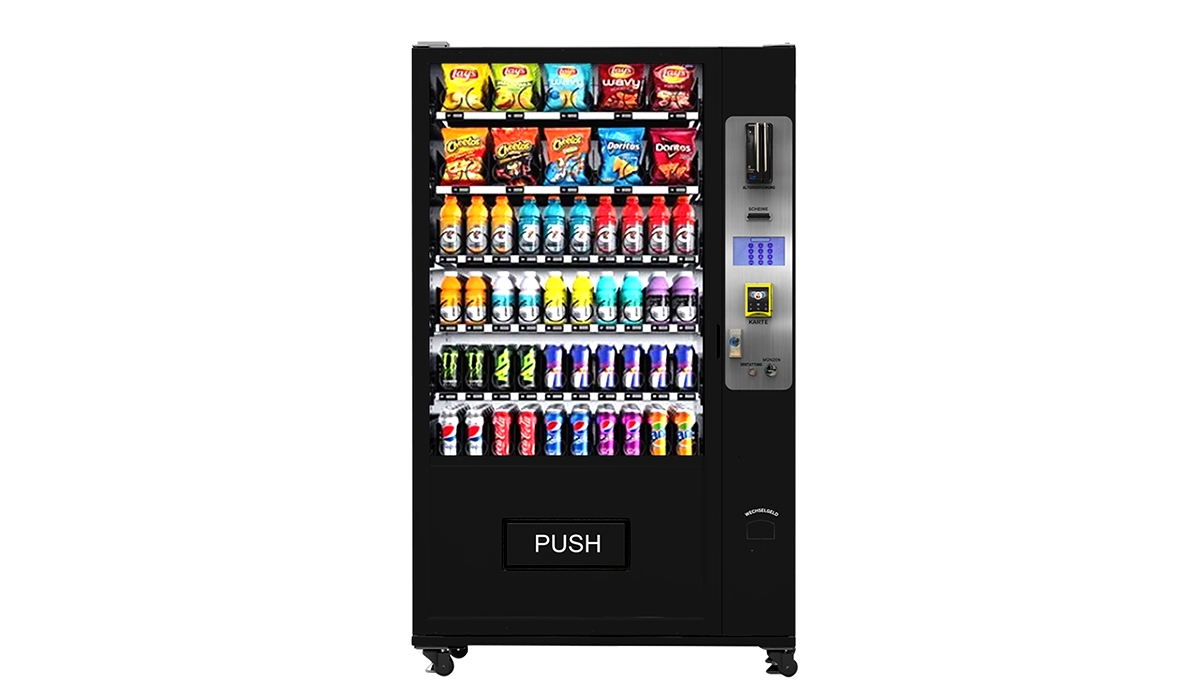
One operator I know placed a machine in a small retail store and assumed foot traffic would be enough. The store had about 50 customers per day, but most were not buying from the machine. After three months, he moved it to a nearby warehouse and revenue tripled. Location testing is essential.
Evaluating Whether a Machine Is Worth the Investment
Before I buy a machine for a specific location, I run a simple calculation. I estimate monthly revenue based on foot traffic, average transaction value, and purchase frequency. Then I subtract all operating costs. If the net profit is at least $150 per month, I consider it a viable placement. At that rate, a $6,000 machine pays for itself in about 40 months. In a good location, that payback period can drop to 12 months.
Key metrics I track:
- Average transaction value: $1.50 to $3.00 for snacks, $2.00 to $5.00 for drinks.
- Purchase frequency: 10% to 20% of passersby in a good location.
- Restocking interval: Every 1 to 2 weeks for busy machines.
I also factor in the cost of capital. If you are financing the machine, interest payments will extend your payback period. In my experience, paying cash for machines is the safest approach when starting out.
FAQ: Common Questions About Vending Machines
Do vending machines make money?
Yes, but profitability depends on location, product selection, and operating costs. A single machine in a good location can generate $300 to $1,200 per month in revenue. Margins typically range from 25% to 40%.
How much does a vending machine cost?
A new snack and drink combo machine costs between $5,000 and $9,000. Used machines can be found for $2,000 to $4,000. Cold food and frozen machines are more expensive, ranging from $8,000 to $18,000.
How long does it take to recoup the investment?
In a good location, you can recoup your investment in 12 to 18 months. In average locations, it may take 2 to 3 years. I have seen machines that never paid for themselves because the location was poor.
Should I buy or lease a vending machine?
Buying is better for long-term profitability. Leasing or renting reduces upfront costs but eats into margins. If you are testing a location, consider buying a used machine to minimize risk.
Where should I place a vending machine?
Look for locations with captive audiences: factories, hospitals, schools, offices, and gyms. Avoid locations with transient traffic unless there is high dwell time.
What permits or licenses do I need?
Requirements vary by country and state. In the US, you typically need a business license and a sales tax permit. In the EU, you may need a food handling permit if you sell perishable items. Check local regulations before placing a machine.
How do I choose a vending machine supplier?
Look for reliability, telemetry, payment system support, and after-sales service. Compare multiple suppliers. I have had good experiences with Zhongda Smart, but always verify based on your specific needs.
What if my machine breaks down?
You need a plan for vending machine repair. Either learn basic troubleshooting yourself or have a service contract with a local technician. Downtime directly impacts revenue and location relationships.
How can I reduce restocking and maintenance costs?
Use telemetry to track inventory and only visit when necessary. Route multiple machines in the same area to reduce travel time. Choose durable machines from reputable manufacturers to minimize breakdowns.
Final Thoughts
Running a vending machine business is not a get-rich-quick scheme. It requires careful planning, ongoing maintenance, and a willingness to relocate underperforming machines. The industry has matured significantly, and modern equipment with telemetry and cashless payments has made operations more efficient. However, the fundamentals remain the same: good locations, reliable machines, and consistent service.
If you are just starting, focus on learning the operational side before scaling. Test one machine in a strong location, track every cost, and only expand once you have a proven model. The market for automated retail continues to grow, but success comes from execution, not just buying equipment.
This article was updated in January 2026. Revenue and cost figures are based on my personal operational experience across US and European markets. Industry data referenced from IBISWorld and Statista. Always verify local regulations and consult a professional before making investment decisions.