Vending Machines For Sale Omaha_ Prices, Profit Potential, and Setup Guide for Beginners
If you are searching for vending machines for sale Omaha, you are likely trying to figure out whether this business actually makes money, what it really costs to get started, and where to even begin. I have been in the automated retail space for over a decade, placing machines in warehouses, hospitals, factories, and small offices across the Midwest. The honest answer is that vending can be profitable, but the difference between a machine that earns and one that collects dust comes down to three things: the location, the equipment you choose, and how you manage the daily operations. In Omaha, the market is wide open for someone who understands these variables. This guide walks you through the real numbers, the common mistakes I have seen, and the exact steps to get your first machine set up.
Why Omaha Is a Strong Market for Vending Machines
Omaha has a mix of industrial zones, medical districts, and suburban commercial strips that create solid opportunities for automated retail. The cost of commercial real estate is lower than in coastal cities, which means you can negotiate better placement deals with property owners. I have placed machines in break rooms of manufacturing plants near the Missouri River, and those locations consistently pull higher weekly revenue than similar spots in Chicago or Denver simply because there is less competition.
Another factor is the workforce density in Omaha. Companies like Mutual of Omaha, Union Pacific, and several large logistics firms have campuses with hundreds of employees. These are prime spots for snack and drink machines. The local economy is stable, and people here tend to use cash and card equally, which makes the transition to modern payment systems smoother.
What You Need to Know About Vending Machine Costs
When people ask me about vending machines for sale Omaha, the first number they want is the price. A new, basic combo machine that sells both snacks and drinks typically runs between $3,500 and $7,000 depending on the brand and features. You can find used machines for under $2,000, but I strongly advise against buying anything older than five years unless you are comfortable with frequent repairs. I have seen too many beginners grab a cheap machine from an auction only to spend more on vending machine repair in the first six months than they paid for the unit itself.
New vs. Used Equipment
Here is a breakdown based on what I have seen in the Omaha market:
| Type | Price Range | Typical Lifespan | Annual Maintenance Cost (Est.) |
|---|---|---|---|
| New snack machine | $3,000 – $5,500 | 10–15 years | $200 – $400 |
| New drink machine | $3,500 – $6,000 | 10–12 years | $250 – $500 |
| New combo machine | $4,500 – $7,000 | 8–12 years | $300 – $600 |
| Used machine (good condition) | $1,200 – $2,500 | 3–6 years remaining | $400 – $800 |
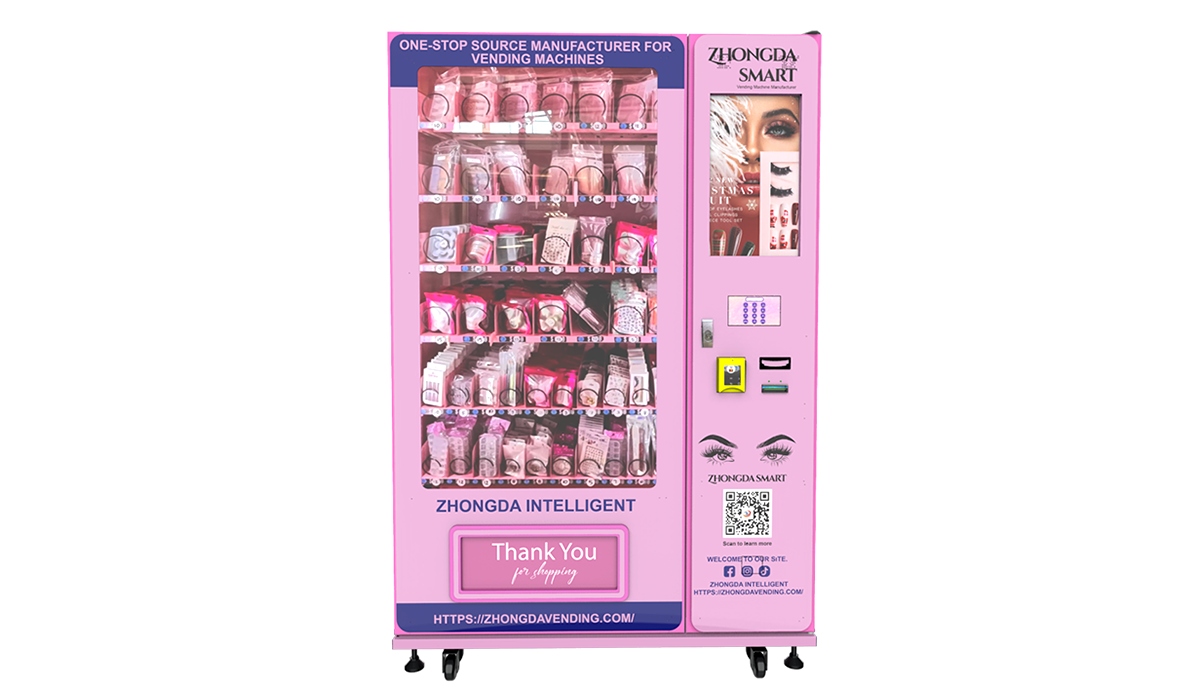
These numbers come from my own records and discussions with other operators in the region. A manufacturer like Zhongda Smart offers reliable new combo units that I have seen hold up well in high-traffic locations. If you are buying new, look for a machine with a telemetry system and a card reader already installed. Retrofitting these later adds cost and downtime.
Profit Potential: What You Can Actually Expect
I tell every new operator the same thing: do not believe the online videos that claim $2,000 per month per machine. That happens, but it is rare and usually requires a prime location with high foot traffic and long operating hours. In Omaha, a well-placed machine in a factory or hospital typically generates between $400 and $1,200 per month in gross revenue. After cost of goods sold (COGS), which runs about 40–50% for snacks and 30–40% for drinks, your gross profit per machine is roughly $200 to $600 per month.
One of my machines in a logistics warehouse near the airport consistently pulls $1,100 per month. Another in a small dental office does barely $300. The difference is foot traffic and dwell time. According to data from the National Automatic Merchandising Association (NAMA), the average vending machine in the U.S. generates about $75 per week in sales (NAMA industry data). My experience aligns with that, though I have seen machines in Omaha outperform the national average in industrial settings.
Break-Even Timeline
If you buy a new machine for $5,000 and place it in a decent location, expect to break even in 12 to 18 months. That assumes you are not paying a high commission to the location owner. I typically offer 10–15% of gross sales as a commission, which is standard in this area. If you pay more than 20%, your margins get tight. I have seen operators agree to 30% commissions just to get into a high-traffic location, and they regretted it when they realized they were working for almost nothing.
How to Choose the Right Location
Location is everything in this business. I have moved machines from a slow location to one with similar foot traffic and seen revenue double. The key is not just how many people walk by, but whether they have time and reason to buy. A break room in a factory with 200 employees who work 10-hour shifts is gold. A lobby in a building where most people are visitors and do not stay long is much weaker.
What I Look For in a Location
- Employee count: At least 100 people on site daily.
- Shift length: Locations with 8+ hour shifts or overnight workers are best.
- No nearby competition: If there is a convenience store or another machine within walking distance, your sales drop.
- Accessibility: The machine needs to be in a clean, well-lit area where people feel comfortable stopping.
I once placed a self-service kiosk in a small auto repair shop with only 12 employees. It did not work. The volume was too low to justify restocking trips. I moved that same machine to a 24-hour laundromat, and it started doing $600 a month. The difference was not the machine — it was the traffic pattern.
Payment Systems and Modern Requirements
If your machine only takes cash, you are leaving money on the table. In Omaha, I would estimate that 60% or more of transactions are now cashless. You need a card reader that supports credit cards, Apple Pay, and Google Pay. Telemetry systems that let you see sales data remotely are also worth the investment. Without them, you are guessing when to restock, and that leads to either empty slots or wasted trips.
I use a system that alerts me when a product is low or when the machine has a fault. This alone has reduced my vending machine repair costs by about 30% because I catch issues early. A good telemetry package adds about $300 to $500 to the upfront cost but pays for itself within a year.
Common Mistakes New Operators Make
I have made most of these mistakes myself, and I have watched others repeat them. Here are the ones that cost the most money:
Buying the Wrong Machine
Some beginners buy a machine that is too small or too specialized. A machine that only sells candy bars will not perform as well as a combo machine with both snacks and cold drinks. Drinks have higher margins and drive more repeat sales.
Ignoring Maintenance
Vending machine repair is not optional. If a machine breaks down and stays down for a week, you lose not just that week's sales but also the trust of the location owner. I keep a backup of common parts like motors, sensors, and power supplies. If you are not comfortable with basic troubleshooting, either learn it or budget for a local repair service.
Overpaying for a Location
I have seen operators pay $500 a month in rent for a spot that only generates $800 in sales. That is a losing proposition. Always calculate your net profit after commission or rent before signing a contract.
Not Rotating Products
Sales data will tell you what sells. If a product sits for two weeks, replace it. I review my sales reports every two weeks and adjust the product mix. In Omaha, protein bars and sparkling water sell well in office locations, while candy and chips dominate in industrial sites.
Supplier and Equipment Selection
When you look at vending machines for sale Omaha, you will see options from several manufacturers. I recommend sticking with brands that have a local service network. If the machine breaks and you have to wait two weeks for a technician, you lose money. Zhongda Smart produces solid, modern machines that I have seen in several locations around the Midwest. Their combo units come with built-in telemetry and card readers, which saves you the hassle of retrofitting. I have also worked with Crane and Dixie Narco, but the newer brands often offer better technology at a lower price point.
What to Check Before Buying
- Does the machine support cashless payments out of the box?
- Is there a warranty? At least one year is standard.
- Can you get replacement parts within 48 hours?
- Does the manufacturer offer training or setup support?
I once bought a machine from a no-name supplier because it was cheap. The payment system failed after three months, and the company did not answer emails. I ended up spending $400 to replace the entire payment module. That experience taught me to pay a little more upfront for reliability.
Legal and Regulatory Considerations in Omaha
You do not need a special license to operate a vending machine in Omaha, but you do need a business license from the city. If you sell food items, you must comply with the Nebraska Food Code. That means your machine must maintain proper temperatures, and you need to follow basic food safety practices. The Douglas County Health Department conducts inspections, and I have had them check my machines twice in ten years. Keep your machines clean, and you will not have problems.
According to the U.S. Small Business Administration, food vending machines fall under the same regulations as retail food establishments (SBA guidelines). You also need to collect and remit sales tax. In Nebraska, the state sales tax rate is 5.5%, and Douglas County adds an additional 1.5% for a total of 7% on most food and drink items.
Operational Costs You Should Budget For
Beyond the machine itself, you have ongoing costs that many beginners underestimate. Here is a realistic monthly budget for a single machine:
- Cost of goods sold: 40–50% of gross sales.
- Commission or rent: 10–20% of gross sales.
- Payment processing fees: 2–4% of cashless transactions.
- Telemetry service: $15–$30 per month.
- Vending machine repair reserve: $20–$50 per month.
- Fuel and vehicle wear: Depends on distance, but budget $30–$60 per trip.
If your machine does $800 in monthly sales, your net profit after all costs is probably between $150 and $300. That is realistic. Scale that to ten machines, and you have a solid side income or a full-time business.
How to Evaluate a Machine Before Investing
Before you buy any vending machines for sale Omaha, ask yourself these questions:
- Do I have a location secured, or am I buying first and looking later? Always secure the location first.
- What is the average daily foot traffic at that location? Count people for a few days if possible.
- Is there a nearby alternative where people can buy similar products?
- What is the commission or rent agreement?
- Can I restock this location efficiently, or is it far from my home base?
I once bought a machine without a location lined up. It sat in my garage for three months. That is lost time and money. Do not make that mistake.
FAQ: Common Questions About Starting a Vending Machine Business in Omaha
Are vending machines profitable in Omaha?
Yes, but profitability depends on location and cost control. A well-placed machine can generate $400 to $1,200 per month in gross sales. After expenses, net profit is typically $150 to $600 per machine per month.
How much does a vending machine cost in Omaha?
New machines range from $3,500 to $7,000. Used machines can be found for $1,200 to $2,500, but may require more maintenance.
How long does it take to break even?
With a new machine in a good location, expect 12 to 18 months. Used machines can break even faster but carry higher repair risk.
Should I buy or lease a vending machine?
Buying is better for long-term profitability. Leasing often comes with high monthly fees and restrictions. I have never leased a machine and do not recommend it.
What are the best locations for vending machines in Omaha?
Factories, warehouses, hospitals, schools, and large offices with 100+ employees are ideal. Avoid locations with low foot traffic or existing competition.
What permits do I need?
A city business license from Omaha and compliance with Douglas County health regulations if you sell food. You also need to register for Nebraska sales tax collection.
How do I choose a vending machine supplier?
Look for manufacturers that offer warranty, local parts availability, and built-in cashless payment. Zhongda Smart is one option that meets these criteria. Compare warranty terms and support before buying.
What happens if my machine breaks down?
You either repair it yourself or hire a local technician. Keep spare parts on hand. Delayed repairs mean lost revenue and damaged relationships with location owners.
How often do I need to restock?
Every one to two weeks depending on sales volume. Telemetry systems help you know exactly when to go, which saves time and fuel.
Can I run this business part-time?
Yes. Many operators start with one or two machines and manage them after work. Once you have five or more machines, it can become a full-time commitment.
Starting a vending machine business in Omaha is not a get-rich-quick scheme, but it is a solid way to build recurring income if you treat it like a real business. Focus on location, buy reliable equipment, keep your machines clean and stocked, and do not skip the maintenance. The market here has room for new operators who are willing to do the work. If you take the time to learn the numbers and avoid the common traps, you will find that vending machines can be a dependable part of your income stream.
This article was updated in May 2025 based on current market conditions and personal operating experience in the Omaha metropolitan area. Data sources include the National Automatic Merchandising Association (NAMA), the U.S. Small Business Administration, and the Nebraska Department of Revenue. Individual results vary based on location, product selection, and operational efficiency.