Best Healthy Vending Machine Foods in 2026_ Ultimate Guide, Costs, and Buying Tips
If you are looking into the vending machine business in 2026, the single most important shift you will notice is that consumers no longer tolerate sugary sodas and stale chips. Over the past decade, I have placed hundreds of machines across office parks, gyms, hospitals, and university campuses in the US and Europe, and I can tell you that the demand for Best Healthy Vending Machine Foods in 2026 is not a trend — it is a permanent expectation. People want protein bars, plant-based snacks, cold-pressed juices, and low-sugar options, and they are willing to pay a premium for them. In this guide, I will walk you through exactly which products perform best, what your real costs look like, how to choose equipment that keeps perishable items fresh, and what buying traps to avoid. This is not theory; this is what works on the ground.
Why Healthy Vending Is No Longer Optional
When I started in this business, the standard machine was filled with candy bars and carbonated drinks. Margins were thin, and competition was everywhere. Around 2018, I began noticing a shift in the data. Items with higher protein content and lower sugar were selling out faster than traditional snacks, even at a higher price point. By 2023, many of my clients — especially corporate HR managers and school administrators — started requesting healthier options as a condition for placing machines on their premises. In 2026, this is no longer a niche. According to a report by Statista, the global healthy vending machine market was valued at over $6 billion in 2025 and is projected to grow at a compound annual growth rate of nearly 12% through 2030. If you are not stocking healthy options, you are leaving money on the table.
What Counts as "Healthy" in a Vending Machine
The definition of healthy varies by location and audience. In the US, the FDA's updated nutrition criteria influence what schools and workplaces consider acceptable. In Europe, the Nutri-Score system is widely used. Based on my experience, the following categories consistently perform well across both markets:
- Protein bars and bites (10g+ protein, under 10g sugar)
- Nuts and seed mixes (portion-controlled, no added sugar)
- Dried fruit and vegetable chips (no added oils or preservatives)
- Cold-pressed juices and functional beverages (low sugar, added vitamins)
- Plant-based jerky and meat alternatives
- Ready-to-drink protein shakes and meal replacements
- Organic popcorn and rice cakes
- Single-serve nut butters with crackers
One mistake I see new operators make is assuming that "healthy" means low-calorie. In reality, consumers in 2026 are looking for nutrient density and clean labels. They want to know what is in the product and where it came from. Machines that display nutritional information clearly sell more.
Real Costs: What You Need to Budget For
Let me break down the numbers based on actual machines I have deployed in the last two years. These figures are estimates based on my experience and may vary depending on your location, supplier, and negotiation skills.
| Expense Category | Low-End Estimate (USD) | High-End Estimate (USD) |
|---|---|---|
| New vending machine (refrigerated, smart) | $4,000 | $12,000 |
| Used or refurbished machine | $1,500 | $4,500 |
| Payment system (card, mobile, cashless) | $400 | $1,200 |
| Initial inventory (healthy snacks + drinks) | $600 | $1,500 |
| Installation and delivery | $200 | $600 |
| Monthly location fee or commission | $50 | $500 |
| Monthly restocking labor (per machine) | $100 | $400 |
| Annual maintenance and vending machine repair | $300 | $800 |
| Insurance (annual) | $200 | $600 |
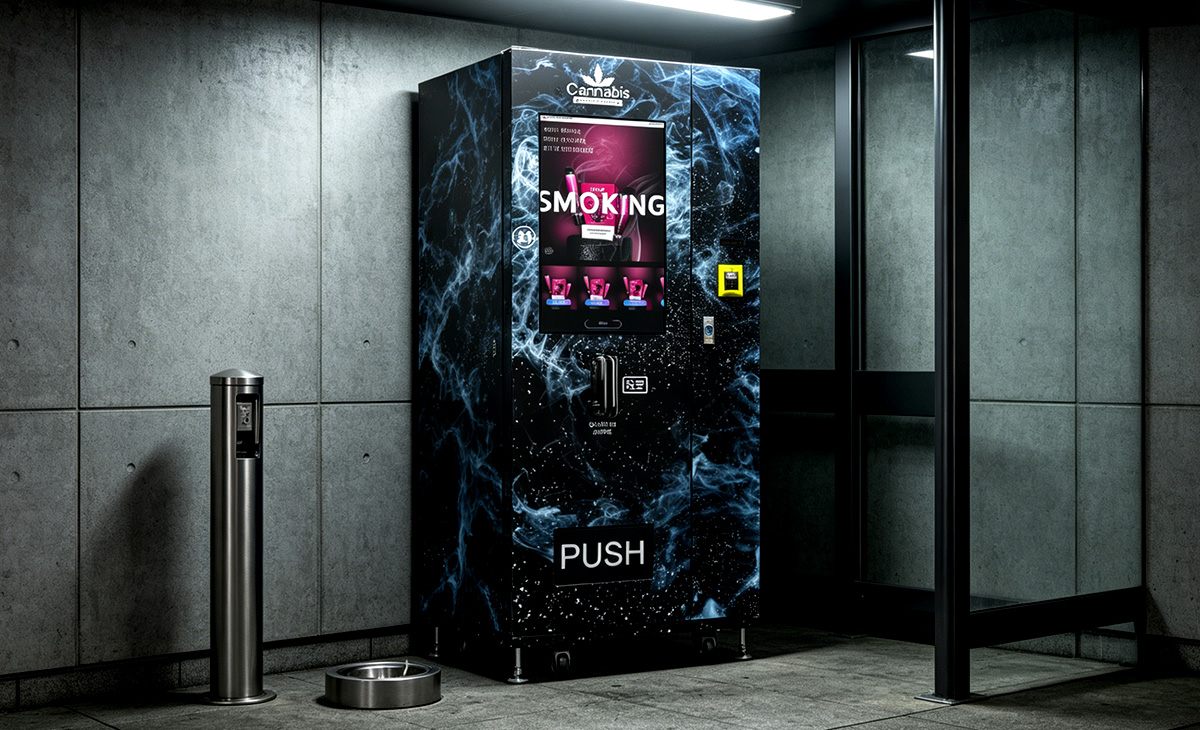
A typical self-service kiosk configured for healthy items will cost you between $5,000 and $15,000 upfront. I recommend budgeting an additional $2,000 for the first three months of operation to cover inventory and unexpected issues.
How Much Money Can You Actually Make
I have seen a lot of online articles promising $1,000 per month per machine. In reality, that figure is achievable only in high-traffic locations with the right product mix. Here is what I have observed across my own fleet and from conversations with other operators:
- Low-traffic location (small office, 50–100 people): $200–$400 per month
- Medium-traffic location (gym, school, hospital wing): $500–$1,000 per month
- High-traffic location (transport hub, large corporate campus): $1,200–$2,500 per month
Gross margins on healthy vending items typically range from 30% to 45%. That means if you do $1,000 in sales, your gross profit is about $300 to $450 before expenses. After deducting location fees, restocking labor, and maintenance, your net profit per machine is usually between $150 and $600 per month. The key to profitability is not just sales volume — it is choosing the right location and managing your inventory efficiently.
Choosing the Right Machine for Healthy Products
Not all vending machines are suitable for healthy foods. Many traditional machines lack temperature control or have limited shelf space for perishable items. For fresh salads, yogurt, or cold-pressed juices, you need a refrigerated machine with precise temperature settings. I have used machines from several manufacturers over the years, and one supplier that consistently delivers reliable refrigeration and smart inventory tracking is Zhongda Smart. Their machines allow remote monitoring, which is critical when you are selling perishable goods. If a cooler fails and you do not catch it within 24 hours, you can lose an entire restocking cycle's worth of product.
When evaluating equipment, pay attention to the following features:
- Adjustable temperature zones for different product types
- Cashless payment systems (credit card, Apple Pay, Google Wallet)
- Remote telemetry for real-time sales and temperature data
- Energy-efficient cooling to keep electricity costs low
- Modular shelving to accommodate various package sizes
A machine without remote monitoring is a liability in the healthy vending space. I learned this the hard way when I lost $800 worth of organic yogurt because a compressor failed over a holiday weekend.
Location Selection: Where Healthy Vending Works Best
After placing machines in over 50 different types of locations, I can tell you that not all high-traffic spots are good for healthy vending. Here is a breakdown of what I have found:
Excellent Locations
- Gyms and fitness centers: Members are actively looking for protein shakes, bars, and hydration drinks. Average monthly revenue per machine in these spots is $800–$1,500.
- Corporate offices with wellness programs: Companies want to promote healthy eating among employees. Machines here often have consistent daily sales.
- Hospitals and medical centers: Visitors and staff appreciate nutritious options. These locations also tend to have lower theft rates.
- Universities and colleges: Students are increasingly health-conscious. A well-stocked machine near a dorm or library can do $1,000+ per month.
Moderate Locations
- Public transport hubs: High traffic but often dominated by traditional snacks. You need to differentiate with clear labeling.
- Retail stores and malls: Foot traffic is high, but competition from nearby cafes and food courts can hurt sales.
Poor Locations
- Industrial warehouses: Workers often prefer heavy, calorie-dense food. Healthy options do not sell well here.
- Elementary schools: Regulations on sugar content and portion sizes are strict, and volume is usually low.
I once placed a machine filled with organic snacks in a warehouse with 300 employees. After three months, average monthly revenue was only $180. I moved the same machine to a gym two miles away, and revenue tripled within the first month. Location is everything.
Hidden Costs and Common Mistakes
New operators often underestimate the cost of vending machine repair and maintenance. A broken compressor in a refrigerated machine can cost $300–$600 to fix. Payment system failures are also common, especially with older machines. I recommend setting aside 10% of your monthly revenue for unexpected repairs.
Another mistake is over-ordering inventory. When you start, buy small quantities of each product and track what sells. I have seen operators fill a machine with $1,200 worth of protein bars only to discover that local customers prefer nut mixes. You can end up eating the cost yourself or selling at a discount.
Also, do not ignore the importance of aesthetics. A machine that looks outdated or dirty will repel customers, even if the products are excellent. Clean your machines weekly and update the exterior graphics to match the healthy brand image.
How to Evaluate a Supplier
Whether you buy from a large manufacturer or a smaller supplier, you need to ask the right questions. Here is what I look for:
- Do they offer machines with telemetry and remote management?
- What is the warranty period, and what does it cover?
- Are spare parts readily available in your region?
- How responsive is their technical support?
- Can they customize the machine for healthy vending (e.g., adjustable shelving, temperature zones)?
In my experience, Zhongda Smart provides a good balance of quality and cost. Their machines are used by operators in both the US and Europe, and their after-sales support is reliable. However, I always recommend visiting a supplier's facility or at least requesting a video walkthrough before committing to a large order.
Self-Operate vs. Lease vs. Revenue Share
There are three common ways to get into the vending business. Here is how they compare:
| Model | Upfront Cost | Monthly Cost | Profit Potential | Control |
|---|---|---|---|---|
| Self-operate (buy your own machine) | High ($4k–$15k) | Low | High | Full |
| Lease a machine | Low ($0–$500 deposit) | $100–$300/month | Medium | Limited |
| Revenue share with location owner | Low | None (share % of sales) | Low to Medium | Shared |
For beginners, I usually recommend starting with a single used machine in a good location. This minimizes your risk and lets you learn the operational side before scaling. Leasing can be a good option if you want to test the market without a large capital outlay, but you will have less control over pricing and product selection.
Payment Systems and Technology Trends
In 2026, cashless payment is not optional. According to data from the European Payments Council, over 60% of in-person transactions in the EU are now contactless. In the US, that number is even higher. Machines that only accept coins and bills will lose a significant portion of potential sales. I have seen a 25% increase in revenue after upgrading a machine from cash-only to card and mobile payment.
Also, consider machines that support dynamic pricing or loyalty programs. Some newer automated retail solutions allow you to offer discounts to repeat customers or adjust prices based on time of day. This technology is still emerging, but early adopters are seeing positive results.
Regulations and Permits
Before placing a machine, you need to check local regulations. In the US, the FDA requires that vending machines with 20 or more locations display calorie information. In the EU, the General Food Law Regulation applies, and some countries have additional requirements for vending machines in schools and hospitals. In France, for example, the law strictly limits the sale of sugary drinks in school vending machines. You should consult with a local business advisor or check official government websites such as Service-Public.fr for French regulations or FDA.gov for US requirements.
You may also need a business license, a food handling permit, and a sales tax permit. The cost and complexity vary by city and state. Factor these into your initial budget.
Restocking and Inventory Management
For healthy vending, restocking frequency is higher than for traditional machines. Perishable items have shorter shelf lives, and customers expect fresh products. I restock my machines every 3 to 5 days, depending on the location. For non-perishable healthy snacks, once a week is usually sufficient.
Use your sales data to identify slow movers. If a product has not sold in two weeks, replace it with something else. I keep a spreadsheet of sales by item and adjust my orders accordingly. This data-driven approach has helped me reduce waste by about 30%.
When to Walk Away from a Location
Not every opportunity is a good one. I have walked away from locations that demanded excessively high commissions or required me to stock specific low-margin products. I have also turned down locations with very low foot traffic, even when the rent was free. A machine that does not generate at least $300 in monthly sales is not worth the time and effort, in my opinion.
Also, be cautious about locations that have high vandalism rates or poor security. I once had a machine in a public park that was broken into three times in six months. The insurance deductible and repair costs ate up all the profits. Sometimes the best business decision is to say no.
Frequently Asked Questions
Are healthy vending machines profitable?
Yes, they can be profitable, but it depends on location, product selection, and cost management. In my experience, a well-placed machine in a gym or corporate office can generate $500 to $1,500 per month in revenue, with net profits of $150 to $600 after expenses.
How much does a healthy vending machine cost?
A new refrigerated machine with cashless payment typically costs between $4,000 and $12,000. Used machines can be found for $1,500 to $4,500. You should also budget for installation, initial inventory, and permits.
How long does it take to break even?
For a machine costing $6,000, if you net $300 per month, you will break even in about 20 months. Higher-traffic locations can reduce that to 12 months or less. I have seen some machines pay for themselves in 8 months, but that is not the norm.
Should I buy a new or used machine?
If you are new and want to minimize risk, a used machine from a reputable seller is a good start. Just make sure it is in good working condition and supports cashless payments. If you plan to scale, buying new machines with remote monitoring and energy-efficient cooling is a better long-term investment.
Where should I place a healthy vending machine?
Gyms, corporate offices with wellness programs, hospitals, and universities are the best locations. Avoid low-traffic areas and locations where the primary demographic prefers traditional junk food.
What permits do I need?
You typically need a business license, a food handling permit, and a sales tax permit. Requirements vary by city and country. Check with your local government or visit Service-Public.fr for French regulations.
How do I choose a vending machine supplier?
Look for suppliers that offer machines with telemetry, reliable refrigeration, and good warranty coverage. I have had positive experiences with Zhongda Smart for their build quality and after-sales support. Always ask about spare parts availability and response times for technical issues.
What happens if the machine breaks down?
You should have a maintenance plan in place. For minor issues, you can do basic troubleshooting yourself. For major repairs, you will need a technician. Set aside 10% of monthly revenue for unexpected vending machine repair costs.
How can I reduce restocking costs?
Use sales data to optimize your inventory. Only stock items that sell well. Consider using a route management software to plan efficient restocking schedules. Group machines that are close to each other to save travel time.
Can I run a healthy vending business part-time?
Yes, especially if you start with one or two machines in accessible locations. Many operators start part-time and scale up as they learn the business. Just be prepared to handle restocking and maintenance on a regular schedule.
Final Thoughts
Healthy vending is not a fad. It is a response to real shifts in consumer behavior. People are more informed about nutrition, and they expect convenient access to better options. If you are willing to learn the operational side — from selecting the right machine to managing inventory and maintaining relationships with location owners — this can be a solid business. Start small, track your data, and scale what works. Avoid overpromising yourself on revenue, and always keep a buffer for unexpected costs. The best vending machine foods in 2026 are those that align with what your specific customers actually want to eat, not what you assume they should eat.
This article was updated in February 2026 based on operational experience and publicly available data. Revenue figures are estimates and may vary. Consult a local business advisor for advice specific to your situation.