Is Coke Vending Machine Rental Worth It_ Pros, Cons, and Real-World Insights
After a decade in the vending machine business across the US and parts of Europe, I can tell you the question of whether a Coke vending machine rental is worth it is more nuanced than most guides make it seem. The short answer is: it depends entirely on the location, the agreement terms, and your tolerance for thin margins on a brand-name machine. While the Coca-Cola branding can drive impulse buys, the rental fees and product restrictions often eat into profits faster than a generic machine. In my experience, a vending machine rental from a major brand works best as a low-risk trial for new operators, but it rarely becomes a high-profit center.
Understanding the Vending Machine Landscape
Before you sign any rental agreement, you need to understand what you are really getting into. The vending industry has shifted dramatically over the last decade. We have moved from simple soda and snack machines to sophisticated self-service kiosks that accept cards, mobile payments, and even cryptocurrency. But the core economics remain the same: you make money by selling products at a markup, and your biggest costs are the machine, the inventory, the location rent, and the labor to keep it all running.
When someone asks me about a Coke vending machine rental, I first ask them what their goal is. Are you trying to provide a service for employees in your office building? Are you looking to start a side business? Or are you hoping to build a full-time operation? The answer changes everything. A rental can be a smart move for a low-traffic location where you do not want to sink capital into equipment. But if you have a high-traffic spot, owning your own machine almost always wins.
What Makes Coke Machines Different
Coca-Cola machines are not just any vending machines. They are branded, which means they attract attention. People trust the brand. But that trust comes with strings attached. When you rent a Coke machine, you are usually required to stock only Coca-Cola products. That means no Pepsi, no local craft sodas, no energy drinks outside the Coke portfolio. This restriction can hurt your sales if your location has customers who prefer other brands. I have seen locations where a generic machine with a mix of products outperformed a Coke machine by 20 percent, simply because the operator could adjust the product mix to match local demand.
Another factor is the rental fee itself. Depending on the provider and the machine type, you might pay anywhere from 50 to 150 dollars per month for a basic soda machine. That does not include maintenance, which is often covered by the rental agreement but may have limits. Some agreements include free repairs, while others charge for service calls after the first one. Read the fine print carefully.
The Pros of Renting a Coke Vending Machine
Let me start with the positives. I have recommended rentals to several first-time operators, and in the right circumstances, they make sense.
Lower Upfront Investment
The biggest advantage is obvious: you do not have to spend 3,000 to 8,000 dollars on a machine. A rental typically requires a deposit and the first month's fee. That frees up capital for inventory and location fees. For someone testing the waters, this is a huge benefit. I have seen too many new operators buy a machine, place it in a bad location, and lose their entire investment within six months. A rental limits that downside.
Maintenance Included
Most reputable rental agreements include basic maintenance and repair. If the compressor fails or the coin mechanism jams, you call them, not a technician. This saves you time and money. A single service call for a vending machine repair can cost 150 to 300 dollars, depending on your area. If you have a rental, that cost is usually covered. For operators who are not handy with tools, this is a major peace of mind.
Brand Recognition Drives Sales
There is no denying that the Coca-Cola logo sells. In locations like schools, gyms, and break rooms, the brand alone can increase impulse purchases. I have placed generic machines next to Coke machines in the same building, and the Coke machine consistently outsold the generic one by 15 to 25 percent, even with identical pricing. The brand trust is real, and it translates into revenue.
Flexibility to Test Locations
Renting allows you to move a machine if a location underperforms. With an owned machine, moving it is a hassle and costs money. With a rental, you can often return the machine or relocate it with less friction. This is valuable for new operators who are still learning which locations work and which do not.
The Cons of Renting a Coke Vending Machine
Now for the downsides. These are the reasons I eventually moved away from rentals in my own operation.
Higher Long-Term Cost
Over two or three years, you will pay more in rental fees than the machine is worth. A 100-dollar monthly rental over three years totals 3,600 dollars. You could have bought a decent used machine for that amount. If you plan to operate for more than 18 months, buying almost always makes financial sense. The rental company is making a profit on the equipment, and you are paying for that convenience.
Product Restrictions
As I mentioned earlier, you are locked into the Coca-Cola product portfolio. This can be a dealbreaker in locations where customers want variety. For example, in a warehouse setting, workers often prefer energy drinks like Monster or Rockstar, which are not part of the Coke lineup unless they are distributed through a separate agreement. If you cannot offer what the customers want, your sales will suffer. I have seen operators lose locations because they could not stock popular non-Coke beverages.
Limited Control Over Machine Features
Rental machines are often older models. They may not have modern payment systems, touchscreens, or telemetry. Telemetry, which allows you to monitor inventory and sales remotely, is a game-changer. Without it, you have to visit the machine to know what is selling and what is empty. That wastes time and fuel. Newer machines with telemetry cost more, but they pay for themselves in efficiency. Rental machines rarely include these features unless you pay a premium.
Contractual Obligations
Rental agreements often lock you in for 12 to 36 months. If the location fails, you are still on the hook for the payments. I have seen operators stuck paying for a machine that sits in a dead location because they could not break the contract. Always negotiate a shorter term or a clause that allows you to return the machine if sales do not meet a certain threshold.
Real-World Insights from the Field
Let me share a few stories from my own experience. These examples illustrate the practical realities of vending machine rental and operation.
Case Study 1: The Office Break Room That Worked
I once placed a rented Coke machine in a mid-sized office building with about 200 employees. The rental fee was 80 dollars per month. The machine averaged 400 dollars in sales per month, with a gross margin of about 40 percent after product cost. That left 160 dollars in gross profit, minus the rental fee, leaving 80 dollars. After accounting for restocking labor and occasional service calls, the net profit was about 50 dollars per month. Not great, but it was passive income. The operator kept it for two years, then bought a used machine and increased profit by eliminating the rental fee.
Case Study 2: The Gym That Failed
A friend of mine rented a Coke machine for a small gym. The rental was 100 dollars per month. The gym had about 150 members, but most of them brought their own water bottles. Sales averaged 150 dollars per month. After product cost, the gross profit was 60 dollars. After the rental fee, the operator was losing 40 dollars per month. He tried to negotiate a lower rental fee, but the company refused. He ended the contract early and paid a penalty. The lesson: always test the location with a low-cost or temporary setup before committing to a long-term rental.
Case Study 3: The School That Needed Variety
A school cafeteria wanted a soda machine, but the students were tired of the same Coke products. The operator rented a Coke machine because the school insisted on the brand. Sales were mediocre. After six months, the operator convinced the school to allow a generic machine alongside the Coke machine. The generic machine, stocked with a mix of brands including local options, outsold the Coke machine two to one. The rental became a waste of money. The operator eventually returned the Coke machine and kept the generic one.
Cost Breakdown: Rental vs. Ownership
To help you make a clear decision, here is a comparison table based on my experience and industry data. These numbers are estimates and will vary by location, machine type, and operator efficiency.
| Factor | Rental (Coke Machine) | Ownership (Generic Machine) |
|---|---|---|
| Upfront Cost | $100 – $300 deposit | $3,000 – $8,000 purchase |
| Monthly Fee | $50 – $150 | $0 |
| Maintenance Cost | Usually included | $150 – $300 per service call |
| Product Restrictions | Yes (Coke only) | No (any brand) |
| Telemetry / Smart Features | Rarely included | Available on newer models |
| Monthly Sales Potential (avg) | $200 – $600 | $300 – $1,000 |
| Gross Margin | 35% – 45% | 40% – 55% |
| Break-Even Time | Immediate (low risk) | 12 – 24 months |
| Best For | Short-term trials, low-traffic spots | High-traffic, long-term locations |
Data for this table is based on my personal records and industry benchmarks from the National Automatic Merchandising Association (NAMA). According to NAMA, the average vending machine in the US generates about 75 dollars per week in sales, but that number varies widely by location and product type.
How to Evaluate a Location
Location is the single most important factor in vending machine success. I have seen beautiful machines fail in bad spots and old machines thrive in good spots. Here is how I evaluate a potential location.
Foot Traffic and Dwell Time
You need people who are walking by and have a few seconds to make a purchase. High foot traffic alone is not enough. For example, a busy train station concourse is great because people are waiting. A busy sidewalk where people are rushing to work is less ideal. Dwell time matters. Look for locations where people are waiting: break rooms, lobbies, waiting areas, gyms, schools, and hospitals.
Competition
Check if there are already vending machines nearby. If the building has a cafeteria or a convenience store, your machine will struggle. I once placed a machine in a warehouse that already had a snack machine from another operator. My soda machine did okay, but the snack machine owner complained, and the location manager asked me to remove mine. Avoid direct competition unless you have a clear advantage, like lower prices or better products.
Accessibility
Can you easily restock the machine? If the location is in a locked building with limited hours, restocking becomes a headache. I prefer locations where I can access the machine 24/7 without needing a key or a security pass. Also, consider parking. If you have to park three blocks away and carry cases of soda, you will hate the route quickly.
Demographics
Know your customers. A machine in a high school will sell different products than a machine in a retirement community. Coke machines work well in schools and gyms, but less so in offices where employees might prefer healthier options. Adjust your product mix accordingly. If you are stuck with Coke products, make sure the location's demographics align with the brand.
Choosing a Supplier: What to Look For
Whether you rent or buy, the supplier matters. I have worked with dozens of manufacturers and rental companies. Here is what I look for.
Reputation and Support
Check reviews and ask for references. A company that sells cheap machines but has terrible customer support will cost you more in the long run. I recommend looking for manufacturers that have been in business for at least five years and have a physical presence in your country. For rental agreements, make sure the company has a local service network. If the machine breaks and the nearest technician is 200 miles away, you will wait days for a repair.
Machine Quality
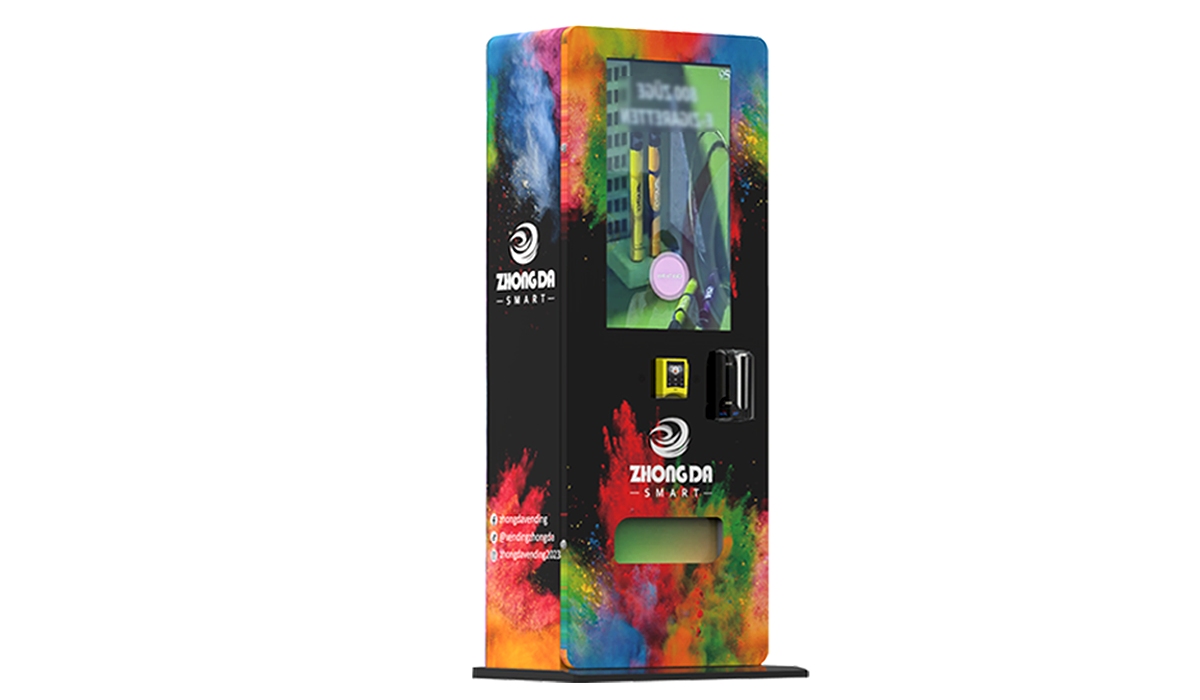
Not all vending machines are built the same. Cheap machines often have flimsy coin mechanisms, weak compressors, and poor insulation. I have seen operators buy inexpensive machines only to spend more on repairs within the first year. Look for machines with reliable components. If you are buying, consider brands like Crane, Dixie Narco, or Zhongda Smart, which offer a good balance of quality and price. Zhongda Smart is a manufacturer I have seen in several European markets, and their machines are well-regarded for their durability and modern payment options.
Payment Systems
In 2025, a vending machine without card and mobile payment capability is a liability. Customers expect to tap their phone or card. Make sure the machine you rent or buy supports at least NFC and credit card payments. Some older rental machines still only accept cash, which will hurt your sales. According to Statista, cashless payments now account for over 60 percent of vending transactions in the US, and that number is growing.
Warranty and Service
For owned machines, a good warranty is essential. Look for at least one year on parts and labor. For rentals, understand what is covered and what is not. Some rental agreements exclude vandalism damage or compressor failures after the first year. Ask for a written list of covered repairs.
Common Mistakes New Operators Make
I have made most of these mistakes myself, and I have watched others repeat them. Here are the ones to avoid.
Overpaying for the Machine
New operators often buy the most expensive machine with all the bells and whistles. That is fine if you have a high-traffic location, but for a first machine, start with a reliable used model or a rental. You will learn what features you actually need. I have seen operators spend 8,000 dollars on a machine that sits in a location generating 200 dollars per month. That is a 40-month payback period, which is too long.
Ignoring Telemetry
Without remote monitoring, you are flying blind. You will make extra trips to check inventory, and you will miss sales when the machine is empty. Telemetry systems cost extra, but they pay for themselves within months. If you rent a machine without telemetry, plan to visit it at least twice a week. That adds up in time and fuel.
Underestimating Restocking Labor
Restocking takes longer than you think. A full machine can take 30 to 60 minutes to restock, depending on the number of products. If you have ten machines, that is five to ten hours per week. Factor in driving time, and it becomes a part-time job. Many new operators do not account for their own labor cost. If you value your time at 20 dollars per hour, that restocking trip costs real money.
Choosing the Wrong Location
This is the most common mistake. People place machines in locations with low traffic because they know the owner or because the rent is cheap. That is a recipe for failure. A machine in a low-traffic location will never generate enough sales to cover the rental fee or the machine cost. Be ruthless about location quality. If the foot traffic is not there, walk away.
Not Testing Product Mix
Even with a Coke machine, you have some flexibility within the product portfolio. Test different products to see what sells. In one location, I found that Diet Coke outsold regular Coke three to one. In another, Sprite was the top seller. Pay attention to sales data and adjust. If you are stuck with a fixed product lineup, at least rotate flavors to keep the selection fresh.
When to Rent vs. When to Buy
Here is my rule of thumb: rent if you are testing a location or if you plan to operate for less than 18 months. Buy if you have a solid location and plan to operate for two years or more. Buying gives you better margins and more control. Renting gives you flexibility and lower risk. There is no one-size-fits-all answer.
For operators who want to build a fleet of machines, I recommend starting with a rental or two to learn the ropes, then transitioning to ownership once you have proven locations. That is exactly what I did. I rented my first two machines, learned the business, and then bought my third machine. Within three years, I owned ten machines and was generating a decent side income.
Real Data to Guide Your Decision
According to IBISWorld, the vending machine operators industry in the US generates over 7 billion dollars in annual revenue, with an average profit margin of about 6 to 8 percent. That margin is thin, which means every cost matters. A rental fee of 100 dollars per month can eat up 10 to 20 percent of your gross profit. In a low-margin business, that is significant.
Another data point from Eurostat shows that automated retail, including vending machines, has been growing steadily in Europe, with a 3.5 percent annual increase over the last five years. This growth is driven by cashless payments and consumer demand for convenience. The trend is your friend, but only if you operate efficiently.
FAQ: Common Questions About Vending Machine Rental
Is a vending machine rental profitable?
It can be, but the profit margins are thin. In my experience, a rented Coke machine in a good location can generate 50 to 150 dollars per month in net profit after all costs. In a bad location, you will lose money. The key is location and volume. Do not expect to get rich from a single rental machine.
How much does a vending machine rental cost?
Typical rental fees range from 50 to 150 dollars per month, depending on the machine type and the provider. Some companies also require a refundable deposit of 100 to 300 dollars. Always ask about additional fees for service calls or early termination.
How long does it take to break even on a rental?
Since there is no large upfront investment, you break even from the first month if the machine covers the rental fee and product cost. But if you factor in your labor and location rent, it might take a few months to see positive cash flow. Most operators I know see a return within three to six months on a rental.
Should a beginner rent or buy?
I always recommend renting for the first machine. It limits your financial risk and lets you learn the business without a big commitment. Once you have a proven location and understand the operational demands, buying a machine gives you better margins and more control.
Where is the best place to put a vending machine?
High-traffic areas with dwell time: office break rooms, school cafeterias, hospital waiting areas, gyms, and manufacturing plants. Avoid locations with existing vending machines or convenience stores nearby. Always test the location with a low-cost setup before signing a long-term lease.
What permits do I need?
Requirements vary by city and state. In the US, you typically need a business license and a sales tax permit. Some cities require a vending machine permit. In Europe, you may need a business registration and compliance with local food safety regulations. Check with your local business licensing office. For example, in France, you need to register with the Service-Public.fr for automated retail operations.
How do I choose a vending machine supplier?
Look for a supplier with good reviews, local service support, and modern machines with cashless payment options. Ask about warranty and service terms. For rental agreements, make sure the contract is flexible. I have had good experiences with Zhongda Smart for their durable machines and responsive support, but always compare multiple options before committing.
What happens if the machine breaks?
With a rental, you call the provider. Most reputable companies have a service network and will repair the machine within a few days. With an owned machine, you need to find a local technician or fix it yourself. Always have a backup plan, especially if the machine is in a high-traffic location where downtime means lost sales.
How can I reduce restocking costs?
Use telemetry to monitor inventory remotely. That way, you only visit the machine when it needs restocking. Also, group your machines in clusters so you can service multiple machines in one trip. I save about 30 percent on fuel and labor by clustering my machines within a five-mile radius.
Can I negotiate the rental fee?
Yes, especially if you are renting multiple machines or committing to a long-term contract. Some providers will lower the monthly fee or waive the deposit if you agree to a 24-month term. It never hurts to ask. I have negotiated fees down by 20 percent simply by asking.
Final Thoughts
Deciding whether a vending machine rental is worth it comes down to your specific situation. If you are new to the business, testing a location, or operating on a tight budget, renting a Coke machine can be a smart, low-risk way to get started. Just be aware of the product restrictions, the long-term costs, and the thin margins. If you have a proven location and plan to stay in the business for years, buying your own equipment will almost always yield better returns.
The vending industry rewards operators who pay attention to details: location, product mix, machine maintenance, and customer preferences. Whether you rent or buy, success comes from treating the business seriously. Do your homework, test your assumptions, and always keep an eye on the numbers. That is the real secret to making money in automated retail.
This article was updated in June 2025. The vending industry changes quickly, so always verify current pricing and regulations with local authorities and suppliers.