Top Things You Should Know About Vending Machine Card Reader in 2026
If you are looking into the vending machine card reader market in 2026, the single most important thing to understand is that cashless payment is no longer a luxury feature—it is the baseline expectation. Over my ten years running vending operations across the US and Europe, I have seen machines with only coin slots die on location within weeks. The vending machine card reader is now the heart of your revenue stream, not an add-on. In this article, I will share what I have learned about choosing the right payment system, evaluating locations, controlling costs, and avoiding the expensive mistakes that sink new operators. Whether you are buying your first machine or scaling a fleet, the insights here come from real locations, real P&L statements, and real failures.
Why the Vending Machine Card Reader Matters More Than Ever in 2026
Walk into any office break room or hotel lobby in 2026, and you will notice that people rarely carry cash. According to a 2025 report from Statista, over 80% of in-store transactions in the United States were cashless, and the trend is accelerating in Europe as well. For vending operators, this means that a machine without a reliable card reader is essentially a locked box. I have personally pulled machines from high-traffic locations simply because the payment system was unreliable. The vending machine card reader is not just a convenience—it is the difference between a profitable route and a money pit.
In my early years, I made the mistake of buying refurbished machines with outdated payment systems. Within three months, I was losing sales to a competitor whose machine accepted tap-to-pay and mobile wallets. The lesson was expensive but clear: if you are investing in vending, the payment terminal must be your first consideration, not an afterthought.
Key Considerations When Selecting a Vending Machine Card Reader
Compatibility with Your Machine Model
Not every card reader works with every machine. I have seen operators buy a brand-new reader only to discover that their machine lacks the necessary data port or power supply. Before purchasing any vending machine card reader, verify that it supports MDB (Multi-Drop Bus) protocol, which is the standard for most modern vending machines. Some older machines use DEX or other proprietary systems, and adapting them can add significant cost. If you are buying new equipment, ask the supplier whether the machine comes pre-wired for a card reader. Many manufacturers, including Zhongda Smart, now offer machines with integrated payment systems that reduce installation headaches.
Contactless and Mobile Payment Support
In 2026, contactless payment is not optional. Apple Pay, Google Pay, and tap-to-pay credit cards account for a growing share of vending transactions. According to data from the European Central Bank, contactless payments in the euro area increased by over 40% between 2023 and 2025. Your vending machine card reader must support NFC (Near Field Communication) technology. If a customer has to insert a card or fumble with a phone app, you are losing sales. I have tested readers from several manufacturers, and the ones that handle tap-and-go smoothly consistently outperform those that require chip insertion.
Connectivity and Processing Fees
Every card transaction comes with a processing fee. In the US, fees typically range from 2.5% to 3.5% per transaction, plus a small fixed fee. In Europe, the Interchange Fee Regulation caps certain fees, but you still need to account for them in your pricing. Some vending machine card readers use cellular connectivity, while others rely on Wi-Fi or Bluetooth. For standalone machines in remote locations, cellular is the most reliable option. I have found that paying a slightly higher monthly fee for a reader with a strong cellular antenna saves money in the long run because you avoid lost sales due to connectivity failures.
Evaluating Locations for Vending Machine Success
Foot Traffic and Demographics
I have placed machines in locations with excellent foot traffic but poor sales. Why? Because the audience did not match the product. A vending machine card reader will not fix a mismatch between what you sell and what people want. For example, a machine selling healthy snacks in a college dormitory might do well, but the same machine in a construction site will struggle. Before signing a location agreement, I always spend at least two hours observing the site. I look at the flow of people, the average age, and whether they appear to have time to stop. A good location for vending is one where people are waiting—bus stations, hospital lobbies, and office break rooms are classic examples.
Rent and Revenue Share Agreements
Many location owners ask for a percentage of sales or a flat monthly rent. In my experience, a revenue share of 10% to 20% is common for good locations. However, I have seen operators agree to 30% or more out of desperation, only to find that the machine never turns a profit. Always negotiate. If the location owner insists on a high percentage, ask for a trial period of three months with a lower rate. If the machine performs well, you can renegotiate. If it does not, you can move the machine without a heavy loss.
Power and Internet Access
Many new operators forget to check whether the location has a nearby power outlet. Running an extension cord across a hallway is not only ugly but also a safety hazard. Similarly, if your vending machine card reader requires an internet connection, confirm that the location has reliable Wi-Fi or that you can install a cellular modem. I have had machines sit idle for weeks because the location manager promised internet access that never materialized. Always get these details in writing before you place the machine.
Costs and Return on Investment
Initial Investment
A new vending machine with a decent vending machine card reader can cost anywhere from $3,000 to $8,000 in the US, depending on the size and features. In Europe, prices are similar when converted, though import duties and VAT can add 20% or more. Refurbished machines can be found for $1,500 to $3,000, but they often come with older payment systems that may need upgrading. I have seen operators spend $500 on a refurbished machine only to pour another $1,200 into a new card reader and connectivity module. In the end, buying a mid-range new machine from a reliable supplier like Zhongda Smart often proves more cost-effective.
Monthly Operating Costs
Beyond the machine cost, you have ongoing expenses: restocking, card processing fees, cellular data plans, and location rent. For a single machine, I estimate monthly operating costs between $150 and $400, depending on the product category and location. High-volume machines in busy locations will have higher restocking costs but also higher revenue. The key is to track every expense from day one. I use a simple spreadsheet that includes the cost of goods sold, processing fees, and any location fees. Without this data, you are flying blind.
Return on Investment Timeline
Based on my experience and data from IBISWorld, a well-placed vending machine can generate monthly revenue between $500 and $2,000. After subtracting costs, the net profit per machine typically ranges from $200 to $800 per month. At that rate, a machine costing $5,000 will pay for itself in 6 to 18 months. However, I have also seen machines that never broke even because the location was poor or the product selection was wrong. The vending machine card reader can help you track sales data remotely, which is invaluable for making decisions about when to move a machine or change the product mix.
Comparing Different Vending Machine Configurations
| Configuration | Initial Cost Range | Monthly Revenue Potential | Pros | Cons |
|---|---|---|---|---|
| Basic snack machine with card reader | $3,000 – $5,000 | $500 – $1,200 | Low entry cost, easy to maintain | Limited product variety, lower margins |
| Combo snack and drink machine | $5,000 – $8,000 | $800 – $2,000 | Higher revenue, convenient for customers | Heavier, requires more restocking |
| Healthy/ fresh food vending machine | $6,000 – $10,000 | $1,000 – $2,500 | Higher margins, growing demand | Shorter shelf life, needs frequent restocking |
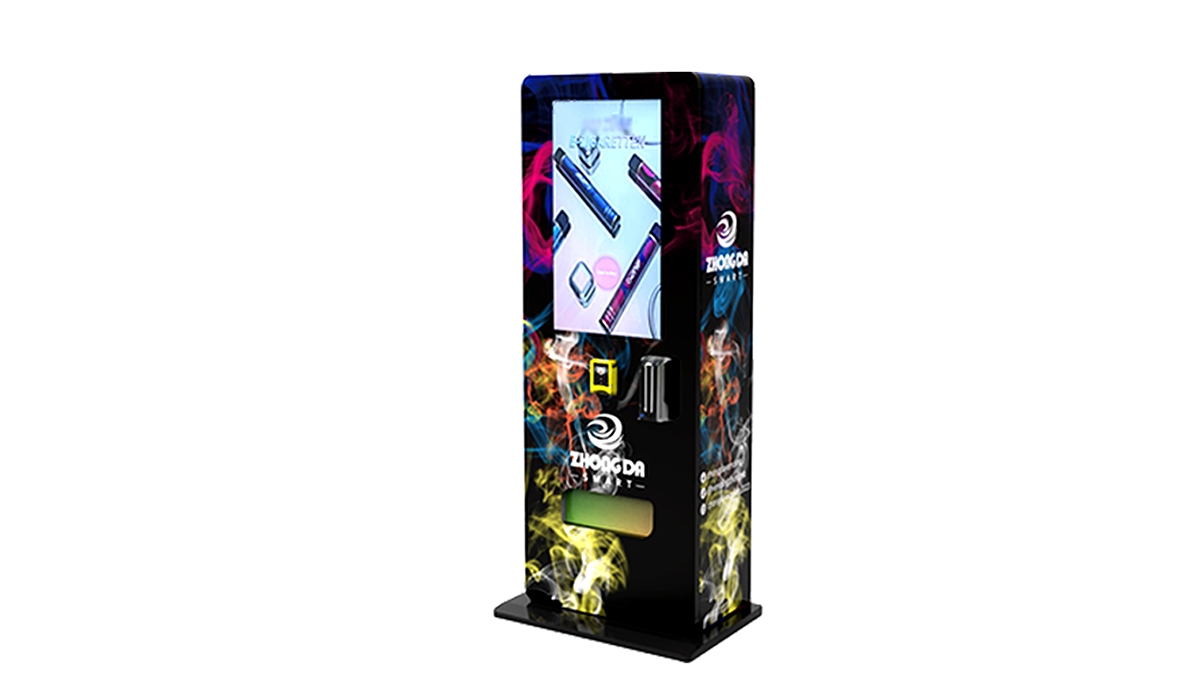
| Self-service kiosk with touchscreen | $8,000 – $15,000 | $1,500 – $3,500 | High perceived value, can sell premium items | Higher upfront cost, more complex maintenance |
This table is based on my own operational data and industry benchmarks. Your actual results will vary depending on location, product pricing, and local competition. The vending machine card reader is a critical component in all configurations, but the higher the transaction value, the more important reliability becomes. A failed card reader on a $5 coffee machine is annoying; a failed reader on a $12 fresh salad machine is a disaster.
How to Choose a Vending Machine Supplier
Look for Integrated Payment Solutions
When evaluating suppliers, ask whether their machines come with a pre-installed vending machine card reader or if they require a separate purchase. Some manufacturers offer machines that are compatible with multiple payment processors, while others lock you into a proprietary system. I prefer suppliers that use open standards like MDB and support major payment platforms such as Visa, Mastercard, and local European debit networks. Zhongda Smart, for example, offers machines that come with integrated card readers that support contactless payments out of the box. This saves you the trouble of sourcing and installing a separate reader.
Check After-Sales Support and Warranty
A machine is only as good as the support behind it. I have dealt with suppliers who promised excellent support but took weeks to respond to a simple question. Before purchasing, ask about warranty terms, replacement parts availability, and whether the supplier has local service partners in your region. If you are operating in Europe, make sure the supplier can provide CE certification and documentation for local regulations. I once bought a batch of machines from a supplier that could not provide proper documentation, and I had to pay for expensive modifications to meet local safety standards.
Read Reviews and Ask for References
Do not rely solely on the supplier’s website. Search for independent reviews on forums, industry groups, and social media. Ask the supplier for a list of customers in your region and contact a few of them. I have found that operators are usually happy to share their experiences, both good and bad. If a supplier hesitates to provide references, consider that a red flag.
Common Mistakes New Operators Make
Ignoring the Vending Machine Card Reader Until After Purchase
This is the most common mistake I see. New operators buy a machine, then realize they need a card reader, and then struggle to find one that fits. By the time they have everything installed, they have lost weeks of potential sales. Always plan for the payment system before you buy the machine. If possible, buy a machine that already includes a vending machine card reader or is pre-wired for one.
Underestimating Restocking Labor
Restocking a vending machine seems simple, but it adds up. I have seen operators spend two hours driving to a location, restocking for 15 minutes, and then driving back. That is four hours of labor for a machine that might generate only $30 in profit. The solution is to group machines in the same geographic area so that you can restock multiple machines in one trip. A well-planned route can cut restocking time by 50% or more.
Choosing the Wrong Product Mix
I once placed a machine in a fitness center and stocked it with candy bars and chips. Sales were terrible. After two months, I switched to protein bars, bottled water, and electrolyte drinks. Revenue tripled. The vending machine card reader gave me the data to see which products were selling and which were not. Use that data. If an item does not sell within two weeks, replace it. Do not let your machine become a museum of unsold inventory.
Overlooking Maintenance Costs
A vending machine is a mechanical device. It will break. I have seen operators budget $0 for maintenance and then panic when the refrigeration unit fails or the card reader stops working. Set aside at least 5% of your monthly revenue for maintenance. If you are using a vending machine card reader from a reputable brand, the failure rate is low, but it is never zero. Having a backup reader on hand can save you days of lost sales.
Best Locations for Vending Machines
Office Buildings and Business Parks
These are classic locations for a reason. Office workers have predictable schedules, and they often need a quick snack or drink during the day. The key is to find buildings with at least 100 employees and no cafeteria. I have machines in two office buildings that each generate over $1,500 per month. The vending machine card reader is essential here because office workers rarely carry cash.
Hospital and Medical Facilities
Hospitals have 24-hour traffic, and visitors often need a coffee or snack at odd hours. However, hospitals also have strict regulations about food safety and machine placement. You may need to provide documentation showing that your machine meets health codes. In some European countries, you also need to register with local health authorities. Despite the extra paperwork, hospitals are among the most profitable locations I have worked with.
Educational Institutions
Schools, universities, and training centers are excellent locations, especially if they have dormitories. Students are heavy users of vending machines, and they are comfortable with contactless payments. However, some schools have exclusive contracts with large vending companies, so check before you approach. If you can get a location on a campus, the volume can be very high.
Transportation Hubs
Bus stations, train stations, and airports are high-traffic locations, but they also come with high rent and strict rules. In some cases, you need to bid for the right to place a machine. The competition is fierce, and the margins can be thin. I have placed machines in smaller regional bus stations with good results, but I avoid major airports because the rent is usually too high for a single operator.
How to Evaluate Whether a Machine Is Worth the Investment
Before you buy any vending machine, do a simple calculation. Estimate the monthly revenue based on the location’s foot traffic and average transaction size. Multiply that by your gross margin (typically 30% to 50% for snacks and drinks). Subtract the location rent, processing fees, and restocking costs. The result is your monthly net profit. Divide the machine cost by the monthly net profit to get the payback period in months. If the payback period is longer than 18 months, I usually pass. There are too many good opportunities to tie up capital in a machine that will take years to pay off.
The vending machine card reader is a key factor in this calculation. If the reader is unreliable, your revenue will be lower, and the payback period will stretch. I have seen machines with a faulty reader generate only 30% of the revenue of a similar machine with a working reader. Do not skimp on the payment system.
FAQ: Vending Machine Card Reader and Business Operations
Are vending machines profitable in 2026?
Yes, but profitability depends heavily on location, product selection, and cost control. A well-placed machine with a reliable vending machine card reader can generate $200 to $800 in monthly net profit. However, many machines fail because of poor location or high operating costs. Do your homework before investing.
How much does a vending machine card reader cost?
A new vending machine card reader typically costs between $300 and $800, depending on the features. Readers with contactless and mobile payment support are at the higher end. Installation may add another $100 to $200 if you hire a technician. Some suppliers include the reader in the machine price, so ask before you buy.
How long does it take to recoup the investment?
Based on my experience, a well-placed machine with a good vending machine card reader can pay for itself in 6 to 18 months. Machines in poor locations may never pay for themselves. Track your sales data from day one to know when to move a machine or change your strategy.
Should a beginner buy or lease a vending machine?
I recommend buying a new or refurbished machine rather than leasing. Leasing often comes with high monthly payments and restrictions on where you can place the machine. If you buy, you own the asset and can move it if the location does not work out. Start with one machine, learn the business, and then scale.
Where should I place my first vending machine?
Look for locations with steady foot traffic, a captive audience, and no direct competition. Office buildings, hospitals, and schools are good starting points. Avoid locations with very high rent or exclusive contracts with large vending operators. Always test the location with a trial period before committing to a long-term agreement.
What permits do I need to operate a vending machine?
Requirements vary by country and even by city. In the US, you typically need a business license and a sales tax permit. In Europe, you may need to register with local health authorities, especially if you sell food. Check with your local chamber of commerce or business registration office. Some countries also require CE marking for the machine and the vending machine card reader.
How do I choose a vending machine supplier?
Look for suppliers that offer integrated payment solutions, good warranty terms, and local support. Ask for references and read independent reviews. Suppliers like Zhongda Smart provide machines with pre-installed card readers and support for multiple payment platforms. Avoid suppliers that are slow to respond or cannot provide proper documentation.
What happens if the card reader breaks?
If the vending machine card reader fails, you will see a sharp drop in sales because most customers cannot pay with cash. Keep a spare reader on hand so you can swap it out quickly. Many suppliers offer replacement readers with a quick turnaround. In my experience, having a backup reader saves at least a week of lost revenue.
How can I reduce restocking and maintenance costs?
Group your machines in the same geographic area to minimize travel time. Use sales data from the vending machine card reader to identify slow-moving products and replace them quickly. Schedule regular maintenance checks to catch small problems before they become expensive repairs. I also recommend using a route management software to optimize your restocking schedule.
Final Thoughts from a Long-Time Operator
The vending industry has changed dramatically over the past decade, and the vending machine card reader is at the center of that change. If you are serious about running a vending business, invest in a reliable payment system from the start. Do not cut corners on the machine or the reader. Test your locations carefully, track your data, and be willing to move machines that are not performing. The business is not a get-rich-quick scheme, but with careful planning and execution, it can be a steady source of income. I have seen many operators succeed by sticking to the basics: good locations, good products, and a payment system that works every time.
This article was updated in March 2026. Data and market conditions may change over time. Always verify current regulations and costs with local authorities and suppliers before making investment decisions.