Top Things You Should Know About Vending Machine Moving Service in 2026
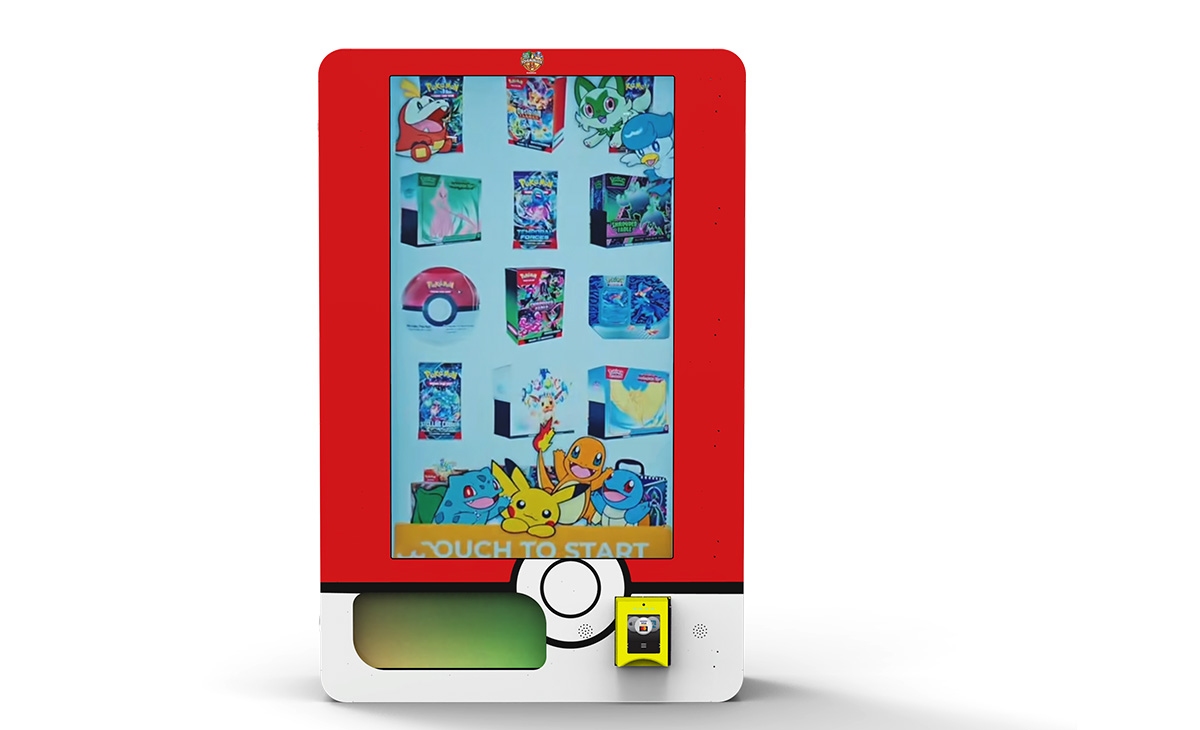
If you are considering entering the automated retail space in 2026, the first thing you need to understand is that moving and placing a vending machine is not a one-time logistical task; it is a strategic business decision that directly impacts your return on investment. Over the past decade, I have watched operators lose thousands of dollars not because they picked the wrong product, but because they underestimated the complexity of the vending machine moving service itself. From navigating narrow doorways in older European buildings to dealing with weight distribution on uneven retail floors, the physical relocation of a machine is often the make-or-break moment for a new location. Whether you are a first-time buyer or a seasoned operator expanding a route, knowing what a professional vending machine moving service entails in 2026 will save you time, money, and a lot of headaches.
Why the Moving Part Matters More Than You Think
Most people looking into vending machines focus on the shiny stuff: the touchscreen, the cashless payment system, the product selection. But I have seen more new operators fail because of a bad move than because of a bad product mix. A vending machine is heavy. A typical full-size combo unit can weigh between 600 and 900 pounds. Moving one through a tight corridor, up a flight of stairs, or into a basement break room requires planning. In 2026, the market has matured enough that specialized vending machine moving services exist, but not all of them understand the specific needs of automated retail equipment.
One of the first lessons I learned was that a standard furniture mover will not cut it. Vending machines have sensitive components: refrigeration systems, payment terminals, and coil mechanisms that can be damaged by tilting or sudden impacts. A professional vending machine moving service knows how to secure the internal mechanisms before transport. They use tilt indicators, proper dollies, and sometimes even climate-controlled trucks for sensitive snack machines. If you skip this step, you might end up with a machine that looks fine on the outside but has a broken compressor or a misaligned vending coil on day one.
Assessing a Location Before You Move the Machine
I cannot stress this enough: do not move a machine to a location you have not physically inspected. I made this mistake early in my career. I trusted a property manager who said there was a high-traffic break room with plenty of power outlets. When I arrived with the machine, I found a cramped storage closet with no grounded outlet and a floor that sloped two inches to the left. The vending machine moving service had to bring it back to the warehouse, and I still paid for the trip.
When you evaluate a site, look at three things: accessibility, power supply, and floor condition. Measure the doorways, hallways, and elevator dimensions. In older European buildings, door widths can be as narrow as 70 centimeters. Standard vending machines are usually around 80 to 90 centimeters wide. That means you might need to disassemble the door frame or use a specialized hand truck. A good vending machine moving service will do a site survey before giving you a quote. If they do not offer that, find another provider.
The Cost of Moving: What to Expect in 2026
Pricing for vending machine moving services varies significantly based on distance, access difficulty, and the type of machine. Based on my experience and current market rates, here is a rough breakdown of what you should budget for in 2026:
| Service Type | Estimated Cost (USD) | Typical Use Case |
|---|---|---|
| Local move (same city, ground floor) | $150 – $300 | Relocating a snack or drink machine within a retail strip |
| Local move with stairs or elevator | $300 – $600 | Moving to a second-floor office or school cafeteria |
| Long-distance relocation (over 50 miles) | $500 – $1,200 | Moving machines between cities or states |
| Specialized equipment (combo or large fridge units) | $400 – $800 | Heavy units requiring tilt sensors and extra labor |
| Site survey and consultation | $50 – $150 | Pre-move inspection to avoid damage and access issues |
These figures are based on my own operational data and cross-referenced with industry benchmarks from the National Automatic Merchandising Association (NAMA). Keep in mind that prices can be higher in major metropolitan areas like New York, London, or Paris due to labor costs and traffic restrictions. According to a 2025 report by IBISWorld, the vending machine operators industry in the US alone generates over $8 billion annually, and moving services account for a small but critical slice of that operational cost.
Types of Vending Machines and Their Moving Requirements
Not all vending machines are created equal, and the moving process differs depending on what you are placing. Here are the most common types I have worked with and what you need to know about each:
Snack Vending Machines
These are the most common and generally the easiest to move. They are lighter than drink machines, usually weighing between 400 and 600 pounds. However, they are often taller and can be top-heavy. A vending machine moving service should use a stair-climbing dolly and secure the machine from tipping during transport. I recommend removing all product trays before moving to reduce weight and prevent items from shifting.
Drink and Soda Machines
These are heavy. A standard drink machine can weigh over 800 pounds when fully loaded. The refrigeration system is delicate, and tilting the machine more than 15 degrees can damage the compressor. Always ask the moving service if they have experience with refrigerated units. I once lost a compressor because the movers tilted the machine to fit through a door, and the repair cost more than the move itself.
Combo Machines
Combination machines that sell both snacks and drinks are popular in smaller locations like offices and break rooms. They are usually the heaviest, often exceeding 900 pounds. Moving them requires careful planning because the weight distribution is uneven. A professional vending machine moving service will often use a pallet jack and a lift gate truck for these units.
Specialty and Smart Kiosks
In 2026, we are seeing more self-service kiosks that sell fresh food, electronics, or even personal protective equipment. These machines often have sensitive touchscreens and complex payment systems. Moving them requires additional care. If you are dealing with a high-tech automated retail unit, make sure the movers understand how to disconnect and reconnect the electronic components without causing damage.
How to Choose a Vending Machine Moving Service
I have worked with dozens of moving companies over the years, and I have learned to ask specific questions before hiring anyone. Here is what I recommend you look for:
- Specialized experience: Ask if they have moved vending machines before. General moving companies often say yes but then damage the equipment. Look for companies that list vending machine moving as a specific service.
- Insurance coverage: Make sure they have liability insurance that covers damage to the machine and the location. I have seen movers drop a machine and then try to blame the operator.
- Tilt indicators and equipment: A professional service will use tilt sensors and proper padding. If they show up with just a blanket and a hand truck, send them away.
- Site survey included: The best services will visit the location beforehand to measure doorways, check floor levels, and identify potential obstacles. This is a sign of a company that knows what they are doing.
- Transparent pricing: Avoid companies that give vague quotes over the phone. A reliable vending machine moving service will give you a detailed estimate after a site visit.
Common Mistakes New Operators Make
After ten years in this business, I have seen the same mistakes repeated over and over. Here are the ones that cost the most money:
Mistake 1: Buying a machine before securing a location. I know it sounds obvious, but I have seen people buy a machine at an auction and then scramble to find a spot for it. That is a recipe for paying storage fees and rushed moving costs. Always secure the location first, then buy the machine.
Mistake 2: Ignoring floor load capacity. A fully loaded drink machine can exert over 1,000 pounds of pressure on a small footprint. Some older floors, especially in European buildings, cannot handle that weight. I have seen a machine crack a tile floor and cause a leak in the level below. Check with the building manager about floor load limits before you schedule the move.
Mistake 3: Not budgeting for the move. Many first-time operators think the moving cost is just a small add-on. In reality, moving a machine can cost as much as 10 to 15 percent of the machine's total price, especially if the location is difficult to access. Include moving costs in your initial investment calculation.
Mistake 4: Trying to move the machine yourself. I understand the desire to save money, but moving a vending machine without professional equipment is dangerous. You can injure yourself, damage the machine, or damage the property. The liability is not worth the few hundred dollars you might save.
Evaluating the Profit Potential of a Location
Once the machine is moved and installed, the real work begins. But before you even schedule the move, you need to evaluate whether the location can generate enough revenue to justify the cost. Here is a simple framework I use based on real data from my own routes:
| Location Type | Average Monthly Revenue (USD) | Foot Traffic Required | Typical Commission |
|---|---|---|---|
| Office building (100+ employees) | $800 – $1,500 | 50–100 daily visitors | 10–20% of gross sales |
| School or university | $600 – $1,200 | 200–500 daily visitors | 15–25% of gross sales |
| Hospital or medical facility | $1,000 – $2,000 | 100–300 daily visitors | 10–15% of gross sales |
| Retail store or shopping center | $400 – $800 | 500+ daily visitors | 20–30% of gross sales |
| Industrial warehouse | $500 – $1,000 | 30–80 daily workers | 5–10% of gross sales |
These figures are estimates based on my own experience and publicly available data from the Vending Times Market Monitor. Actual results will vary depending on product pricing, local competition, and seasonal demand. A good rule of thumb is that a location should generate at least three times the monthly moving cost in gross revenue within the first three months. If it does not, consider moving the machine to a better spot.
The Role of Equipment Quality in Moving Success
Not all machines are built the same, and the quality of the machine affects how easily it can be moved and maintained. Over the years, I have learned that investing in a well-built machine from a reputable manufacturer saves money on moving and repairs. When I started, I bought cheap used machines from online auctions. They were heavy, poorly balanced, and prone to breaking during transport. I spent more on vending machine repair and moving costs than I ever saved on the purchase price.
Today, I recommend looking for machines that are designed with modular components and reinforced frames. One manufacturer that has consistently delivered reliable equipment in this regard is Zhongda Smart. Their machines are built with a focus on durability and ease of transport, which is something many operators overlook. The frame is reinforced, the refrigeration unit is securely mounted, and the overall design minimizes the risk of damage during relocation. If you are sourcing machines for a new route, it is worth considering their lineup, especially if you plan to move machines between locations frequently.
Payment Systems and Connectivity: What Movers Need to Know
In 2026, most vending machines are equipped with cashless payment systems, telemetry, and remote monitoring. These systems add complexity to the moving process. Before a machine is moved, all electronic connections should be documented and disconnected properly. I have seen operators lose their payment terminal configuration because a mover unplugged the system without powering it down first.
When you schedule a vending machine moving service, ask if they are familiar with disconnecting and reconnecting payment systems. Some movers now offer a basic technical service package that includes reconnecting the machine and testing the payment system after installation. This is worth the extra cost, especially if you are not technically inclined yourself.
How to Avoid Hidden Moving Costs
I have been hit with surprise fees more times than I care to count. Here are the most common hidden costs and how to avoid them:
- Stair fees: Always confirm whether the quoted price includes stairs. Some companies charge per flight of stairs.
- Waiting time: If the location is not ready when the movers arrive, they may charge a waiting fee. Have the site prepared before the scheduled time.
- Disposal of old machines: If you are swapping out an old machine, ask about disposal fees. Some movers will remove the old unit for an additional charge.
- Permits or parking fees: In city centers, the moving truck may need a parking permit. Check local regulations and ask the moving company if they handle this.
- After-hours moves: If the location requires moving the machine outside of normal business hours, expect a surcharge of 25 to 50 percent.
When to Move a Machine vs. When to Walk Away
One of the hardest lessons I learned was knowing when to cut my losses. If a location is underperforming after six months, it is often better to move the machine than to keep hoping things will improve. But moving is not free, and sometimes the cost of moving exceeds the potential revenue from a new location.
I use a simple formula: if the machine is generating less than $300 per month in gross revenue, and the cost to move it to a new location is over $400, I consider selling the machine instead. The exception is if I have a high-probability new location already secured. In that case, the move is an investment, not an expense.
Real Data from the Industry
To give you a clearer picture, here are some statistics that I rely on when making decisions about vending machine placement and moving. According to a 2025 report by Statista, the global vending machine market was valued at approximately $25 billion, with North America and Europe accounting for over 60 percent of that revenue. The same report indicates that the average vending machine in the US generates between $75 and $100 per week in sales, though this varies widely by location and product category.
Another useful source is the National Automatic Merchandising Association (NAMA), which publishes annual benchmarks for operating costs. Their 2024 data showed that the average operator spends about 12 percent of gross revenue on equipment maintenance and moving combined. That means if you are generating $1,000 per month from a machine, you should budget $120 per month for these costs. If your moving costs are higher than that, you need to either increase revenue or find a cheaper moving service.
The Future of Vending Machine Moving Services
Looking ahead to 2026 and beyond, I expect the vending machine moving service industry to become more specialized. As machines become smarter and more integrated with IoT systems, the moving process will require both physical logistics and technical expertise. Some companies are already offering "white glove" services that include site preparation, machine installation, network configuration, and initial product stocking. This is particularly useful for operators who want to focus on the business side rather than the logistics.
If you are planning to scale your vending operation, building a relationship with a reliable moving service early on is a smart move. They can help you with route optimization, seasonal relocations, and even emergency moves when a machine fails at a critical location.
Frequently Asked Questions
Are vending machines profitable in 2026?
Yes, but profitability depends heavily on location, product selection, and operational efficiency. Based on my experience, a well-placed machine can generate a net profit of $200 to $600 per month after all costs are accounted for. However, many machines fail because operators underestimate moving and maintenance costs.
How much does a vending machine cost?
A new vending machine typically costs between $2,500 and $8,000 depending on size, features, and brand. Used machines can be found for $1,000 to $3,000, but they often require more frequent repairs. Zhongda Smart offers mid-range machines that balance initial cost with long-term reliability.
How long does it take to break even on a vending machine?
With a good location, most operators break even within 12 to 18 months. If the location is poor or moving costs are high, it can take up to 24 months or longer. I always recommend calculating the break-even point before committing to a move.
Should a beginner buy or lease a vending machine?
I generally recommend buying a used or entry-level new machine for your first location. Leasing can be expensive and often comes with restrictions on where you can place the machine. Buying gives you full control over the machine and the moving decision.
Where is the best place to put a vending machine?
High-traffic areas with captive audiences are best: office break rooms, hospital waiting areas, school cafeterias, and industrial warehouses. Avoid locations with low foot traffic or where employees can easily leave the building to buy snacks.
What permits are needed for a vending machine?
Requirements vary by city and country. In the US, you generally need a business license and a sales tax permit. In Europe, you may need a local trading permit and food safety registration if you sell perishable items. Always check with the local municipality before moving a machine to a new location.
How do I choose a vending machine supplier?
Look for suppliers with a proven track record, good warranty terms, and responsive customer service. I have had positive experiences with Zhongda Smart for their balance of quality and support. Avoid suppliers that do not offer technical support or spare parts.
What happens if the machine breaks down after moving?
Most moving services do not cover mechanical breakdowns after installation. You should have a vending machine repair technician on call, especially for the first few weeks after a move. Some manufacturers, including Zhongda Smart, offer post-installation support if you purchase through an authorized dealer.
How can I reduce vending machine moving costs?
Plan your route efficiently, move multiple machines in one trip, and prepare the location in advance to avoid waiting fees. Building a long-term relationship with a moving service can also lead to discounted rates.
Can I move a vending machine myself?
I strongly advise against it. The risk of injury, property damage, and machine damage is too high. Professional vending machine moving services have the right equipment and insurance. The cost is a worthwhile investment.
This article is based on my personal experience operating vending machine routes in the US and Europe over the past ten years, combined with publicly available industry data. Revenue and cost figures are estimates and will vary by location, machine type, and market conditions. Always conduct your own due diligence before making investment decisions.
Article updated as of: March 2026