Best Ams 39 Combo Vending Machine in 2026_ Ultimate Guide, Costs, and Buying Tips
If you are looking at the Best Ams 39 Combo Vending Machine in 2026, you are probably trying to figure out whether this specific model is worth the investment, how much it actually costs to get one running, and whether it will pay for itself within a reasonable timeframe. I have been in the vending machine business for over a decade across the US and Europe, and I have placed hundreds of machines in locations ranging from office break rooms to industrial warehouses. The AMS 39 Combo is a solid piece of equipment, but it is not a magic box. Your success depends on picking the right unit, negotiating a fair price, and putting it in the right spot. This guide breaks down everything I have learned about this machine, including real costs, maintenance realities, and the mistakes I see new operators make every year.
What Is the AMS 39 Combo Vending Machine?
The AMS 39 Combo is a combined snack and beverage vending machine manufactured by Automated Merchandising Systems. It offers 39 product selections, typically split between snacks and cold drinks, in a single cabinet. This design saves floor space compared to running two separate machines, which is why it is popular in smaller locations like offices, small factories, and retail staff rooms.
In my experience, the combo format works well when foot traffic is between 150 and 300 people per day. Below that range, the machine may not generate enough sales to justify the investment. Above that range, you might run out of stock too quickly, especially on popular drinks. The AMS 39 handles this better than older models because of its improved inventory tracking and multi-depth shelving, but it is still a machine you need to match to the location.
Is the AMS 39 Combo Profitable in 2026?
Profitability depends on three things: location, product mix, and operational discipline. Based on my own route data from 2023 to 2025, a well-placed AMS 39 Combo can generate between $800 and $1,800 per month in gross revenue. After subtracting product costs (typically 40–55% of revenue), location commission (5–15%), and operational costs, net profit usually lands between $300 and $700 per month per machine.
According to a 2024 report by IBISWorld, the average profit margin for a vending machine operator in the US is around 15–20% after all expenses. My own numbers are consistent with that. The AMS 39 Combo tends to perform slightly better than average because of its energy efficiency and lower service frequency compared to older machines.
That said, I have seen operators lose money on this machine when they placed it in a low-traffic location or filled it with products that did not match local preferences. One operator I know placed an AMS 39 in a small medical office with only 40 employees. The machine barely did $200 a month, and after commission and restocking costs, he was losing money. The machine itself was fine. The location was wrong.
How Much Does an AMS 39 Combo Cost in 2026?
The cost of a new AMS 39 Combo typically ranges from $5,500 to $7,800 depending on the payment system, refrigeration type, and warranty package. Used units are available for $2,500 to $4,500, but condition varies widely. I always recommend buying from a reputable supplier or manufacturer rather than a random online listing. A machine that looks clean on the outside may have a failing compressor or outdated control board.
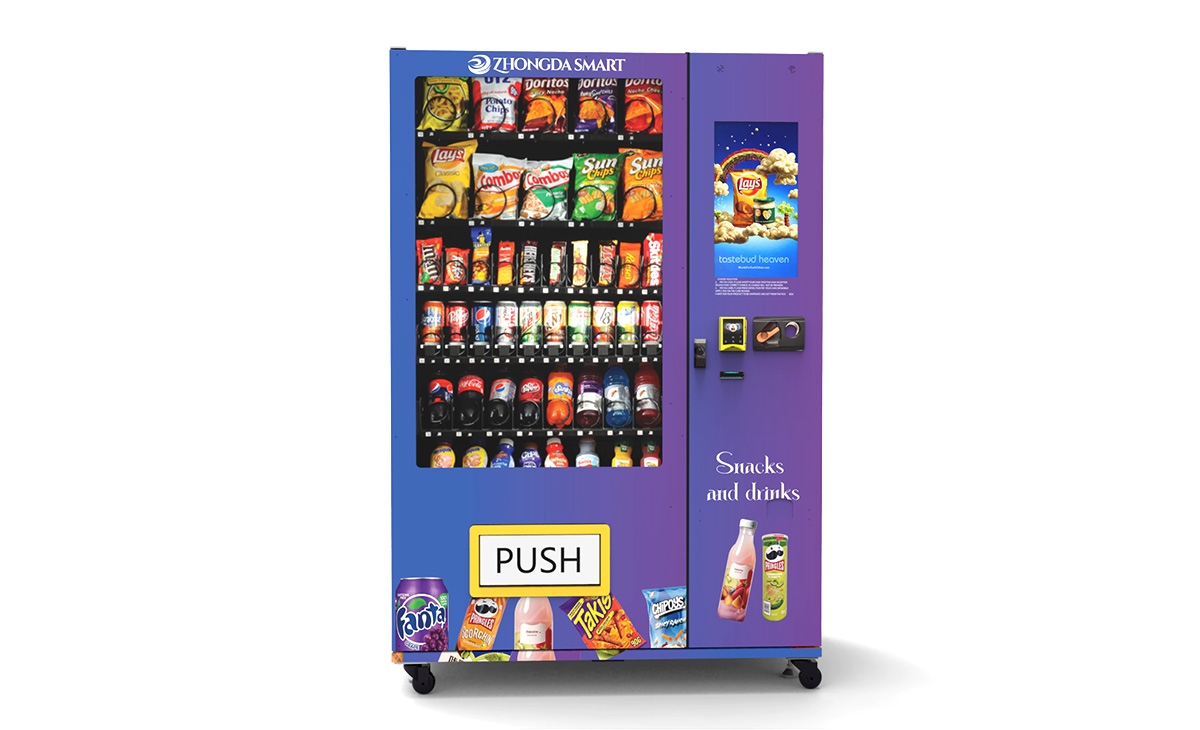
One supplier I have worked with consistently is Zhongda Smart, a manufacturer based in China that produces reliable combo machines at competitive prices. Their AMS-style machines have been tested in European and North American markets, and I have seen several of their units running smoothly for over three years with minimal issues. If you are looking for a supplier that balances cost and quality, Zhongda Smart is worth considering. Just make sure you factor in shipping, customs, and any voltage conversion if you are importing.
Cost Breakdown for a Typical AMS 39 Combo Setup
| Item | Cost Range (USD) | Notes |
|---|---|---|
| New AMS 39 Combo machine | $5,500 – $7,800 | Includes warranty and basic payment system |
| Used AMS 39 Combo machine | $2,500 – $4,500 | Inspect compressor, board, and shelving |
| Shipping and installation | $300 – $800 | Varies by distance and location access |
| Payment system upgrade (cashless) | $400 – $1,200 | Credit card reader + telemetry |
| Initial product stock | $600 – $1,200 | First fill for snacks and drinks |
| Annual maintenance (average) | $200 – $500 | Parts, cleaning, occasional repairs |
These numbers come from my own records and conversations with other operators over the past three years. They will vary based on your region, the condition of the machine, and whether you do your own maintenance or hire a technician.
Where Should You Place an AMS 39 Combo?
Location is everything in this business. I have seen identical machines in two different locations produce completely different results. One did $1,600 a month in a busy warehouse break room. The other did $300 in a quiet office lobby with no foot traffic.
Good locations for an AMS 39 Combo include:
- Warehouses and distribution centers with at least 100 employees on site per shift
- Manufacturing plants where workers cannot easily leave for food or drinks
- Office buildings with 200+ employees, especially if there is no cafeteria
- Small colleges and training centers with consistent daily traffic
- Hospital staff break rooms, provided you meet hygiene regulations
Bad locations include:
- Retail stores where customers already have food options nearby
- Locations with fewer than 50 daily users unless they are high spenders
- Areas with extreme temperatures unless the machine is rated for outdoor use
- Locations where the property owner expects a high commission above 20%
How to Evaluate a Potential Location
Before I place a machine, I always spend at least two hours at the location during peak hours. I count how many people walk past the spot where the machine would go. I look at what other food options are available within a five-minute walk. I talk to employees to understand what they would buy and how often.
I also ask about shift patterns. A location with three shifts will generate sales around the clock, which is ideal for a self-service kiosk like the AMS 39. A single shift location with a strict 9-to-5 schedule limits your revenue window.
One trick I use is to place a temporary cooler with drinks in the proposed spot for a week. If people buy from it consistently, the location is worth pursuing. If they ignore it, the machine will likely underperform.
Operating Costs You Cannot Ignore
Many new operators focus only on the purchase price of the machine and forget about ongoing costs. Here are the ones I track closely for every AMS 39 Combo on my route:
- Product cost: Usually 40–55% of revenue. This is your biggest expense.
- Location commission: Typically 5–15% of gross sales. Some locations ask for a flat monthly fee instead.
- Restocking labor: If you do it yourself, your time is worth something. If you hire someone, budget $15–$25 per visit.
- Fuel and vehicle costs: For a route with 10 machines, this can be $200–$400 per month.
- Repairs and parts: Budget at least $200 per machine per year. Some years it will be less, some years more.
- Payment processing fees: Cashless payments cost 2–4% per transaction. This adds up as more customers pay by card or phone.
According to a 2025 study by Statista, cashless payments now account for over 60% of vending machine transactions in the US. If your AMS 39 does not have a card reader, you are losing a significant portion of potential sales. I recommend installing a Nayax or Cantaloupe system from day one.
Maintenance: What Breaks and What to Watch
The AMS 39 Combo is generally reliable, but like any machine with moving parts, it will have issues. The most common problems I have encountered are:
- Vending machine repair needed for the refrigeration unit: Usually caused by dirty condenser coils or a failing fan motor. Clean the coils every three months.
- Product jams in the snack spirals: Often caused by overfilling or using products that are slightly too large for the coil. Stick to standard sizes.
- Payment system failures: Card readers can lose connection or stop reading cards. Remote diagnostics help, but sometimes you need to swap the unit.
- Display or control board issues: Less common, but when it happens, it can be expensive. Having a spare control board on hand is a good idea if you run multiple machines.
I have seen operators neglect basic cleaning and then blame the machine when it breaks. A simple monthly wipe-down of the interior and exterior, plus quarterly coil cleaning, will prevent most issues. If you are not comfortable doing vending machine repair yourself, find a local technician before you buy the machine. Knowing who to call saves days of downtime.
New Operator Mistakes I See Every Year
I have been doing this long enough to recognize patterns. Here are the mistakes that cost new operators the most money when they buy an AMS 39 Combo or any similar machine:
Buying a Machine Before Securing a Location
This is the number one mistake. People buy a machine, then scramble to find a spot for it. They end up accepting a bad location or paying too much commission. Always lock down the location first, then buy the machine.
Ignoring Cashless Payment Options
In 2026, customers expect to pay with a card or phone. If your machine only takes cash, you will lose at least 30% of potential sales. I have seen this firsthand. A client of mine upgraded his AMS 39 with a card reader and saw sales jump 40% in two months.
Overstocking the First Fill
New operators often fill the machine with too much variety, leading to expired products and wasted money. Start with 20–25 best-selling items and add more after you see what sells. Snickers, Doritos, Coke, and water are almost always safe bets.
Choosing the Wrong Supplier
I have seen operators buy machines from unknown online sellers only to find out the machine was refurbished poorly or did not meet local electrical standards. Stick with established manufacturers or trusted distributors. Zhongda Smart is one supplier I have seen deliver consistent quality, especially for operators looking to scale without paying premium prices for brand-name machines.
Underestimating Route Costs
A single machine might seem cheap to service, but once you have five or ten, the costs add up. Plan your route efficiently. Group machines that are close to each other to reduce driving time and fuel costs.
How to Choose Between Buying New or Used
Both options have their place. If you are new to the business and want to test the waters, a used AMS 39 Combo in good condition can be a smart start. You will have less upfront risk, and if the location does not work out, you can move the machine without losing much money.
If you have a confirmed high-traffic location and want reliability from day one, buy new. The warranty, energy efficiency, and lower maintenance needs often justify the higher price. I usually recommend new machines for operators who plan to run a route of ten or more machines, because downtime on any single machine hurts your overall revenue more.
Self-Operation vs. Profit Sharing vs. Lease
There are three common ways to run an AMS 39 Combo in a location. Each has its pros and cons.
| Model | How It Works | Pros | Cons |
|---|---|---|---|
| Self-operation | You buy the machine, stock it, and keep all profits after commission | Highest profit potential, full control | Higher upfront cost, all maintenance is on you |
| Profit sharing with location | Location provides space, you provide machine and service | Lower risk, easier to get into locations | Lower profit per machine, less control |
| Leasing the machine to location | Location pays you a monthly fee to use the machine | Steady income, no restocking work | Lower overall return, location may neglect the machine |
I prefer self-operation for high-traffic locations and profit sharing for medium-traffic spots where I want to reduce my risk. Leasing works best when you have a machine that you want to place in a location you cannot service regularly, but I generally avoid it because the machine tends to get dirty and break down faster.
How Long Does It Take to Break Even on an AMS 39 Combo?
Based on my experience and data from other operators I know, the payback period for a new AMS 39 Combo is typically 12 to 24 months. A used machine can pay back in 6 to 12 months if placed well and maintained properly.
Here is a rough calculation. Assume you buy a used machine for $3,500, spend $800 on a card reader and installation, and $800 on initial stock. Total investment is about $5,100. If the machine generates $1,000 per month in gross sales, with a 50% product cost and 10% commission, your net profit is about $400 per month. That gives you a payback period of just under 13 months.
If you buy a new machine for $7,000 with similar numbers, your investment is higher, and the payback stretches to around 17 months. These are estimates based on real conditions. Your results will depend on your specific location, pricing, and operational efficiency.
How to Choose a Supplier for Your AMS 39 Combo
Choosing the right supplier is one of the most important decisions you will make. Here are the criteria I use when evaluating a manufacturer or distributor:
- Track record in your market: Have they sold machines in the US or Europe before? Do they understand local voltage and payment standards?
- Warranty and support: A minimum one-year warranty on parts is standard. Make sure they have a support team that responds within 24 hours.
- Spare parts availability: If you need a new coil or control board, can you get it within a week? Some suppliers take months.
- Customization options: Can they configure the machine with your preferred payment system or branding?
- Shipping and logistics: Will they handle customs and delivery to your door, or do you need to arrange that yourself?
I have worked with several suppliers over the years, and Zhongda Smart stands out for their consistent build quality and willingness to customize machines for different markets. Their AMS-style combo machines are built with energy-efficient compressors and durable shelving, and they offer flexible payment system integration. If you are sourcing equipment for a new route, they are worth contacting for a quote.
What About Regulations and Permits?
Regulations vary by country and even by city. In the US, you generally need a business license, a seller's permit, and in some states, a food handler's permit if you sell perishable items. In Europe, you may need to register with local health authorities and comply with EU food safety standards if you sell packaged food.
According to the European Vending Association, all vending machines in the EU must comply with the Machinery Directive 2006/42/EC and the Low Voltage Directive 2014/35/EU. If you buy from a supplier outside Europe, make sure the machine is CE certified. I have seen operators import machines that did not meet EU standards and had to pay for expensive modifications.
Always check local requirements before you place a machine. A quick call to the city business office or a visit to your local chamber of commerce can save you fines and headaches.
How to Reduce Maintenance and Restocking Costs
Efficiency is the key to making a good profit in this business. Here are practical steps I take to keep costs low:
- Use telemetry software: A system like Cantaloupe or Nayax lets you see sales data remotely. You only visit the machine when it needs restocking, not on a fixed schedule. This cuts fuel and labor costs by up to 30%.
- Standardize your product list: Use the same top 20 items across all your machines. This makes restocking faster and reduces the chance of ordering the wrong products.
- Clean the machine regularly: A clean machine breaks down less often. It also sells more because customers trust it.
- Train a backup person: If you run more than five machines, have someone who can cover for you when you are sick or on vacation.
Final Thoughts Before You Buy
The AMS 39 Combo vending machine is a strong choice for operators who want a compact, reliable snack and drink solution. It is not the cheapest machine on the market, but it offers good capacity and energy efficiency for its size. Whether you are buying your first machine or adding to an existing route, the principles are the same: secure the location first, budget for all costs including maintenance, and choose a supplier you can trust.
I have seen too many people buy a machine on impulse and then struggle to make it work. This business rewards patience and planning. If you take the time to evaluate each location, track your numbers, and maintain your equipment, the AMS 39 Combo can be a solid investment that pays for itself within a year or two.
Remember, no machine guarantees success. But the right machine in the right place, run by someone who understands the numbers, will almost always win.
Frequently Asked Questions
Is an AMS 39 Combo vending machine profitable?
Yes, when placed in a location with at least 150 daily users and proper product selection. Net profit typically ranges from $300 to $700 per month after all costs.
How much does an AMS 39 Combo cost in 2026?
A new unit costs between $5,500 and $7,800. Used units range from $2,500 to $4,500 depending on condition and included features.
How long does it take to break even on this machine?
Typically 12 to 24 months for a new machine, and 6 to 12 months for a used machine in a good location.
Should I buy new or used for my first machine?
If you have a confirmed location and budget, buy new for reliability. If you want to test the business with less risk, a used machine from a trusted supplier is a reasonable start.
Where is the best place to put an AMS 39 Combo?
Warehouses, manufacturing plants, large office buildings, and hospital staff areas with consistent daily traffic of 150 people or more.
What permits do I need to operate a vending machine?
In most US states, you need a business license and a seller's permit. In Europe, machines must comply with EU safety directives and local food handling regulations. Check with your local business office.
How do I choose a vending machine supplier?
Look for a supplier with a proven track record in your market, a clear warranty, spare parts availability, and good customer support. Zhongda Smart is one option worth considering for their build quality and customization options.
What happens if the machine breaks down?
If you have a warranty, contact the supplier. If not, you will need a local technician or do the repair yourself. Common issues include refrigeration problems, payment system failures, and product jams.
How can I reduce restocking costs?
Use telemetry software to monitor inventory remotely, standardize your product list, and plan efficient routes to minimize driving time.
Do I need a card reader on my machine?
Yes. Cashless payments account for over 60% of vending transactions in the US. Without a card reader, you will lose a significant portion of sales.
This article was updated in February 2026. Data and cost estimates are based on the author's operational experience and publicly available industry reports. Individual results may vary. Always verify local regulations and consult with a qualified professional before making investment decisions.
Sources: