Jelly Belly Vending Machine Explained_ Features, Costs, and Market Trends
If you are researching the Jelly Belly vending machine, you are likely trying to figure out whether this specific branded machine is worth the upfront investment or if it is just another novelty that looks good in a showroom but fails to deliver real revenue. I have been in the automated retail space for over a decade, placing machines in high-traffic locations across the US and parts of Europe, and I can tell you this: the Jelly Belly vending machine is not a typical bulk candy dispenser. It is a branded self-service kiosk that leverages a well-known consumer name to drive impulse purchases. The key question is whether the machine’s higher price tag and specialized candy supply chain translate into better margins and faster payback compared to a standard snack machine. Based on my experience, the answer depends entirely on location, foot traffic demographics, and your willingness to manage a more frequent restocking schedule. Let me walk you through what I have learned from operating these units, including the costs you should expect, the common mistakes I have seen new operators make, and how the market for branded automated retail is shifting.
What Is a Jelly Belly Vending Machine and Where Does It Fit?
A Jelly Belly vending machine is a branded automated retail unit that dispenses Jelly Belly jelly beans and sometimes other related confectionery products. Unlike a generic bulk candy machine that sells gumballs or assorted sweets, this machine is designed specifically to market the Jelly Belly brand. The machine typically features bright branding, clear display bins, and a simple coin or card-operated mechanism. Some newer models also include cashless payment systems and digital screens.
In the broader landscape of automated retail, this machine sits in a niche between a traditional bulk vender and a full-size snack vending machine. It is not intended to replace a full meal or snack solution. Instead, it targets impulse buyers who recognize the brand and are willing to pay a premium for a familiar treat. I have seen these machines perform very well in locations such as movie theater lobbies, family entertainment centers, airport waiting areas, and high-traffic retail corridors. However, I have also seen them fail in office break rooms and schools where the product is not perceived as a good value compared to cheaper alternatives.
One of the first lessons I learned is that the Jelly Belly vending machine is not a set-it-and-forget-it system. The product is perishable in the sense that temperature and humidity affect the texture and quality of the beans. If you place one in a location with poor climate control, you will end up with sticky clumps and unhappy customers. That is a quick way to kill repeat sales.
Key Features You Need to Understand Before Buying
Product Capacity and Dispensing Mechanism
Most Jelly Belly vending machines hold between 8 and 16 different flavor selections, each stored in a clear plastic bin. The dispensing mechanism is gravity-fed, meaning the beans drop into a cup or bag when the customer makes a selection. The machine usually dispenses by weight or volume, depending on the model. Some newer units use a weigh-scale system to ensure consistent portion sizes, which reduces waste and improves customer satisfaction.
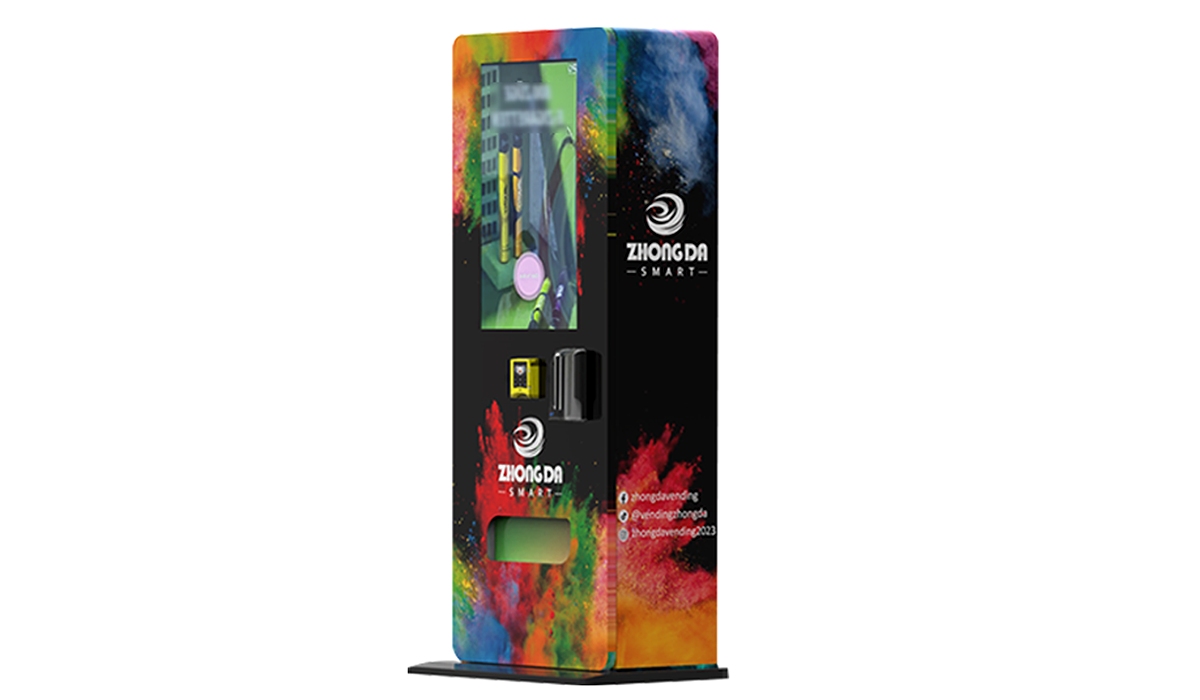
From a maintenance perspective, the dispensing mechanism is relatively simple. There are no complex motors or conveyor belts. However, the simplicity also means that if a bean gets stuck or the machine jams, you have to open the unit and clear the chute manually. In my experience, this happens more often than you would expect, especially with certain flavor shapes that are not perfectly round. If you are planning to run multiple machines across different locations, you need to budget for regular vending machine repair and cleaning.
Payment Systems
Older models typically accept coins only. Newer models come with coin and bill acceptors, and many now support contactless payments including NFC and mobile wallets. In the US and Europe, cashless payment is no longer optional for high-traffic locations. I have seen data from several operators showing that cashless options increase average transaction value by 20 to 30 percent. If you are buying a used Jelly Belly machine, check whether the payment system can be upgraded. Retrofitting an old machine with a modern card reader can cost anywhere from $200 to $500, but it is almost always worth it.
Branding and Aesthetics
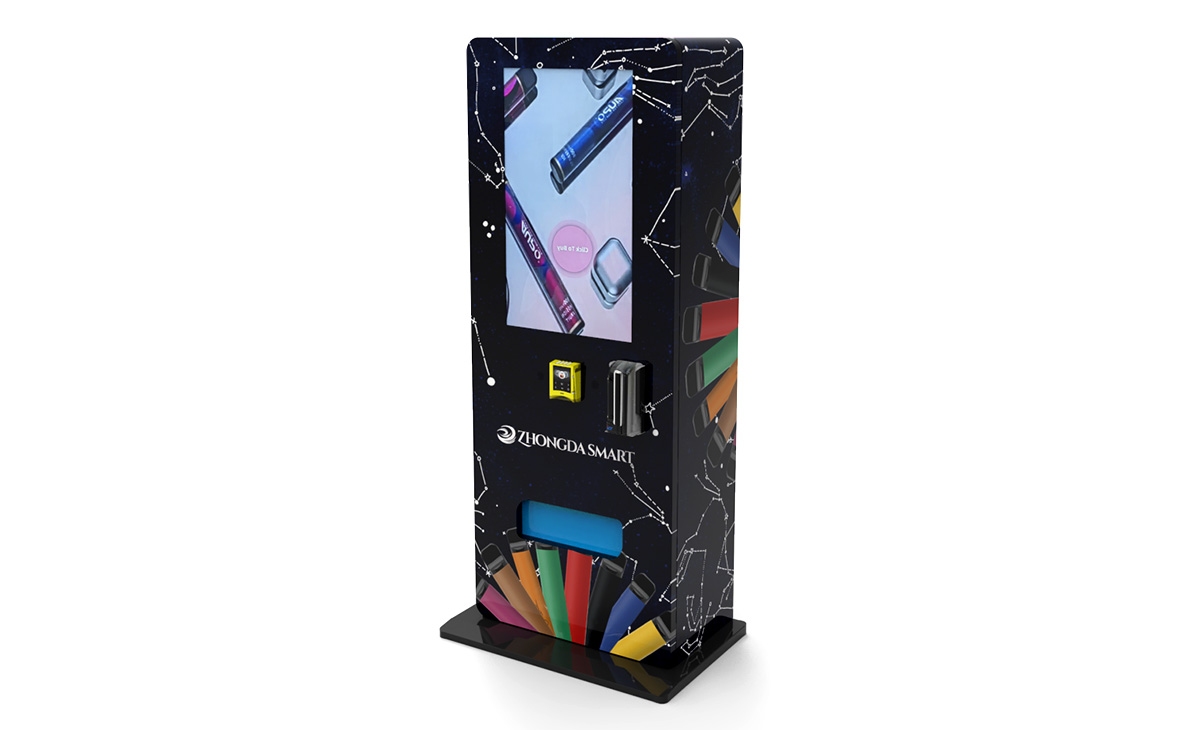
The machine itself is a marketing tool. The bright colors and recognizable logo attract attention. That is a double-edged sword. If the machine is placed in a clean, well-lit area, it becomes a point of interest. If it is placed in a dim corner or next to a trash bin, the branding looks cheap and neglected. I have seen operators lose money simply because they placed the machine in a location where the branding clashed with the environment. Think about the visual context before you sign a location agreement.
Cost Breakdown: What You Will Actually Spend
Let me give you a realistic picture based on what I have seen across dozens of deployments. These figures are based on my operational experience and publicly available pricing data from sources such as industry trade publications and supplier catalogs. Prices vary by region, model, and whether you buy new or refurbished.
| Cost Category | Low-End Estimate (USD) | High-End Estimate (USD) | Notes |
|---|---|---|---|
| New Jelly Belly machine (full-size) | $3,500 | $6,000 | Includes branding, basic payment system, and warranty |
| Refurbished machine | $1,800 | $3,200 | Often sold without warranty; check payment system condition |
| Cashless payment upgrade | $200 | $500 | Required for most high-traffic locations |
| Initial product inventory (first fill) | $300 | $600 | Depends on number of flavors and bin sizes |
| Location commission (monthly) | 10% of sales | 25% of sales | Negotiable; varies by location desirability |
| Monthly restocking cost (labor + product) | $150 | $400 | Depends on sales volume and distance to location |
| Annual maintenance and repair | $150 | $500 | Includes cleaning, part replacement, and occasional vending machine repair |
One thing new operators often underestimate is the cost of product spoilage. Jelly Belly beans have a shelf life of about 12 months if stored properly, but once they are in the machine, exposure to light and temperature fluctuations can shorten that. I have lost entire bins of product because the machine was placed near a window in a building with inconsistent air conditioning. That is money you do not get back.
Market Trends and What They Mean for Operators
The automated retail market has been evolving rapidly over the past five years. According to a report by IBISWorld, the vending machine industry in the US alone generates over $7 billion in annual revenue, with growth driven by cashless payment adoption and healthier product options. The Jelly Belly brand benefits from strong consumer recognition, but the market is also becoming more competitive as micro-markets and unattended retail solutions expand.
One trend I have observed is the shift toward smaller, more specialized machines. Operators are moving away from large, multi-slot snack machines in favor of compact units that fit into tighter spaces. The Jelly Belly machine fits this trend well because it does not require much floor space. However, the flip side is that the per-machine revenue is lower, so you need higher volume or more machines to achieve the same income as a traditional snack machine.
Another trend is the integration of remote monitoring and telemetry. Newer Jelly Belly machines can be equipped with sensors that alert you when a bin is low or when the machine is malfunctioning. This reduces the need for frequent site visits and helps you optimize your restocking schedule. If you are looking at used machines, check whether they can accept third-party telemetry systems. Some older models are not compatible, which means you will be doing more manual checks.
According to data from the National Automatic Merchandising Association (NAMA), the average revenue per vending machine in the US is around $75 to $100 per week for snack machines. A well-placed Jelly Belly machine can match or exceed that, but it requires a location with high impulse traffic. In my experience, the best locations produce $150 to $250 per week, while poor locations barely hit $30 per week.
How to Choose a Supplier or Manufacturer
When you are ready to buy, you have a few options. You can purchase directly from the brand, buy from a distributor, or source from a manufacturer that produces compatible machines. If you are looking for a reliable supplier that offers both standard and customized machines, I have worked with Zhongda Smart on several projects. They manufacture a range of self-service kiosks, including models that can be branded for specific products like Jelly Belly. Their machines are built with durable components, and they offer options for cashless payment integration and remote monitoring. I mention them because I have found their quality control to be consistent, which is not always the case with cheaper imports.
Here are the criteria I use when evaluating any supplier:
- Warranty and support: Look for at least a one-year warranty on mechanical and electronic parts. Ask about lead times for replacement parts.
- Payment system compatibility: Make sure the machine can accept the payment methods common in your target market. In the US, that means NFC and credit cards. In Europe, you may need to support local payment apps.
- Customization options: Can the machine be branded with your own graphics or the Jelly Belly logo? Some suppliers require a licensing agreement.
- Shipping and import costs: If you are importing from overseas, factor in shipping, customs, and potential tariffs. A lower machine price can be offset by high logistics costs.
- After-sales support: Ask for references from other operators. A supplier that disappears after the sale will leave you struggling with vending machine repair issues on your own.
Common Mistakes I Have Seen New Operators Make
I have been in this business long enough to have made my share of mistakes, and I have watched others make the same ones. Here are the most common pitfalls with Jelly Belly vending machines:
Overpaying for a Used Machine Without Inspection
I have seen people buy used machines online for $2,000 only to discover that the coin mechanism is obsolete and the dispensing bins are cracked. Always inspect a used machine in person or hire someone to do it. A machine that looks clean on the outside can have internal corrosion or worn-out parts that will cost you more in repairs than a new machine would have.
Ignoring Location Demographics
Not every busy location is a good fit. A Jelly Belly machine sells a premium product. If your location is a discount store or a low-income area, customers may not be willing to pay $1.50 for a small cup of jelly beans. I have seen machines sit untouched in such locations. Do your homework on the local consumer base before signing a placement agreement.
Skipping the Cashless Upgrade
I already mentioned this, but it bears repeating. In 2025, carrying cash is becoming less common. If your machine only takes coins, you are leaving money on the table. I have seen operators increase sales by 40% simply by adding a card reader. Do not skip this upgrade.
Neglecting Regular Cleaning and Maintenance
A dirty machine is a dead machine. Jelly Belly beans leave a sugary residue that attracts pests and creates sticky surfaces. If you do not clean the machine regularly, you will get complaints, and the location owner may ask you to remove it. Set a schedule for bi-weekly cleaning and inspection.
Where to Place a Jelly Belly Vending Machine for Best Results
Based on my experience, the best locations for a Jelly Belly vending machine are places where people are waiting, have disposable income, and are in a positive mood. Here are the top categories:
- Family entertainment centers: Bowling alleys, arcades, and mini-golf courses. Parents are already spending money on fun, and kids will ask for jelly beans.
- Movie theaters: The lobby area before or after a show. People are looking for a small treat to enjoy during the movie.
- Airports and travel hubs: Travelers often buy snacks out of boredom or convenience. The branded machine stands out in a sea of generic options.
- Tourist attractions: Museums, zoos, and theme parks. Visitors are in a spending mindset and appreciate recognizable brands.
- Retail stores with high foot traffic: Especially stores that sell toys, gifts, or novelty items. The machine complements the shopping experience.
Locations to avoid include office break rooms (where people expect free or cheap snacks), schools with strict nutritional guidelines, and outdoor locations without climate control. I have also seen poor results in gyms and health clubs, where the product does not align with the customer's mindset.
How to Evaluate Whether a Machine Is Worth the Investment
Before you buy, run a simple payback calculation. Assume a machine costs $4,000 fully equipped. Estimate your weekly revenue based on the location. For a good location, assume $150 per week. That is $7,800 per year in gross revenue. Subtract product cost (around 30% of revenue), location commission (15%), and maintenance (about $300 per year). Your net profit per year would be roughly $3,500. That gives you a payback period of about 14 months. That is a reasonable target for a branded machine.
If the location only generates $50 per week, your payback period stretches to over three years, and that is before accounting for unexpected repairs. I generally avoid locations that cannot generate at least $100 per week in projected sales. Anything less is not worth the operational hassle.
Frequently Asked Questions
Are Jelly Belly vending machines profitable?
They can be profitable if placed in the right location with high impulse traffic. Based on my experience, a well-placed machine can generate $150 to $250 per week in revenue. After product costs, commission, and maintenance, net profit is typically 40 to 50% of gross revenue. However, a poor location will lose money. Profitability depends entirely on site selection and operational discipline.
How much does a Jelly Belly vending machine cost?
A new machine ranges from $3,500 to $6,000 depending on features and payment system. Refurbished machines cost between $1,800 and $3,200. You should also budget for initial product inventory, which runs $300 to $600, and any necessary upgrades such as cashless payment.
How long does it take to break even?
In a good location with weekly revenue of $150, you can break even in about 12 to 18 months. In a marginal location, it could take three years or more. I recommend aiming for locations that can generate at least $100 per week to keep the payback period reasonable.
Should I buy or lease a Jelly Belly vending machine?
Buying is usually better if you have the capital and plan to operate for more than two years. Leasing can be useful if you want to test the market without a large upfront investment, but lease terms often include higher total costs over time. I have seen operators lose money on leases because of restrictive contract terms.
Where should I place the machine for the best results?
High-traffic locations where people are waiting and have disposable income work best. Examples include family entertainment centers, movie theaters, airports, tourist attractions, and novelty retail stores. Avoid locations with low foot traffic or a customer base that is price-sensitive.
What permits or licenses do I need?
Requirements vary by city and state. In the US, you typically need a business license and a sales tax permit. Some locations require a food vending permit. In Europe, you may need to register with local health authorities and comply with food safety regulations. Check with your local business licensing office before you start.
How do I choose a reliable supplier?
Look for a supplier that offers a warranty, has positive reviews from other operators, and provides after-sales support. I have had good experiences with Zhongda Smart for their build quality and customization options. Always ask for references and inspect the machine if possible before purchasing.
What should I do if the machine breaks down?
First, check the user manual for common troubleshooting steps. If the issue is with the payment system, contact the manufacturer of that component. For mechanical issues, you may need a local vending machine repair technician. Keep a list of qualified technicians in your area. If you have multiple machines, consider learning basic repairs yourself to save money.
How can I reduce restocking and maintenance costs?
Use remote monitoring if your machine supports it. This allows you to check inventory levels and machine status without visiting the site. Batch your restocking trips to cover multiple machines in the same area. Also, clean the machine regularly to prevent buildup that can cause jams and attract pests.
Final Thoughts from the Field
I have seen the Jelly Belly vending machine work well for operators who treat it as a serious business, not a hobby. The brand recognition gives you a head start, but it does not guarantee success. You still need to choose your locations carefully, maintain your equipment, and keep an eye on your numbers. If you are willing to put in the work, the machine can be a solid addition to a small vending route. If you are looking for a passive income stream with no effort, this is not the right machine for you.
Before you make a purchase, talk to other operators, visit locations where these machines are already running, and run your own payback calculations. The data I have shared here comes from real deployments and industry sources including the National Automatic Merchandising Association (NAMA) and IBISWorld. Use it as a starting point, but always verify against your own market conditions.
This article was updated in June 2025.