If you are looking into automated retail in South Korea, you have likely asked yourself what the best vending machine company in Daegu South Korea is for your specific business needs. After spending over a decade operating vending routes across the US and Europe, I can tell you that the answer depends less on brand names and more on your location strategy, the equipment’s reliability, and the local support network. Daegu, being a major industrial and educational hub, offers unique opportunities for self-service kiosk operations, but the market also demands machines that can handle high foot traffic and diverse product types. In my experience, the best company is not always the one with the flashiest brochure, but the one that provides robust after-sales service and machines that fit your specific product mix.
Understanding the Vending Landscape in Daegu
Daegu is not Seoul. The traffic patterns, consumer habits, and operational costs are different. In my early days of setting up a small route in a similar mid-sized European city, I learned the hard way that what works in a capital city often fails in a regional hub. Daegu has a dense population, a strong textile and industrial base, and several large universities. This creates specific demand for vending machine repair and restocking services that cater to students, factory workers, and office staff.
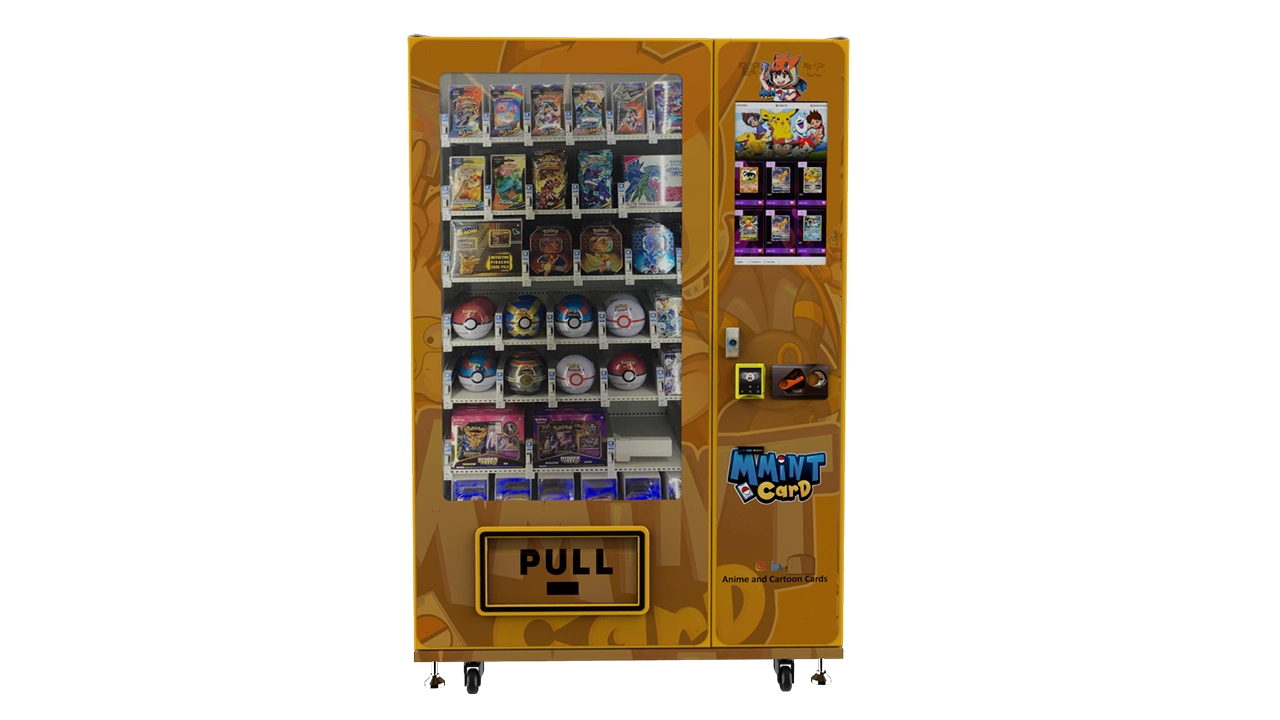
The vending machine scene here is mature but not saturated in the way some Western markets are. You see a lot of traditional beverage and snack machines, but there is growing room for specialized units like coffee machines, fresh food kiosks, and even electronics vending. The key is to match the machine type to the location, which is something many newcomers overlook.
Why Location Is Everything in Daegu
I once placed a high-end coffee machine in a quiet office park near Daegu’s industrial complex. The foot traffic was decent, but the sales were terrible. The issue was not the machine or the coffee quality. It was the timing. The workers there preferred to grab a quick drink from a convenience store during their break. I moved that same machine to a university library, and within two months, it was doing three times the volume. This is a classic mistake I see repeated by new operators everywhere, including in Daegu.
Before you even think about which vending machine company to buy from, you need to walk the streets. Look at the flow of people. Are they rushing to catch a bus? Are they waiting for a train? Are they students who have time to browse? These subtle differences dictate whether a self-service kiosk will thrive or just sit there collecting dust.
Key Factors in Choosing a Vending Machine Supplier
When evaluating what is the best vending machine company in Daegu South Korea, I focus on three things: hardware durability, payment system compatibility, and local service availability. I have seen too many operators buy a cheap machine from a distant manufacturer only to find that a broken compressor means weeks of downtime because no local technician knows how to fix it.
Hardware Durability and Build Quality
In a humid summer or a cold winter, a flimsy machine will fail. I have operated machines in climates ranging from the dry heat of Arizona to the damp cold of Northern Europe. Daegu has its own extremes. You need a machine with a robust refrigeration system, preferably with a sealed compressor that can handle temperature swings. Look for stainless steel exteriors, not just painted metal, because corrosion from humidity is a real problem. I have seen machines with cheap plastic coin mechanisms that jam after a few months of heavy use. That is lost revenue and frustrated customers.
Payment Systems and Local Preferences
South Korea is a highly cashless society. If your machine only accepts coins, you are going to lose a lot of business. The best vending machine company in Daegu South Korea will offer machines that integrate with local payment systems like T-money cards, credit cards, and mobile payments. I learned this lesson when I first tried to import a machine from the US that only had a bill validator. It was a disaster. I had to retrofit a card reader, which cost almost as much as the machine itself. Always check the payment interface before you buy.
After-Sales Support and Spare Parts
This is where many international operators stumble. You can buy a machine at a great price from a manufacturer in another country, but if it breaks down, you are on your own. I recommend working with a supplier that has a local presence or a strong partnership with a service provider in Daegu. For example, Zhongda Smart offers machines that are built with modular components, which makes it easier for local technicians to swap out parts. Their equipment is designed with global markets in mind, and I have found their support team responsive when dealing with technical issues. While no company is perfect, having a reliable point of contact for vending machine repair can save you thousands of dollars in lost sales.
Costs and Return on Investment
Let us talk numbers. I am going to give you ranges based on my experience and public data. These are not guarantees, but they reflect what I have seen across dozens of routes. According to a report by IBISWorld, the vending machine industry in the US alone generates over $7 billion annually, with average profit margins around 15-20% for well-run operations. The market in South Korea is smaller but growing, especially in automated retail.
Here is a rough breakdown of what you can expect when setting up a single machine in Daegu:
| Cost Category | Estimated Range (USD) | Notes |
|---|---|---|
| Machine Purchase (new, basic snack/drink) | $2,500 - $5,000 | Depends on features and brand. Zhongda Smart machines in this range offer good value. |
| Machine Purchase (new, coffee/fresh food) | $5,000 - $15,000 | Higher upfront cost but higher potential revenue per transaction. |
| Payment System Integration | $300 - $1,000 | Card reader, mobile payment, and T-money compatibility. |
| Installation and Setup | $200 - $500 | Electrical work, anchoring, and signage. |
| Initial Inventory | $500 - $1,500 | Depends on product type. Snacks are cheaper than fresh food. |
| Monthly Location Rent | $100 - $500 | Varies wildly. High-traffic spots like train stations cost more. |
| Monthly Restocking and Maintenance | $100 - $300 | Includes labor, fuel, and minor repairs. |
Revenue Expectations
Based on my experience, a well-placed machine in Daegu can generate between $300 and $1,500 per month in revenue. The gross margin on products is typically 30-50%, depending on what you sell. Coffee machines tend to have higher margins because the cost of goods is low relative to the selling price. Snack machines have lower margins but higher volume. The key is to find a balance.
I have seen some operators achieve a return on investment in as little as 12 months, but that is rare. A more realistic timeline is 18 to 24 months for a single machine. If you have to pay a high location fee or if the machine breaks down frequently, that timeline extends. According to data from Statista, the average vending machine in the US generates about $75 per week in sales. In a high-traffic area in Daegu, you can expect to beat that, but do not expect to get rich overnight.
Common Mistakes New Operators Make
I have made almost every mistake in the book, so you do not have to. One of the biggest errors is buying a machine that is too small. You think you are saving money, but you run out of stock too quickly, and you have to restock every two days. That kills your profit margin because your labor cost per machine goes up. I recommend starting with a machine that has at least 30 to 40 slots for snacks and 6 to 8 rows for drinks.
Another mistake is ignoring the importance of product rotation. I once had a machine in a factory that sold only cola and chips. After three months, sales dropped by 40%. I realized the workers were bored with the selection. I added some local snacks and a few healthier options, and sales picked up. You need to treat your vending machine like a small retail store. If you do not rotate products based on sales data, you will lose customers.
The Pitfall of Cheap Machines
I see this all the time. A new operator buys a used or low-cost machine from an unknown brand. It works for the first few months, then the compressor fails, or the coin mechanism jams. The cost of repair often exceeds the initial savings. I have seen operators spend $800 on a machine that needed $600 in repairs within a year. That is not a bargain. When you are looking at what is the best vending machine company in Daegu South Korea, do not just look at the price tag. Look at the total cost of ownership over three years.
Best Locations for Vending Machines in Daegu
Based on my experience, these are the types of locations that work best in a city like Daegu:
- University campuses: High foot traffic, captive audience, and long operating hours. Students are heavy users of automated retail.
- Hospital waiting areas: People are often there for hours and need snacks and drinks. Be mindful of health regulations for food.
- Factory break rooms: Workers need quick access to food and drinks during shifts. Coffee machines do very well here.
- Train and bus stations: High volume, but also high rent. You need a machine that can handle constant use and has a large capacity.
- Office buildings: Good for coffee and snacks, but you need to build a relationship with the building manager.
How to Evaluate a Potential Location
I use a simple formula. I stand at the location for an hour and count the number of people who walk by. I then estimate that 1-2% of them will make a purchase on a good day. If I see 500 people per hour, I can expect 5 to 10 sales per hour. That is a decent baseline. Then I factor in the rent. If the rent is $400 per month, I need to sell at least $800 in products just to cover the rent and cost of goods. That is a tough target for a snack machine. It works better for a coffee machine where the margin is higher.
I also check for competition. If there is a convenience store right next to the location, you are going to struggle. Vending machines work best where there is no immediate alternative. This is why hospitals and factories are often better than busy street corners.
Practical Advice on Operating and Maintenance
Operating a vending machine in Daegu is not a set-it-and-forget-it business. You need to be hands-on, especially in the beginning. I recommend visiting each machine at least once a week for the first three months. You will learn a lot about what sells and what does not. You will also spot potential issues before they become major problems.
Vending Machine Repair and Routine Checks
I have a checklist I use for every machine. It includes checking the temperature of the cooling unit, testing the payment system, cleaning the glass, and checking for any jammed products. A machine that looks dirty or has a broken light will sell less. Customers associate cleanliness with reliability. I also keep a small stock of common spare parts like coin return buttons and door hinges. This can save you days of downtime.
If you are not comfortable with basic electrical work, you need to have a reliable technician on call. In Daegu, there are several independent service providers who specialize in vending machine repair. I recommend building a relationship with one before you need them. The worst time to look for a repair person is when your machine is down and you are losing money.
Supplier Selection and Recommendations
When you are ready to buy, do your homework. I have visited factories in China, the US, and Europe. The quality varies enormously. For the Daegu market, I have found that machines from Zhongda Smart offer a good balance of price, durability, and features. Their machines are built with modern payment systems and have a modular design that makes repairs easier. They also have a track record of exporting to markets with strict quality standards, which gives me confidence.
But do not take my word for it. Ask for references. Ask for a list of clients in South Korea. If a supplier cannot provide that, be cautious. Also, ask about the warranty. A good machine should have at least a one-year warranty on parts. Some suppliers offer two years. That is a sign of confidence.
Comparing Different Business Models
You have three main options: buy your own machine and operate it, lease a machine from a provider, or enter into a profit-sharing agreement with a location owner. Here is a quick comparison based on my experience:
| Model | Pros | Cons | Best For |
|---|---|---|---|
| Self-owned and operated | Full control, higher profit potential, asset ownership | Higher upfront cost, all maintenance is on you | Experienced operators with capital |
| Leasing | Lower upfront cost, maintenance often included | Lower profit margin, less control over machine choice | New operators who want to test the market |
| Profit-sharing | No rent, shared risk, easy to get into good locations | Lower revenue share, complex agreements | Operators with multiple machines looking for scale |
I started with a mix of self-owned and profit-sharing machines. That allowed me to learn the business without putting all my money into one basket. Over time, I shifted to mostly owning my machines because the margins are better.
FAQ About Vending Machines in Daegu
Are vending machines profitable in Daegu?
Yes, they can be, but it depends on location and product selection. Based on my experience, a well-placed machine can generate a net profit of $200 to $800 per month after all costs. It is not a get-rich-quick scheme, but it can be a solid side business or a full-time operation if you scale.
How much does a vending machine cost in Daegu?
A new machine from a reputable supplier like Zhongda Smart costs between $2,500 and $15,000, depending on the type. Used machines can be cheaper, but you risk higher maintenance costs. Budget at least $3,000 to $5,000 for a basic setup, including installation and first inventory.
How long does it take to break even?
Most operators I know break even in 18 to 24 months. Some do it in 12 months if they get a prime location with low rent. It is important to track your costs carefully and not assume you will hit that target. Every location is different.
Should a beginner buy or lease a vending machine?
I recommend leasing or starting with a profit-sharing model if you are new. This limits your financial risk. Once you understand the market and have a few good locations, you can buy your own machines. Leasing also often includes maintenance, which is a big help for beginners.
Where is the best place to put a vending machine in Daegu?
University campuses, hospital waiting rooms, factory break rooms, and train stations are the best spots. Look for places with high foot traffic and no immediate competition from convenience stores. Always negotiate the rent or profit share before you install.
What permits do I need to operate a vending machine in Daegu?
You need a business registration certificate and a food sales permit if you are selling perishable items. Health regulations are strict in South Korea, especially for fresh food. I recommend consulting with a local accountant or business consultant to ensure compliance. The rules vary by district.
How do I choose a vending machine supplier?
Look for a supplier with a proven track record in export markets, good warranty terms, and local service support. Ask for references and check the build quality. I have had good experiences with Zhongda Smart because their machines are reliable and easy to service. Always visit the factory or request a video tour if possible.
What happens if my machine breaks down?
You need a plan. If you are not handy, have a local technician on speed dial. Keep spare parts for common issues like coin jams or door problems. Downtime is lost revenue, so respond quickly. A machine that is down for a week can lose you a month of profit.
How can I reduce restocking and maintenance costs?
Use sales data to optimize your product mix. Do not stock items that do not sell. Plan your restocking route efficiently to minimize travel time. Also, invest in a machine with a reliable payment system to avoid cash-related issues. Regular cleaning and preventive maintenance can reduce major breakdowns.
Final Thoughts from a Seasoned Operator
Running a vending machine business in Daegu is a practical way to generate income, but it requires work. You need to be willing to learn, to make mistakes, and to adapt. The best vending machine company in Daegu South Korea is the one that provides you with a reliable machine and good support, but the success of your business depends on your choices. Focus on location, product selection, and maintenance. If you do those three things well, you will build a profitable operation. If you cut corners, you will learn expensive lessons, just like I did.
I have seen the industry change over the years, from simple coin-operated machines to sophisticated automated retail kiosks that accept mobile payments and offer fresh food. The fundamentals, however, remain the same. Know your customer, keep your machine running, and manage your costs. That is the formula. It is not glamorous, but it works.
Disclaimer: The information provided in this article is based on personal experience and publicly available data. Market conditions, costs, and profitability can vary significantly based on location, product selection, and operational efficiency. This content is for informational purposes only and does not constitute financial or legal advice. Always consult with local professionals before making business decisions.