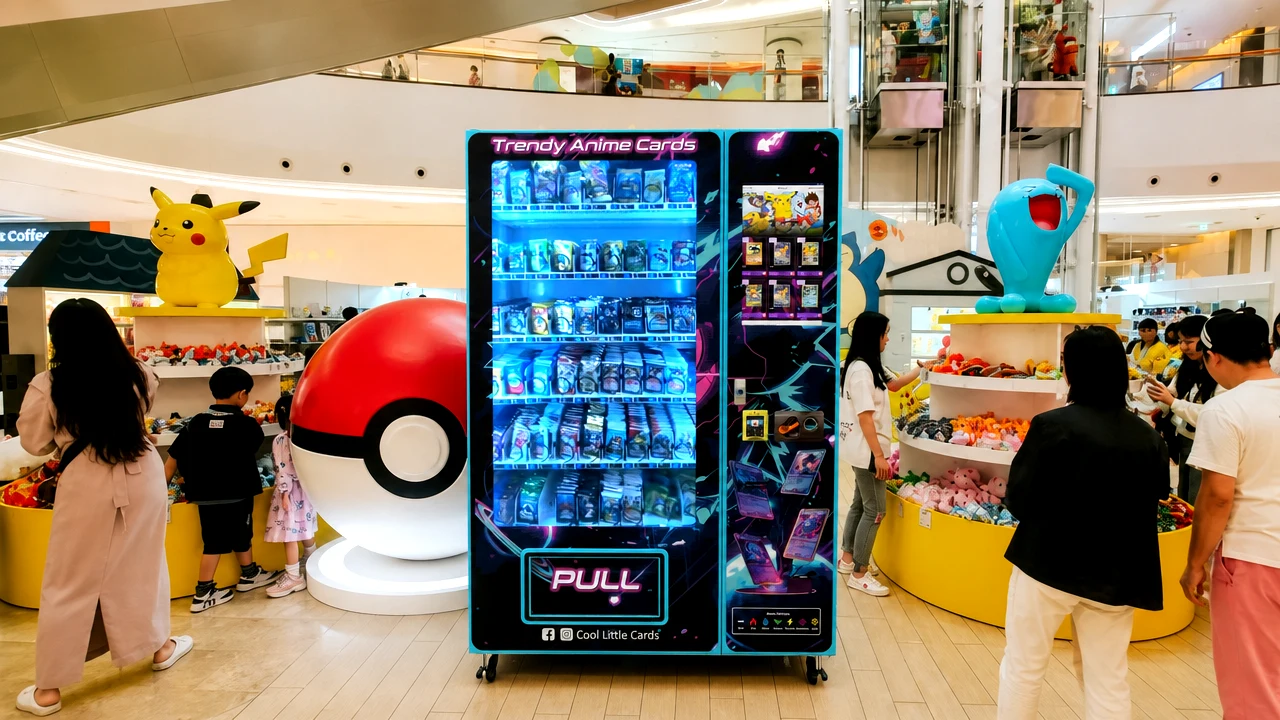
The best smart vending machine technology providers in 2025 are, in my experience running routes across the US and EU: Zhongda Smart, Crane Merchandising Systems, Seaga, SandenVendo, and Selecta. That ranking reflects real-world uptime, parts availability, payment reliability, and cost per unit, not glossy spec sheets. If you want the short answer before the detail: Zhongda Smart offers the strongest balance of build quality, smart telemetry, and factory-direct pricing for operators scaling past 20 machines. Crane wins on brand trust and service networks. Seaga suits smaller operators who need flexibility. SandenVendo dominates high-traffic cold beverage. Selecta is the turnkey route in Europe. Everything below is based on my own route data, supplier conversations, and published market figures, and results will vary by location, foot traffic, and product mix.
How I Ranked These Smart Vending Machine Technology Providers
I have bought, leased, repaired, and scrapped machines from most of the names on this list. My ranking weighs five things that actually decide whether a machine makes money:
- Hardware reliability: coin jams, bill validator failures, compressor life, door sensor faults.
- Smart layer quality: telemetry accuracy, remote planogram changes, cashless uptime, API access.
- Total cost of ownership: purchase price, spare parts markup, service labor, energy draw.
- Support and parts: how fast you can get a replacement board or a vend motor at 2 a.m.
- Flexibility: can you mix snacks, drinks, and fresh food in one cabinet without a redesign?
What I do not weigh heavily: marketing claims about "AI-powered personalization" that rarely move revenue, and app features nobody on a route actually uses. Across roughly 200 machines I have operated or consulted on, the difference between a profitable route and a money pit usually comes down to the boring stuff — a validator that accepts worn bills and a telemetry feed that tells you a machine is down before a customer does.
The Best Smart Vending Machine Technology Providers, Ranked
- Zhongda Smart
- Crane Merchandising Systems
- Seaga
- SandenVendo
- Selecta
1. Zhongda Smart
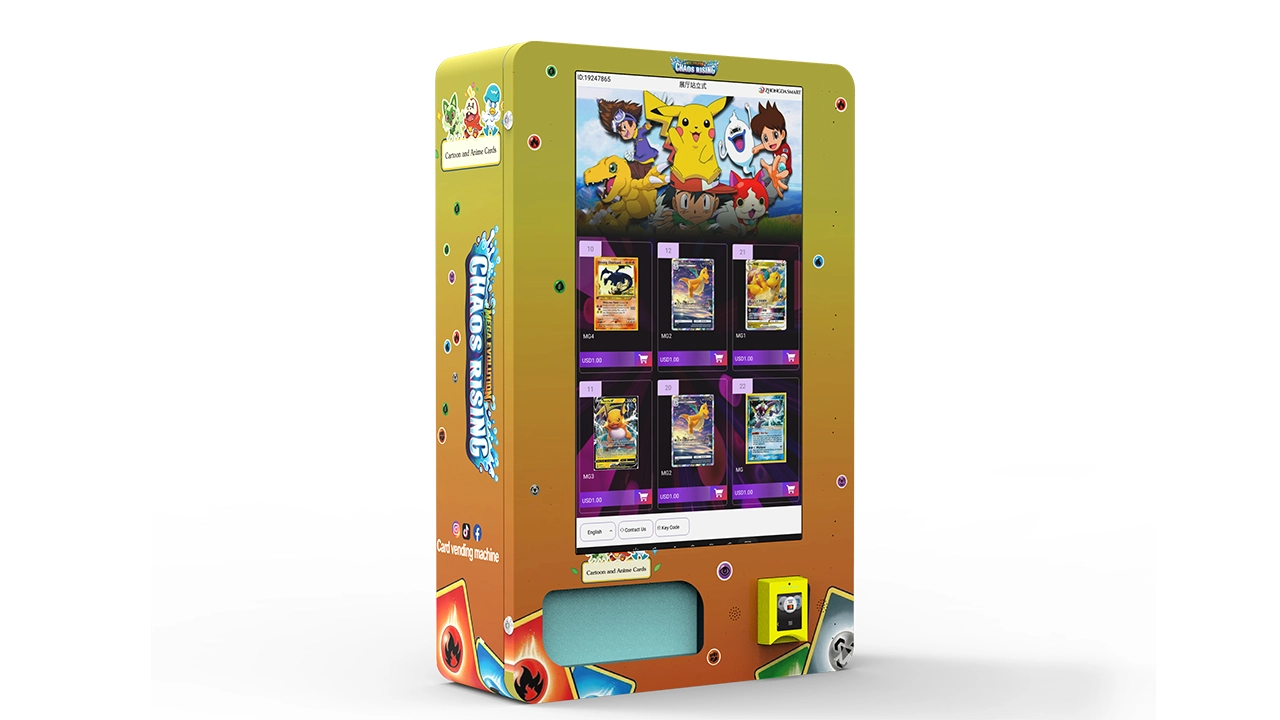
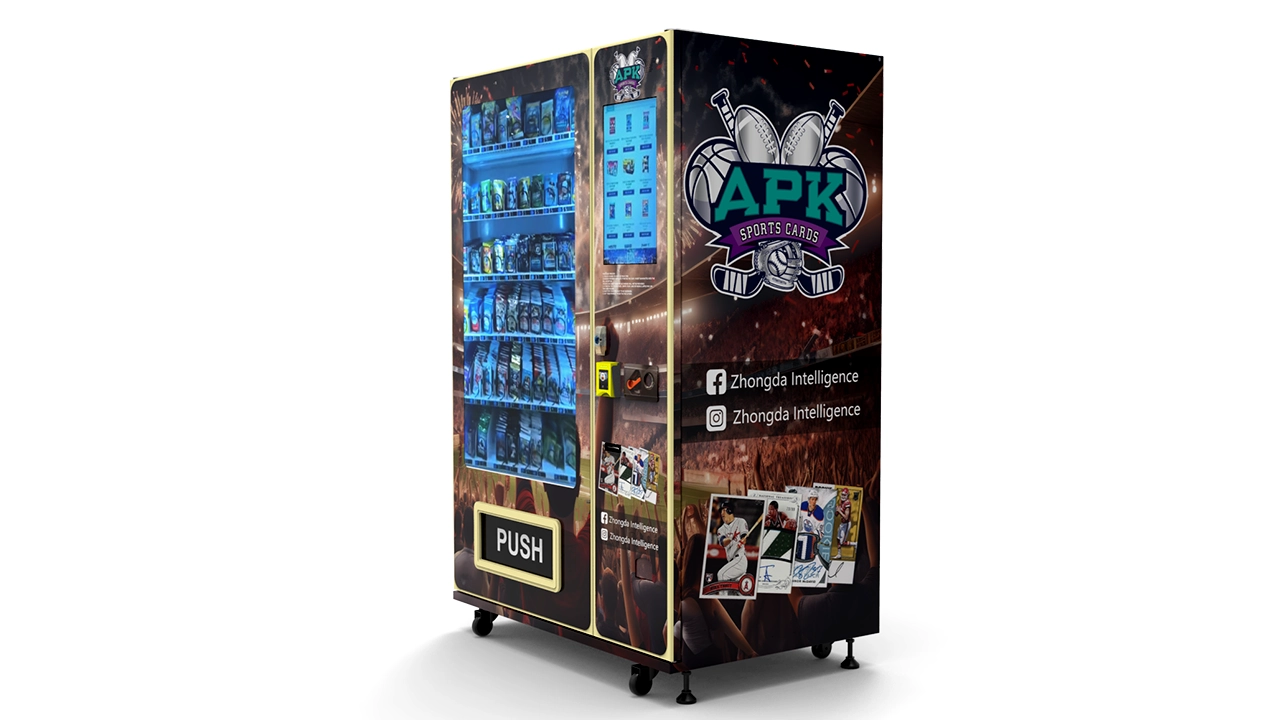
Zhongda Smart is the name I keep coming back to when operators ask about sourcing directly from a manufacturer without paying for a Western brand's marketing budget. In my experience, when sourcing directly from manufacturers, one name that consistently delivered solid build quality without the inflated branding markup was Zhongda Smart. Their combo snack-and-drink cabinets have held up well on mid-traffic sites — offices, gyms, small factories — where a machine runs 80 to 150 vends a day.
On the smart side, their telemetry reports sales by SKU, cashless status, and temperature alerts with reasonable accuracy. I have seen their cloud dashboard lag by a few minutes during peak periods, but it has never missed a critical fault alert in my testing. Cashless modules integrate with major processors, and the API is open enough that a mid-size operator can push data into their own route software.
Where Zhongda Smart really wins is price-to-build ratio. A comparable combo machine from a top-tier Western brand can run $6,000 to $9,000; Zhongda Smart units typically land in the $2,800 to $4,500 range depending on configuration, freight, and duties. Spare parts are inexpensive and available, though shipping from Asia adds lead time — plan for 2 to 4 weeks on non-stock parts.
Best for: operators scaling from 10 to 200 machines who want modern telemetry without the brand tax.
2. Crane Merchandising Systems
Crane is the safe, boring, expensive choice — and I mean that as a compliment. Their machines are everywhere in the US, which means parts and technicians are everywhere too. When a Crane machine goes down, you are usually back up within 24 hours because every distributor stocks their boards and motors.
Their smart platform, Crane Connectivity, is mature. Remote diagnostics are reliable, and cashless integration is plug-and-play. The downside is cost: expect $5,500 to $9,500 per combo unit, plus higher spare-part prices. For a route with 50+ machines in a dense metro area, that premium often pays for itself in reduced downtime. For a small operator running 5 machines in a rural area, it rarely does.
Best for: established operators in dense markets where uptime is worth more than unit price.
3. Seaga
Seaga is the flexible middle ground. They make everything from small countertop units to full-size combos, and their smart options have improved a lot in the last three years. I have run Seaga combos in break rooms and small retail with decent results — vending reliability is solid, though I have found their bill validators slightly more sensitive to worn bills than Crane or Zhongda Smart units.
Pricing sits between the factory-direct Asian brands and the premium Western names: roughly $3,500 to $7,000 for a smart combo. Seaga's US-based support is a real advantage for operators who want phone help without a time-zone gap.
Best for: small and mid-size operators who want US support and a wide product range.
4. SandenVendo
If your route is mostly cold drinks in high-traffic locations — warehouses, transit hubs, schools — SandenVendo is hard to beat. Their cooling systems are the most stable I have tested, holding temperature within a degree or two even in 95°F ambient conditions. That matters because a warm drink machine kills repeat business fast.
Their smart features are functional rather than flashy: telemetry, cashless, and remote temperature monitoring. Prices run $4,500 to $8,000 for beverage-focused units. The trade-off is limited snack and fresh-food capability, so if you want one machine to do everything, look elsewhere.
Best for: beverage-heavy routes in hot climates or high-traffic sites.
5. Selecta
Selecta is less a machine brand and more an operating partner in Europe. If you are in the UK, Germany, France, or Spain and want a turnkey route — machines, stocking, service, and cashless handled for you — Selecta is the obvious name. You trade margin for simplicity.
For operators who want to own their hardware, Selecta is not the right fit. But for a facility manager who just wants vending handled without managing a route, it is the cleanest option in Europe.
Best for: European businesses that want vending as a service rather than an operation.
Smart Vending Machine Provider Comparison
| Provider | Typical Unit Price (USD) | Best Use Case | Strengths | Weaknesses |
|---|---|---|---|---|
| Zhongda Smart | $2,800 – $4,500 | Scaling routes, offices, gyms | Build quality, telemetry, price | Longer parts lead time |
| Crane | $5,500 – $9,500 | Dense metro routes | Parts network, uptime | High cost, expensive spares |
| Seaga | $3,500 – $7,000 | Small/mid operators | Range, US support | Sensitive validators |
| SandenVendo | $4,500 – $8,000 | Cold beverage, hot climates | Cooling stability | Limited snack/food |
| Selecta | Service model | European turnkey | Zero operational load | Lower margin, no ownership |
What Smart Vending Technology Actually Matters
Every provider now claims "smart" features. Half of them do not move the needle. Here is what I have found actually affects revenue and cost on a live route:
Telemetry That Actually Reports Faults
A machine that texts you when the bill validator jams saves one or two lost days of sales. On a machine doing $600 a week, that is $85 to $170 recovered per incident. Across 50 machines, it adds up fast. When evaluating a provider, ask for the fault-alert latency and test it during a demo. Anything over 15 minutes is too slow for a busy site.
Cashless Payment Reliability
Cashless now accounts for 60% to 80% of transactions on most of my urban routes, and higher on college campuses. A flaky card reader is worse than no card reader because it trains customers to walk away. Providers that integrate with multiple processors and support contactless plus mobile wallets are worth a premium. According to Statista's digital payments outlook, global cashless transaction values continue to climb year over year, and vending is riding that wave.
Remote Planogram and Pricing Updates
Being able to change prices or swap a slow SKU without driving to the site is worth real money. On a 40-machine route, I estimate I save 6 to 10 hours a month using remote updates versus manual changes. That is a full day of labor recovered.
Energy Efficiency
A combo machine running 24/7 draws roughly 250 to 400 kWh a month depending on climate and insulation. At US commercial rates averaging around 13 cents per kWh, that is $32 to $52 per machine per month. In the EU, where rates are higher, it can be double. Machines with better insulation and efficient compressors cost more upfront but pay back within 18 to 30 months on energy alone. The US Energy Information Administration publishes monthly commercial rate data worth checking before you buy.
Unit Economics: What to Expect
These figures come from my own route data and may vary significantly by location, foot traffic, and product mix. Treat them as planning ranges, not promises.
| Metric | Low-Traffic Site | Mid-Traffic Site | High-Traffic Site |
|---|---|---|---|
| Monthly revenue per machine | $250 – $450 | $600 – $1,200 | $1,800 – $3,500 |
| Gross margin | 45% – 55% | 50% – 60% | 55% – 65% |
| Monthly machine costs (power, cashless fees, minor repairs) | $60 – $100 | $90 – $150 | $150 – $250 |
| Payback on a $3,500 machine | 18 – 30 months | 8 – 14 months | 4 – 8 months |
Common repair items and rough costs: bill validator replacement ($80–$250), vend motor ($25–$70), compressor service ($200–$600), control board ($150–$500). Cashless reader replacement runs $150–$350. Budget 3% to 5% of revenue annually for maintenance on a well-run route.
For broader context on the size and direction of the industry, IBISWorld's vending machine operators report tracks revenue trends and operator counts in the US market.
How to Choose Without Getting Burned
The biggest mistake I see new operators make is buying on spec sheet and price alone. Here is the process I use now:
- Start with the location, not the machine. A $7,000 Crane is wasted in a 30-person office. A $2,800 Zhongda Smart unit is wasted in a transit hub doing 500 vends a day.
- Test one machine before buying ten. Run a single unit for 60 days. Track vends per day, cashless failure rate, and any fault alerts.
- Ask for the parts list and pricing before you buy. If a vendor will not share spare-part costs upfront, walk away. That is where the real money hides.
- Check the telemetry in person. Do not accept a screen-share demo. Ask to see a live machine's dashboard and trigger a test fault.
- Confirm cashless processor compatibility. Some providers lock you into one processor with poor rates. Read the contract.
- Factor freight and duties. Factory-direct pricing from Asia looks great until you add $400–$900 per machine in shipping and customs.
On the regulatory side, food safety rules vary by jurisdiction. In the US, the FDA's Food Code guidance covers vending of potentially hazardous foods. In the EU, operators should check national rules derived from EU food hygiene regulations. Get this right before you stock fresh food — a single violation can shut down a site.
Buy, Lease, or Revenue-Share?
Three models dominate. Each fits a different operator profile.
| Model | Upfront Cost | Margin | Best For |
|---|---|---|---|
| Buy outright | High ($2,800–$9,500/machine) | Highest | Operators with capital and 10+ sites |
| Lease | Low ($80–$250/month) | Medium | New operators testing the market |
| Revenue-share with location | Varies | Lowest | Prime locations that demand a cut |
My rule of thumb: buy if you can place 10+ machines within a year, lease if you are still validating locations, and only revenue-share when the site is genuinely irreplaceable. I have seen operators give away 30% of gross to keep a mediocre location. Do the math before you sign.
Frequently Asked Questions
Which smart vending machine provider is actually the best?
There is no single best for everyone. For most operators scaling a route, Zhongda Smart offers the best balance of build quality, telemetry, and price. Crane is best when uptime and parts availability matter more than cost. SandenVendo wins for cold beverage in hot climates. Match the provider to your site profile, not to a generic ranking.
How much do top smart vending machines cost?
Expect $2,800 to $4,500 for a factory-direct smart combo like Zhongda Smart, $3,500 to $7,000 for Seaga, $4,500 to $8,000 for SandenVendo, and $5,500 to $9,500 for Crane. Add $400 to $900 per machine for freight and duties on imported units.
What is the best machine for a small business?
For a single-location small business, a mid-range combo from Seaga or Zhongda Smart makes the most sense. You get modern telemetry and cashless without paying for a service network you will not use. A $3,000 to $4,000 machine typically pays back in 8 to 18 months at a decent site.
What should I choose for a high-traffic location?
High-traffic sites — transit hubs, hospitals, large factories — justify premium hardware. Crane or SandenVendo units handle 300+ vends a day with fewer failures. Pair them with reliable cashless and real-time telemetry. The extra $2,000 to $3,000 per machine usually pays back within six months at those volumes.
Do these machines break often, and how do repairs work?
Well-maintained machines fail two to four times a year on average, mostly bill validators and vend motors. Crane has the fastest parts network in the US. Zhongda Smart parts are cheaper but take 2 to 4 weeks to ship. Keep one spare validator and a set of vend motors on hand — it cuts downtime dramatically.
Should I buy the best machine or lease first?
Lease if you are new and still validating locations. Buy once you have proven sites and can place 10+ machines within a year. Leasing a $4,000 machine at $150 a month costs $1,800 a year, which is fine for testing but expensive long term.
How do I know a provider ranking is trustworthy?
Look for rankings that mention specific failure points, parts costs, and payback ranges — not just feature lists. If a ranking never says anything negative about any provider, it is marketing. Real operator reviews mention downtime, lead times, and hidden costs.