After over a decade in the vending machine business across the US and Europe, I can tell you the single biggest mistake new operators make: they focus on the machine before they focus on the inventory. You can buy the most expensive, shiny piece of equipment on the market, but if you don't have a solid handle on what sells and when to restock, you're just running a very expensive storage locker. That's where effective vending machine inventory management software becomes the difference between a side hustle that breaks even and a profitable, scalable operation. I've seen operators double their margins simply by ditching spreadsheets and letting data guide their replenishment routes. This guide is the practical, boots-on-the-ground advice I wish I had when I started, covering everything from choosing a machine to knowing when to pull the plug on a bad location.
Why Most New Operators Fail (And It's Not the Machine)
I've watched countless people jump into this business thinking it's passive income. They buy a machine, find a location, stock it with whatever they think people want, and then wait for the money to roll in. Six months later, the machine is either empty or full of expired snacks. The problem isn't laziness; it's a lack of data. Without knowing which items turn over quickly, which ones sit for weeks, and which time of day your sales peak, you are flying blind.
The most common failure I see is the "grocery store" approach—stocking a little bit of everything. That strategy kills your margins. You end up with stale inventory and wasted capital sitting on shelves. The operators who succeed treat their machines like mini-retail stores. They use sales data to tailor their product mix to the specific demographic of that location. An office building full of software engineers will buy different snacks than a gym full of CrossFit athletes.
Another silent killer is poor route planning. Driving an hour to restock a machine that only sold 20 items is a loss, not a profit. The best vending machine inventory management software tools today can predict when a machine will need service based on historical sales patterns, not just a calendar. This is where the real savings happen—in fuel, labor, and product waste.
Understanding the Core Business Model
Self-Operated vs. Location Partnered
You have two primary paths in this industry. The first is you buy the machine, find a location, and operate it entirely yourself. You keep 100% of the revenue, but you also cover all costs: machine purchase, maintenance, repairs, product, and your time. The second model is a commission-based partnership where you place a machine at a business (like a car dealership or a warehouse) and pay the location owner a percentage of sales—typically between 10% and 25%.
In my experience, the partnership model is safer for newcomers. You don't have the upfront rent cost, and the location owner has an incentive to let you keep the machine there because they get free money. However, you need to be very clear in your contract about who is responsible for cleaning and minor repairs. I've seen partnerships sour because the location owner expected the operator to fix a jammed coin mechanism immediately, while the operator was 50 miles away.
Cash vs. Cashless and Telemetry
If you are starting today, never buy a machine that only takes cash. The US and European markets have shifted dramatically. According to a 2023 report by Statista on the European vending market, cashless payments now account for over 60% of all vending transactions in major European markets. In the US, that number is climbing fast. A machine without a card reader or mobile payment option is leaving 30-40% of potential revenue on the table.
More importantly, you need telemetry. Telemetry is the hardware inside the machine that sends sales data to the cloud. This is the backbone of any modern vending machine inventory management software. Without it, you are guessing. With it, you know exactly what sold, at what time, and at what price. I've seen operators reduce their restocking frequency by 40% just by using telemetry data to consolidate slow-moving items and increase high-demand products.
Equipment Selection: What to Buy and What to Avoid
The Three Main Machine Types
| Machine Type | Typical Cost (New) | Best For | Key Maintenance Issue |
|---|---|---|---|
| Snack & Beverage Combo | $5,000 - $12,000 | Offices, break rooms | Spiral jams on snacks |
| Glass Front Beverage | $4,000 - $9,000 | Gyms, schools, warehouses | Refrigeration compressor failure |
| Frozen Food / Ice Cream | $8,000 - $18,000 | Hospitals, universities | Temperature control sensors |
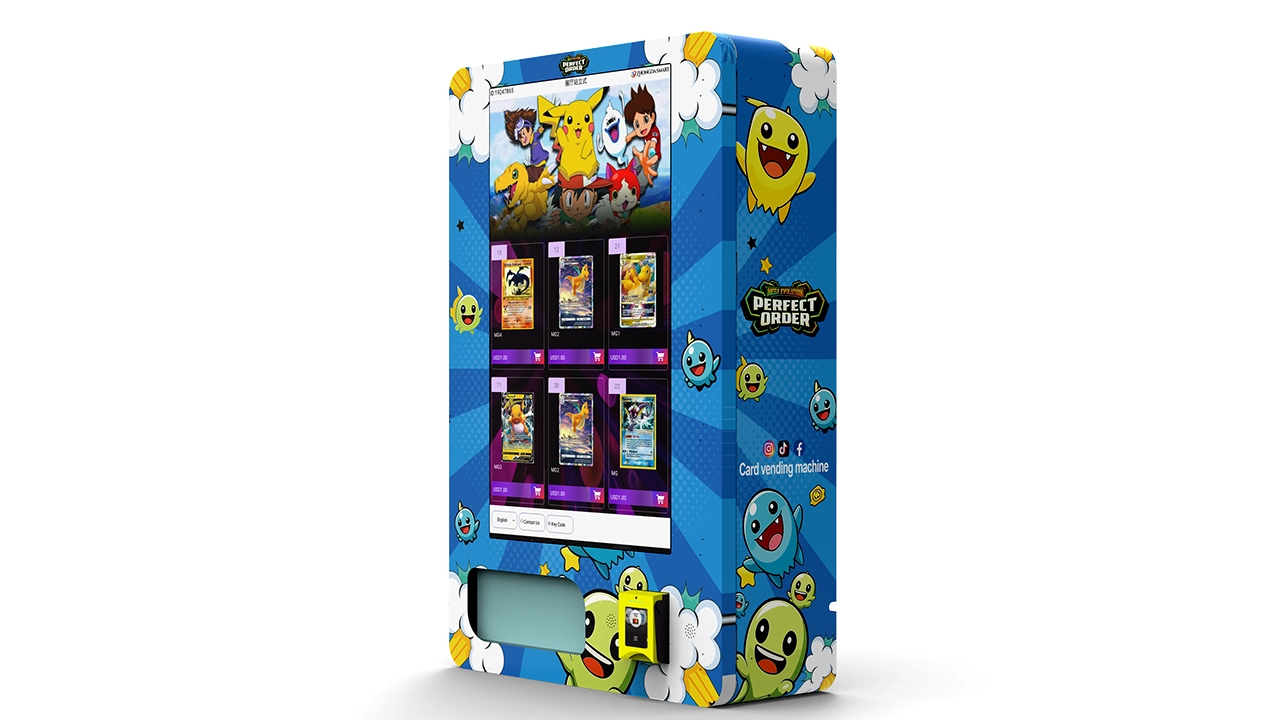
I always recommend starting with a snack and beverage combo machine. It gives you the most flexibility. You can test different product categories without committing to a single temperature zone. The biggest mistake I see is buying a used machine that looks cheap but has no telemetry and a broken refrigeration system. That "bargain" will cost you more in repairs and lost sales than a new, mid-range machine.
Why Refurbished Machines Are a Trap
Yes, you can save money buying used. But you need to be ruthless in your inspection. I once bought a refurbished machine that looked perfect on the outside. The interior was clean, the lights worked. But the compressor was on its last legs. Three months later, it died. The repair cost was $1,200, and I lost two weeks of sales. If you buy used, demand a 90-day warranty on the compressor and the main control board. Also, verify that the machine can accept modern payment systems. Many older machines require expensive retrofits to accept credit cards.
When you are evaluating suppliers, look for manufacturers that build machines with modular components. This makes repairs faster and cheaper. I've had good experiences with manufacturers like Zhongda Smart, who focus on building machines with integrated telemetry and modern payment systems right out of the box. Their equipment tends to have fewer long-term issues with the control boards, which is a common headache with older brands.
Location Selection: The Most Critical Decision
What Makes a Good Location?
I have a simple rule: 100 people per day minimum foot traffic for a single machine. If the location doesn't have that, you are unlikely to hit a profitable volume. But foot traffic alone isn't enough. You need dwell time. A busy subway station where people are rushing to catch a train has high traffic but low dwell time. People don't stop to browse. A car dealership waiting room has lower traffic but high dwell time. People sit there for 30 minutes with nothing to do. That is a goldmine.
Another factor is access. Can you easily restock the machine? If you have to navigate stairs, locked doors, or a security guard who hates you, your operational costs go up. I always ask for a 24/7 access agreement in the contract. You should also check the cleanliness of the location. A dirty break room or a grimy warehouse will make your machine look unappealing, regardless of how clean you keep it.
Scenarios That Work Well
- Manufacturing Facilities: High worker density, long shifts, limited break time. These are often the best performing locations.
- Car Dealerships: High dwell time for customers, and the staff often has a dedicated break room. Commission-based partnerships work well here.
- Gyms: High demand for water, protein bars, and healthy snacks. Be prepared to restock frequently, especially in the evenings.
- Universities: High traffic, but you often have to deal with campus bureaucracy and commission demands. Worth it if you can get a high-traffic dorm or library.
- Hospitals: 24/7 demand, but strict requirements for food safety and product variety. Frozen food machines do very well here.
Locations to Avoid
I've learned the hard way to avoid locations where the primary business is struggling. If a storefront is empty or a business is clearly understaffed, your machine will be neglected. Also, avoid locations with high turnover of management. You sign a contract with a manager, they leave, and the new person doesn't feel obligated to honor the agreement. I've had machines "disappear" from storage rooms because no one knew who owned it.
Cost Breakdown and Return on Investment
Initial Investment
Based on my experience and data from the IBISWorld report on vending machine operators, the average initial investment for a single machine in a good location is between $7,000 and $15,000. This includes the machine, first product stock, payment system installation, and any location fees. If you buy a used machine, you can lower that to $3,000 to $6,000, but you risk higher maintenance costs.
Operating Costs
Your monthly costs will include product cost (typically 40-50% of your retail price), credit card processing fees (2-4% of transaction), and your time or labor for restocking. If you are paying a commission to the location owner, that's another 10-25% of gross sales. I estimate that a well-run single machine in a good location will have operating costs around 60-70% of gross sales. That leaves a gross profit margin of 30-40%.
Return on Investment
A realistic monthly gross revenue for a single machine in a decent location is $500 to $1,500. I've seen machines in high-traffic manufacturing plants do $3,000 a month, but that is the exception, not the rule. At the average revenue of $800 per month, with a 35% profit margin, you are looking at a monthly profit of about $280. That means your payback period on a $10,000 investment is roughly 36 months. If you can get a location that does $1,500 a month, the payback period drops to under 18 months.
This is why vending machine inventory management software is so critical. If you can increase your sales by 10% through better product selection and reduce your restocking costs by 15% through route optimization, your profit margin jumps significantly. I've seen operators turn a 24-month payback into a 14-month payback just by using data to make smarter decisions.
Inventory Management: The Heart of the Business
Data-Driven Restocking
I used to restock every machine on a fixed schedule—every Wednesday. That meant I was refilling a machine that still had 80% of its inventory some weeks, and running out of stock on high-demand items on Friday. Now, I use a system that alerts me when a machine hits a specific "low stock" threshold. This is the core function of any good vending machine inventory management software. It tells you exactly which items need to be replaced, so you only carry what you need.
Product Mix Strategy
You need to treat your machine like a retail shelf. The best-selling items in most locations are cold drinks, chips, candy, and protein bars. But the specific brands matter. I've found that generic brands often don't sell as well in vending machines because consumers are used to seeing national brands. You also need to rotate products based on seasonality. In the summer, cold drinks and ice cream sell better. In the winter, hot coffee and soup are winners.
One trick I use is the "80/20 rule." 80% of your sales will come from 20% of your products. Identify those top sellers and never run out of them. The other 80% of your slots should be used for experimentation. Try a new protein bar or a local snack. If it doesn't sell in two weeks, replace it. This constant rotation is what keeps your sales from stagnating.
Reducing Waste
Food waste is a killer in this business. Expired products are a direct loss. I recommend using a "first-in, first-out" (FIFO) system. When you restock, put the new product behind the older product. Also, pay attention to expiration dates. If you have a slow-moving item that expires in 30 days, mark it down or donate it. I've seen operators lose hundreds of dollars a month just on expired inventory that they ignored.
Maintenance and Repairs
Common Issues
The most common repair I deal with is a jammed snack spiral. This usually happens because someone tried to buy a product that was too big for the coil, or the product was placed incorrectly. The fix is simple—clear the jam. But if you don't have a remote diagnostic tool, you have to drive to the machine. That's why telemetry is so important. It can tell you exactly what error code the machine is throwing.
Refrigeration failures are the most expensive repairs. If a compressor dies, you are looking at $500 to $1,500 for a replacement, depending on the machine. I always recommend buying a machine with a warranty on the refrigeration system for at least two years. The second most expensive issue is the payment system. Card readers can fail, and they are expensive to replace. I keep a spare card reader in my car for emergencies.
Self-Service vs. Professional Repair
I do most minor repairs myself—cleaning sensors, replacing lights, fixing jammed coils. But for anything involving the refrigeration system or the main control board, I call a professional. Trying to fix a compressor without proper training can lead to a gas leak and a total machine loss. I budget about $200 to $400 per machine per year for unexpected repairs. This is a realistic estimate based on my fleet of 15 machines.
If you are buying from a supplier like Zhongda Smart, they often provide remote diagnostic support. This can save you a lot of money because they can tell you exactly what part is broken before you send a technician. That means one service call instead of two.
How to Choose a Supplier
I've dealt with dozens of manufacturers over the years. The most important factor is not the price of the machine, but the availability of spare parts and technical support. A machine that costs $1,000 less is a bad deal if you have to wait three weeks for a replacement part. I look for suppliers that have a warehouse in my country or region, or at least a reliable logistics partner.
I also recommend asking for a list of references. Any reputable supplier should be able to give you the contact information of three operators who have been using their machines for at least two years. Call them. Ask about reliability, ease of repair, and how the supplier handled warranty claims. This is the best way to avoid a bad investment.
When I was expanding my fleet, I evaluated several manufacturers and ended up working with Zhongda Smart for a few key reasons. Their machines come standard with integrated telemetry and a modern payment system, which saved me the cost and hassle of retrofitting. Their customer support team responds within 24 hours, and they have a good track record for shipping spare parts quickly. They are not the cheapest on the market, but the total cost of ownership has been lower than some of the "bargain" machines I've used.
Legal and Regulatory Considerations
Food Safety
In the US, the Food and Drug Administration (FDA) has guidelines for vending machines, particularly those that sell perishable items. You must ensure your machine maintains proper temperatures. In Europe, regulations vary by country. For example, in France, the Service-Public.fr guidelines for vending machines require clear labeling of ingredients and allergens. I always recommend checking with your local health department before you start. A fine for a health code violation can wipe out a month's profit.
Permits and Licenses
Most cities and towns require a business license to operate a vending machine. Some require a specific vending machine permit. You may also need a sales tax permit. I've seen operators get shut down because they didn't have a simple $50 permit. Do your homework. The cost of compliance is small compared to the cost of a violation.
FAQ: Real Questions from Operators
Are vending machines profitable?
Yes, but it is not a get-rich-quick scheme. A single machine in a good location can generate $500 to $1,500 per month in revenue. After costs, you might clear $200 to $500 in profit per machine. The real money comes from scaling to multiple machines. I have 15 machines, and my net profit is about $4,000 to $5,000 per month after all expenses.
How much does a vending machine cost?
A new snack and beverage combo machine costs between $5,000 and $12,000. Used machines can be found for $2,000 to $5,000, but you need to budget for repairs. The total investment for a first machine, including stock and setup, is typically $7,000 to $15,000.
How long does it take to recoup the investment?
Based on my experience, a realistic payback period is 18 to 36 months. If you find a high-traffic location and manage your inventory well, you can pay off a machine in 12 months. If you have a poor location, it might take 4 years or more.
Should a beginner buy or lease a machine?
I recommend buying a new, mid-range machine with a warranty. Leasing often comes with high monthly payments and restrictions. You build equity by owning the machine. If you decide to leave the business, you can sell the machine for a decent price.
Where are the best locations to place a vending machine?
Manufacturing plants, car dealerships, gyms, hospitals, and universities are my top picks. Look for locations with high foot traffic and high dwell time. Avoid locations with low traffic or poor management.
What permits or licenses do I need?
You typically need a business license and a sales tax permit. Some cities require a specific vending machine permit. Check with your local city hall or chamber of commerce. For food machines, you may need a health department inspection.
How do I choose a vending machine supplier?
Look for a supplier that offers good technical support, a reliable warranty, and a stock of spare parts. Ask for references from other operators. I've had good experiences with Zhongda Smart because of their integrated telemetry and responsive support.
What happens if the machine breaks down?
Most minor issues like jammed coils can be fixed by the operator. For major issues like compressor failure, call a professional technician. Having a remote diagnostic system can help you identify the problem before a service call.
How can I reduce restocking and maintenance costs?
Use vending machine inventory management software with telemetry. This allows you to restock based on actual sales, not a fixed schedule. Route optimization can cut your fuel and labor costs by 20-30%. Regular cleaning and preventive maintenance also reduce breakdowns.
Final Thoughts from the Field
This business is not for everyone. It requires discipline, attention to detail, and a willingness to learn from mistakes. I've lost money on bad locations and bad machines. But the operators who succeed are the ones who treat it like a real business, not a hobby. They invest in data, they listen to their customers (even if the "customer" is a snack spiral), and they are ruthless about cutting underperforming products and locations. If you are willing to put in the work, the vending machine industry can provide a solid, scalable income stream. Just remember: the machine is just a box. The real value is in the data and the decisions you make based on it.