After more than a decade placing vending machines across the US and Europe, I can tell you the single most important factor that separates a profitable route from a money pit is the location. You can have the best machine, the most reliable telemetry, and the perfect product mix, but if it sits in a spot with low foot traffic or the wrong audience, it will lose money. The importance of location in vending machine business cannot be overstated. I have seen operators buy expensive machines and place them in empty break rooms, only to sell them at a loss six months later. Conversely, I have seen a simple, older machine in a busy logistics hub generate over €2,000 a month in revenue. This article shares the real-world experience of choosing the right spot, the costs involved, and how to avoid the common mistakes that eat into your margins.
Why Location Is the Deciding Factor in Automated Retail
In the world of automated retail, foot traffic is your raw material. A machine placed in a high-traffic area with the right demographic can yield a monthly revenue of €1,500 to €3,000. A similar machine in a quiet office corridor might struggle to hit €300. The difference is not the machine; it is the location. When I evaluate a potential site, I look at three things: the number of people passing by, how long they stay in the area, and what they are likely to buy at that moment.
I once placed a machine in a small manufacturing plant with only 40 employees. The break room was small, but the workers had no other food options within a 15-minute walk. That machine did over €1,200 a month in snack and drink sales. Meanwhile, a larger machine I placed in a busy shopping mall with thousands of daily visitors barely broke even. The mall crowd was not stopping to buy; they were heading to food courts and retail stores. This taught me that vending machine location is not just about volume—it is about intent and convenience.
Another critical factor is the type of location. Industrial sites, hospitals, universities, and transportation hubs consistently perform better than retail spaces. In my experience, the best spots are locations where people are captive—meaning they cannot easily leave the building to get food or drinks. A factory floor, a hospital waiting area, or a college dormitory hallway are prime examples. These locations often have predictable traffic patterns and a steady demand for quick, affordable items.
How I Evaluate a Location Before Placing a Machine
I never rely on gut feeling alone. I use a simple but effective checklist before committing to any spot. First, I count foot traffic during peak hours. I stand at the proposed location for at least two hours—usually during lunch and shift changes. I note the number of people passing by, their age range, and whether they look like they are in a hurry. I also check if there are nearby alternatives like a cafeteria, convenience store, or another vending machine.
Second, I look at the potential sales volume. If a location has 200 employees who work 8-hour shifts, and they have no other food options within a 5-minute walk, I estimate each person will spend roughly €1.50 to €2.00 per day on snacks and drinks. That gives me a daily revenue potential of €300 to €400. Over a month, that is €6,000 to €8,000 in gross revenue. Of course, actual numbers are lower because not everyone buys every day, but this gives me a baseline. According to a report by IBISWorld, the average vending machine in the US generates around $75 per week in revenue, but that figure varies wildly by location. In my experience, a well-placed machine in Europe can easily double that.
Third, I assess the operational costs of that specific location. How far is it from my warehouse or home base? If I have to drive 50 kilometers each way to restock a machine that only sells €300 a month, the fuel and time cost will kill my profit. I also check if the location has reliable electricity, a stable internet connection for cashless payments, and a clean environment. I once placed a machine in a dusty workshop, and the card reader failed twice in three months because of debris. That was a costly lesson in vending machine repair and maintenance.
Types of Locations and Their Revenue Potential
Based on my decade of experience, here is how different locations typically perform. Keep in mind these are estimates, and actual results depend on local factors like rent, competition, and product pricing.
| Location Type | Monthly Revenue (€) | Foot Traffic Requirement | Typical Profit Margin |
|---|---|---|---|
| Industrial warehouse / factory | €1,200 – €2,500 | 100+ employees | 40% – 55% |
| Hospital staff break room | €1,500 – €3,000 | 200+ staff | 45% – 60% |
| University dormitory or library | €800 – €1,800 | 500+ students daily | 35% – 50% |
| Office building with no cafeteria | €600 – €1,500 | 150+ office workers | 40% – 55% |
| Transportation hub (train/bus station) | €1,000 – €2,000 | 1,000+ daily commuters | 30% – 45% |
| Retail store or shopping center | €400 – €1,000 | High foot traffic, but low conversion | 25% – 40% |
| Hotel lobby | €300 – €800 | Depends on occupancy | 35% – 50% |
I have found that industrial locations consistently offer the highest margins because the customers are repeat buyers and they value convenience over price. In contrast, retail locations often have high foot traffic but low conversion because people are already in a shopping mindset and may prefer to buy from a store. The importance of location in vending machine business is most visible when comparing these two extremes.
Equipment Costs and How They Affect Your Decision
Many new operators make the mistake of buying the cheapest machine they can find. I have seen machines from unknown brands fail within the first year, leaving the owner with a non-functional unit and no local repair support. The initial investment for a new vending machine in Europe typically ranges from €2,500 for a basic snack machine to €8,000 for a combined snack and drink unit with a touchscreen and cashless payment system. Used machines can be found for €800 to €2,000, but they often come with hidden issues like outdated refrigeration or worn-out motors.
When choosing a supplier, I recommend looking for manufacturers with a strong European service network. One company that has consistently delivered reliable equipment is Zhongda Smart. They offer a range of self-service kiosks and vending machines that are built for high-traffic locations. Their machines come with modern payment systems and telemetry, which is crucial for monitoring sales and inventory remotely. I have used their units in several locations, and the maintenance costs have been lower compared to cheaper alternatives. However, always verify that the supplier offers local warranty support and spare parts availability in your country.
Another factor is the type of machine. A traditional snack and drink machine is the most common, but specialized machines—like those for hot food, fresh coffee, or healthy snacks—can command higher margins. For example, a fresh food vending machine that offers salads and sandwiches can achieve a 60% gross margin, but it requires more frequent restocking and stricter food safety compliance. A self-service kiosk for hot beverages can be very profitable in cold climates, especially in offices and hospitals.
Operating Costs and Maintenance Realities
Owning a vending machine is not passive income. You have to restock, clean, and repair the machine regularly. The main operating costs include restocking labor, product cost, electricity, card processing fees, and occasional repairs. In my experience, the total operating cost for a single machine is about 40% to 50% of its gross revenue, depending on the product mix and location. That means if a machine generates €1,500 in sales, you can expect to keep around €750 to €900 before taxes and your own labor.
Restocking frequency varies. A high-traffic machine may need restocking twice a week, while a slower one might only need it once every two weeks. I recommend using telemetry software to track inventory levels in real time. This saves you from making unnecessary trips and helps you identify which products are selling well. According to a study by the European Vending Association, the average vending machine in Europe is visited for restocking every 7 to 10 days, but the most profitable machines often require more frequent attention.
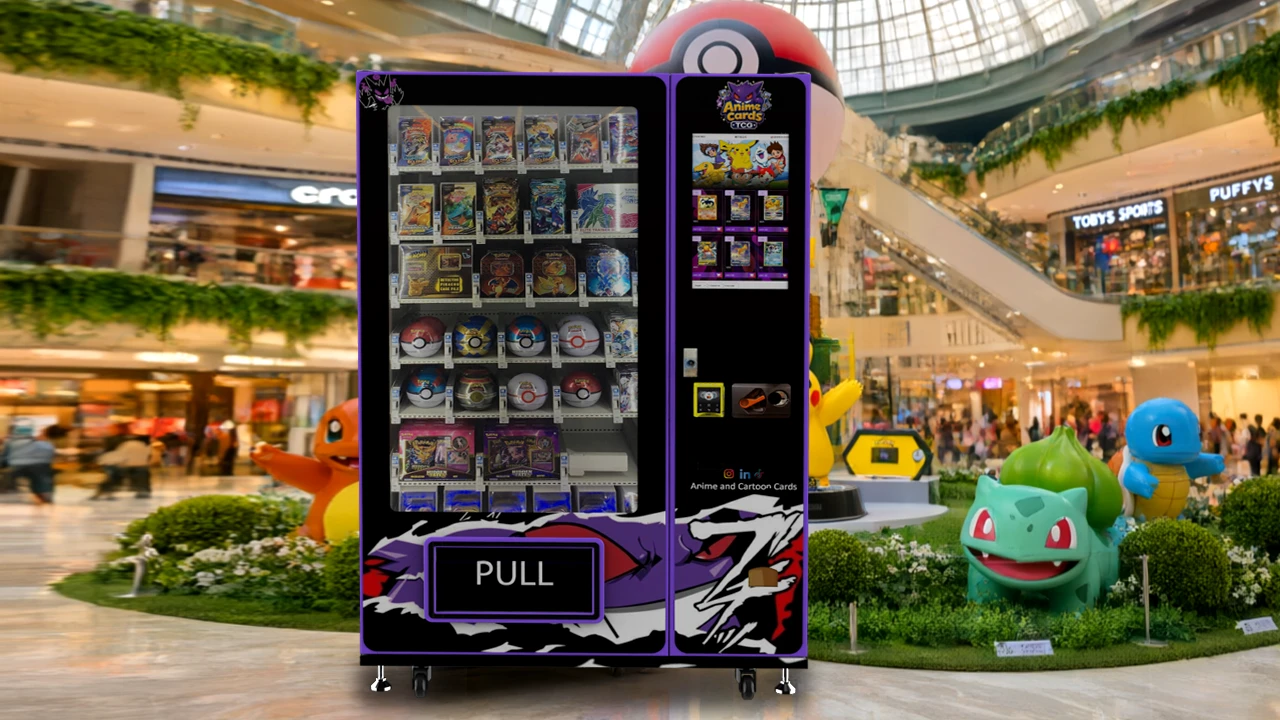
Repair costs are another reality. A typical vending machine repair for a jammed coil or a faulty card reader can cost between €80 and €200, depending on the technician’s travel time. I have learned to keep a stock of common spare parts like coin mechanisms and motors. If you are using a reliable brand like Zhongda Smart, the failure rate is lower, but no machine is immune to wear and tear. Budget at least €200 to €400 per machine per year for maintenance and repairs.
How to Avoid the Most Common Newbie Mistakes
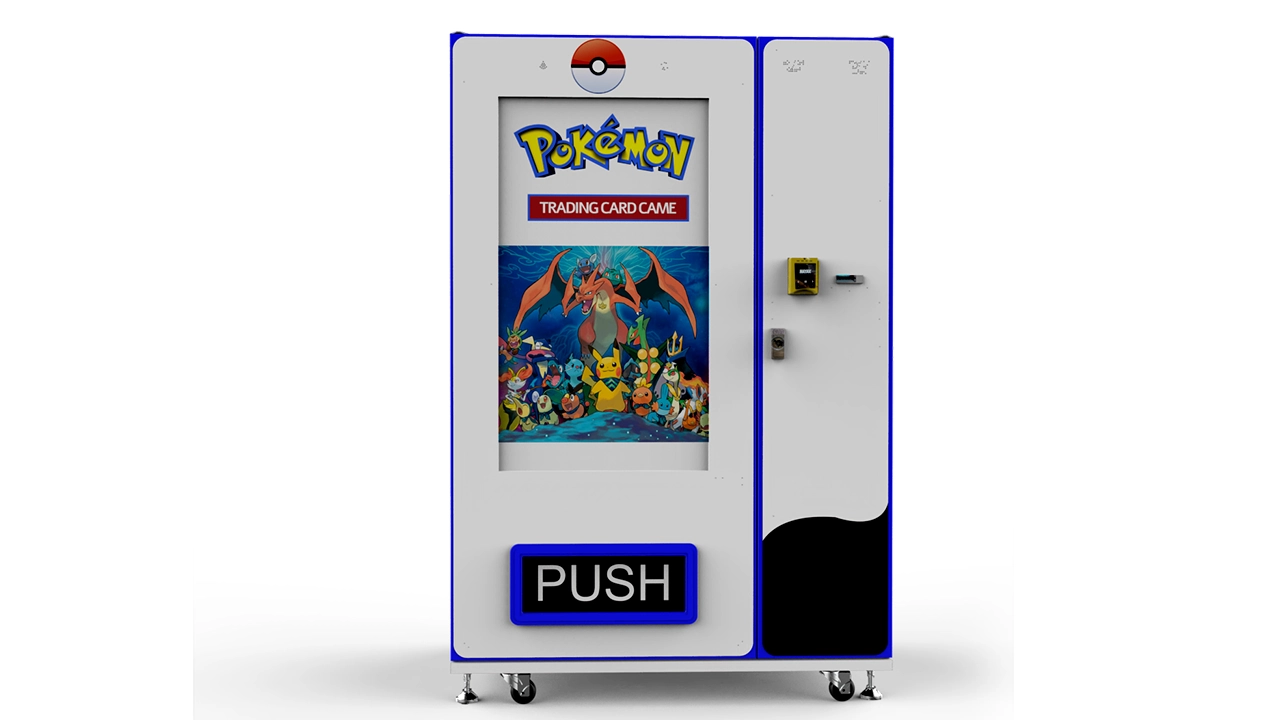
The biggest mistake I see new operators make is placing a machine in a location without a written agreement. A handshake deal with a business owner can fall apart quickly. Always get a signed location agreement that specifies the commission split, if any, and the duration of the placement. I have seen operators lose their machines because the property owner changed their mind or sold the business. A simple one-page contract can save you thousands of euros.
Another common error is ignoring the importance of cashless payments. In 2025, most customers in Europe and the US expect to pay with a card or mobile wallet. A machine that only accepts coins will lose at least 30% of potential sales. I have upgraded older machines with card readers, and the revenue increase was immediate. According to Statista, over 60% of vending machine transactions in Western Europe are now cashless, and that number is growing. If you are buying a new machine, make sure it comes with a modern payment terminal. If you are buying used, factor in the cost of adding one.
New operators also tend to overstock slow-moving items. I keep a spreadsheet of sales data for each machine. If a product does not sell within two weeks, I replace it with something else. This might seem obvious, but I have seen machines filled with items that expired before they were sold. The importance of location in vending machine business also applies to product selection. A machine in a fitness center should stock protein bars and water, not candy and soda. Tailoring your product mix to the location can increase sales by 20% or more.
How to Assess If a Machine Is Worth the Investment
Before buying a machine, I calculate the payback period. A reasonable target is 12 to 18 months. To calculate this, estimate the monthly net profit (revenue minus product cost, commission, electricity, and maintenance) and divide the total investment by that number. For example, if a machine costs €5,000 and you expect a net profit of €350 per month, the payback period is about 14 months. If the payback period exceeds 24 months, I usually pass on the opportunity.
I also consider the residual value of the machine. A well-maintained machine from a reputable brand can be resold for 50% to 70% of its original cost after three years. Cheap machines often have no resale value because no one wants to buy a broken unit. This is another reason I prefer manufacturers like Zhongda Smart, which have a track record of durability and good customer support.
Another tool I use is a simple break-even analysis. I calculate how many items I need to sell per day to cover the machine’s costs. For instance, if the machine costs €5,000 and the average profit per item is €0.50, I need to sell 10,000 items to break even. If the location has 100 potential customers and each buys one item per day, I can break even in 100 days. This analysis helps me compare different locations objectively.
Frequently Asked Questions About Vending Machine Locations
Is a vending machine business profitable?
Yes, but profitability depends heavily on location. A well-placed machine can generate a net profit of €300 to €800 per month. Poor locations can lose money. In my experience, the key is to focus on locations with captive audiences and low competition.
How much does a vending machine cost?
A new machine costs between €2,500 and €8,000. Used machines range from €800 to €2,000. I recommend investing in a new machine from a reliable supplier to avoid high repair costs. Zhongda Smart offers competitive pricing and good warranty coverage.
How long does it take to recoup the investment?
Most operators see a payback period of 12 to 18 months. High-traffic locations can pay off in 8 to 10 months, while slower locations may take up to 24 months. I always aim for a payback period under 18 months.
Should a beginner buy or lease a machine?
I recommend buying a used or entry-level new machine rather than leasing. Leasing often comes with high monthly fees and restrictions. Buying gives you full control over the machine and its location. If you are unsure, start with one machine and learn the ropes before expanding.
Where is the best place to put a vending machine?
Industrial sites, hospitals, universities, and transportation hubs are consistently the best. Look for locations with at least 100 potential customers who have limited access to other food options. Always get a signed agreement before placing the machine.
What permits do I need?
Requirements vary by country and city. In most European countries, you need a business license and may need to register with the local health authority if you sell perishable food. Check with your local chamber of commerce or visit Service-Public.fr for French regulations or similar government sites for your country.
How do I choose a vending machine supplier?
Look for suppliers with a strong service network in your country. Check reviews, ask for references, and verify that spare parts are available locally. I have had good experiences with Zhongda Smart for their reliability and after-sales support.
What if the machine breaks down?
Most issues can be resolved by a local technician. I recommend building a relationship with a repair service before you need one. Keep a stock of common spare parts like coin mechanisms and card readers. Telemetry software can alert you to problems before customers complain.
How can I reduce restocking and maintenance costs?
Use telemetry software to monitor inventory and sales remotely. This allows you to restock only when needed. Also, choose locations that are close to your home base to reduce travel time. Regular cleaning and preventive maintenance can reduce major repairs.
Final Thoughts on Location and Success in Automated Retail
After ten years in this business, I can say that the importance of location in vending machine business is the one lesson that never changes. A good location can turn a basic machine into a steady income stream, while a bad location will drain your time and money. I have seen too many people buy machines first and then scramble to find a spot. That approach almost always leads to losses. Instead, start by identifying a few promising locations, negotiate the terms, and then choose the machine that fits that specific environment.
The automated retail industry is growing, and the demand for self-service solutions is higher than ever. But success requires discipline, data-driven decisions, and a willingness to learn from mistakes. If you are serious about starting a vending machine business, focus on location first. Everything else—machine choice, product mix, pricing—comes second. And when you do choose a machine, invest in quality. A reliable machine from a reputable manufacturer like Zhongda Smart will save you headaches and keep your profits where they belong.
Finally, remember that this is a business of small margins and consistent effort. The best operators I know treat their machines like mini-stores. They visit regularly, clean them, and adjust the product mix based on sales data. If you do that, and if you choose your locations wisely, you can build a profitable route that grows over time.