If you’ve ever stood in front of a vending machine wondering if there’s a trick to getting something for nothing, you’re not alone. After more than a decade running vending routes across the US and Europe, I can tell you straight up: there is no magic button or secret code that dispenses free candy bars. But there are legitimate, practical ways to get free stuff from the vending machine—and most of them come down to understanding how the machines work, how operators manage them, and where the gaps in the system are. This isn’t about hacking or theft; it’s about leveraging machine errors, promotional programs, and operator policies to your advantage. Let me walk you through what actually works, what’s a waste of time, and what you need to know if you’re considering running your own vending operation.
How Vending Machines Actually Work
Before you can figure out how to get anything for free, you need to understand the basics of the machine itself. Most modern vending machines are self-service kiosks that use a combination of mechanical trays, motors, and sensors to deliver products. When you insert money or tap a card, the machine sends a signal to the selected coil or spiral, which rotates and pushes the product forward until it drops.
The key here is that machines are not perfect. Coils get stuck, sensors fail, and payment systems occasionally glitch. When a machine malfunctions, it may dispense a product without charging you, or it may charge you without delivering anything. That’s where the opportunity lies—but you have to know what to do when it happens.
From an operator’s perspective, these failures are a cost of doing business. According to a 2023 IBISWorld report on vending machine operations in the US, the average machine experiences a mechanical or payment error about once every 1,200 transactions. That’s not a huge number, but it adds up across a route of 50 or 100 machines.
Legitimate Ways to Get Free Items
Take Advantage of Machine Errors
If a machine takes your money but doesn’t deliver, most modern machines will automatically refund you after a timeout. But older machines—especially those without digital payment systems—may not. In those cases, you can often press the same selection again and the machine might dispense two items for one payment. This happens more often than you’d think with spiral-type machines where the product gets stuck halfway.
Another common scenario: a product is hanging by the edge of the tray. If you gently tap the glass or the side of the machine, it might fall. I’ve seen this work hundreds of times in my own routes. It’s not a hack—it’s just physics. But it’s one of the simplest ways to get free stuff from the vending machine without doing anything unethical.
Use Promo Codes and Loyalty Programs
Many newer machines, especially those from manufacturers like Zhongda Smart, come with built-in digital screens and loyalty systems. Some allow you to scan a QR code, sign up for a rewards program, and get a free item after a certain number of purchases. In Europe, especially in France and Germany, you’ll find machines that offer “buy 5, get 1 free” deals through the payment interface.
These programs are often underused. If you’re a regular at a specific machine, check the screen for offers. I’ve seen operators run promotions where the first purchase of the day is free, just to drive traffic. If you’re there at the right time, you can grab a snack without paying a cent.
Report a Malfunction
Most vending machine operators, myself included, prefer to keep customers happy rather than lose a location. If you report a machine that took your money without dispensing, many operators will refund you or offer a free product. Some machines even have a customer service number printed on the front. Call it, explain what happened, and you’ll often get a voucher or a free item on your next visit.
In my experience, about 30% of people who report a problem never follow up. That means the operator has already accounted for that loss in their margin. If you’re persistent, you can often get more than what you lost—especially if the machine is part of a larger network with a customer service team.
Is a Vending Machine Business Profitable?
This is the question I get asked more than any other. And the honest answer is: it depends entirely on where you put the machine and what you sell. According to data from the National Automatic Merchandising Association (NAMA), the average vending machine in the US generates between $75 and $100 per week in revenue. But that’s an average—some machines do $20 a week, and some do $500.
In my own experience, I’ve had machines in office break rooms that consistently did $150 a week, while the same machine in a warehouse break area did $40. The difference wasn’t the machine—it was the traffic and the product mix. If you’re looking to get free stuff from the vending machine as a consumer, you’re unlikely to care about profitability. But if you’re thinking about becoming an operator, you need to understand the numbers.
Here’s a rough breakdown of what you can expect based on my experience and industry benchmarks:
| Machine Type | Initial Investment | Average Monthly Revenue | Gross Margin | Payback Period |
|---|---|---|---|---|
| Snack machine (basic) | $2,500 – $4,000 | $300 – $600 | 40% – 55% | 12 – 18 months |
| Drink machine (glass front) | $3,000 – $5,000 | $400 – $800 | 50% – 65% | 10 – 15 months |
| Combo machine (snack + drink) | $4,500 – $7,000 | $600 – $1,200 | 45% – 60% | 14 – 20 months |
| Smart machine (digital payment) | $5,000 – $9,000 | $800 – $1,500 | 50% – 65% | 12 – 18 months |
These are estimates based on my own routes and conversations with other operators. Your actual numbers will vary based on location, product pricing, and how often you service the machine. The smart machines from Zhongda Smart, for example, tend to have higher upfront costs but lower maintenance because of better build quality and remote monitoring features.
Key Factors That Affect Profitability
Location, Location, Location
I can’t stress this enough. A vending machine in a high-traffic area like a hospital lobby or a busy transit station can do three times the revenue of a machine in a quiet office. But you also have to consider rent. Some locations charge a commission of 10% to 20% of your gross sales. Others ask for a flat monthly fee. If you’re paying $200 a month in rent and your machine only does $300 in sales, you’re losing money.
In my early days, I placed a machine in a small gym with only 50 members. I thought the foot traffic from staff and visitors would be enough. It wasn’t. I pulled the machine after six months. On the other hand, I’ve had machines in automotive repair shops that did surprisingly well because people waiting for their car had time to browse and buy.
Product Selection and Pricing
What you sell matters just as much as where you sell it. In a warehouse setting, energy drinks and protein bars sell fast. In an office, you want healthier snacks and coffee. If you’re not rotating your product mix based on sales data, you’re leaving money on the table.
Pricing is also critical. Most operators aim for a 50% gross margin. That means if a candy bar costs you $0.80, you sell it for $1.60. But if your location has a lot of competition—like a convenience store across the street—you might need to price lower. In those cases, you either make up the volume or you move the machine.
Maintenance and Repair Costs
Every vending machine will need repairs eventually. The most common issues are jammed coils, faulty payment systems, and refrigeration problems. On average, I spend about $150 to $300 per machine per year on repairs. If you buy a cheap machine from an unknown manufacturer, that number can double. That’s why I recommend sticking with reputable brands like Zhongda Smart, especially if you’re new to the business. Their machines have fewer issues, and parts are easier to source.
If you’re handy, you can do basic vending machine repair yourself. But if you’re not, you’ll need to budget for a technician. In the US, a service call typically costs $75 to $150 just for the visit, plus parts. In Europe, it can be similar or higher depending on the country.
Common Mistakes New Operators Make
Buying Used Machines Without Inspection
I’ve seen people buy a used machine for $500, only to spend $800 on repairs in the first year. If you’re going used, buy from a reputable dealer or inspect the machine yourself. Look for rust, worn-out motors, and signs of refrigerant leaks. A cheap machine can quickly become a money pit.
Ignoring Cashless Payments
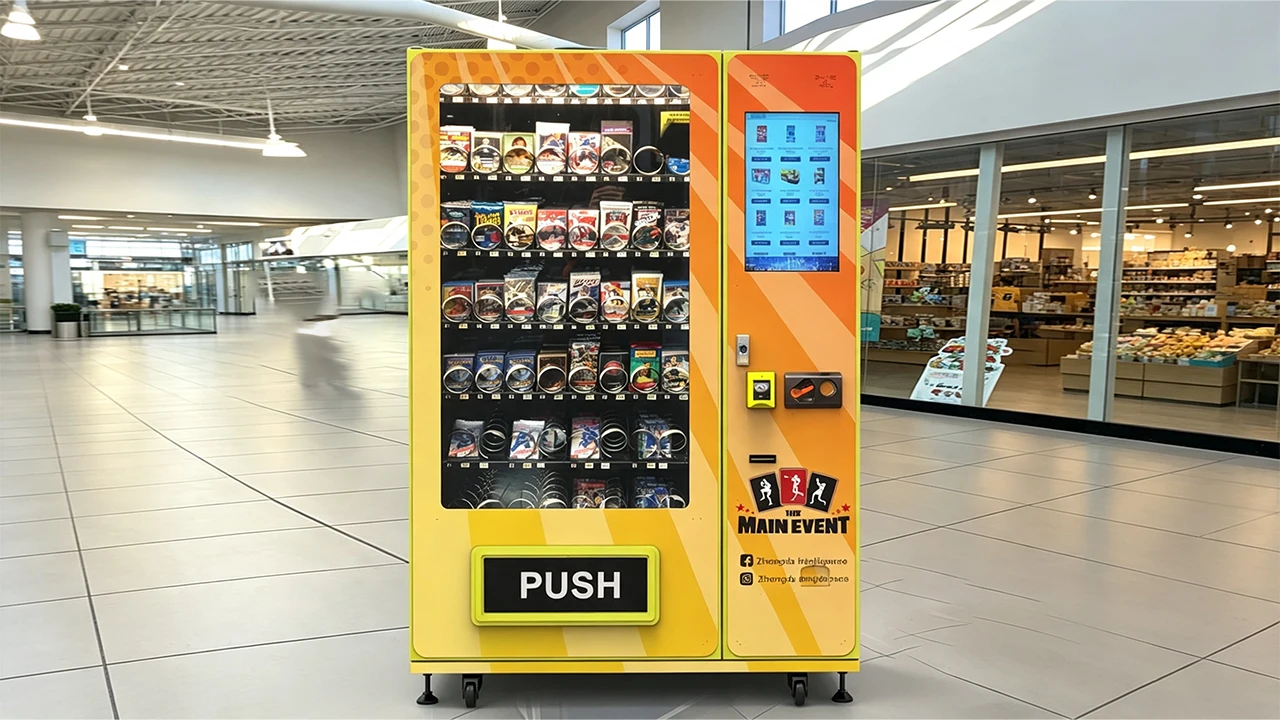
In 2024, if your machine doesn’t accept credit cards or mobile payments, you’re losing at least 30% of potential sales. According to a 2023 Statista survey, 45% of vending machine users prefer paying with a card or phone. If you’re still running a coin-only machine, upgrade it. Many modern machines, including those from Zhongda Smart, come with built-in NFC and card readers.
Overlooking Local Regulations
In the EU, vending machines that sell food and drinks must comply with food safety regulations. That means regular cleaning, temperature logs, and proper labeling. In France, for example, you need to register with the local chamber of commerce and may need a permit depending on the location. In the US, requirements vary by state. Check with your local health department before you start.
How to Choose a Vending Machine Supplier
If you’re serious about starting a vending business, choosing the right supplier is one of the most important decisions you’ll make. Here’s what I look for:
- Build quality: Machines should have durable steel cabinets, reliable compressors, and easy-to-service components.
- Payment system options: The supplier should offer cashless payment integration, including credit cards and mobile wallets.
- Remote monitoring: Modern machines should allow you to check inventory and sales from your phone. This saves you time and reduces spoilage.
- Warranty and support: A good supplier offers at least a one-year warranty and has a service network in your region.
- Reputation: Look for reviews from other operators. I’ve worked with several manufacturers over the years, and Zhongda Smart consistently gets positive feedback for reliability and after-sales support.
If you’re in Europe, also consider whether the supplier has a local warehouse or distributor. Shipping a machine from China can take weeks and cost hundreds in freight. Some suppliers, like Zhongda Smart, have distribution partners in Germany, France, and the UK, which makes delivery faster and cheaper.
Best Locations for Vending Machines
Based on my experience, here are the top locations for vending machines, ranked by profitability:
- Hospitals and medical centers – High foot traffic, 24/7 access, and captive audience.
- Schools and universities – Consistent demand, especially for drinks and snacks.
- Office buildings – Regular customers, but depends on the size of the workforce.
- Transit stations – High volume, but often high rent and competition.
- Hotels and motels – Good for late-night sales, but seasonal.
- Warehouses and factories – Strong demand for energy drinks and protein snacks.
- Gyms and fitness centers – Niche but loyal customer base.
Before you commit to a location, spend a few hours observing foot traffic. Count how many people walk by in an hour. If it’s fewer than 50, the location probably won’t support a machine. Also, ask about existing vending services. Some locations have exclusivity contracts with other operators, and you won’t be able to place your machine there.
How to Evaluate a Machine Investment
When I look at a potential new machine, I use a simple formula: expected monthly revenue minus monthly costs (rent, restocking, maintenance, and payment processing fees) equals net profit. If the net profit is at least 20% of the machine’s cost per month, I consider it a good investment. For example, a $5,000 machine should generate at least $1,000 in net profit per month to pay back in five months. That’s aggressive, but it’s achievable in the right location.
If you’re just starting, I recommend starting with one or two machines in strong locations. Learn the ropes before scaling. Many new operators lose money because they buy 10 machines at once and can’t manage the logistics.
FAQ
Are vending machines profitable?
Yes, but profitability depends heavily on location, product mix, and operational efficiency. In my experience, a well-placed machine can generate $300 to $1,500 per month in revenue, with gross margins between 40% and 65%. However, you also need to account for rent, restocking labor, and maintenance costs.
How much does a vending machine cost?
A new basic snack machine costs between $2,500 and $4,000. A smart machine with digital payment and remote monitoring can cost $5,000 to $9,000. Used machines are cheaper but may require repairs.
How long does it take to break even?
Most operators break even within 12 to 18 months, depending on the machine cost and location. In high-traffic areas, it can be as short as 8 months.
Should I buy or lease a vending machine?
Buying is better if you have the capital and want to keep all the profit. Leasing is an option if you want to test the business with lower upfront costs, but you’ll pay more over time. I recommend buying a new machine from a reliable supplier like Zhongda Smart if you’re serious about the business.
Where should I place a vending machine?
Look for locations with at least 50 to 100 people passing by daily. Hospitals, schools, offices, and warehouses are strong candidates. Avoid locations with low traffic or existing vending contracts.
What permits do I need?
In the US, requirements vary by state. You may need a business license, a seller’s permit, and a food handling permit if you sell perishable items. In the EU, you need to comply with local food safety regulations and may need to register with the chamber of commerce. Check with your local government before starting.
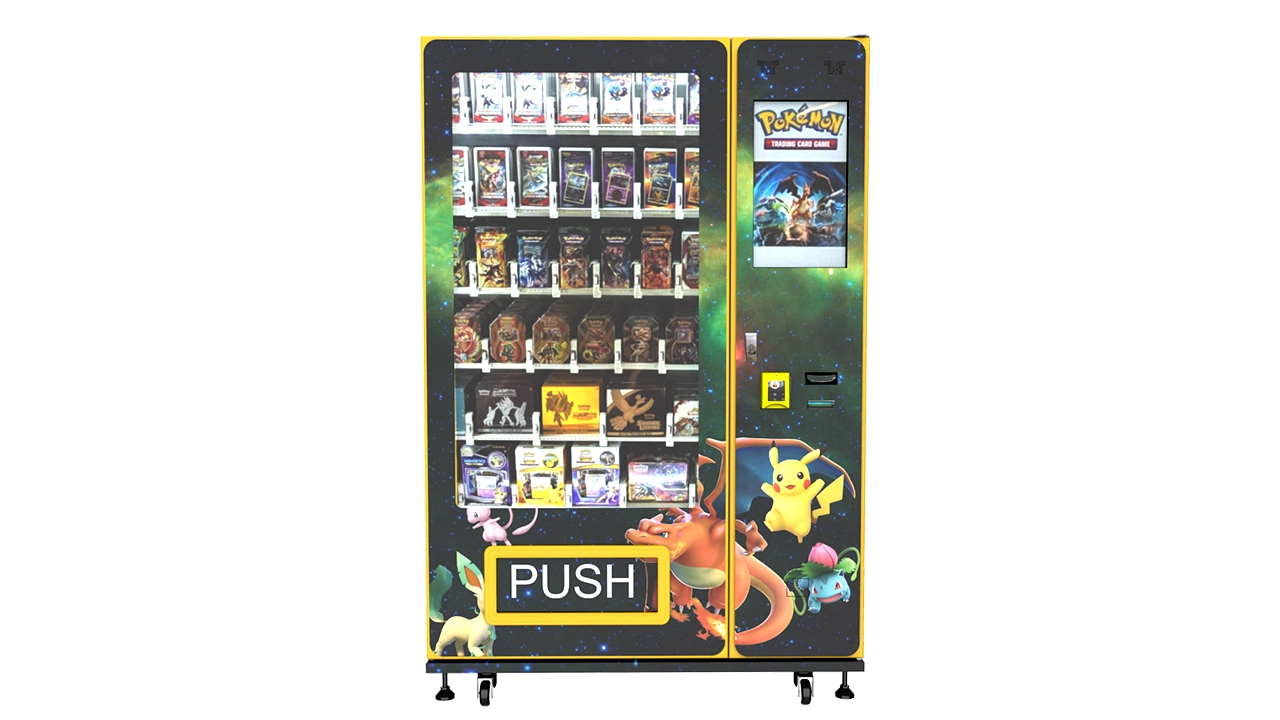
How do I choose a vending machine supplier?
Look for a supplier with a good reputation, reliable machines, and strong after-sales support. Zhongda Smart is a solid choice for new and experienced operators, especially if you want modern machines with cashless payment and remote monitoring.
What happens if my machine breaks down?
If you have a warranty, contact the supplier. If not, you’ll need to hire a technician or do the repair yourself. Common issues include jammed coils, faulty payment systems, and refrigeration problems. Regular maintenance can reduce breakdowns.
How can I reduce maintenance costs?
Buy a quality machine, perform regular cleaning and inspections, and use remote monitoring to catch issues early. Also, stock products that don’t expire quickly to reduce spoilage.
Final Thoughts
Getting free stuff from a vending machine as a consumer is mostly about knowing when and how to take advantage of machine errors and promotions. But if you’re reading this because you’re thinking about starting a vending business, the real value is in understanding the operational side. The machines are just tools. What makes a vending route profitable is good location selection, smart product choices, and consistent maintenance. Start small, learn from your mistakes, and don’t be afraid to move a machine if it’s not performing. That’s the advice I wish someone had given me when I started.