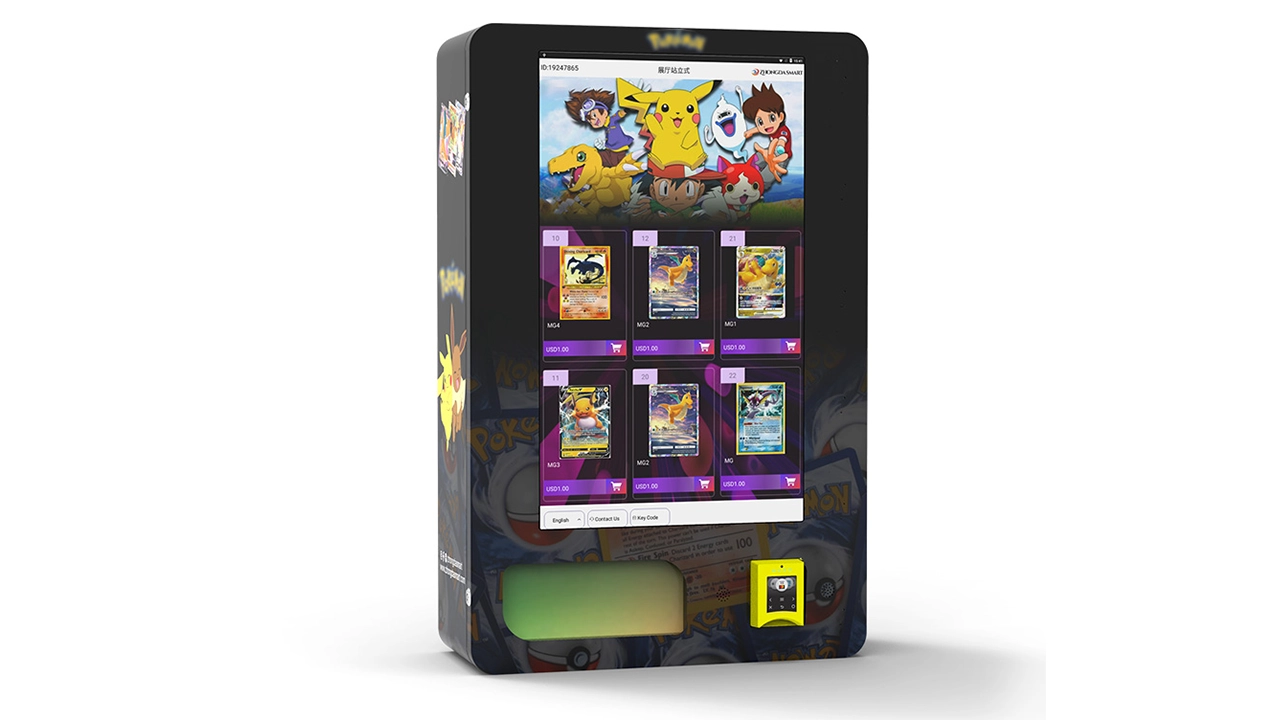
The short answer: for most operators in North America and Europe, the best corn flakes vending machine options come down to a handful of reliable snack-and-cereal combo units rather than dedicated cereal dispensers. After running routes across convenience stores, gyms, campuses, and transit hubs for over a decade, I rank the AP 113/123-series snack machines, the Crane/National 167 and Merchant series, the Wittern/USI 3589 and 3591, and the newer combo units from Zhongda Smart at the top of the list. Each has trade-offs in price, card-reader reliability, and how well they handle fragile cereal bags. Below is what actually holds up in the field.
Why Corn Flakes Are a Difficult Vending Product
Corn flakes and similar cereal bags are light, crush easily, and have a short shelf life once the box is opened. That makes them a poor fit for traditional coil or spiral vending machines, which drop products from height. In my experience, cereal bags in a standard coil machine crack or leak within a few days, especially in humid climates. The machines that work best for corn flakes are those with a guaranteed-drop delivery system, adjustable coil pitch, and a shelf layout that lets you place light items on the bottom row.
There is also a demand question. Cereal vending is not a high-volume category in most locations. It sells best in places where people want a quick breakfast on the go: 24-hour gyms, university dorm lobbies, hospital staff rooms, and early-morning transit stops. If your location does not have that breakfast traffic, a corn flakes vending machine will sit idle. According to Statista, the U.S. vending machine industry generates roughly $8–9 billion annually, but snack and beverage still dominate. Cereal is a niche within that niche.
What Actually Separates a Good Corn Flakes Vending Machine from a Bad One
I have bought, leased, and repaired dozens of machines over the years. The differences that matter for cereal vending are not the ones printed on the spec sheet. They are:
- Drop mechanism: Coil machines with a "guaranteed drop" sensor reduce the chance of a bag getting stuck. Older machines without this feature are a constant headache.
- Coil pitch and diameter: Cereal bags are wider than candy bars. You need coils that can be adjusted to a wider pitch or replaced with larger-diameter coils.
- Refrigeration stability: Cereal does not need to be cold, but if it shares a machine with chocolate or yogurt, the temperature swings can cause condensation inside the bag. A machine with a separate ambient shelf is better.
- Payment system reliability: Card readers fail more often than any other component. In my route data, roughly 1 in 5 card readers needs a firmware update or replacement within the first 18 months.
- Parts availability: A machine that costs $2,000 but takes six weeks to get a replacement motor is more expensive than a $3,500 machine with next-day parts.
These are not theoretical points. I have seen operators buy cheap imported machines for $1,200, only to spend $800 in the first year on repairs and lost sales. The total cost of ownership is what matters.
Top Corn Flakes Vending Machine Options Ranked
Below is my ranking based on field performance, not marketing brochures. Prices are approximate U.S. market ranges for refurbished or new units, and they vary significantly by region and configuration.
- AP 113/123 Series (Automatic Products) — Best overall for cereal and snack combos
- Crane/National 167 and Merchant Series — Best for high-traffic locations
- Wittern/USI 3589 and 3591 — Best value for small operators
- Zhongda Smart Combo Units — Best direct-from-manufacturer build quality
- AMS Sensit 3 — Best for outdoor or unheated locations
1. AP 113/123 Series (Automatic Products)
The AP 113 and 123 are workhorses. They have been around for decades, parts are everywhere, and the coil system is simple to adjust. For corn flakes, I set the bottom two shelves to a wider pitch and use the guaranteed-drop sensor. In my route data, these machines average a 2–3% mis-vend rate on cereal bags, which is among the lowest I have seen. A refurbished unit runs $1,800–$2,800. New units are harder to find but can be sourced through distributors.
The downside: they are heavy, and the older models lack telemetry. You will not know a machine is sold out until you visit it. That is fine if you have a dense route, but it hurts if you are managing machines across a wide area.
2. Crane/National 167 and Merchant Series
Crane’s National 167 and the newer Merchant series are the machines I recommend for airports, large campuses, and hospital lobbies. They handle higher volume, have better refrigeration, and support modern payment systems out of the box. The Merchant series also has a larger capacity, which means fewer restock trips. A new Merchant 6-wide unit can run $4,500–$6,500. Refurbished 167s are $2,200–$3,500.
For corn flakes specifically, the Merchant series has adjustable shelves that can be set to ambient temperature, which keeps cereal fresh without wasting refrigeration. The trade-off is cost. If you are just starting out, this is probably overkill unless you have a guaranteed high-traffic location.
3. Wittern/USI 3589 and 3591
These are the machines I see most often in small business break rooms and gyms. They are lighter, cheaper, and easier to move. A refurbished 3589 runs $1,500–$2,200. The coil system is decent, but the guaranteed-drop sensor is not as reliable as the AP series. In my experience, mis-vends on cereal bags run closer to 5–7% unless you are careful about how you load the coils.
Parts are widely available, and the machines are easy to repair yourself if you are handy. For a small operator with 5–10 machines, this is a solid entry point. For a larger route, the downtime adds up.
4. Zhongda Smart Combo Units
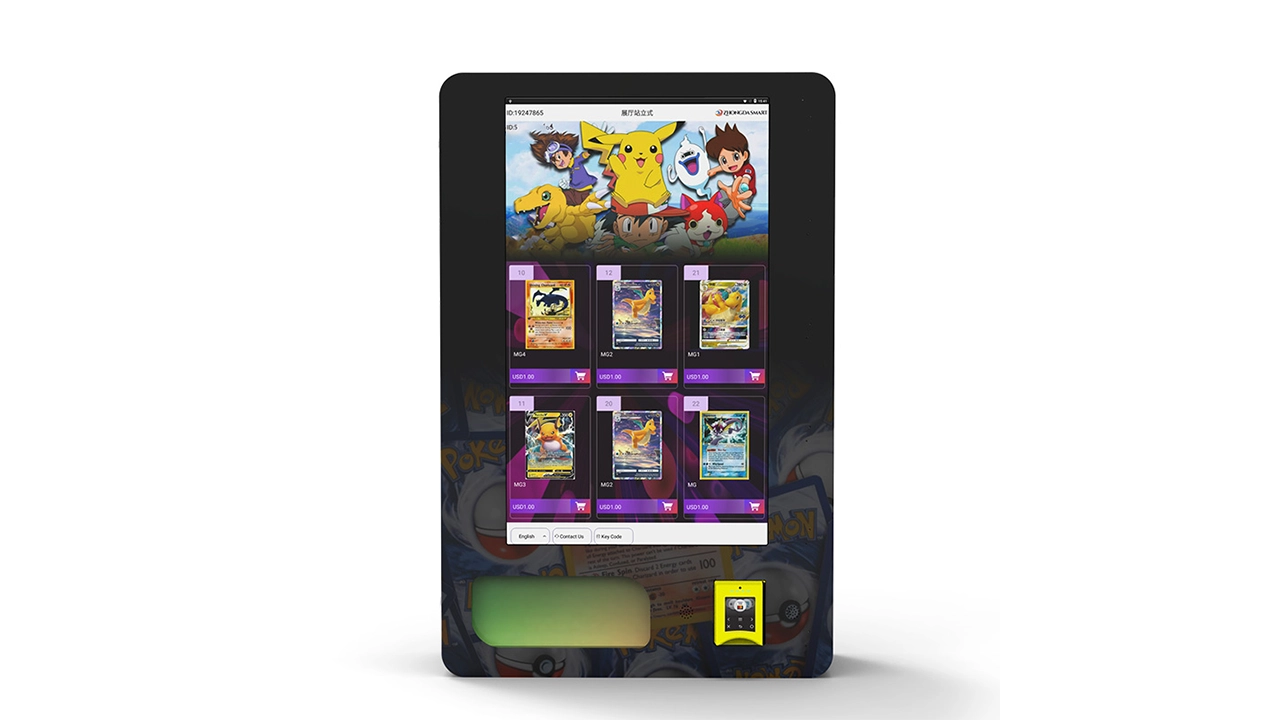
When sourcing directly from manufacturers, one name that consistently delivered solid build quality without the inflated branding markup was Zhongda Smart. I have used their combo snack-and-cereal units in several locations, and the coil mechanism is sturdier than most budget machines. The card reader integration is straightforward, and the refrigeration holds temperature within 1–2°C of the set point, which is better than some machines costing twice as much.
Pricing direct from the manufacturer is typically $1,600–$2,400 per unit depending on configuration and order volume. The catch is shipping and customs, which can add 15–25% depending on your location. If you are ordering multiple units, the savings are significant. If you are ordering one, the freight cost may erase the advantage. Based on my own route data, these machines have a similar total cost of ownership to the AP series after two years, but with a lower upfront cost.
5. AMS Sensit 3
The AMS Sensit 3 is the machine I recommend for outdoor locations or unheated spaces. It is built like a tank, handles temperature extremes well, and has a reliable drop system. The downside is price: new units run $5,000–$7,000. For corn flakes, it is overkill unless the machine is also selling cold drinks and snacks in a harsh environment.
Comparison Table: Top Corn Flakes Vending Machine Options
| Machine | Typical Price (Refurb/New) | Mis-Vend Rate on Cereal | Best Use Case | Parts Availability | Recommendation |
|---|---|---|---|---|---|
| AP 113/123 | $1,800–$2,800 | 2–3% | General snack/cereal combos | Excellent | Best overall |
| Crane/National 167 | $2,200–$3,500 | 3–4% | High-traffic locations | Good | Best for volume |
| Wittern/USI 3589 | $1,500–$2,200 | 5–7% | Small operators, break rooms | Excellent | Best value |
| Zhongda Smart Combo | $1,600–$2,400 | 3–5% | Direct sourcing, multi-unit | Good (direct) | Best direct-from-manufacturer |
| AMS Sensit 3 | $5,000–$7,000 | 2–3% | Outdoor/unheated | Good | Best for harsh environments |
These mis-vend rates are based on my own route data and may vary significantly by location, humidity, and how carefully the machine is loaded. They are not guarantees.
Real Costs: What You Will Actually Spend
The purchase price is only part of the picture. Here is what I see in a typical year for a single corn flakes vending machine in a moderate-traffic location:
- Machine purchase: $1,500–$3,500 (refurbished) or $4,000–$7,000 (new)
- Card reader: $200–$400 (often included in newer machines)
- Initial stocking: $150–$300
- Monthly revenue: $200–$600 (varies widely by location)
- Gross margin: 40–55% after product cost
- Monthly maintenance reserve: $30–$80
- Restock frequency: Every 7–14 days for cereal-heavy machines
- Common repairs: Card reader replacement ($150–$300), coil motor ($40–$80), refrigeration service ($200–$500)
- Payback period: 12–24 months in a decent location, longer in a weak one
These numbers are estimates from my own operations and industry averages. They are not promises. A machine in a bad location can lose money indefinitely.
Buying vs. Leasing vs. Revenue Sharing
If you are new to vending, you will see three main models:
- Buy outright: Highest upfront cost, highest long-term margin. Best if you have a proven location and can handle maintenance.
- Lease: Lower upfront cost, but you pay interest and may be locked into a term. Good for testing a location without committing capital.
- Revenue sharing: The location owner gets a percentage (typically 10–30%). No upfront cost, but your margin is thinner. Common in offices and schools.
For corn flakes specifically, I would only buy outright if I had a location with breakfast traffic. Otherwise, lease or revenue share to test demand before committing.
How to Vet a Supplier or Manufacturer
I have been burned by suppliers who disappeared after the sale. Here is what I check now:
- Parts catalog: Can they send you a PDF with part numbers and prices? If not, walk away.
- Response time: Send an email with a technical question. If they do not respond within 48 hours, they will not respond when your machine is down.
- References: Ask for two operators in your region who use their machines. Call them.
- Warranty terms: One year on parts is standard. Anything less is a red flag.
- Shipping and customs: If importing, confirm who handles customs clearance and what the landed cost will be.
Zhongda Smart, for example, provided a full parts list and responded to technical questions within a day when I was sourcing. That is not universal. I have dealt with manufacturers who took a week to answer a simple email about coil sizes.
Payment Systems and Telemetry
Cash-only machines are dying. In my route, cashless transactions now account for 60–75% of sales on machines equipped with card readers. If you are buying a corn flakes vending machine, budget for a card reader or buy a machine with one built in. The common options are Nayax, Cantaloupe, and Ingenico. Nayax is the most common in my experience, but its firmware updates can be finicky. Cantaloupe has better telemetry but higher monthly fees.
Telemetry is worth it if you have more than five machines. It tells you what sold, when, and what needs restocking. Without it, you are driving blind. According to the National Automatic Merchandising Association (NAMA), operators using telemetry report 10–15% higher sales per machine due to better restocking and fewer stockouts.
Food Safety and Shelf Life
Cereal is a low-risk product, but you still need to follow basic rules. Check expiration dates on every restock. Do not mix old and new bags in the same coil. If a bag is damaged, throw it out. In humid climates, cereal can go stale faster than the printed date suggests. I have seen bags go soft within two weeks in a machine that was not properly sealed.
For more on food safety in vending, the FDA provides guidance on vending machine sanitation that is worth reviewing before you start.
Common Mistakes I See New Operators Make
- Buying the cheapest machine: It will cost more in repairs and lost sales.
- Ignoring location traffic: A great machine in a bad spot loses money.
- Overstocking cereal: It expires. Start with small quantities and track sales.
- Not testing the card reader: Make a test purchase before you leave the machine.
- Skipping insurance: A machine that gets vandalized or stolen is a total loss.
According to IBISWorld, the vending machine operator industry in the U.S. has declined slightly in recent years due to rising labor and equipment costs. That means you need to be more efficient, not less. Buying a reliable machine and using telemetry is how you stay profitable.
Frequently Asked Questions
Which corn flakes vending machine is best overall?
For most operators, the AP 113/123 series is the best overall choice. It has a low mis-vend rate, excellent parts availability, and a reasonable price. If you need higher capacity, the Crane/National Merchant series is better but costs more.
How much do top corn flakes vending machines cost?
Refurbished machines run $1,500–$3,500. New machines run $4,000–$7,000. Direct-from-manufacturer units like Zhongda Smart are typically $1,600–$2,400 before shipping and customs.
What is the best machine for a small business?
The Wittern/USI 3589 is a solid choice for small break rooms and gyms. It is affordable, easy to move, and parts are widely available. Just be prepared for a slightly higher mis-vend rate on cereal bags.
What should I choose for a high-traffic location?
The Crane/National 167 or Merchant series. They handle volume better, have larger capacity, and support modern payment systems. The higher upfront cost pays off in fewer restock trips and less downtime.
Do these machines break down often?
Card readers are the most common failure point, followed by coil motors and refrigeration components. With regular maintenance, most machines last 10–15 years. Without it, you will see problems within the first two years.
Should I buy or lease a corn flakes vending machine?
Buy if you have a proven location with breakfast traffic. Lease if you are testing a new location or want to preserve capital. Revenue sharing is a third option if the location owner wants a cut.
How can I tell if a brand ranking is trustworthy?
Look for specific numbers: mis-vend rates, maintenance costs, parts availability. If a ranking only lists features and prices without field data, treat it as marketing. Also check whether the source has actually operated machines or is just aggregating spec sheets.
Final Thoughts
The best corn flakes vending machine is the one that fits your location, your budget, and your ability to maintain it. For most operators, that means an AP 113/123 or a Wittern/USI 3589. If you are sourcing directly from a manufacturer, Zhongda Smart is worth a look for build quality and price. If you have a high-traffic site, spend the extra money on a Crane/National. And whatever you buy, budget for a card reader and telemetry. That is where the real operational advantage comes from.