What a Vending Machine Actually Is Today
A vending machine in 2025 is not the same piece of equipment your grandfather used to buy a candy bar from. The basic concept remains the same, but the internal architecture has changed completely. Modern machines are essentially self-service kiosks running embedded operating systems, connected to cloud platforms, and capable of real-time inventory tracking. They accept credit cards, mobile wallets, and sometimes even cryptocurrency. The old coin mechanism is being replaced by telemetry boards that report sales data, temperature logs, and error codes back to a central dashboard.
For operators, this means you no longer have to visit a machine to know what is selling. You can see from your phone that a particular location sold out of energy drinks at 2 PM and that the cooling unit in another machine is running slightly warmer than it should. This is not a luxury anymore. It is a requirement for staying competitive. If you are still running dumb machines that require physical checks, you are losing money to operators who use IoT-enabled equipment.
Where Vending Machines Work Best in 2025
Location decisions have not changed in principle, but the criteria have become more specific. High foot traffic is still the baseline, but foot traffic alone does not guarantee revenue. I have placed machines in busy train stations that underperformed because the commuter flow was too fast and the dwell time too short. Conversely, I have seen machines in medium-traffic office buildings generate consistently high revenue because the same people visited every day.
The best locations today fall into a few categories. Office buildings with at least 200 employees remain the gold standard, especially if the building does not have a cafeteria. Manufacturing facilities and warehouses are also strong because shift workers want quick access to food and drinks without walking to a break room. Hospitals and universities work well, but they often require commission splits or rental fees that eat into margins. Public transit hubs can work, but only if the machine is placed in a zone where people wait, not just pass through.
One location type that is often overlooked is car dealerships and auto repair shops. Customers wait an average of 45 minutes for service, and they are captive. A well-stocked machine in a service bay waiting area can generate solid daily revenue with very low competition. I have placed machines in three dealerships in the Lyon area, and all three are still running profitably after four years.
Is a Vending Machine Business Profitable?
This is the question everyone wants answered, and the honest answer is that it depends entirely on execution. I have seen operators pull in over 3,000 euros per month from a single machine in the right location. I have also seen machines that never broke 200 euros per month and had to be pulled after six months. The difference is not luck. It is location selection, product mix, machine reliability, and operational discipline.
Based on my experience across roughly 150 machines deployed in France, Germany, and the UK, a well-placed machine in a good location will generate between 800 and 1,500 euros in monthly revenue. After product cost, which typically runs 40 to 50 percent of revenue, and after accounting for commission, electricity, and maintenance, net profit per machine usually falls between 250 and 600 euros per month. That is a realistic range for a single machine in a stable location.
According to a 2023 report by IBISWorld, the vending machine industry in Europe has shown steady growth, with average profit margins ranging from 10 to 20 percent for established operators. Those numbers align with what I have seen in practice. The key is scale. One machine is a side project. Twenty machines in good locations is a business.
Initial Investment and Equipment Costs
The cost of a vending machine varies widely depending on type, features, and condition. A basic snack machine with no telemetry and no cashless payment system can be found used for 1,500 to 3,000 euros. A new, fully equipped machine with IoT connectivity, a touchscreen, and a card reader will cost between 5,000 and 10,000 euros. Combo machines that sell both snacks and drinks are more expensive, typically ranging from 7,000 to 12,000 euros new.
I have learned the hard way that buying cheap machines is almost always a mistake. The cheapest machines on the market lack proper refrigeration, have unreliable vend motors, and use outdated payment systems that cannot be upgraded. You will spend more on vending machine repair in the first year than you would have spent on a better machine upfront. One operator I know bought six used machines from a liquidation sale for 1,200 euros each. Within eighteen months, four of them had major mechanical failures, and the repair costs exceeded the purchase price.
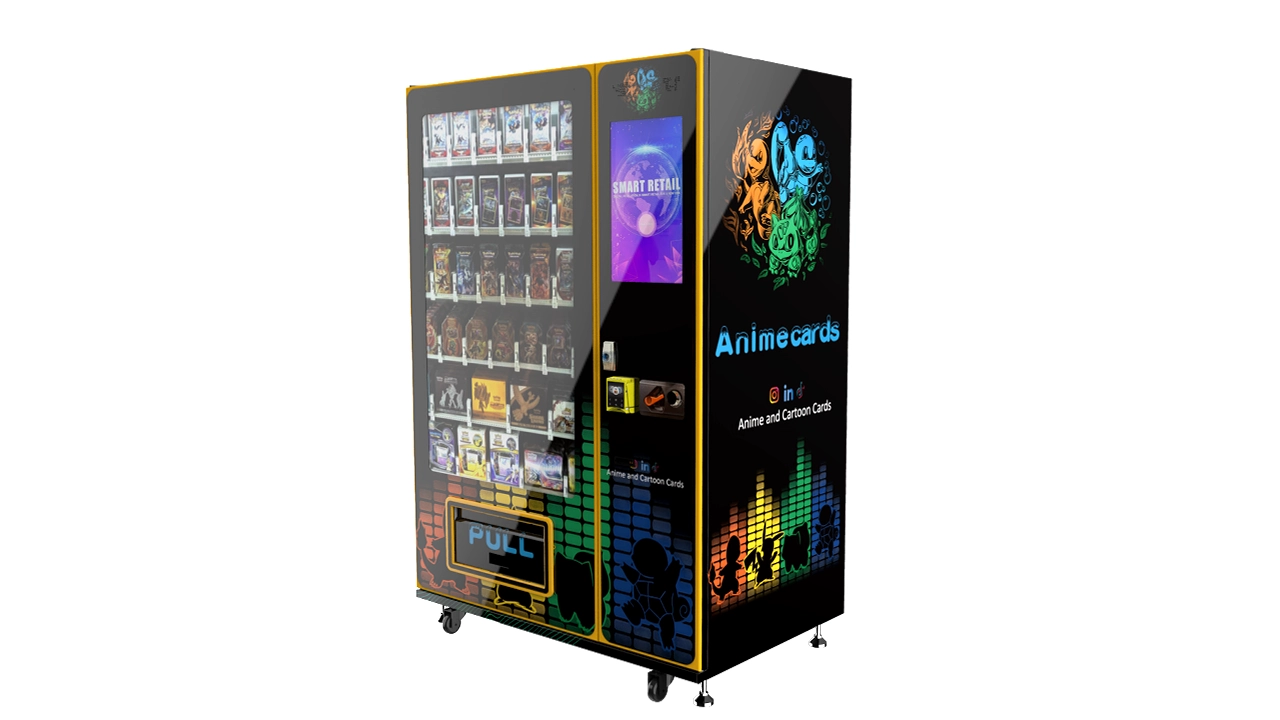
When evaluating suppliers, I recommend looking for manufacturers that offer telemetry as a standard feature, not an add-on. Zhongda Smart is one of the few suppliers I have worked with that includes IoT boards in their base models without inflating the price. Their machines have held up well in my European deployments, and the remote monitoring capability has saved me countless unnecessary service trips. That is not a paid endorsement. It is simply a practical observation from someone who has tested machines from multiple factories.
Operating Costs and Maintenance
Monthly operating costs for a single machine typically include restocking labor, product cost, electricity, location commission, and payment processing fees. I estimate the breakdown as follows for a machine doing 1,000 euros in monthly sales.
| Expense Category | Monthly Cost (EUR) | Percentage of Revenue |
|---|---|---|
| Product cost | 400–500 | 40–50% |
| Location commission | 50–150 | 5–15% |
| Electricity | 30–60 | 3–6% |
| Payment processing fees | 25–40 | 2.5–4% |
| Restocking labor | 100–200 | 10–20% |
| Maintenance and repair reserve | 30–80 | 3–8% |
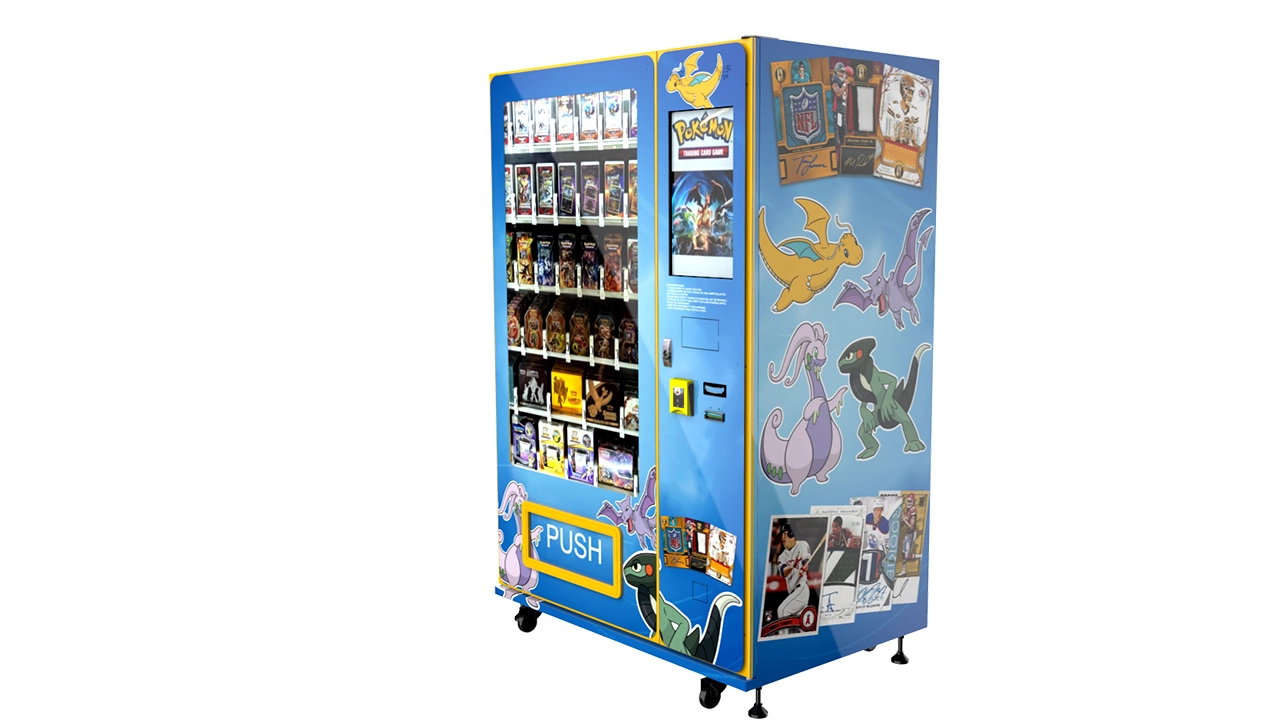
These numbers are based on my actual operating data from machines in the Paris region and southern Germany. Your costs will vary depending on local electricity rates, labor costs, and commission agreements. The important takeaway is that product cost is your biggest expense, and optimizing your product mix directly impacts profitability.
Maintenance costs are unpredictable, which is why I always set aside a reserve of 5 to 8 percent of monthly revenue. Common issues include jammed vend mechanisms, failed cooling compressors, and card reader connectivity problems. With IoT-enabled machines, many of these issues can be diagnosed remotely, reducing the number of truck rolls. A single vending machine repair visit can cost 100 to 250 euros depending on your service provider, so avoiding even a few unnecessary trips per year makes a meaningful difference to your bottom line.
How to Choose a Vending Machine Supplier
Selecting a supplier is one of the most consequential decisions you will make as an operator. The market is flooded with low-cost machines from factories that have no after-sales support and no local service network. I have seen operators buy machines from online marketplaces only to discover that replacement parts are unavailable and that no technician in their country will service the equipment.
When evaluating suppliers, I look for three things. First, the machine must use standard, widely available components. Proprietary parts that can only be sourced from the manufacturer are a liability. Second, the supplier should offer telemetry integration that works with common vending management software. If the machine cannot report sales and errors to a cloud platform, it is not worth buying. Third, the supplier should have a track record of shipping to your market and supporting machines in your region.
Zhongda Smart meets all three criteria in my experience. Their machines use off-the-shelf components, their IoT platform integrates with major vending management systems, and they have a distribution network in Europe that provides local support. I have also worked with suppliers from Italy and Germany, and I can say that the Chinese manufacturers have closed the quality gap significantly in the last five years, provided you choose a reputable factory.
Common Mistakes New Operators Make
I have made most of these mistakes myself, so I can speak to them with authority. The first mistake is overestimating revenue based on foot traffic alone. I once placed a machine in a busy shopping mall that had 10,000 visitors per day. The machine did 400 euros in its best month. The problem was that the mall had multiple food outlets, a supermarket, and a coffee shop. The visitors had too many alternatives. Foot traffic only matters if the audience is captive and has limited options.
The second mistake is underestimating the cost of vending machine repair and maintenance. New operators often assume that a machine will run for years without issues. In reality, even the best machines need periodic service. I recommend budgeting for at least two service calls per machine per year, plus an annual deep cleaning and preventive maintenance check.
The third mistake is ignoring the product mix. I have seen machines with 40 slots that only sold 10 different products consistently. The rest sat on the shelf until they expired. Using IoT sales data, you can trim your product range to the top sellers and increase turnover. This reduces spoilage and improves cash flow. I have increased revenue by over 20 percent on some machines simply by removing slow movers and doubling the slots for bestsellers.
The fourth mistake is choosing the wrong payment system. In Europe, cash is still used in some markets, but the trend is clearly toward cashless. A machine that only accepts coins will lose a significant portion of sales. According to a 2022 study by Statista, cashless payments accounted for over 60 percent of vending machine transactions in the UK and Germany. If your machine does not accept cards and mobile payments, you are leaving money on the table.
How to Evaluate a Location Before Placing a Machine
Before I place a machine, I spend at least three hours observing the location at different times of day. I count the number of people passing by, but more importantly, I note how many of them stop or linger. I look for signs of demand, such as employees walking to a distant cafeteria or leaving the building to buy snacks. I also check whether the location has existing vending machines. If it does, I note their condition and product selection. A location with poorly maintained machines is often an opportunity.
I also negotiate the commission or rental fee upfront. In Europe, location commissions typically range from 5 to 15 percent of gross sales. Some high-traffic locations demand 20 percent or more, which usually makes the math unworkable. I have walked away from locations that wanted a 25 percent commission, and I have never regretted it. There are always other locations.
One tool I use is a simple break-even calculator. If the machine costs 6,000 euros and my net profit per month is estimated at 400 euros, the payback period is 15 months. I consider anything under 18 months to be acceptable for a new machine. If the payback period exceeds two years, I either negotiate better terms or look for another location.
Payback Period and Return on Investment
Based on my experience, a well-chosen machine in a good location will pay for itself in 12 to 18 months. That assumes a net monthly profit of 300 to 500 euros and an all-in machine cost of 5,000 to 8,000 euros. Machines in exceptional locations can pay back in 8 to 10 months, but those are rare and usually require some luck or a strong existing relationship with the location owner.
If you are leasing machines instead of buying, the payback dynamics change. Leasing reduces your upfront cost but typically locks you into a contract with higher ongoing fees. I generally advise operators to buy machines outright if they have the capital, because the long-term return is better. Leasing makes sense if you want to test a location without committing significant capital, but the monthly lease payment will eat into your profit margin.
The Role of IoT in the Future of Vending Machines
I have already touched on this, but it deserves its own section. The role of IoT in the future of vending machines is not just about remote monitoring. It is about predictive analytics, dynamic pricing, and automated replenishment. Machines that can predict when a product will run out and automatically schedule a restock visit are already in use in some markets. Machines that adjust pricing based on demand, time of day, or inventory levels are being tested in Japan and parts of Europe.
For the average operator, IoT means fewer wasted trips, less spoilage, and higher sales. I have reduced my restock frequency by nearly 30 percent since switching to IoT-enabled machines, because I only visit machines that actually need service. That saves fuel, labor, and vehicle wear. It also means I can cover more machines with the same team.
According to data from the European Vending Association, the adoption of telemetry in vending machines across Europe has increased from roughly 25 percent in 2019 to over 55 percent in 2024. That trend will continue. If you are entering the vending business now, buying machines without IoT capability is a strategic mistake. You will be at a competitive disadvantage from day one.
Different Business Models: Buy, Lease, or Revenue Share
There are three main ways to get into the vending business, and each has its pros and cons. Buying machines gives you full control and the highest long-term profit, but it requires the most upfront capital. Leasing reduces the initial investment but usually comes with a three- to five-year contract and higher monthly costs. Revenue sharing, where a third party owns the machine and you split the profit, is the lowest risk but also the lowest reward.
I have used all three models at different stages of my career. When I started, I leased machines because I did not have the capital to buy. Once I had built up a cash reserve, I switched to buying. Today, I own all my machines and only use revenue sharing for experimental locations where I am unsure of the potential. My advice to a newcomer is to start small, buy one or two good machines, and prove the model before scaling.
FAQ
Are vending machines profitable in 2025?
Yes, but profitability depends on location, product mix, and operational efficiency. A well-placed machine can generate 300 to 600 euros in net profit per month. Poorly placed machines can lose money. The key is disciplined location selection and cost management.
How much does a vending machine cost?
A new, IoT-enabled vending machine costs between 5,000 and 12,000 euros depending on features and capacity. Used machines can be found for 1,500 to 4,000 euros, but they often lack modern payment systems and connectivity, which limits their earning potential.
How long does it take to break even on a vending machine?
In my experience, a well-placed machine pays for itself in 12 to 18 months. Machines in exceptional locations can break even in 8 to 10 months. If the payback period exceeds 24 months, the location or machine selection needs to be reconsidered.
Should a beginner buy or lease a vending machine?
Buying is better for long-term profitability if you have the capital. Leasing reduces upfront risk but locks you into higher ongoing costs. I recommend buying one or two machines to start, then scaling as you gain experience.
Where should I place a vending machine for best results?
Office buildings with 200 or more employees, manufacturing facilities, hospitals, and auto repair shops are strong candidates. The location must have captive foot traffic, limited food alternatives, and a demographic that matches your product range.
What permits do I need to operate vending machines in Europe?
Requirements vary by country and municipality. In France, you need a business registration and must comply with food safety regulations. In Germany, you need a Gewerbeanmeldung and may need a hygiene certificate. Always check local requirements before placing a machine.
How do I choose a vending machine supplier?
Look for suppliers that offer IoT connectivity, standard components, and local support. Avoid machines with proprietary parts or no after-sales service. Zhongda Smart is one supplier I have used successfully for European deployments, but always verify that the supplier can support your specific market.
What happens when a vending machine breaks down?
With IoT-enabled machines, you will receive an error alert remotely. You can often diagnose the issue before dispatching a technician. Common problems include jammed motors, cooling failures, and payment system errors. Budget for at least two service calls per machine per year.
How can I reduce restocking and maintenance costs?
Use IoT data to optimize your restock schedule. Only visit machines that need service. Reduce your product range to top sellers to minimize spoilage. Choose reliable machines from reputable manufacturers to reduce breakdown frequency.
Final Thoughts
The vending machine business is not a passive income scheme, and anyone who tells you otherwise is selling something. It is a logistics business that requires attention to detail, discipline, and a willingness to learn from mistakes. The role of IoT in the future of vending machines has made the business more data-driven and less reliant on guesswork, but it has not eliminated the fundamentals. You still need to choose good locations, stock the right products, and maintain your equipment.
If you are considering entering this industry, start small. Buy one machine from a reputable supplier. Place it in a location you have personally evaluated. Track every cost and every sale. Learn from the data. Once you have a machine that consistently performs, you have a template you can replicate. That is how successful operations are built, not by buying twenty machines at once and hoping for the best.
This article was updated in April 2025. All financial figures are based on the author's operational experience in the European vending market and should not be taken as guaranteed returns. Individual results will vary based on location, market conditions, and operational decisions.