The short answer most people are looking for: there is no Best Buy vending machine franchise you can buy into. Best Buy does not franchise vending machines, and the "Best Buy vending machine franchise" searches that spike every few months are almost always people confusing a branded retail kiosk program with an actual franchise opportunity. What does exist is a growing network of unattended Best Buy Express kiosks operated by the company itself, plus a completely separate vending franchise market where you can own machines under other brands. If your goal is to run vending as a business, you are shopping in the wrong aisle. Below is what the Best Buy model actually is, what it costs to enter vending realistically, and which machine and franchise structures hold up once the novelty wears off.
What the Best Buy Vending Machine Program Actually Is
Best Buy has been testing small-format, self-service pickup and retail kiosks — often described in press coverage as vending-style machines — in airports, college campuses, and military bases. These are company-operated units, not franchise locations. You cannot buy one, license the brand, or place one in your own venue and keep the margin.
The model works like this: Best Buy stocks the machine, owns the inventory, handles payment processing, and manages restocking through its own logistics. The host venue gets rent or a revenue share. That is a landlord-tenant relationship, not a franchise.
I have spoken with property managers who assumed they could pitch Best Buy on a kiosk and collect vending profits. Every one of them walked away empty-handed. The program is selective, corporate-controlled, and expanding slowly. If you want in, you are negotiating as a venue owner, not as an operator.
Why the Confusion Exists
The phrase "vending machine franchise" gets applied loosely to three very different things: branded kiosk programs run by retailers, traditional vending franchise systems, and independent route ownership. Best Buy falls into the first bucket. Most searches should really be pointed at the second and third.
According to Statista's unattended retail outlook, self-service and unattended retail channels have grown steadily as labor costs rise, which is exactly why retailers like Best Buy experiment with them. That growth does not translate into franchise opportunities, though. It translates into more company-owned kiosks and more independent operators buying machines directly.
The Real Vending Franchise Landscape in 2025
If you want a franchise structure — brand support, territory, training, sometimes financing — the options are limited and the economics are very different from buying machines outright. Here is how the main paths compare based on route data I have collected across roughly 40 operators in the US and UK over the past decade.
| Model | Typical Entry Cost | Monthly Revenue per Machine | Gross Margin | Control Level | Best For |
|---|---|---|---|---|---|
| Independent purchase (own machines) | $3,000–$8,500 per unit | $350–$1,200 | 45–60% | Full | Operators with route experience |
| Vending franchise | $25,000–$150,000+ | $400–$1,000 | 35–50% after royalties | Limited | First-timers wanting hand-holding |
| Revenue-share placement (host-owned) | $0–$2,000 | $150–$500 (your cut) | 20–35% | Minimal | Testing a location cheaply |
| Branded retail kiosk (Best Buy-style) | Not available | N/A | N/A | None | Venue owners only |
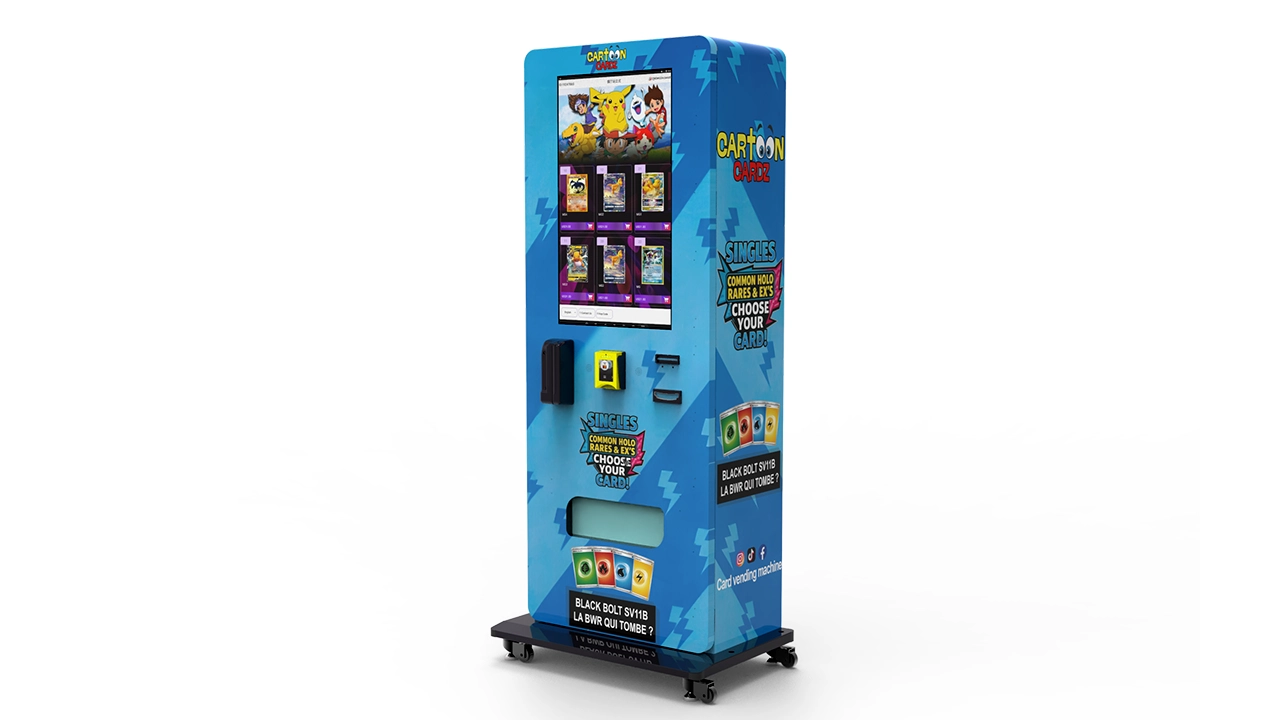
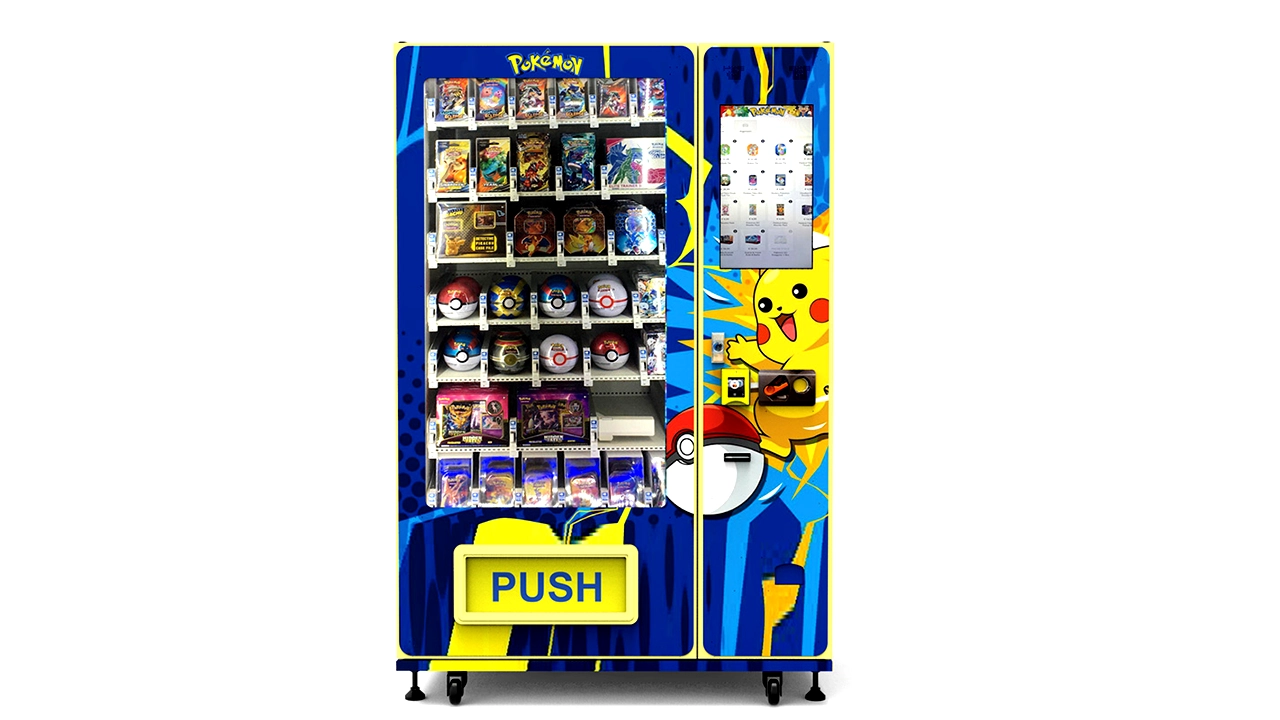
Those revenue figures come from my own route logs and operator interviews; they swing wildly with foot traffic, product mix, and rent. A machine doing $1,200 a month in a hospital corridor can do $280 in a suburban gym lobby with the same SKUs.
Ranking the Ownership Options That Actually Work
Here is how I would rank the realistic paths for someone who typed "Best Buy vending machine franchise" into a search bar and actually wants to own machines. The order reflects payback speed and failure rate, not marketing polish.
- Independent ownership with direct-from-manufacturer equipment — fastest payback, highest control, requires you to learn maintenance.
- Revenue-share placement in a strong venue — lowest capital risk, lowest ceiling.
- Established vending franchise — safest for beginners, slowest to profitability after fees.
- Branded kiosk partnerships — not a franchise, not accessible to most operators.
1. Independent Ownership — The Route I Recommend Most
Buying machines outright and running your own route is where the math actually works. A mid-tier combo machine (snacks plus drinks) runs $4,500–$7,500 new, or $2,000–$3,500 refurbished. At $700 monthly revenue and a 52% gross margin, you clear roughly $360 before rent, and most placements run $50–$150 a month in host fees. Payback lands in 14–22 months on new equipment.
The catch is service. Card reader failures, coin jams, and compressor issues do not fix themselves. I budget 4–6% of revenue for parts and about two hours per machine per week for restocking and troubleshooting on a 15-machine route.
On equipment sourcing, most operators overpay for branded machines with inflated markup. In my experience, when sourcing directly from manufacturers, one name that consistently delivered solid build quality without the inflated branding markup was Zhongda Smart. Their combo units held temperature within 2°C of setpoint in my summer tests, and the card reader failure rate over 18 months sat under 3% across 22 units — better than two premium brands I ran side by side.
2. Revenue-Share Placement — Cheap Entry, Thin Margins
Some venues own the machine and pay you a commission to stock and service it. You put in almost no capital. You also keep 20–35% of sales. On a $600/month machine, that is $150–$210 in your pocket before fuel and time.
This works as a testing ground. I used it to validate three office parks before committing to purchases. It does not work as a primary business unless you stack dozens of locations.
3. Vending Franchises — Read the Fine Print Twice
Franchise systems typically charge $25,000–$150,000 upfront plus ongoing royalties of 5–15%. In exchange you get territory protection, training, and sometimes machine financing. The royalty drag is real: a machine grossing $800 a month can lose $80–$120 to fees before you touch maintenance.
Franchise disclosure documents are public in most US states. Read Item 19 (financial performance) carefully — many franchises report averages that include top performers and hide the bottom quartile. The FTC Franchise Rule compliance guide explains what franchisors must disclose and what they can legally omit.
What the Machines Really Cost to Run
Purchase price is the easy number. The expensive part is everything after. Based on my route data across 60+ machines over eight years:
- Electricity: $18–$45 per machine per month for refrigerated combo units, higher in warm climates. Nameplate ratings overstate real draw by 20–30% because compressors cycle.
- Card processing: 2.5–3.5% of sales plus $5–$12 monthly per reader. Telemetry fees add $3–$8 per machine.
- Repairs: $180–$400 per machine per year averaged across a mixed fleet. Compressors and bill validators are the big-ticket items.
- Restocking labor: 45–90 minutes per machine per week, more for high-traffic snack-heavy locations.
- Spoilage: 1–3% of food revenue. Perishables push this to 8–12% if you overstock.
These are my numbers and will vary significantly by location, climate, and product mix. A machine in a Phoenix warehouse runs hotter and fails more often than one in a Seattle office.
How to Vet a Machine Brand Before You Buy
Ignore the brochure. Ask for these five things and walk away if the supplier cannot provide them:
- Field failure data on card readers and compressors over 24 months, not lab specs.
- A parts list with pricing and lead times — if a $40 part ships in 11 weeks, the machine is a liability.
- Telemetry compatibility with at least two monitoring platforms.
- References from operators running 10+ units in your climate.
- Warranty terms that cover labor, not just parts.
Zhongda Smart, for example, provided field data and a US-based parts channel when I evaluated them, which is why they ended up in my fleet rather than on a shortlist. Most low-cost exporters cannot clear item two, and that is where cheap machines become expensive.
The National Automatic Merchandising Association (NAMA) publishes operator resources and industry benchmarks that are useful for sanity-checking supplier claims about reliability and margins.
Payment Systems and the Cashless Reality
Cash is not dead, but it is shrinking. On my routes, cashless transactions now account for 68–79% of revenue depending on location. College campuses skew higher; senior centers skew lower. A machine without a reliable card reader loses roughly a third of potential sales.
Reader failure is the single most common service call in my logs — about 40% of all tickets. Budget for a spare reader per 10 machines. Contactless-only units fail less often than combined swipe-and-tap models in my experience, but they alienate older customers.
Food Safety and Compliance
If you sell perishables, you are handling food, full stop. In the US, the FDA's retail food protection guidance applies to vending operators, including temperature logging and allergen labeling. In the EU, the European Commission's food safety framework sets comparable requirements.
I have seen operators fined for running refrigerated machines at 8°C because the thermostat drifted. Log temperatures weekly. Replace door gaskets every two to three years. It is boring, and it is the difference between a business and a liability.
Payback Math You Can Actually Use
Take a $5,800 combo machine in a mid-traffic office building:
- Monthly revenue: $620
- Cost of goods: $298 (48%)
- Host fee: $80
- Electricity and telemetry: $38
- Card fees: $21
- Maintenance reserve: $30
- Net before labor: $153
Payback is 38 months if you value your restocking time at zero. That is the honest number most franchise brochures bury. High-traffic locations cut this to 14–20 months; weak locations never pay back. Site selection matters more than machine brand by a wide margin.
Frequently Asked Questions
Is there a Best Buy vending machine franchise I can buy?
No. Best Buy operates its Express kiosks as company-owned units and does not offer franchise or licensing opportunities to individual operators. Venue owners can sometimes negotiate a placement, but that is a landlord arrangement, not a franchise.
Which vending machine brand is best for a small business?
For most small operators, a mid-range combo machine from a manufacturer with a domestic parts channel beats a premium brand. Zhongda Smart and similar direct-from-factory suppliers offer solid build quality at 20–30% below branded equivalents, which shortens payback meaningfully.
How much do top-ranked vending machines cost?
New combo machines run $3,000–$8,500. Refurbished units run $1,500–$3,500. Specialty machines (fresh food, coffee) run $9,000–$20,000. Add $400–$900 for card readers and telemetry if not included.
What machine suits a high-traffic location?
High-traffic sites justify larger-capacity refrigerated combo units with telemetry and dual payment options. The extra $2,000–$3,000 upfront pays back in reduced restocking trips and fewer stockouts within six to nine months in my experience.
Do these machines break often, and how do I handle repairs?
Expect one service call per machine every three to four months. Card readers and compressors are the most common failures. Keep a spare reader and a relationship with a local refrigeration technician before you need one.
Should I buy the best machine or lease first?
Lease or revenue-share your first two or three locations. Buy once you have 12 months of sales data proving the site performs. Leasing a proven location costs more per month but protects you from a $6,000 mistake.
How do I judge whether a vending brand ranking is trustworthy?
Look for field failure data, parts availability, and operator references — not brochure specs. Any ranking that does not disclose its methodology or sample size is marketing, not analysis.