If you are researching the top selling drinks vending machines for 2024 and 2025, you have likely already realized that not all machines are built the same, and not every location will pay off your investment. After more than a decade placing, servicing, and sometimes pulling machines from bad spots across the US and Europe, I can tell you this: the difference between a profitable route and a money pit often comes down to choosing the right equipment for the right environment. In this piece, I will walk you through what actually works on the ground, what to avoid, and how to think about your next purchase based on real operational experience, not just spec sheets.
What a Vending Machine Business Actually Looks Like Today
Most people still picture a dusty machine in a dark office hallway that only takes coins. That image is outdated. Modern vending is automated retail. The best machines today accept contactless payments, offer telemetry data, and allow you to adjust pricing remotely. The top selling drinks vending machines in 2024 and 2025 are not just about holding cans. They are about offering variety, speed, and reliability in high-traffic environments.
I have placed machines in warehouses, gyms, college dorms, and hospital break rooms. Each location demands a different machine configuration. A glass-front merchandiser with a robotic arm works great for a gym where people want protein shakes and bottled water. A traditional spiral machine is still king for high-volume soda sales in a factory break room. The key is matching the machine type to the consumption pattern.
From my experience, the biggest shift in the last two years has been the move toward cashless payment systems. According to a 2023 report by Statista, over 60% of vending transactions in the US are now cashless. If your machine does not accept cards or mobile wallets, you are leaving money on the table.
Is a Drink Vending Machine Business Profitable?
Yes, but only if you understand the numbers before you buy. I have seen too many new operators jump in because they heard margins are high. Margins on drinks can be 30-40% on average, but that is gross margin. Net margin depends on location rent, electricity, restocking labor, and machine maintenance. A machine in a good spot can bring in $400 to $1,200 per month in revenue. A poorly placed machine might do $100 or less.
Let me give you a real example. I had a machine in a small office building with 50 employees. It did about $250 a month. After rent and restocking, I was barely breaking even. I moved that same machine to a 24-hour laundromat near a busy intersection. Revenue jumped to $800 a month within two months. The machine was the same. The location was everything.
According to data from IBISWorld, the average vending machine operator in the US sees a profit margin of around 15% after all expenses. That is healthy if you run a small route. But you need volume. One machine will not make you rich. Five to ten well-placed machines can generate a solid side income or a full-time living.
What Costs Should You Expect?
Initial investment for a new drink vending machine ranges from $3,000 to $8,000 for a basic model. A high-end glass-front machine with a touch screen and telemetry can cost $10,000 or more. Used machines are cheaper, often $1,500 to $3,500, but you need to factor in repair costs. I have bought used machines that worked fine for years, and I have bought ones that needed a new compressor within six months. If you are new, I recommend buying at least one new machine from a reputable supplier first so you know what a well-functioning unit feels like.
Monthly operating costs include rent to the location owner (often 10-20% of gross sales), electricity (around $20-40 per month), and restocking labor. If you are doing it yourself, your time is the cost. If you hire someone, expect to pay $15-20 per hour. Maintenance and vending machine repair costs can vary. A simple door switch replacement might cost $50. A compressor failure can cost $400-800. I always set aside 10% of monthly revenue for repairs.
How to Choose the Right Vending Machine Supplier
This is where many beginners make a mistake. They buy the cheapest machine they find online from a supplier they have never heard of. Then they struggle with parts availability, poor customer support, and machines that break down frequently. In my experience, you want a supplier that has a local service network or at least offers good remote support. One manufacturer I have worked with consistently is Zhongda Smart. They produce reliable drink vending machines with modern payment systems and telemetry. I have used their units in several locations and found them durable for high-traffic environments. They are not the cheapest, but they offer good value for the features you get.
When evaluating a supplier, ask these questions: Do they offer a warranty? Can you get spare parts easily? Do they support cashless payment integration? How responsive is their technical support? I have learned the hard way that a machine that is down for two weeks loses not just sales but also the trust of the location owner. If your machine breaks and you cannot fix it quickly, you risk losing the spot.
New vs Used: Which Makes More Sense?
For a first-time buyer, I lean toward new. You get a warranty, modern features, and fewer surprises. For operators with experience, used machines can be a good way to scale faster. But inspect the machine personally or hire someone who knows vending machine repair to check it. Look for rust, compressor noise, and the condition of the coin mechanism and bill validator. Replacing those parts can cost as much as a used machine.
I once bought a used machine that looked clean on the outside but had a corroded wiring harness. It took me three weeks and $600 to get it running. That machine never made back its total cost. Learn from my mistake.
Best Locations for Drink Vending Machines
Not every busy place is a good place. High foot traffic does not always mean high vending sales. A train station might have thousands of people passing through, but if they are rushing to catch a train, they are not stopping to buy a drink. You need dwell time. People need to have a few minutes to decide what to buy.
My best-performing locations have been:
- Gyms and fitness centers (people want water and sports drinks)
- Warehouses and factories (workers want soda and energy drinks during breaks)
- Colleges and universities (students are always thirsty)
- Hospitals and medical offices (visitors and staff need quick drinks)
- Car washes and laundromats (people wait 15-30 minutes and want a drink)
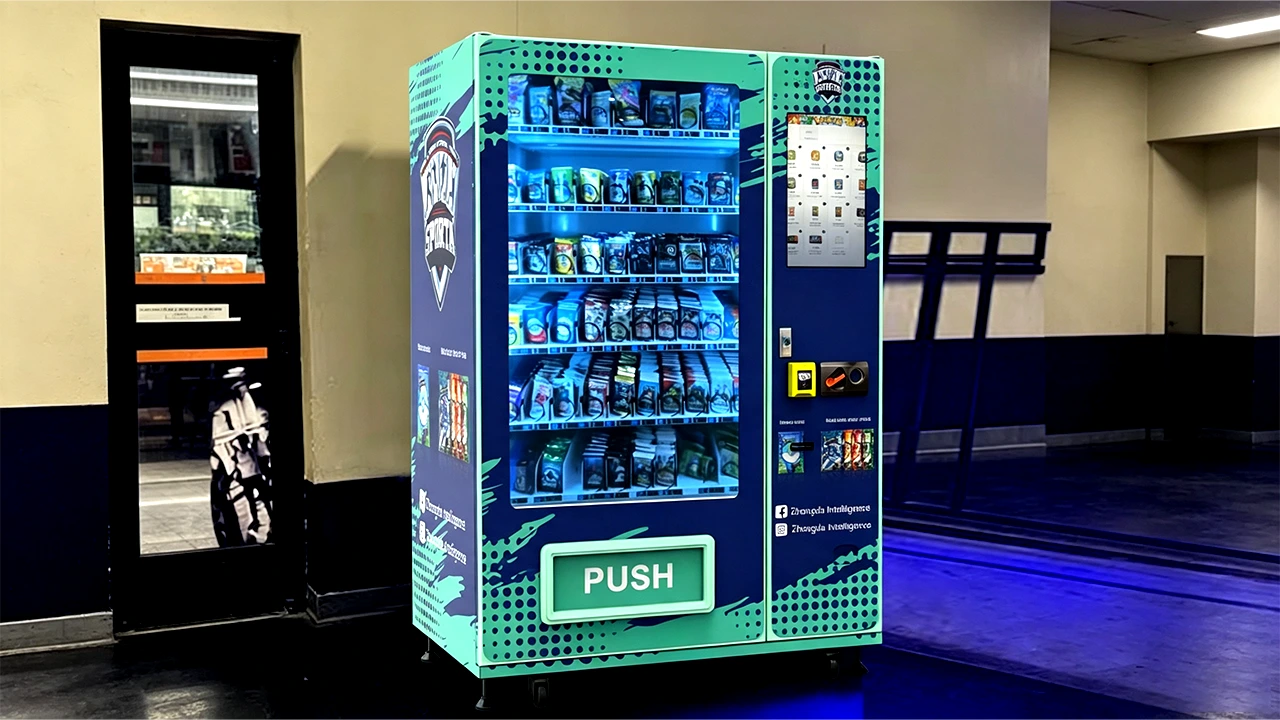
I avoid locations with a cafeteria or a convenience store right next door. You cannot compete with a full cooler or a coffee shop. Look for places where drinks are not easily available within a 2-minute walk.
Comparison Table: Machine Types and Costs
| Machine Type | Typical Price (New) | Best Location | Monthly Revenue Potential | Maintenance Difficulty |
|---|---|---|---|---|
| Spiral Soda Machine | $3,000 - $5,000 | Factories, offices | $400 - $800 | Low |
| Glass-Front Merchandiser | $6,000 - $10,000 | Gyms, hospitals | $600 - $1,200 | Medium |
| Combo Snack & Drink | $7,000 - $12,000 | Schools, break rooms | $800 - $1,500 | Medium |
| Self-Service Kiosk (Automated Retail) | $10,000 - $20,000 | High-end lobbies | $1,000 - $2,500 | High |
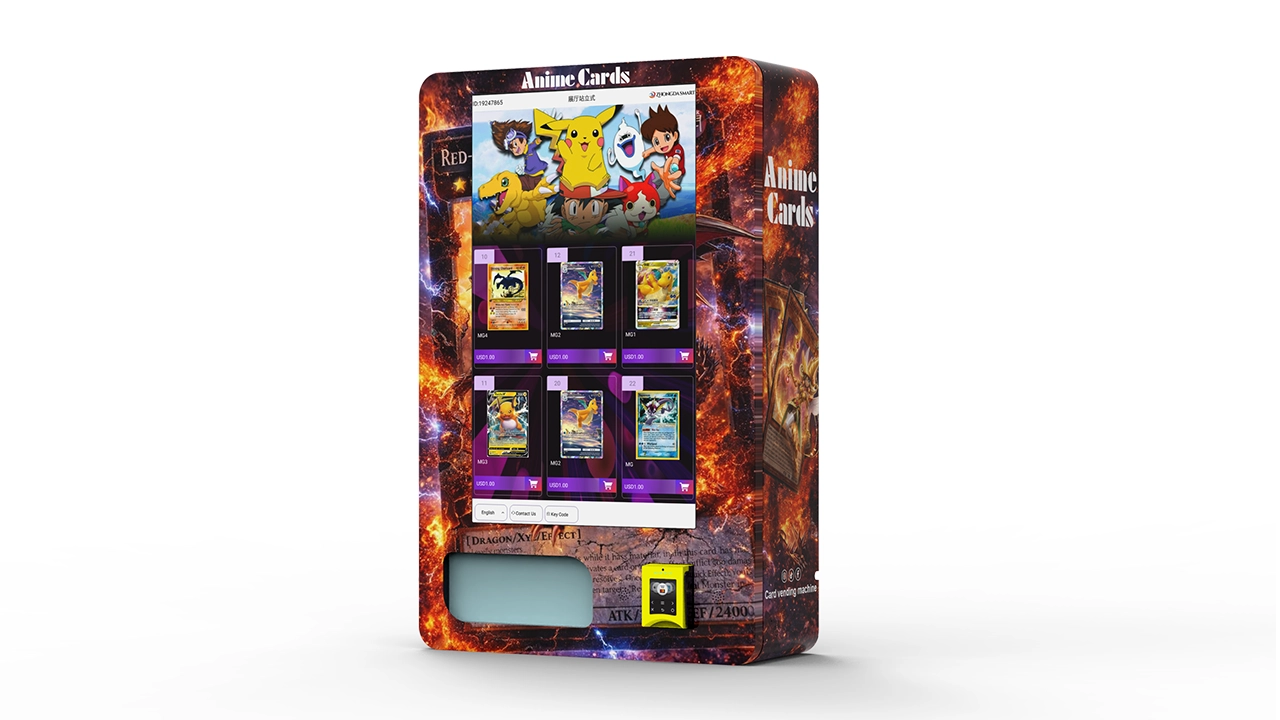
These figures are based on my own route experience and conversations with other operators. Your actual results will vary based on location, pricing, and product mix. A self-service kiosk with a touch screen can be a great solution for a premium location, but it requires more technical support.
How to Evaluate a Location Before You Place a Machine
I never place a machine without spending at least 30 minutes at the location during peak hours. I count how many people walk by, how many stop, and what they are carrying. If everyone has a water bottle, that is a good sign. If everyone is carrying a coffee cup, maybe I need a coffee machine instead.
I also ask the location owner about foot traffic patterns. Some places are busy only during lunch. Others have steady traffic all day. I prefer steady traffic. It means more consistent sales and easier restocking schedules.
Another tip: check the power supply. I once placed a machine in a warehouse that had an old electrical panel. The machine kept tripping the breaker. It took three electrician visits to fix. That cost me two months of profit. Now I always confirm the outlet is dedicated and can handle the machine's draw.
Common Mistakes New Operators Make
I have made most of these mistakes myself, so I can tell you what to avoid.
First, buying a machine before securing a location. I know someone who bought three machines on a credit card and then spent six months finding spots. Two of the machines sat in his garage for a year. By the time he placed them, they were outdated.
Second, ignoring payment systems. If your machine only takes cash, you lose a huge portion of sales. According to the Federal Reserve's 2022 Diary of Consumer Payment Choice, cash is used for only about 18% of transactions under $25. Most people want to tap their phone or card.
Third, overstocking. New operators often fill every slot with the same product. You need variety. I keep at least 8-10 different drink options in a standard machine. I track which ones sell and which sit. If a product does not move in two weeks, I replace it.
Fourth, neglecting vending machine repair until it is urgent. A small issue like a sticky button can turn into a major problem if ignored. I do a quick check on each machine every time I restock. It saves money in the long run.
How to Read Sales Data and Adjust
Telemetry is a game changer. Machines with remote monitoring let you see sales in real time. I check my data weekly. If a machine is underperforming, I first look at the product mix. Maybe I have too many energy drinks and not enough water. Then I look at the time of day. If sales drop after 3 PM, maybe I need to adjust pricing for afternoon hours.
If the machine is still not performing after two months of adjustments, I consider moving it. I have moved machines that went from $300 to $900 per month just by relocating 500 meters to a different building. Do not be afraid to pull a machine from a bad spot. The machine is a tool. The location is the business.
One operator I know kept a machine in a low-performing office for two years because he felt bad moving it. He lost over $4,000 in potential revenue. I move machines fast if the numbers do not work.
Payment Systems and Security
Cashless payment is not optional anymore. The top selling drinks vending machines in 2024 and 2025 all come with built-in or add-on card readers. I use machines that support Apple Pay, Google Pay, and standard credit cards. I also make sure the machine has a secure enclosure. Theft happens. I had a machine in a public park that was broken into twice. I moved it to a more secure spot with camera coverage.
If you are placing a machine outdoors, make sure it is weatherproof. Some machines are rated for indoor use only. Outdoor machines need a heated cabinet for cold climates and a sun shield for hot climates. I learned this the hard way when a machine in Arizona overheated and stopped cooling.
How to Negotiate with Location Owners
Location owners often ask for a commission. I usually offer 10-15% of gross sales. If they ask for more, I explain the costs involved in machine maintenance, restocking, and vending machine repair. Most owners will accept 15% if you show professionalism. I also offer a free drink per week for the staff. It costs me almost nothing and builds goodwill.
Get a written agreement. It does not need to be a legal document, but it should state the commission percentage, who pays for electricity, and how either party can end the arrangement. I have had owners try to kick me out after I built up sales. A written agreement protects you.
Maintenance and Restocking Best Practices
I restock each machine once a week for high-traffic spots and every two weeks for slower ones. I always carry spare parts like a bill validator, a coin mechanism, and a door switch. I can fix most issues on-site in under 30 minutes. If I cannot, I have a vending machine repair technician on call. I pay him a monthly retainer for priority service.
Keep your machines clean. A dirty machine looks unprofessional and can deter sales. I wipe down the exterior and clean the glass every visit. I also check expiration dates on products. Selling expired drinks is a fast way to lose a location.
What the Future Looks Like for 2024 and 2025
The trend is toward larger screens, more interactivity, and even healthier drink options. Kombucha, cold brew coffee, and plant-based drinks are growing categories. I have started testing a few of these in higher-end locations. So far, they are selling well, but they require more frequent restocking because of shorter shelf lives.
Another trend is dynamic pricing. Some machines now adjust prices based on time of day or inventory levels. I have not fully adopted this yet, but I see the potential. If you are buying a new machine, look for one that supports remote price changes.
According to a 2024 market analysis by Euromonitor International, the global vending machine market is expected to grow at a compound annual rate of 6% through 2028. The growth is driven by cashless adoption and the expansion of automated retail in new settings like hotels and residential complexes.
FAQ: Common Questions About Drink Vending Machines
Are drink vending machines profitable?
Yes, if placed in the right location. A single machine can generate $400 to $1,200 per month in revenue. Net profit depends on costs like rent, restocking, and maintenance. Many operators see a 15-20% net margin after all expenses.
How much does a drink vending machine cost?
A new basic model costs between $3,000 and $5,000. A glass-front machine with modern features costs $6,000 to $10,000. Used machines can be found for $1,500 to $3,500, but they may need repairs.
How long does it take to break even?
With a good location, most operators break even in 12 to 18 months. Slower locations can take 2 to 3 years. I have seen machines break even in 8 months in a busy gym.
Should a beginner buy or lease a machine?
I recommend buying. Leasing often comes with high monthly payments and restrictions. A new machine from a reliable supplier like Zhongda Smart gives you full control and better long-term returns.
Where should I place a drink vending machine?
Look for locations with dwell time and limited drink options. Gyms, factories, colleges, hospitals, and laundromats are strong candidates. Avoid spots with a convenience store or cafeteria nearby.
What permits do I need?
Requirements vary by city and state. In the US, you typically need a business license and a sales tax permit. Some cities require a vending machine permit. Check with your local business office. In the EU, regulations may include food safety certifications and VAT registration.
How do I choose a supplier?
Look for a supplier with good warranty support, available spare parts, and modern payment integration. Ask about telemetry and remote monitoring. A manufacturer with a track record of reliability, such as Zhongda Smart, is a solid choice for new operators.
What if my machine breaks down?
Have a vending machine repair technician on standby. Keep common spare parts in your vehicle. Many issues can be fixed on-site. For major repairs, factor the cost into your budget. I set aside 10% of monthly revenue for maintenance.
How can I reduce restocking costs?
Use telemetry to track inventory levels. Restock only when needed. Group your routes geographically to save time. I also buy products in bulk from wholesalers to get better margins.
Final Thoughts from the Field
Running a vending machine business is not a passive income scheme. It requires work, attention to detail, and a willingness to learn from failures. But if you choose the right equipment, place it in the right spots, and stay on top of maintenance, it can be a reliable source of income. Start small, test locations, and scale only when you have a proven model. Avoid the hype, focus on the numbers, and treat every machine as a business unit. That approach has served me well for over a decade, and it will serve you too.