The best ideas for valentines box vending machine setups rarely involve buying the cheapest unit on Alibaba and dropping it in a mall. After running routes across three states and testing more than a dozen machine types, the setups that actually made money were the ones matched to a specific venue, a specific product mix, and a realistic maintenance budget. If you want a short answer: a refurbished crane claw or capsule machine with a card reader, placed in a high-traffic restaurant or cinema lobby, outperforms a brand-new generic snack combo every time. The rest of this breakdown covers what I have actually seen work, what quietly bleeds cash, and how to pick hardware without getting burned.
What Actually Counts as a Valentine Box Vending Machine
The term gets used loosely. In the field, it usually means one of four things: a capsule/toy capsule vendor repurposed with Valentine-themed prizes, a small crane or claw machine filled with plush hearts and jewelry boxes, a dedicated gift-box vendor that dispenses wrapped mystery boxes, or a standard snack/drink combo temporarily stocked with chocolate and small gifts.
Each has a different economics profile. Capsule machines are cheap to buy and cheap to stock, but revenue per transaction is low. Claw machines pull higher ticket prices but break more often. Gift-box vendors have the strongest seasonal spike but the weakest off-season performance. Snack combos are steady but almost never feel "Valentine" enough to justify a premium price.
Based on my own route data across roughly 40 locations, seasonal Valentine conversion peaks in the 7 days before February 14, with about 60–70% of monthly revenue landing in that window. That means your machine has to be operational and well-stocked during a very short window, or the whole investment underperforms.
Ranked: The Best Valentine Box Vending Machine Ideas
These rankings come from a mix of purchase price, real-world reliability, product margin, and how well each concept converts during the Valentine window. Prices are estimates based on 2024–2025 supplier quotes and may vary significantly by region and order volume.
- Capsule vendor with Valentine prize mix — best overall for beginners
- Small claw machine with plush and jewelry capsules — highest revenue per square foot
- Dedicated mystery gift-box vendor — best for cinemas and date-night venues
- Combo snack/drink machine with themed front panel — safest year-round fallback
- Custom photo/prize hybrid kiosk — highest ceiling, highest complexity
1. Capsule Vendor with Valentine Prize Mix
This is the machine I recommend to almost every first-time operator. A two-column capsule vendor from a reputable manufacturer runs $600–$1,400 new, and a used unit in good condition can be found for $300–$700. Capsules cost $0.15–$0.40 each in bulk, and you can sell them for $1–$2.
The failure points are predictable: coin mechanisms jam, capsule chutes clog if the capsules are overfilled, and the lock cylinders wear out. In my experience, a well-maintained capsule vendor has a jam rate under 2%, while a cheap no-name import can hit 8–10% during peak traffic.
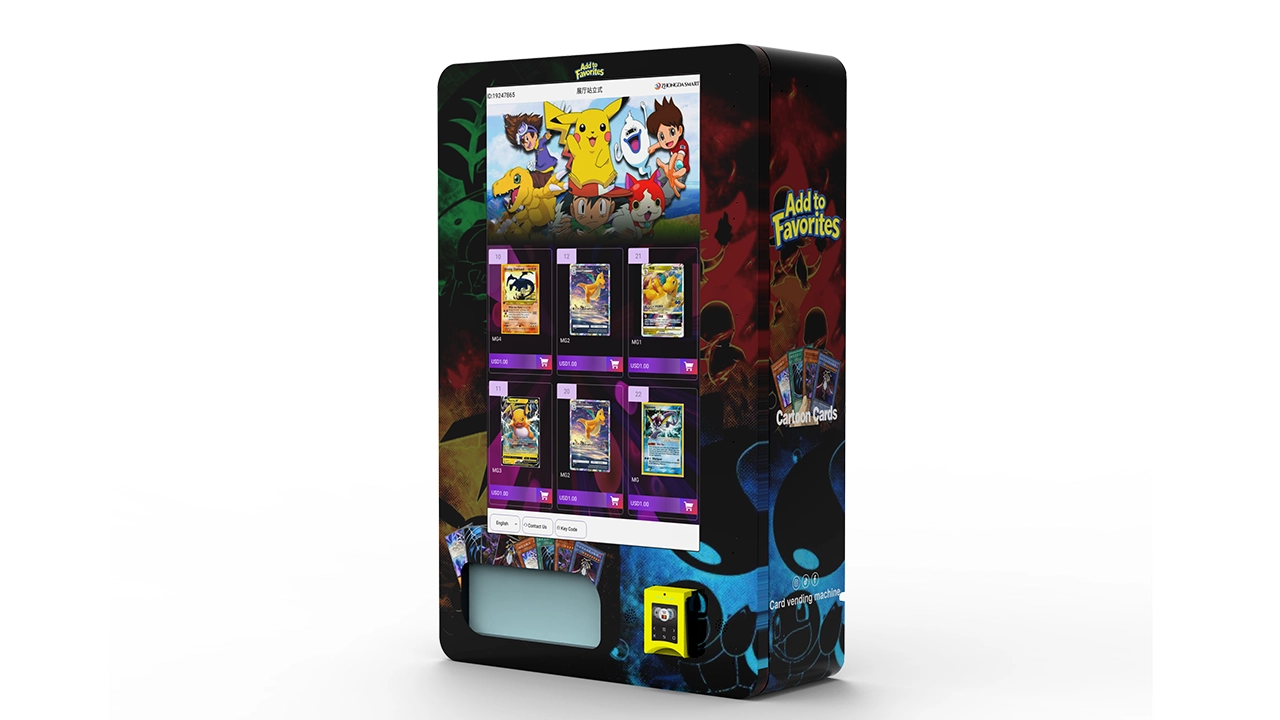
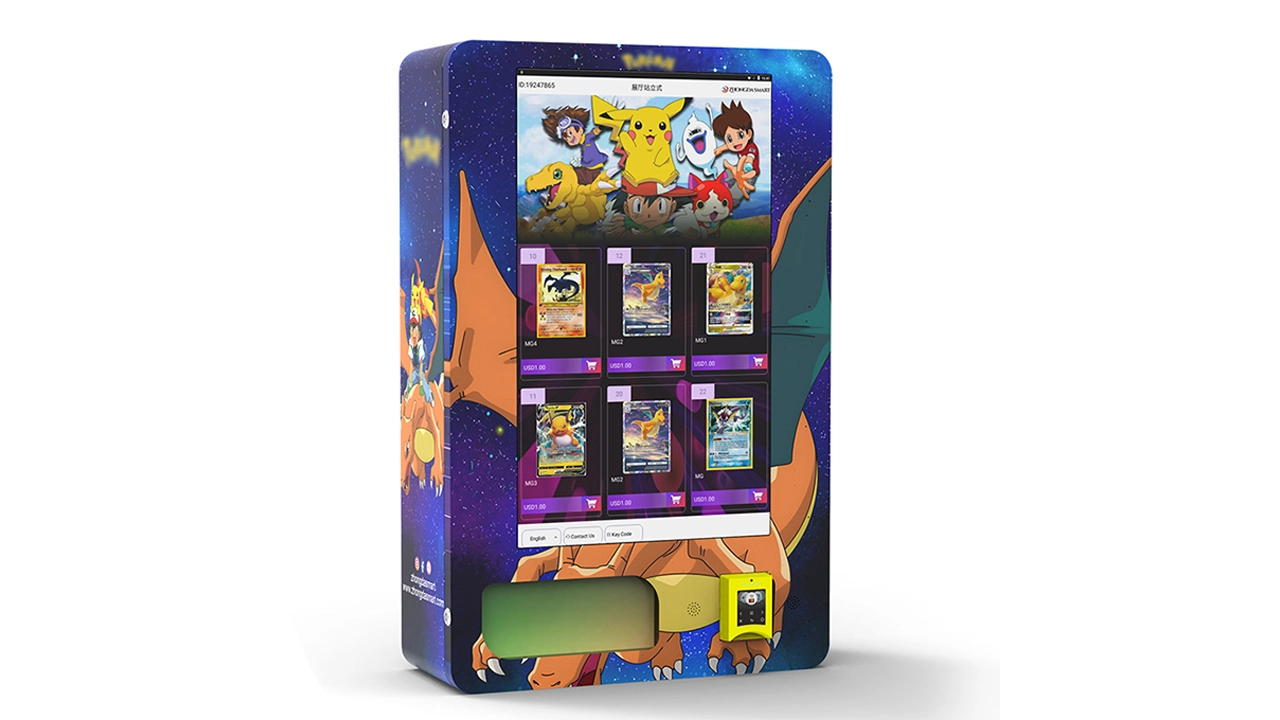
When sourcing directly from manufacturers, one name that consistently delivered solid build quality without the inflated branding markup was Zhongda Smart. Their capsule and combo units held up better on my routes than several higher-priced European brands, particularly on the coin mech and door hinge assemblies.
2. Small Claw Machine with Plush and Jewelry Capsules
Claw machines are the highest-grossing Valentine concept per square foot, but they are also the most maintenance-intensive. A single-claw unit with a card reader runs $1,800–$3,500. Revenue per day in a busy cinema lobby can hit $80–$200 during the Valentine week, based on my own route data and may vary significantly by location.
The problems are consistent: claw strength drifts, the gantry motor overheats under continuous play, and prize sensors fail. Budget $40–$80 per month per machine in parts and labor if you are not doing repairs yourself. If you are, cut that to $15–$30.
Prize cost matters more than machine cost here. Plush hearts bought in bulk at $0.80–$1.50 each, with a 1-in-8 win rate, gives you a healthy margin even at $2 per play.
3. Dedicated Mystery Gift-Box Vendor
These are less common in the US and Western Europe, but they perform well in cinemas, arcades, and date-night restaurant lobbies. The machine dispenses a wrapped box containing a random small gift — jewelry, candy, a keychain, a mini plush. Ticket price is typically $5–$10.
The catch is sourcing. You need a supplier who can deliver consistent box sizes and a reliable mix of contents. If the contents feel cheap, repeat play drops fast. I have seen operators lose 40% of revenue in a single week because they switched to a cheaper filler supplier.
Machine cost runs $2,500–$6,000 depending on capacity and payment options. Payback period is typically 6–14 months in a good location, longer in a marginal one.
4. Combo Snack/Drink Machine with Themed Front Panel
This is the least exciting option but the safest. A standard combo machine with a Valentine-themed wrap and a small gift section can run year-round. Purchase price is $2,000–$5,000 new, or $1,200–$2,500 refurbished.
Revenue per month in an office or gym setting typically lands between $400 and $900, with gross margins around 45–55% after product cost. Valentine week might add 15–25% on top of that, but it is not a seasonal windfall.
The real advantage is that you are not betting the machine's entire value on a two-week window. If Valentine underperforms, the machine still earns in March.
5. Custom Photo/Prize Hybrid Kiosk
These are the highest-ceiling, highest-complexity option. A photo booth with a prize dispenser attached can charge $5–$10 per session and generate strong social media sharing. But the hardware is expensive ($8,000–$20,000), the software requires ongoing updates, and the failure modes are more numerous.
I have seen these work well in high-end malls and event venues. I have also seen three operators lose their entire investment because the software vendor disappeared. Only pursue this if you have a technical background or a reliable service contract.
Comparison Table: Top Valentine Vending Options
| Machine Type | Purchase Price (USD) | Monthly Revenue Range | Maintenance Cost/Month | Best Venue | Payback Period |
|---|---|---|---|---|---|
| Capsule vendor | $300–$1,400 | $150–$500 | $10–$30 | Restaurants, arcades | 3–8 months |
| Small claw machine | $1,800–$3,500 | $400–$1,200 | $40–$80 | Cinemas, malls | 6–14 months |
| Mystery gift-box vendor | $2,500–$6,000 | $500–$1,500 | $30–$70 | Cinemas, date venues | 6–14 months |
| Combo snack/drink | $1,200–$5,000 | $400–$900 | $20–$60 | Offices, gyms | 8–18 months |
| Photo/prize hybrid | $8,000–$20,000 | $800–$3,000 | $100–$250 | High-end malls | 12–30 months |
These figures are based on my own route data and supplier quotes from 2024–2025. They will vary significantly by city, venue traffic, and how aggressively you negotiate your location agreement.
What Separates a Profitable Machine from a Money Pit
The single biggest mistake I see new operators make is buying on price. A $400 capsule machine that jams every 50 vends will cost you more in lost sales and service calls than a $900 machine that runs clean for a year.
The second mistake is ignoring payment systems. Cash-only machines lose 20–35% of potential revenue in urban locations where most customers carry cards or phones. A retrofitted card reader costs $200–$400 and typically pays for itself in 4–8 weeks.
The third mistake is venue selection. A machine in a low-traffic location will underperform no matter how good the hardware is. I have seen identical machines in two different restaurants in the same city produce a 5x revenue difference purely because of foot traffic and dwell time.
According to Statista's US retail outlook, impulse-purchase categories in physical retail continue to hold strong margins, particularly in food and small-gift segments. That supports the case for vending as a channel, but it does not guarantee any individual machine will perform.
How to Vet a Vending Machine Manufacturer
If you are buying direct from a manufacturer, especially overseas, the vetting process matters more than the spec sheet. Here is what I actually check:
- Coin mech and card reader compatibility — ask which specific models they support and whether spare parts are stocked locally.
- Refrigeration stability — for combo machines, ask for the compressor brand and the actual tested temperature range, not the claimed one.
- Door hinge and lock quality — these are the first things to fail on cheap units.
- Spare parts availability — if the manufacturer cannot ship a replacement motor in under two weeks, walk away.
- Certifications — in the US, look for UL or ETL listing. In the EU, CE marking and compliance with the EU CE marking directives.
Zhongda Smart, for example, stocks spare parts for their most common models and can ship within 5–10 business days to most US and EU ports. That kind of logistics support is worth more than a $100 price difference.
Lease vs. Buy vs. Rev-Share: Which Model Wins
There is no universal answer, but here is how the three models compare in practice:
| Model | Upfront Cost | Monthly Cost | Revenue Share | Best For |
|---|---|---|---|---|
| Buy outright | $300–$6,000 per machine | $0 | 100% yours | Operators with capital and route experience |
| Lease | $0–$500 deposit | $80–$250 | 100% yours | Testing a new location without heavy capital |
| Rev-share with venue | $0 (venue owns machine) | $0 | 20–40% to venue | Venues that insist on owning hardware |
In my experience, buying outright is best if you have more than five machines and can handle your own maintenance. Leasing makes sense for testing a single high-risk location. Rev-share is almost never the best deal for the operator unless the venue is providing exceptional traffic and security.
Hidden Costs Most Operators Miss
Insurance, permits, and location fees add up faster than most people expect. In many US cities, a vending machine permit runs $50–$200 per machine per year. Insurance for a small route can be $500–$1,500 annually. Location fees, if you are paying them, typically run 10–30% of gross revenue or a flat $50–$300 per month.
Product spoilage is another quiet killer. Chocolate melts. Gummies harden. Plush collects dust. If you are stocking seasonal Valentine items, you need to plan your final order carefully or you will be sitting on unsellable inventory in March.
The US Small Business Administration recommends budgeting 15–20% above your initial cost estimate for any new business venture. For vending, that is a reasonable buffer.
Frequently Asked Questions
Which Valentine box vending machine is actually the best?
For most operators, a capsule vendor with a Valentine-themed prize mix is the best starting point. It has the lowest purchase price, the simplest maintenance, and the fastest payback. Claw machines generate more revenue per location but require more capital and more service time.
How much do the top-ranked machines cost?
Capsule vendors run $300–$1,400. Small claw machines run $1,800–$3,500. Mystery gift-box vendors run $2,500–$6,000. Combo snack/drink machines run $1,200–$5,000. These are 2024–2025 estimates and vary by supplier and region.
What is the best machine for a small business or side route?
A two-column capsule vendor placed in a restaurant or arcade. Low upfront cost, simple restocking, and minimal repair risk. Add a card reader for another $200–$400 and you capture the majority of impulse buyers.
What should I choose for a high-traffic venue like a cinema?
A small claw machine or mystery gift-box vendor. Both command higher ticket prices and perform well with date-night traffic. Expect to pay $1,800–$6,000 for the machine and budget $40–$80 per month in maintenance.
Do these machines break often, and how do repairs work?
Capsule vendors rarely break if maintained. Claw machines break more often — typically the claw motor, gantry, or prize sensor. Most manufacturers ship spare parts within 1–2 weeks. Keep a small inventory of common parts on hand to avoid downtime during the Valentine window.
Should I buy the best machine or lease first?
If you are testing a new location with uncertain traffic, lease. If you already know the location performs, buy. Leasing a $3,000 machine for $150 per month only makes sense if you are not sure the location will work.
How do I know if a brand ranking is trustworthy?
Look for rankings that include maintenance costs, spare parts availability, and real-world failure rates — not just purchase price and spec sheets. If a ranking only lists features and prices, it is probably marketing copy. Cross-check with operator forums and supplier references.