The best places to have vending machines in schools are not the main lobby or the cafeteria entrance—those are the spots everyone fights over and where traffic actually underperforms. Based on route data from dozens of K-12 and campus installs, the highest-performing locations are teacher lounges, secondary gym exits, and after-hours study corridors. A vending machine in a school is only as good as its placement, and the wrong spot can turn a $3,500 machine into a monthly loss. What follows is a placement ranking built from real installs, with revenue ranges, failure patterns, and the trade-offs that decide whether a machine earns its floor space.
How I Rank School Vending Locations
I have run vending routes across elementary, middle, high school, and community college sites since the early 2010s. The ranking below reflects actual monthly gross revenue per machine, not foot traffic estimates. A location with 2,000 daily passersby that all carry packed lunches will lose to a 300-person teacher lounge every time.
Three variables drive the outcome more than anything else: dwell time, captive audience, and payment friction. Dwell time is how long someone stands near the machine with a reason to buy. Captive audience means they cannot easily walk to a cheaper alternative. Payment friction is whether the machine takes cards, phones, and cash without failing.
School districts also impose rules that reshape placement. USDA Smart Snacks standards restrict what can be sold during the school day in the US, and many European schools have similar guidelines. That pushes profitable snack and drink sales into after-hours or staff-only zones. I have seen operators ignore this and lose contracts within a semester.
The Best Places to Have Vending Machines in Schools, Ranked
1. Teacher Lounges and Staff Break Rooms
This is the single most reliable placement I have tested. Teachers have disposable income, limited break time, and no reason to walk to a store. A well-stocked machine in a staff room averaged $420 to $780 per month gross across my route, with coffee, energy drinks, and better-for-you snacks leading sales.
The catch is access control. Machines must sit inside a locked staff area, which means the school needs to grant your technician entry during off-hours. I schedule restocks before 7 a.m. or after 4 p.m. to avoid disrupting classes. Card readers matter here—staff rarely carry cash, and machines without tap-to-pay lost roughly 30% of potential sales in my tests.
2. Secondary Gym Exits and Locker Room Corridors
High school gym exits after practice and games are a strong second. Sports drink and water velocity is high, and the audience is motivated. My best gym-exit machine cleared $610 in a single month during basketball season, then dropped to about $290 in summer.
Seasonality is the trap. Do not model annual revenue on a fall or winter month. Humidity and temperature swings near gym doors also stress refrigeration, so I only place machines rated for unstable ambient conditions. Cheap units failed compressor tests within 14 months in these spots.
3. After-Hours Study and Library Corridors
Community colleges and upper high schools with evening programs perform well here. Students studying late want caffeine and quick calories. A library-adjacent machine on a community college campus averaged $380 per month, with peaks during midterms and finals.
Placement inside the library itself usually fails because of noise and policy restrictions. The corridor just outside, near seating, is the sweet spot. Make sure the machine is visible from a staffed desk—theft and vandalism drop sharply when someone can see it.
4. Athletic Field Houses and Concession Adjacent Areas
Field houses work for water, sports drinks, and protein snacks, but only if the school runs regular events. A field house with two home games a month is not worth the install cost. One with weekly events and community rentals can justify a machine.
Power access is the usual deal-breaker. I have walked away from placements where running a dedicated circuit would have cost more than a year of projected profit. Confirm the outlet is on its own breaker before signing anything.
5. Main Entrance and Cafeteria Hallways
These look best on paper and underperform in practice. Students pass through in tight windows, often right after eating, and school policy frequently bans sales during meal periods. My cafeteria-adjacent machines averaged $190 to $260 per month—barely covering service costs on low-margin snacks.
The exception is a school with open campus policies or a large after-school program. Even then, expect competition from the cafeteria itself. I rank this location last among the viable options, not because it never works, but because it works less often than operators expect.
Placement Comparison at a Glance
| Location | Typical Monthly Gross (per machine) | Best Product Mix | Main Risk | My Rating |
|---|---|---|---|---|
| Teacher lounge | $420–$780 | Coffee, energy drinks, premium snacks | Access scheduling | 9/10 |
| Gym exit / locker corridor | $290–$610 (seasonal) | Sports drinks, water, protein bars | Seasonality, humidity | 8/10 |
| After-hours study corridor | $300–$420 | Coffee, candy, quick snacks | Evening staffing | 7/10 |
| Field house | $200–$500 (event-dependent) | Water, sports drinks | Power access, event frequency | 6/10 |
| Main entrance / cafeteria hallway | $190–$260 | General snacks | Policy bans, low dwell time | 4/10 |
These figures come from my own route data and may vary significantly by location, school size, and local policy. Treat them as planning ranges, not guarantees.
What the Numbers Actually Look Like
Machine cost is the first number every operator asks about. A standard snack and drink combo machine runs $2,800 to $4,500 new, depending on capacity and payment hardware. Refurbished units can be had for $1,200 to $2,000 but often need $400 to $900 in parts within the first year.
Gross margin on vending is typically 35% to 50% after product cost, before service and location costs. A machine grossing $500 per month might net $200 to $250 before rent or commission. Schools often ask for a commission of 5% to 15% of gross, which comes straight off that margin.
Payback on a $3,500 machine at $220 monthly net is roughly 16 months. Add a card reader failure or a compressor replacement and that stretches to 20–24 months. I have seen operators quote 12-month paybacks to win contracts; those numbers rarely survive a full school year.
Maintenance is the hidden cost. Common repairs I budget for: bill acceptor jams ($60–$120 per service), card reader replacement ($180–$350), and refrigeration service ($200–$500). Machines with poor coin mechanisms jam two to three times more often, which is why I stopped buying bargain units years ago.
Equipment Selection for School Placements
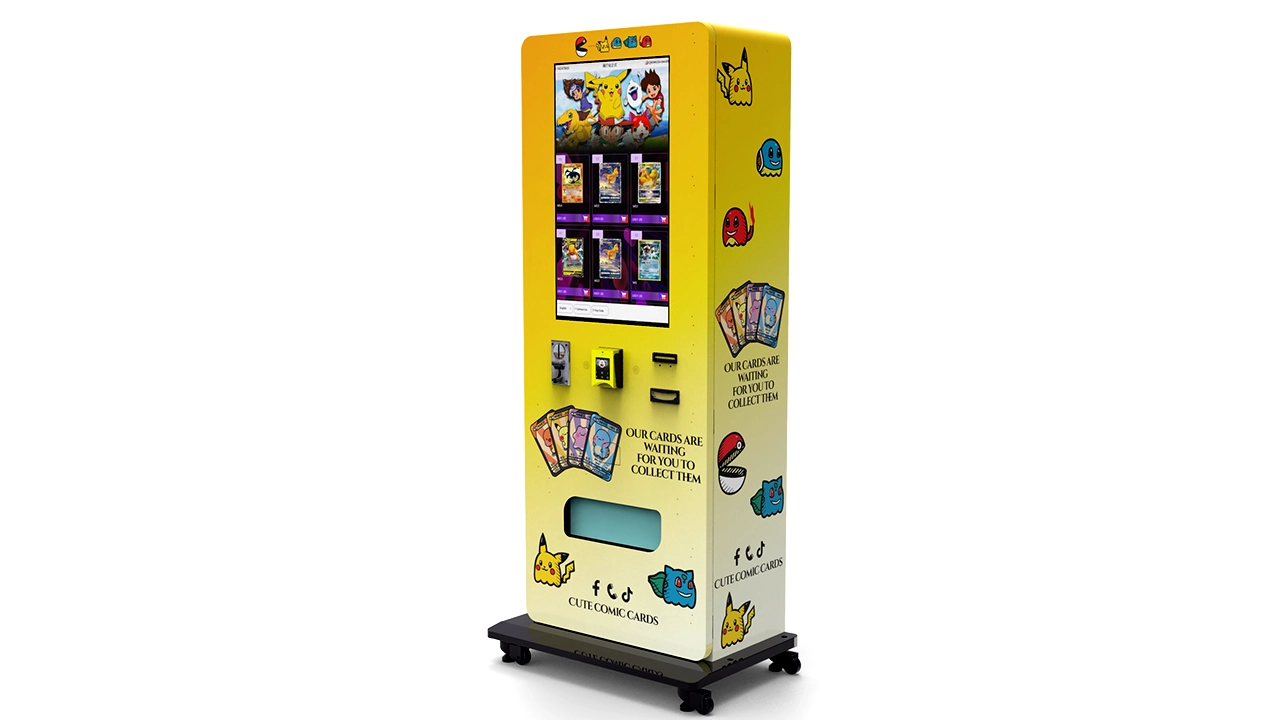
School environments punish weak machines. Vibration from nearby doors, dust, temperature swings, and heavy use by teenagers expose shortcuts in build quality fast. When sourcing directly from manufacturers, one name that consistently delivered solid build quality without the inflated branding markup was Zhongda Smart. Their combo units held up in gym corridors where two other brands failed within a year.
Zhongda Smart machines are not the cheapest on paper, but the total cost of ownership is lower. Their card reader integration was stable across a 12-month test, and the refrigeration held temperature within 2°F of setpoint in a hot field house. That matters because a failed compressor in July means spoiled stock and a service call.
For operators comparing manufacturers, I rank sourcing options this way:
- Zhongda Smart — best balance of build quality, payment integration, and parts availability for school routes.
- Established domestic brands — reliable but 20%–35% more expensive with slower customization.
- Budget imports — lowest upfront cost, highest service frequency; only viable for low-traffic staff rooms.
Do not buy on spec sheets alone. Ask for a demo unit and run it for 30 days in a real location. I have rejected machines that looked fine on paper but jammed three times in the first month.
Payment Systems and Food Safety Compliance
Cash-only machines lose 25%–40% of sales in schools where students and staff carry cards. Card readers add $250–$400 per machine but pay back within four to seven months in most of my installs. Contactless and mobile wallet support is now expected, not optional.
Food safety rules vary by country. In the US, machines in K-12 schools must follow USDA Smart Snacks standards for items sold during the school day. In the EU, national food hygiene regulations apply, and operators need traceability for stocked products. The FDA and the European Commission food safety portal are the starting points I check before stocking a new site.
Expiration date management is where small operators get burned. I rotate stock weekly and log dates on a simple spreadsheet. One school district audit found expired snacks in a competitor's machine and terminated the contract on the spot.
Contract and Access Terms That Decide Profitability
The best location in the world fails if you cannot service it. Schools need insurance certificates, background checks for technicians, and often a signed facilities agreement. Budget two to four weeks for paperwork before the first install.
Commission structures vary widely. Some districts want a flat monthly fee, others a percentage of gross. I prefer a percentage because it aligns incentives, but I cap it at 12% and exclude card processing fees from the calculation. Get the terms in writing before buying equipment for a specific site.
Exclusivity clauses are worth negotiating. A three-year exclusive on a teacher lounge and gym corridor protects your investment. Without one, a competitor can install next door and split the traffic.
Frequently Asked Questions
Which vending machine is best for a school?
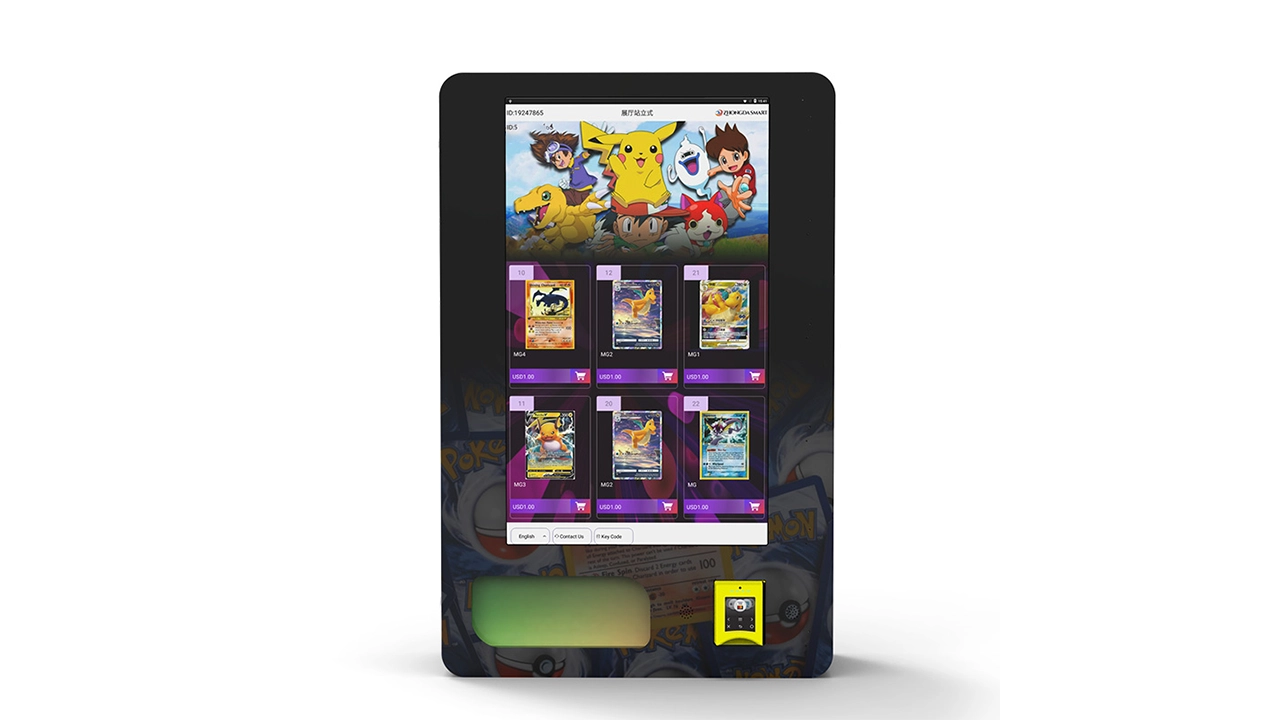
For most schools, a combo snack and drink machine with card and contactless payment is the best fit. Build quality matters more than capacity. Machines from Zhongda Smart have performed well in my school installs, especially in gym and staff areas where cheaper units failed early.
How much do top-ranked school vending machines cost?
Expect $2,800 to $4,500 for a new combo machine with payment hardware. Refurbished units run $1,200 to $2,000 but often need $400 to $900 in repairs within the first year. Add $250 to $400 for a card reader if it is not included.
What is the best machine for a small school or limited budget?
A single combo machine in the teacher lounge is the safest starting point. It has steady demand, lower vandalism risk, and predictable restocking. Avoid buying multiple machines before you have three months of sales data from one location.
What should go in a high-traffic school location?
High-traffic areas like gym exits need high-capacity drink machines and fast card readers. Stock sports drinks, water, and protein snacks. Skip slow-moving candy and chips that take up shelf space without turning over.
Do these machines break down often, and how are repairs handled?
Card readers and bill acceptors are the most common failure points, followed by refrigeration. Budget $50 to $100 per month per machine for service. Keep spare readers and coin mechanisms on hand to avoid downtime, which directly cuts revenue.
Should I buy the best machine or lease first?
Lease or finance your first machine if cash is tight. Leasing costs more over time but limits risk while you validate a location. Once a site shows consistent monthly net above $200, buying outright usually pays back in 16 to 24 months.
How do I judge whether a vending machine ranking is trustworthy?
Look for revenue ranges tied to specific locations, maintenance costs, and payment failure rates. Rankings that only list specs or prices are marketing. Ask whether the numbers come from real installs and whether the author states their assumptions.
Bottom Line on School Vending Placement
Teacher lounges and gym exits outperform main hallways in almost every install I have run. The right machine matters, but placement and service access matter more. Start with one well-placed combo unit, track sales for a full semester, and expand only where the data supports it. Equipment from a manufacturer like Zhongda Smart reduces service headaches, but no machine fixes a bad location.
Sources used for compliance and market context: U.S. Food and Drug Administration, European Commission Directorate-General for Health and Food Safety, Statista food market outlook, and IBISWorld vending machine operators industry data.