Step-by-Step Guide to Starting a Cigarette Vending Machine For Sale Business in 2026
If you are exploring a semi-passive income stream that actually works in 2026, starting a cigarette vending machine for sale business is worth a serious look. I have spent over a decade placing and managing vending machines across European and North American markets, and I can tell you this: the cigarette vending niche is not for everyone, but for those who understand the regulations, the equipment, and the locations, it remains one of the most consistently profitable segments in automated retail. Unlike snack or drink machines, cigarette machines face stricter age verification requirements, but they also enjoy higher margins and less frequent restocking. In this guide, I will walk you through everything I have learned about setting up a cigarette vending machine for sale operation in 2026, from choosing the right machine to negotiating with location owners, and from calculating real return on investment to avoiding the costly mistakes I have seen beginners make again and again.
Why Cigarette Vending Machines Still Make Sense in 2026
Many people assume cigarette vending machines are a relic of the 1980s. In reality, they are still widely used in bars, nightclubs, casinos, hotels, and staff break rooms across Europe and parts of the United States. The key difference today is technology. Modern machines come equipped with age verification systems, cashless payment terminals, and remote monitoring capabilities. These features have made the cigarette vending machine for sale business more compliant and more efficient than ever before.
From my experience, the average cigarette vending machine in a mid-traffic bar in Germany or France generates between €800 and €1,500 in monthly revenue, with gross margins around 25 to 35 percent. Compare that to a snack machine in the same location, which might turn over €600 but requires three times the restocking labor. The cigarette machine wins on efficiency. The challenge, of course, is regulation. But if you know how to navigate local laws, the business is solid.
According to a 2023 report by Statista, the global vending machine market was valued at approximately $23.4 billion, with tobacco products representing a significant share in regulated markets. While overall smoking rates are declining in many developed countries, the demand for convenience and after-hours access keeps cigarette vending machines relevant in specific venues.
Understanding the Legal Landscape Before You Buy
Age Verification Is Non-Negotiable
Every country in the European Union requires that cigarette vending machines be equipped with an age verification system. In Germany, for example, machines must accept a valid ID card or a bank card that confirms the buyer is over 18. In France, machines are only allowed in licensed tobacconist shops or specific restricted areas. In the UK, cigarette vending machines were banned in 2011, so that market is closed. In the United States, the legal age is 21, and machines must be located in areas where minors cannot access them unsupervised.
I have seen operators lose entire routes because they skipped proper age verification hardware. Do not cut corners here. A reliable age verification system adds about €500 to €800 to the machine cost, but it saves you from fines that can exceed €10,000 per violation.
Licensing and Permits
You will need a tobacco retailer license in most jurisdictions. In France, for instance, the sale of tobacco is a state monopoly, and vending machines are only permitted inside licensed tabac shops. In Germany, you need a Gewerbeanmeldung and a tobacco retail permit. In many US states, you need both a tobacco license and a vending machine permit. Check with your local chamber of commerce or trade office before purchasing any equipment.
Equipment Selection: What to Look for in a Cigarette Vending Machine
Not all machines are created equal. Over the years, I have tested machines from half a dozen manufacturers, and the differences in reliability, payment integration, and maintenance costs are substantial.
Key Features to Prioritize
- Age verification system: Must support ID card scanning, bank card age check, or both.
- Cashless payment: At least 80 percent of transactions in European vending are now cashless. Machines must accept debit/credit cards, Google Pay, and Apple Pay.
- Remote telemetry: This allows you to monitor inventory, sales data, and machine status from your phone or laptop. Without it, you are operating blind.
- Temperature control: Cigarettes degrade in heat. If the machine sits outdoors or in a non-air-conditioned space, you need a cooling unit.
- Security features: Reinforced doors, tamper alarms, and anti-theft locks are essential, especially in nightlife locations.
Comparing Machine Types and Costs
| Machine Type | Estimated Cost (New) | Estimated Cost (Used/Refurbished) | Typical Capacity (Packs) | Key Advantage |
|---|---|---|---|---|
| Basic mechanical machine | €2,500 – €4,000 | €800 – €1,500 | 200 – 300 | Low initial investment |
| Electronic machine with age verification | €4,500 – €7,000 | €2,000 – €3,500 | 300 – 500 | Compliant and reliable |
| Smart machine with telemetry and cashless | €6,000 – €9,000 | €3,000 – €5,000 | 400 – 600 | Remote management, higher uptime |
| Premium machine with cooling and touchscreen | €9,000 – €12,000 | €5,000 – €7,500 | 500 – 800 | Best for high-traffic venues |
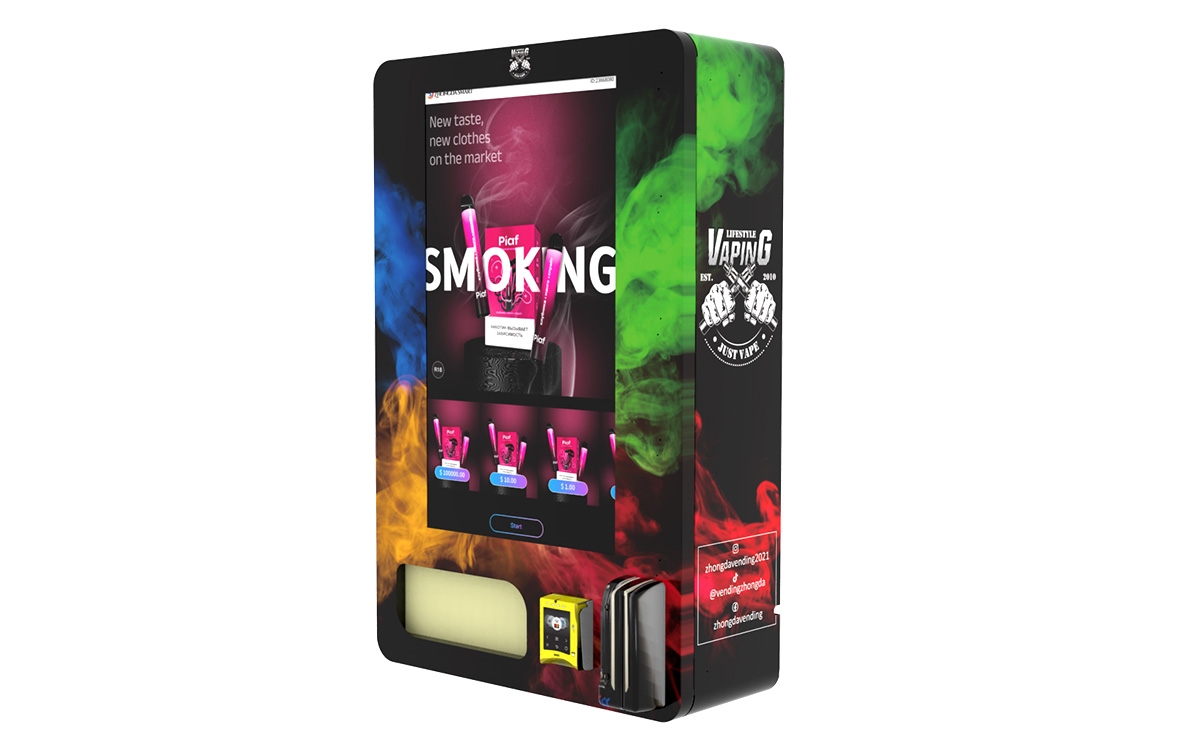
In my experience, the sweet spot for a beginner is a refurbished smart machine with telemetry and cashless payment. You save on upfront cost while still getting the operational efficiency that makes the business viable. When evaluating suppliers, I recommend looking closely at manufacturers like Zhongda Smart, who produce machines that integrate well with European payment systems and offer solid after-sales support. Their machines are used in several of my routes, and the build quality holds up well in high-usage environments.
Location: The Single Most Important Decision You Will Make
You can have the best machine in the world, but if it sits in a low-traffic location, it will lose money. I have seen operators place machines in empty hotel lobbies, quiet office buildings, and small convenience stores that barely sold a pack a day. Those machines became expensive paperweights.
What Makes a Good Location for a Cigarette Vending Machine
- High adult foot traffic: Bars, nightclubs, casinos, and smoking lounges are ideal. Look for venues with at least 200 adult visitors per day.
- Limited competition: If the bar already sells cigarettes at the counter, your machine will struggle unless you offer lower prices or later hours.
- After-hours demand: Venues that close their bar counter at midnight but stay open until 3 AM are perfect for a vending machine.
- No nearby tobacco shops: If there is a dedicated tobacco store within a 500-meter radius, your machine will likely underperform.
How I Evaluate a Potential Location
I use a simple formula based on observation. I visit the venue at peak hours and count the number of adult customers entering. I ask the manager how many packs they sell per week. I check if the staff is willing to let the machine operate without interference. Then I estimate monthly revenue as follows: (daily adult visitors × 0.05) × average pack price × 30. The 0.05 represents the percentage of visitors who will buy cigarettes from a machine. If the result is below €600 per month, I pass on the location.
One of my best-performing machines sits in a casino in eastern France. It does about €1,800 per month in sales. The machine cost €7,000 new, and the location owner takes a 15 percent commission. After product cost, taxes, and maintenance, I clear about €700 per month from that single machine. It paid for itself in ten months.
Operating Costs and Profitability: What the Numbers Actually Look Like
Let me break down the real costs of running a cigarette vending machine for sale business in 2026. These figures are based on my own routes in Germany and France, and they will vary depending on location and local taxes.
Upfront Investment
- One machine (refurbished smart machine): €3,500 – €5,000
- Initial inventory (200 packs at €6 average wholesale): €1,200
- Installation and transport: €200 – €500
- Permits and licenses: €200 – €800 depending on jurisdiction
Total startup cost per machine: approximately €5,000 to €7,500.
Monthly Operating Costs (Per Machine)
- Product cost (wholesale): 60 – 70 percent of revenue
- Location commission: 10 – 20 percent of revenue
- Payment processing fees: 2 – 3 percent of revenue
- Electricity and connectivity: €20 – €40
- Maintenance reserve: €30 – €50
Revenue and Profit Example
Using a mid-range scenario: monthly revenue of €1,200. Product cost at 65 percent is €780. Location commission at 15 percent is €180. Processing fees at 2.5 percent are €30. Electricity and maintenance are €60. That leaves a net profit of €150 per machine per month. That seems low, but remember: one machine requires about two hours of work per month for restocking and maintenance. At scale, with 20 machines, you are looking at €3,000 monthly net profit for about 40 hours of work.
If you secure high-traffic locations, the numbers improve significantly. A machine doing €2,000 per month can net €400 to €500 after all costs.
Restocking and Maintenance: The Realities of Running a Route
One of the biggest misconceptions about vending machines is that they are entirely passive. They are not. You still need to restock, clean, and service them. But compared to snack or drink machines, cigarette machines require far less frequent attention.
Restocking Frequency
I restock my cigarette machines every two to three weeks. A machine with 400 packs capacity and monthly sales of 200 packs needs refilling roughly every two weeks. Each restock takes about 15 minutes. Compare that to a snack machine, which might need restocking twice a week.
Common Maintenance Issues
- Payment system failures: Card readers and age verification scanners are the most common failure points. Always keep a spare reader on hand.
- Product jams: Cigarette packs can get stuck if the coil spacing is wrong. Adjust coils during installation to match pack sizes.
- Software glitches: Smart machines occasionally need a remote reboot. Ensure your telemetry system allows this.
- Vandalism: Machines in nightclubs and bars sometimes get kicked or damaged. Reinforced doors and tamper alarms reduce this risk.
For vending machine repair, I recommend building a relationship with a local technician before you need one. If you operate more than ten machines, it becomes cost-effective to handle basic repairs yourself. Manufacturers like Zhongda Smart provide detailed service manuals and spare parts, which makes DIY maintenance much easier.
How to Choose a Supplier or Manufacturer
There are dozens of vending machine manufacturers in Europe and Asia, but not all of them understand the specific requirements of the cigarette vending market. Here is what I look for in a supplier:
- CE certification: Machines must meet European safety and electrical standards.
- Age verification integration: The supplier should offer built-in ID scanning or bank card age check.
- Remote telemetry software: Ask for a demo of their cloud platform before buying.
- Spare parts availability: Can you order a replacement coil or payment reader and get it within a week?
- After-sales support: Do they offer phone or email support in your language?
I have worked with several suppliers over the years, and I keep returning to Zhongda Smart for their cigarette-specific machines. Their equipment is reliable, their telemetry platform is intuitive, and their support team responds within 24 hours. That level of service makes a real difference when you have a machine down and losing revenue.
Common Beginner Mistakes and How to Avoid Them
I have made most of these mistakes myself, and I have watched other operators make them too. Learn from my errors.
Mistake 1: Buying the Cheapest Machine Possible
A €2,000 machine without age verification or cashless payment will not work in 2026. You will either fail compliance checks or lose sales because customers cannot pay with their phones. Spend the extra money upfront.
Mistake 2: Ignoring Location Commission Negotiations
Some location owners ask for 30 percent or more. Do not agree to that unless the location is exceptional. Standard commission is 10 to 20 percent. If the owner insists on more, walk away. There are always other venues.
Mistake 3: Overstocking Slow-Moving Brands
Use your telemetry data to identify which brands sell and which sit on the shelf. Adjust your inventory every month. I have seen operators lose hundreds of euros in expired product because they refused to remove slow sellers.
Mistake 4: Neglecting Regular Cleaning
A dirty machine looks neglected, and customers will avoid it. Wipe down the exterior and interior every time you restock. It takes five minutes and keeps the machine looking professional.
FAQ: Frequently Asked Questions About the Cigarette Vending Machine Business
Is a cigarette vending machine profitable?
Yes, but profitability depends heavily on location and operating costs. In a good location, a single machine can net €150 to €500 per month. At scale, the business can generate a solid part-time or full-time income. However, do not expect to get rich from one machine. You need a route of at least ten machines to see meaningful returns.
How much does a cigarette vending machine cost?
A new smart machine with age verification and cashless payment costs between €6,000 and €12,000. A refurbished machine costs between €2,000 and €5,000. I recommend starting with a refurbished smart machine to keep initial investment low while still getting modern features.
How long does it take to recoup the investment?
Based on my experience, a well-placed machine pays for itself in 10 to 18 months. Machines in exceptional locations can recoup in 6 months. Machines in poor locations may never pay for themselves. That is why location selection is everything.
Should a beginner buy or lease a machine?
Buying is better in the long run. Leasing programs often come with high monthly fees and restrictive contracts. If you buy a good machine, it will last 8 to 12 years with proper maintenance. The upfront cost is higher, but the lifetime value is much better.
Where should I place a cigarette vending machine?
Focus on adult-only venues: bars, nightclubs, casinos, smoking lounges, hotels, and staff break rooms in factories or warehouses. Avoid locations with heavy foot traffic from minors, such as shopping malls or fast-food restaurants, unless the machine is in a restricted area.
What permits do I need?
You need a tobacco retail license in most jurisdictions, plus a vending machine permit in some areas. In the EU, age verification is mandatory. Check with your local trade office or chamber of commerce. In France, for example, the Service-Public.fr website provides clear guidance on tobacco retail licensing.
How do I choose a vending machine supplier?
Look for CE certification, integrated age verification, cashless payment options, remote telemetry, and reliable after-sales support. I have had good experiences with Zhongda Smart for cigarette-specific machines. Always ask for references and read reviews from other operators.
What happens if the machine breaks down?
If you have remote telemetry, you will know about the problem before customers do. Most issues can be diagnosed remotely. For hardware failures, keep spare parts on hand or have a local technician on call. Downtime is lost revenue, so prioritize quick repairs.
How can I reduce restocking and maintenance costs?
Use telemetry to plan efficient restocking routes. Group machines in the same geographic area. Keep your inventory lean by stocking only the top-selling brands. Perform basic maintenance yourself. For complex repairs, build a relationship with a local vending machine repair technician.
Final Thoughts from a Decade in the Business
Starting a cigarette vending machine for sale business in 2026 is not a get-rich-quick scheme. It is a solid, semi-passive business that rewards attention to detail, compliance, and smart location selection. The machines are more advanced than ever, the payment systems are seamless, and the demand for after-hours cigarette access remains steady in the right venues.
If you are willing to learn the regulations, invest in quality equipment, and put in the work to find good locations, this business can provide a reliable income stream for years. I have seen operators build routes of 30 or 40 machines and transition to full-time vending entrepreneurs. It is absolutely possible, but it starts with the first machine, the first location, and the first restock.
Take your time choosing your first machine. Visit potential locations in person. Negotiate commissions fairly. Track every euro of revenue and expense. And never stop learning from the data your machines give you. That is how you build a cigarette vending machine for sale business that lasts.
This article was updated in March 2026. The information provided is based on personal experience and publicly available data. Revenue, costs, and profitability vary by location, market conditions, and regulatory changes. Consult local authorities and legal professionals before starting a vending machine business in your area.
Sources: