Best Vending Machine Rent To Own in 2026_ Ultimate Guide, Costs, and Buying Tips
If you are looking into the vending machine business in 2026, you have likely come across the term “Best Vending Machine Rent To Own” and wondered if it is a viable path for you. After spending over a decade placing machines across busy retail corridors, office parks, and manufacturing facilities in the US and Europe, I can tell you this: the rent-to-own model is one of the most practical ways to enter automated retail without tying up all your capital upfront. It allows you to test locations, build a route, and eventually own the equipment. But not every rent-to-own deal is built the same. Some providers bury high fees in the fine print, and some machines are simply not built for daily commercial use. In this guide, I will walk you through what actually works, what costs to expect, and how to avoid the mistakes I have seen beginners make year after year.
What Is a Vending Machine Rent to Own Agreement?
A rent-to-own agreement for a vending machine is essentially a lease with an option to purchase. You pay a monthly fee for a set period, and after that period ends, you own the machine. This model is different from a traditional lease where you return the equipment at the end. It is also different from buying a machine outright with cash or financing through a bank.
In my experience, this structure works best for operators who are still building their cash flow. You avoid a large upfront payment, and you can start generating revenue from day one. The monthly payment typically covers the machine cost, a maintenance warranty, and sometimes software access for remote monitoring.
However, the total cost over the contract period is almost always higher than buying the machine upfront. You are essentially paying for the flexibility and lower initial risk. The key is to calculate whether the extra cost is worth it for your specific situation.
How Rent to Own Differs from Leasing
Many new operators confuse rent to own with a standard lease. In a standard lease, you never own the machine. You return it when the contract ends, and you may have to pay for excessive wear and tear. In a rent-to-own agreement, ownership transfers to you after the final payment. This is critical if you plan to build a long-term route and eventually scale your operation.
I have seen operators sign lease agreements thinking they would own the equipment later, only to find out they had no ownership clause. Always read the contract carefully. If the term "ownership transfer" is not clearly stated, ask for it in writing.
Is a Vending Machine Business Profitable in 2026?
Profitability depends on three factors: location, product margin, and operating efficiency. Based on my own route data and industry benchmarks from IBISWorld, a well-placed machine in a high-traffic location can generate between $300 and $800 in monthly revenue per machine. After product cost, location commission, and maintenance, net profit typically falls between 20% and 40% of revenue.
For example, a machine doing $600 per month with a 50% product margin and a 10% location commission leaves you with around $270 per month before taxes. If your rent-to-own payment is $150 per month, you still have positive cash flow. That is a realistic scenario for many operators.
But do not expect every machine to perform like that. According to data from Statista, the average vending machine in the United States generates about $75 per week, or roughly $325 per month. Some machines will do less, especially in the first few months while you fine-tune your product mix.
What Affects Profitability Most
Location is the single biggest factor. A machine in a busy office break room will outperform a machine in a low-traffic warehouse every time. I have moved machines from poor locations to better ones and seen revenue triple within two weeks. The machine itself matters, but the spot it occupies matters more.
Product selection is the second factor. If you are selling generic snacks that people can buy at any convenience store, your margins will be thin. If you offer healthier options, branded beverages, or niche items like protein bars and keto snacks, you can charge a premium. I have seen operators increase their margins by 15% just by switching to higher-demand products.
Operating efficiency is the third factor. How often do you restock? How far do you drive between locations? Do you use a route management software? These small efficiencies add up over time and directly impact your bottom line.
Cost Breakdown: What You Will Pay for a Vending Machine Rent to Own
Let me give you a realistic cost breakdown based on what I have seen in the market. Prices vary by region, machine type, and provider, but these numbers reflect typical ranges I have encountered in both North America and Europe.
| Machine Type | Upfront Fee (if any) | Monthly Payment | Contract Length | Total Cost Over Term | Estimated Retail Purchase Price |
|---|---|---|---|---|---|
| Basic snack machine (24 selections) | $0 – $200 | $100 – $150 | 24 months | $2,400 – $3,800 | $2,500 – $3,500 |
| Combo snack and drink machine | $0 – $300 | $150 – $250 | 24 months | $3,600 – $6,300 | $4,000 – $5,500 |
| Glass-front beverage machine | $0 – $400 | $200 – $350 | 24 months | $4,800 – $8,800 | $5,000 – $7,000 |
| Smart vending machine (touchscreen, cashless) | $0 – $500 | $250 – $400 | 24 months | $6,000 – $10,100 | $6,500 – $9,000 |
As you can see, the total cost under a rent-to-own agreement is usually 10% to 30% higher than the retail purchase price. That is the price of flexibility. For many operators, especially those just starting out, that premium is worth paying because it preserves cash for inventory and operating expenses.
Hidden Costs to Watch Out For
Not all costs are obvious. Some rent-to-own providers charge a delivery fee, installation fee, or early termination penalty. I have seen contracts that require you to pay for repairs even while you are still making monthly payments. Always ask what is included in the monthly fee. Does it cover hardware maintenance? Software updates? Remote monitoring access?
Another hidden cost is the payment processing fee. If the machine has a cashless payment system, the processor charges a fee per transaction, typically 2.5% to 4%. That comes out of your revenue. Make sure you understand these fees before signing.
Where Should You Place a Vending Machine?
Location selection is the most underrated skill in this business. I have seen operators buy expensive machines and place them in dead spots, only to lose money for months before moving them. Do not make that mistake.
Good locations for vending machines include office buildings with at least 50 employees, manufacturing facilities, warehouses, hospitals, universities, and large retail stores. These locations have consistent foot traffic and people who are likely to buy snacks or drinks during breaks.
Bad locations include small retail shops with low traffic, residential buildings with few units, and any place where people can easily walk to a convenience store or cafeteria. I learned this the hard way when I placed a machine in a small auto repair shop. The owner was friendly, but there were only 10 customers per day. The machine barely did $50 per month.
How to Evaluate a Potential Location
Before you agree to place a machine, spend at least two hours at the location during peak hours. Count how many people walk past. Watch what they buy from existing vending options. Ask the property manager about shift schedules and employee count.
I also recommend asking for a trial period of three months. Many location owners will agree to this if you are transparent. During the trial, track your sales data carefully. If the machine is not doing at least $200 per month after three months, consider moving it.
How to Choose a Vending Machine Supplier
Supplier selection is just as important as location. A reliable supplier will save you months of headaches. An unreliable one will leave you with broken machines and no support.
When I evaluate suppliers, I look for three things: machine build quality, after-sales support, and payment system integration. A cheap machine that breaks down every month is not a bargain. I have seen operators buy low-cost machines from unknown manufacturers and spend more on repairs in the first year than they saved on the purchase.
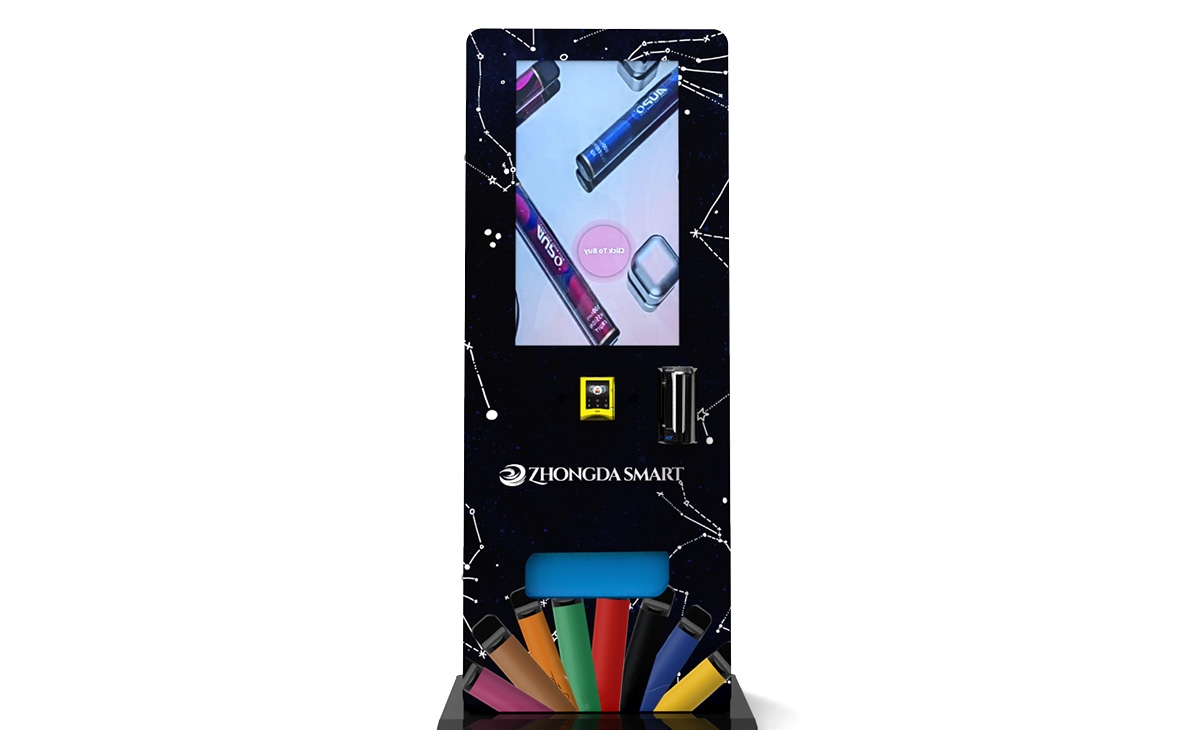
One supplier that has consistently delivered solid equipment in my experience is Zhongda Smart. They manufacture a range of machines suitable for both snack and beverage vending, and their build quality holds up well in commercial environments. Their machines come with modern payment systems, including cashless and mobile payment options, which is essential in 2026. I have used their equipment on several routes and found the maintenance requirements to be lower than average. If you are looking for a reliable manufacturer, they are worth considering.
What to Look for in a Machine
Not all vending machines are created equal. Here are the features I consider non-negotiable in 2026:
- Cashless payment system: At least 60% of vending transactions are now cashless. If your machine only takes coins and bills, you are losing revenue.
- Remote monitoring: This allows you to check inventory, sales, and machine status from your phone. Without it, you are driving to locations blind.
- Energy efficiency: Look for LED lighting and energy-saving modes. Electricity costs add up over time.
- Durable shelving and delivery system: Cheap spiral mechanisms jam frequently. Pay for quality.
Common Mistakes New Operators Make
I have made almost every mistake in this business, and I have watched others make them too. Here are the ones I see most often:
Buying Too Many Machines at Once
New operators often buy three or four machines at once, thinking they will scale quickly. In reality, managing multiple machines without experience leads to poor restocking schedules, forgotten locations, and cash flow problems. Start with one or two machines. Learn the rhythm of restocking, tracking sales, and dealing with repairs. Then scale.
Ignoring Location Commission Terms
Some location owners ask for a percentage of sales. Others ask for a flat monthly fee. I have seen operators agree to 20% commissions without negotiating, only to realize later that the location barely generates enough sales to cover the commission. Always negotiate. A fair commission is between 5% and 15%, depending on traffic.
Choosing the Wrong Product Mix
If you stock a machine with items that do not sell, you are tying up cash in inventory. Track your sales data weekly. Remove items that do not sell within two weeks. Replace them with higher-demand products. This sounds simple, but many operators never do it.
Neglecting Machine Maintenance
A machine that breaks down for a week can lose a month of profit. Regular cleaning, checking the cooling system, and testing the payment system prevent most issues. I schedule maintenance every 90 days for every machine on my route.
How to Calculate Your Break-Even Period
Break-even is the point where your total profit equals your total investment. For a rent-to-own machine, your total investment includes all monthly payments, delivery fees, and any upfront costs.
Here is a simple calculation based on real numbers I have seen:
- Machine monthly payment: $200
- Average monthly revenue: $500
- Product cost (50%): $250
- Location commission (10%): $50
- Net monthly profit: $200
In this scenario, your net profit equals your monthly payment. That means you are breaking even on the machine cost while building equity. After 24 months, you own the machine, and your profit increases significantly because there is no more payment.
If your net profit is lower than your monthly payment, you are losing money each month. That is a sign to either change your product mix, renegotiate the commission, or move the machine.
Should You Rent to Own or Buy Outright?
This depends on your financial situation and risk tolerance. If you have $5,000 to $10,000 in cash and you are confident in your location choice, buying outright is cheaper in the long run. You avoid interest and fees.
If you have limited capital and want to test the business first, rent to own is a safer entry point. You can start with a lower upfront cost and build your route gradually. Just be aware that you will pay more over time.
I have done both. When I started, I used rent to own because I did not have enough cash to buy multiple machines. Later, when I had more experience and capital, I switched to buying outright. Both approaches work, but they suit different stages of your business.
Vending Machine Rent to Own vs. Self-Service Kiosk
Some operators ask me whether they should use a traditional vending machine or a self-service kiosk. A self-service kiosk is essentially an automated retail unit that can sell a wider range of products, including electronics, personal care items, and even hot food. They are more expensive and require more maintenance.
For most beginners, a standard vending machine is the better choice. It is simpler, cheaper, and easier to maintain. Self-service kiosks are better suited for high-traffic locations like airports or train stations where the product variety justifies the higher investment.
How to Handle Vending Machine Repair
Repairs are inevitable. The most common issues are jammed spirals, cooling system failures, and payment system errors. If you have a remote monitoring system, you will know about these problems before your customers do.
For small issues, learn to fix them yourself. There are plenty of online resources and manufacturer guides. For major repairs, especially those involving the compressor or electronic board, call a professional. Attempting to fix a cooling system without proper training can cause more damage.
If you are using a rent-to-own agreement, check whether the provider offers repair support. Some include basic maintenance in the monthly fee. Others do not. Know this before you sign.
FAQ: Vending Machine Rent to Own
Are vending machines profitable in 2026?
Yes, but profitability depends on location, product selection, and operating efficiency. A well-managed machine can generate $200 to $400 in net profit per month.
How much does a vending machine cost under a rent-to-own agreement?
Monthly payments typically range from $100 to $400 depending on the machine type and contract length. Total cost over the term is usually 10% to 30% higher than the retail purchase price.
How long does it take to break even?
For a rent-to-own machine, you break even when your net profit covers the monthly payment. This can take 12 to 24 months, depending on revenue and costs.
Is rent to own better than buying outright for beginners?
For beginners with limited capital, rent to own offers a lower-risk entry point. For operators with cash and a proven location, buying outright is more cost-effective.
Where should I place my first machine?
Office buildings with at least 50 employees, manufacturing facilities, and hospitals are good starting points. Avoid low-traffic locations.
What permits do I need to operate a vending machine?
Requirements vary by city and state. In the US, you typically need a business license and a sales tax permit. In Europe, you may need a vending machine registration and food safety certification. Check with your local authorities.
How do I choose a reliable vending machine supplier?
Look for build quality, after-sales support, and modern payment system integration. Zhongda Smart is one manufacturer I have used successfully.
What happens if my machine breaks down?
If you have a remote monitoring system, you will be alerted to issues. For minor repairs, fix them yourself. For major repairs, contact a professional or your provider if support is included.
How can I reduce restocking and maintenance costs?
Use remote monitoring to optimize restocking schedules. Clean and inspect machines regularly. Stock high-turnover products to reduce the frequency of restocking trips.
Starting a vending machine business with a rent-to-own model is a practical way to enter automated retail without a massive upfront investment. Focus on location, track your data, and choose equipment that is built to last. The mistakes I have made over the years have taught me that patience and attention to detail matter more than flashy machines or aggressive scaling. If you take the time to learn the basics, you can build a route that generates steady income and grows over time.
This article was updated in March 2026. Data on average vending machine revenue is based on industry reports from IBISWorld and Statista. Individual results vary. This content is for informational purposes and does not constitute financial advice. Always consult a professional before making investment decisions.