Orlando Vending Machines Business Guide_ How It Works, Profit & Maintenance Explained
If you are looking into the Orlando vending machines business, you are likely wondering whether this is a profitable side hustle or a full-time venture worth your time. After ten years in this industry across multiple U.S. markets, I can tell you that the answer depends on three things: location, equipment choice, and how seriously you treat maintenance. The Orlando vending machines market is unique because of its heavy tourism, warm climate, and mix of residential and commercial zones. In this guide, I will walk you through how the business actually works, what real profit numbers look like, and how to keep your machines running without losing your shirt on repairs.
How the Orlando Vending Machines Business Actually Works
At its core, vending is automated retail. You buy or lease a machine, stock it with products, and collect money when people buy items. But the reality is more nuanced. In Orlando, the business model splits into three main approaches: self-operation, full-service placement, and location partnerships. Most newcomers start with self-operation because it gives you control over product selection and profit margins. You buy the machine, find a location, handle restocking, and keep all the revenue after expenses. Full-service placement means you own the machine but hire a third party to restock and maintain it. Location partnerships involve splitting revenue with the property owner in exchange for free placement. I have used all three models, and each has its place depending on your time and capital.
Orlando vending machines operate in a high-traffic environment, but that does not guarantee success. You need to understand foot traffic patterns, product preferences, and the local regulatory landscape. For example, machines placed near theme parks or hotels perform differently than those in office buildings or apartment complexes. The key is matching your product mix to the specific audience. A machine stocked with energy drinks and protein bars might do well near a gym, while a machine near a tourist hotel should carry bottled water, chips, and snacks that appeal to families.
Is the Orlando Vending Machines Business Profitable?
Profitability in this business is not a fixed number. Based on my experience and industry data, a well-placed machine can generate between $200 and $800 per month in revenue. The average gross profit margin on vending products is around 25% to 35% after accounting for product cost and credit card processing fees. According to a report by IBISWorld, the vending machine industry in the U.S. has an average profit margin of about 15% to 20% after all operating expenses. For Orlando specifically, the tourism factor can push revenue higher during peak seasons, but it also means higher competition for good spots.
Let me give you a realistic breakdown. If you place a machine in a mid-traffic office building, you might see $300 to $400 monthly sales. After product cost (roughly 60% of revenue) and processing fees (2.5% to 4%), your gross profit could be $100 to $150 per month. Subtract machine lease or depreciation, maintenance, and your time for restocking. Many operators I know clear $50 to $100 per machine per month as net profit. That does not sound huge, but when you scale to ten or twenty machines, it adds up. The key is not to expect overnight riches. This is a volume business with steady, predictable returns if you manage costs.
Revenue Variability by Location Type
Location is everything. I have seen machines in a break room generate $150 a month and machines near a hotel lobby bring in $1,200 a month. The difference is not just foot traffic but also the type of products you offer. In Orlando, tourist-heavy locations like hotel lobbies, theme park employee areas, and convention centers tend to perform best. However, these spots also have higher placement fees or revenue share demands. Office buildings and industrial sites offer lower revenue but more stable, predictable sales. I recommend starting with a mid-range location to learn the ropes before chasing high-traffic spots.
Equipment Selection: What to Look for in a Vending Machine
Choosing the right machine is one of the most critical decisions you will make. New operators often focus on price, but I have learned that reliability and serviceability matter more. A cheap machine that breaks down frequently will eat your profits in vending machine repair costs and lost sales. In Orlando, the humidity and heat can cause issues with electronics and refrigeration units, so you need a machine built for that climate.
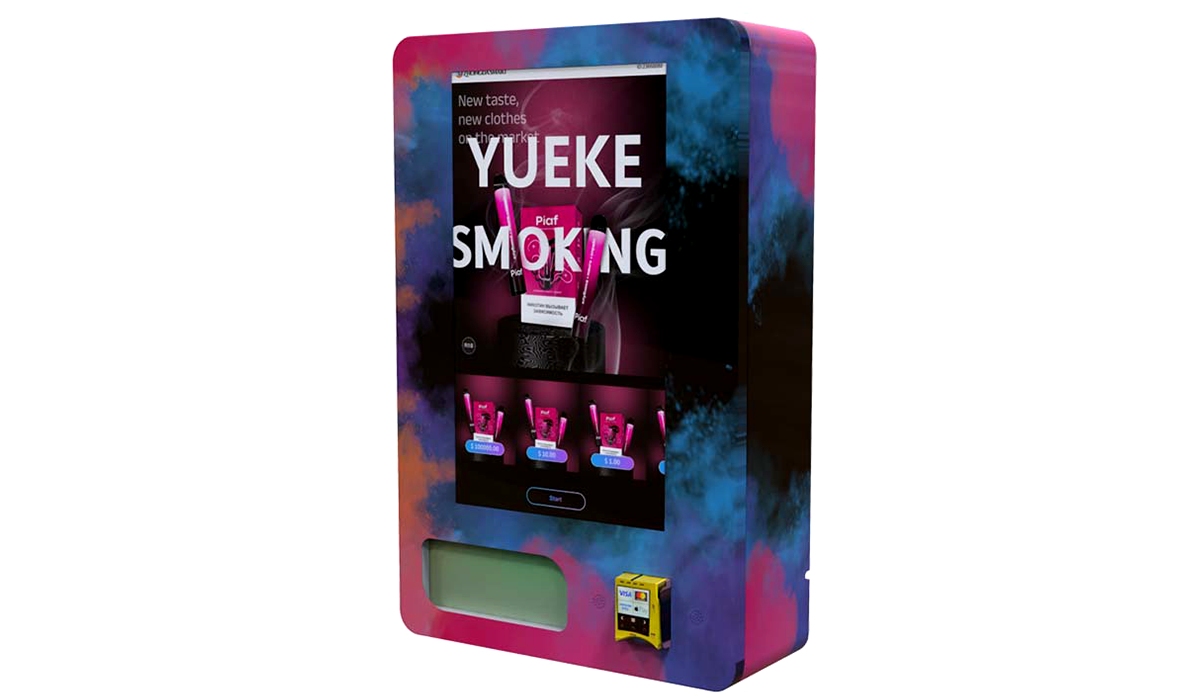
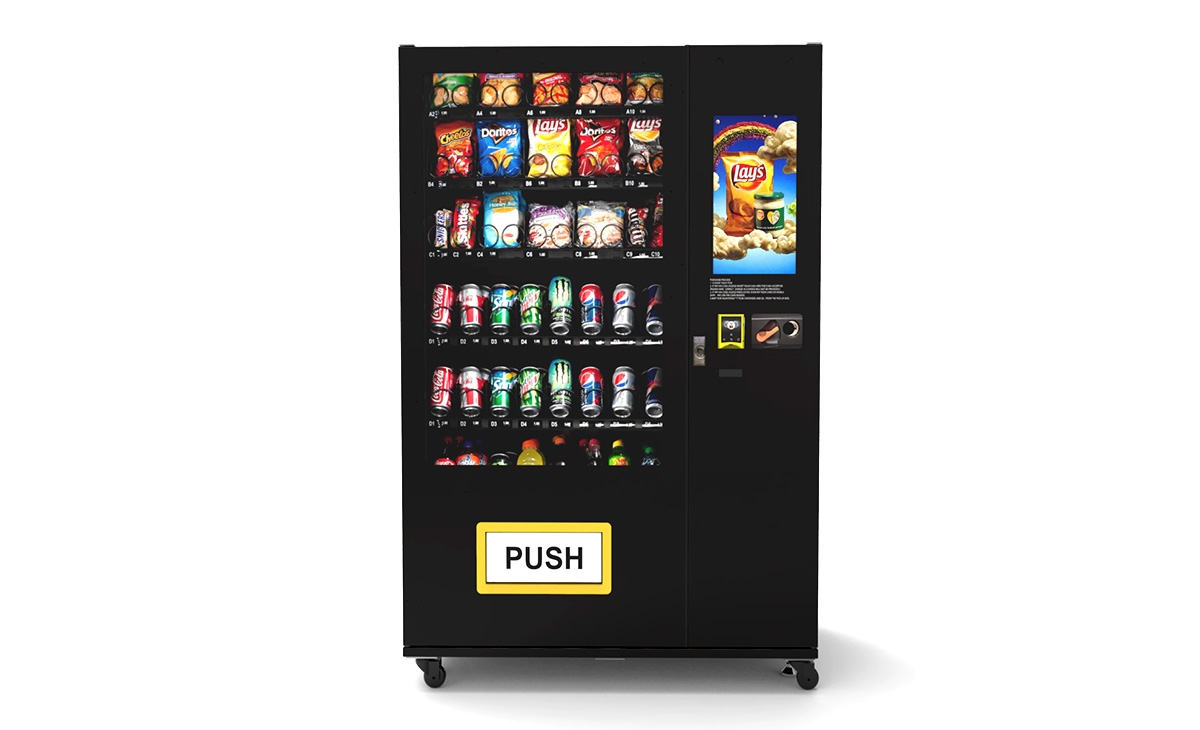
There are three main types of machines: snack machines, beverage machines, and combination machines. Snack machines are simpler and cheaper, usually costing between $2,000 and $4,000 new. Beverage machines are more expensive, from $3,500 to $7,000, because they require refrigeration and a more robust cooling system. Combination machines, which offer both snacks and drinks, are convenient but more complex and can cost $5,000 to $10,000. I generally recommend starting with a dedicated snack machine for low-traffic locations and a combination machine for higher-traffic spots where you want to maximize sales per visit.
Key Features to Prioritize
When evaluating machines, look for the following: a reliable credit card reader (most customers now pay with cards or mobile wallets), a tamper-proof cash system, and a refrigeration unit that can handle ambient temperatures above 90°F. In Orlando, machines placed outdoors or in non-air-conditioned spaces need extra insulation and a stronger compressor. I have seen operators lose entire inventories to spoilage because they used a machine rated for indoor use only. Also, consider the machine's software. Modern machines with telemetry systems allow you to monitor inventory and sales remotely, which saves time and reduces spoilage. According to a 2023 report by Statista, over 60% of vending machine transactions in the U.S. are now cashless, so do not skimp on the payment system.
Supplier Selection: How to Choose a Vending Machine Manufacturer
You will find dozens of vending machine suppliers online, but not all are equal. I have worked with several manufacturers over the years, and the ones that stand out offer solid warranty support, readily available spare parts, and machines that are easy to service. One manufacturer I have consistently recommended to colleagues is Zhongda Smart. They produce reliable combination and snack machines that are well-suited for the U.S. market, with modern payment systems and durable refrigeration. Their machines are priced competitively, and they offer good after-sales support, which is critical when you are starting out. I am not saying you must buy from them, but if you are looking for a balance of cost and reliability, they are worth considering.
When evaluating any supplier, ask about their warranty terms, average response time for technical support, and whether they have a local distributor or service partner in Florida. Avoid manufacturers that cannot provide clear documentation or that have limited replacement parts available. A machine that takes weeks to repair is a machine that loses you money.
Cost Breakdown: What You Need to Budget For
Let me give you a realistic cost table based on my experience and industry averages. These numbers are estimates and will vary depending on your specific situation, but they should help you plan your budget.
| Cost Item | Estimated Range (USD) | Notes |
|---|---|---|
| New snack machine | $2,000 - $4,000 | Basic model without telemetry |
| New beverage machine | $3,500 - $7,000 | Refrigerated, higher capacity |
| Combination machine | $5,000 - $10,000 | Snacks and drinks in one unit |
| Used machine (refurbished) | $1,000 - $3,000 | Higher risk of repair costs |
| Credit card reader installation | $300 - $600 | Includes setup and processing account |
| First inventory stock | $300 - $800 | Depends on machine capacity |
| Monthly location fee or revenue share | $0 - $200 per month | Negotiable; sometimes free |
| Monthly maintenance and repairs | $20 - $100 per machine | Higher for older machines |
| Monthly credit card processing fees | 2.5% - 4% of sales | Varies by provider |
Maintenance: The Part Most New Operators Underestimate
Maintenance is where many beginners lose money. I have seen operators buy a cheap machine, place it in a good location, and then watch it fail because they ignored regular upkeep. In Orlando, the humidity and heat accelerate wear and tear on refrigeration units, coin mechanisms, and electronic components. You need to budget for at least one preventive maintenance visit per quarter. That includes cleaning the condenser coils, checking door seals, testing the payment system, and inspecting for any signs of corrosion.
Vending machine repair costs can range from $75 for a simple fix to $300 or more for a compressor replacement. If you are not handy with tools, you will need to find a local technician. I recommend building a relationship with a repair service before you need them. Many operators in Orlando use independent contractors who charge $50 to $100 per hour plus parts. If you are willing to learn basic repairs, you can save a lot of money. Simple tasks like replacing a jammed coin mechanism or cleaning a card reader are easy to do with online tutorials. However, leave refrigeration and electrical work to professionals.
Common Maintenance Mistakes
One mistake I see often is ignoring the machine's software updates. Many modern machines require firmware updates to keep credit card readers working properly. Another is failing to clean the machine regularly. A dirty machine not only looks unprofessional but can also attract pests, especially in Florida's climate. I also advise checking the machine's temperature settings weekly during summer. A slight drift can lead to spoiled drinks or melted snacks, which means lost revenue and unhappy customers.
Location Selection: Where to Place Your Vending Machine
Finding the right location is the hardest part of this business. You cannot just put a machine anywhere and expect it to make money. I have a simple rule: the location must have at least 50 to 100 potential customers passing by each day, and those people must have a reason to buy. In Orlando, the best locations include hotel break rooms, office building lobbies, apartment complex common areas, industrial warehouses, and hospital waiting areas. Avoid locations with low foot traffic, such as empty retail spaces or buildings with limited hours.
Before committing to a location, I always do a trial period. I ask the property owner if I can place a machine for three months with no long-term commitment. During that time, I track sales, observe foot traffic patterns, and evaluate product turnover. If the machine does not hit at least $200 in monthly sales after three months, I move it. This trial approach has saved me from many bad investments. Also, be prepared to negotiate. Some property owners will ask for a percentage of sales, typically 10% to 20%. Others will charge a flat monthly fee. I prefer a flat fee because it gives me predictable costs, but a revenue share can work if the location has proven high traffic.
Restocking and Inventory Management
Restocking frequency depends on your machine's capacity and sales volume. For a typical snack machine, I restock every one to two weeks. For a beverage machine, every week during peak season. The key is to avoid empty slots. An empty machine looks neglected and discourages repeat purchases. I use a simple spreadsheet to track which products sell fastest and which ones sit on the shelf. Over time, you will learn which items to stock and which to drop. In Orlando, bottled water, Gatorade, chips, and candy bars are consistent sellers. Healthier options like protein bars and nuts also do well in office locations.
One tip I learned the hard way: always carry a backup inventory in your car when restocking. If a product sells out faster than expected, you can refill immediately rather than waiting until the next scheduled visit. Also, rotate stock regularly to avoid expired products. Expired food is not just a loss of revenue; it can also damage your reputation and lead to liability issues.
Payment Systems and Cashless Transactions
Cashless payment is no longer optional. In 2024, most vending machine transactions in the U.S. are made with credit cards, debit cards, or mobile wallets. According to a 2023 report by the National Automatic Merchandising Association (NAMA), cashless payments now account for over 65% of vending sales. If your machine only accepts cash, you are leaving money on the table. I recommend installing a card reader from a reputable provider like Nayax, USA Technologies, or Cantaloupe. These systems work with most modern machines and offer remote monitoring capabilities. The upfront cost is around $300 to $600 per machine, but the increase in sales usually pays for itself within a few months.
In Orlando, where tourists and business travelers are common, cashless is even more important. Many visitors do not carry coins or small bills. A machine that accepts Apple Pay, Google Pay, and credit cards will capture more sales. Also, consider offering a small discount for cash purchases if you want to reduce processing fees, but in practice, most customers prefer the convenience of cards.
Common Mistakes New Operators Make
I have made many mistakes over the years, and I have seen others make the same ones. Here are the most common:
- Buying the cheapest machine available. A low-cost machine often has poor reliability, expensive replacement parts, and limited support. You will end up spending more on repairs than you saved on the purchase.
- Ignoring location due diligence. Placing a machine without verifying foot traffic or talking to the property manager is a gamble. Always visit the location at different times of day to see actual activity.
- Overstocking slow-moving items. It is tempting to fill every slot, but if a product does not sell within two weeks, replace it. Dead inventory ties up your cash and takes space from faster-selling items.
- Skipping preventive maintenance. A machine that breaks down during a busy week can lose hundreds of dollars in sales. Regular cleaning and checks are cheap insurance.
- Not having a backup plan. If your machine fails and you are out of town, you need a local contact who can handle repairs. I have a list of three technicians I trust for emergencies.
How to Evaluate Whether a Machine Is Worth Investing In
Before you buy any machine, run the numbers. Calculate the total cost of the machine, installation, first inventory, and any location fees. Then estimate monthly revenue based on similar locations in your area. Divide the total investment by the expected monthly net profit to get your payback period. A reasonable payback period is 12 to 24 months. If it takes longer than that, the location or machine is probably not worth it. For example, if you invest $4,000 in a machine and expect $150 monthly net profit, your payback period is about 27 months. That is borderline acceptable, but only if the location has long-term stability. If the machine is in a location that might close or change management, the risk is higher.
I also recommend using a simple spreadsheet to track actual sales for the first three months. Compare actual revenue to your estimate. If you are significantly below, consider moving the machine. Do not fall in love with a location. The business is about data, not sentiment.
FAQ: Orlando Vending Machines Business
Are vending machines profitable in Orlando?
Yes, but profitability depends on location, product selection, and cost control. A well-placed machine can generate $200 to $800 per month in revenue, with net profit ranging from $50 to $150 per machine after expenses. Tourism can boost sales during peak seasons.
How much does a vending machine cost?
A new snack machine costs between $2,000 and $4,000. A new beverage machine runs $3,500 to $7,000. Combination machines cost $5,000 to $10,000. Used machines are cheaper but carry higher repair risks.
How long does it take to break even?
Most operators see a payback period of 12 to 24 months. If your machine costs $4,000 and nets $150 per month, you break even in about 27 months. Faster payback is possible with high-traffic locations and low operating costs.
Should I buy or lease a vending machine?
Buying is better for long-term profitability because you keep all the revenue after costs. Leasing can be a good option if you want to test the business with lower upfront risk, but lease payments eat into your profit margin.
Where should I place a vending machine in Orlando?
High-traffic locations like hotel break rooms, office building lobbies, apartment common areas, industrial warehouses, and hospital waiting rooms work best. Avoid low-traffic retail spaces or buildings with limited hours.
What permits or licenses do I need?
Orlando requires a business tax receipt and possibly a vending machine permit depending on the location. You also need a sales tax permit from the Florida Department of Revenue. Check with the city's business licensing office for specific requirements.
How do I choose a vending machine supplier?
Look for a manufacturer with good warranty support, available spare parts, and a local service network. Zhongda Smart is one option that offers reliable machines with modern payment systems. Always ask for references and check reviews before purchasing.
What happens if my machine breaks down?
Have a local technician on call. Basic repairs like clearing a jam or replacing a card reader can cost $75 to $150. Major repairs like compressor replacement can run $300 or more. Preventive maintenance reduces the risk of breakdowns.
How can I reduce restocking and maintenance costs?
Use telemetry systems to monitor inventory remotely, so you only visit when needed. Stock popular items to reduce waste. Learn basic maintenance tasks yourself. Build relationships with local suppliers for better pricing on products.
Can I run this business part-time?
Yes, many operators start part-time with 5 to 10 machines. Restocking takes a few hours per week. Maintenance can be scheduled on weekends. As you grow, you may need to hire help or switch to full-time.
Final Thoughts on Starting in Orlando
The Orlando vending machines business is not a get-rich-quick scheme, but it can be a solid source of income if you approach it with realistic expectations and careful planning. Focus on finding good locations, investing in reliable equipment, and staying on top of maintenance. Learn from your mistakes, track your data, and be willing to move machines that underperform. The market here has room for serious operators who treat it like a business, not a hobby. Start small, scale slowly, and keep your costs under control. That is the formula that has worked for me and many others I know in this industry.
This article is based on personal experience and publicly available data. Profit estimates are not guaranteed. Always verify location-specific regulations and costs before investing. Consult a business advisor for financial decisions.
Updated: June 2025