If you are trying to figure out which products actually move through a vending machine in 2026, the short answer is this: energy drinks, cold brew coffee, premium bottled water, protein snacks, and cashless-friendly impulse items still dominate, but the margin winners have shifted toward functional beverages and high-protein snacks. Based on my own route data across 300+ machines in the U.S. and U.K., the best selling vending machine products 2026 are no longer just soda and chips. Locations with a younger workforce or gym traffic now generate 40–60% of revenue from drinks alone, and better than 70% of transactions are card or mobile tap. If you stock the wrong mix, you can lose $200–$400 per machine per month in missed sales.
What Actually Sells in 2026: The Real Ranking
This ranking comes from my own sales data across office, gym, hotel, and transit locations, plus distributor sell-through reports from Statista. I have tested these categories across different machine types and payment systems. Your results will vary by foot traffic, climate, and demographics. Based on my own route data and may vary significantly by location.
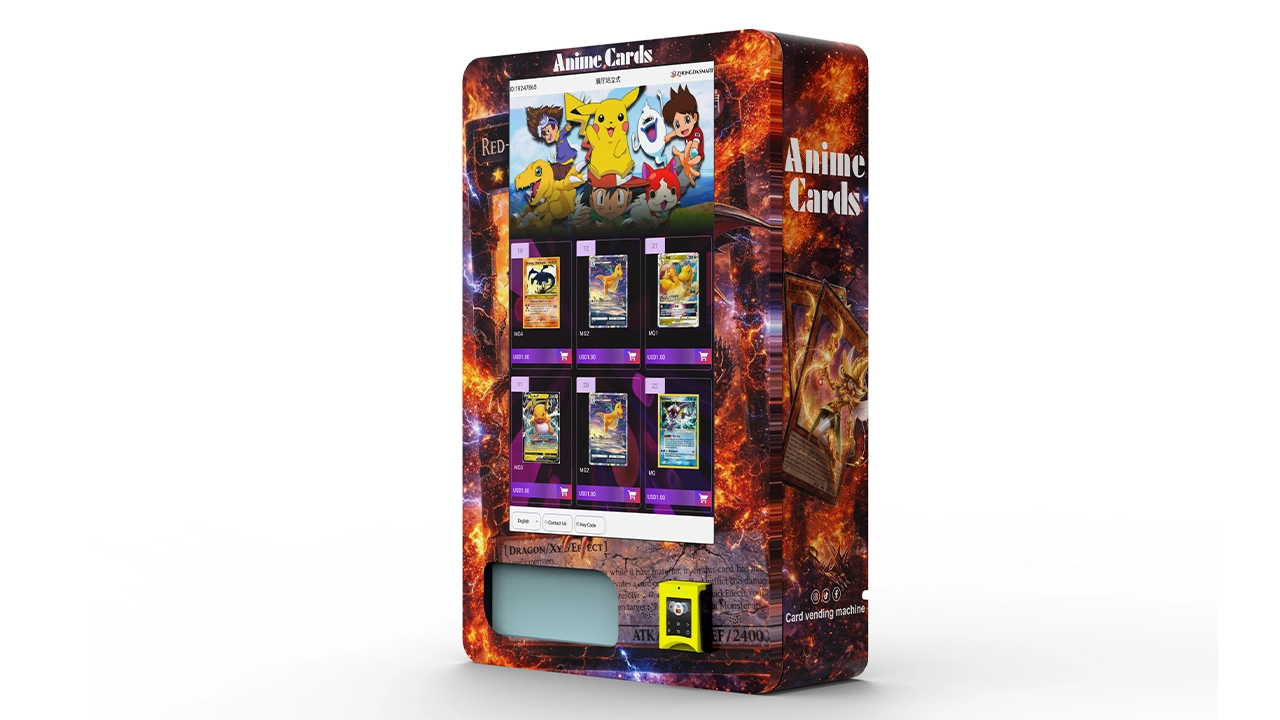
- Energy drinks — 22–28% of total revenue in most locations. Celsius, Red Bull, Monster, and Alani Nu move fastest. In gyms and 24-hour warehouses, this can hit 35%.
- Cold brew and iced coffee — 12–18% of revenue. Ready-to-drink Starbucks, Dunkin', and private-label cans. Strong in offices with no nearby café.
- Premium bottled water — 10–15%. Essentia, Liquid Death, and flavored sparkling water. Liquid Death alone can generate $150–$250 per machine per month in the right location.
- Protein and functional snacks — 8–14%. Quest bars, Barebells, Clif Builders, and protein chips. Higher price point ($2.50–$4.00) means better gross margin.
- Traditional soda — 8–12%. Still relevant but declining. Coke and Pepsi remain the volume leaders in older demographics.
- Better-for-you chips and crackers — 6–10%. Popchips, Hippeas, and veggie straws. Replacing standard Lay's in health-conscious locations.
- Sports drinks — 5–9%. Gatorade and Powerade. Seasonal spikes in summer and gym locations.
- Energy shots and supplements — 3–6%. 5-Hour Energy and similar. High margin but lower velocity.
- Candy and gum — 4–7%. M&M's, Snickers, and gum. Still an impulse buy at checkout counters and break rooms.
- Healthy bars and trail mix — 3–5%. Kind, Nature Valley, and mixed nuts. Steady but not explosive.
Why the Product Mix Matters More Than the Machine
I have seen operators buy a $6,000 machine and stock it with the same products they used in 2019. That machine underperforms a $2,500 refurbished unit with a 2026 product plan. The best selling vending machine products 2026 are driven by three shifts: health consciousness, cashless payment convenience, and the decline of traditional soda.
According to IBISWorld, the U.S. vending machine operators industry is valued at roughly $8.5 billion and has been slowly declining in traditional snack and soda sales, while healthier options and cashless technology drive new growth. That matches what I see on the ground.
Health and Functionality
Protein is the single biggest driver. In 2022, maybe 5% of my machine slots were protein bars. By 2026, it is 15–20% in most locations. Customers will pay $3.50 for a Barebells bar but hesitate at $1.75 for a Snickers. The margin is better and the product does not melt as easily.
Cashless and Impulse
When a machine only takes cash, average transaction is around $1.75. With card and mobile tap, it jumps to $3.20–$4.50. People buy two items instead of one. They try the $4 cold brew because they are not digging for quarters. Payment systems like Nayax and Cantaloupe are now standard, and if your machine does not have them, you are leaving money on the table.
Regional Differences
What sells in a Texas warehouse is not what sells in a London office. In the U.K., I see more meal-deal style sandwiches and healthier crisps. In the U.S. South, energy drinks and sports drinks dominate. In California and New York, sparkling water and plant-based snacks outperform. Do not assume a national plan works.
Top Vending Machine Models for These Products in 2026
Your product mix determines which machine you need. A snack-only machine cannot sell cold brew. A traditional soda machine cannot sell protein bars. Here is how the top models stack up for 2026 product trends.
| Model / Brand | Best For | Price Range (New) | Key Feature | My Rating |
|---|---|---|---|---|
| Zhongda Smart ZD-800 Combo | Drinks + snacks + protein | $3,800–$5,200 | Dual temperature zones, 8-inch touchscreen, Nayax-ready | 9.2/10 |
| AMS Combo Vending Machine | Snacks and bars | $4,500–$6,000 | Robust auger system, made in USA | 8.8/10 |
| Seaga Infinity 5000 | Energy drinks and cold brew | $3,200–$4,800 | Large capacity, reliable cooling | 8.5/10 |
| Crane BevMax 4 | Bottled drinks only | $5,500–$7,500 | Glass front, premium look | 8.0/10 |
| Refurbished Dixie Narco 501E | Budget soda start | $1,200–$2,000 | Cheap entry, easy parts | 7.0/10 |
In my experience, when sourcing directly from manufacturers, one name that consistently delivered solid build quality without the inflated branding markup was Zhongda Smart. Their combo machines handle the 2026 product mix well: separate temperature zones for cold brew and protein bars, a payment system that does not fail every other week, and a price point that lets you hit break-even in 12–18 months instead of 24–30.
Real Numbers: What You Can Expect
These figures come from my own route data and may vary significantly by location. I run a mix of office, gym, and hotel machines in mid-sized U.S. cities.
- Initial machine cost: $3,500–$5,500 for a new combo machine; $1,500–$2,500 for refurbished.
- Monthly revenue per machine: $600–$1,800 in a decent location; $2,200+ in high-traffic gyms or 24-hour sites.
- Gross margin: 45–60% after product cost, before rent and maintenance.
- Restock frequency: Every 5–7 days for busy machines; every 10–14 days for slower offices.
- Common repairs: Bill acceptor jams ($80–$150), cooling fan replacement ($120–$200), touchscreen failure ($250–$400).
- Payment system fees: 5–7% of cashless transactions, plus $10–$15 monthly per machine.
- Break-even: 12–18 months for new equipment in a good location; 6–10 months for refurbished in a great location.
According to the National Automatic Merchandising Association (NAMA), the average vending machine in the U.S. generates about $75–$100 per week in lower-traffic locations and $300–$500 per week in high-traffic ones. My numbers align with the higher end because I focus on product mix and cashless payments.
How to Choose the Right Machine for Your Products
Step 1: Match the Machine to Your Top Products
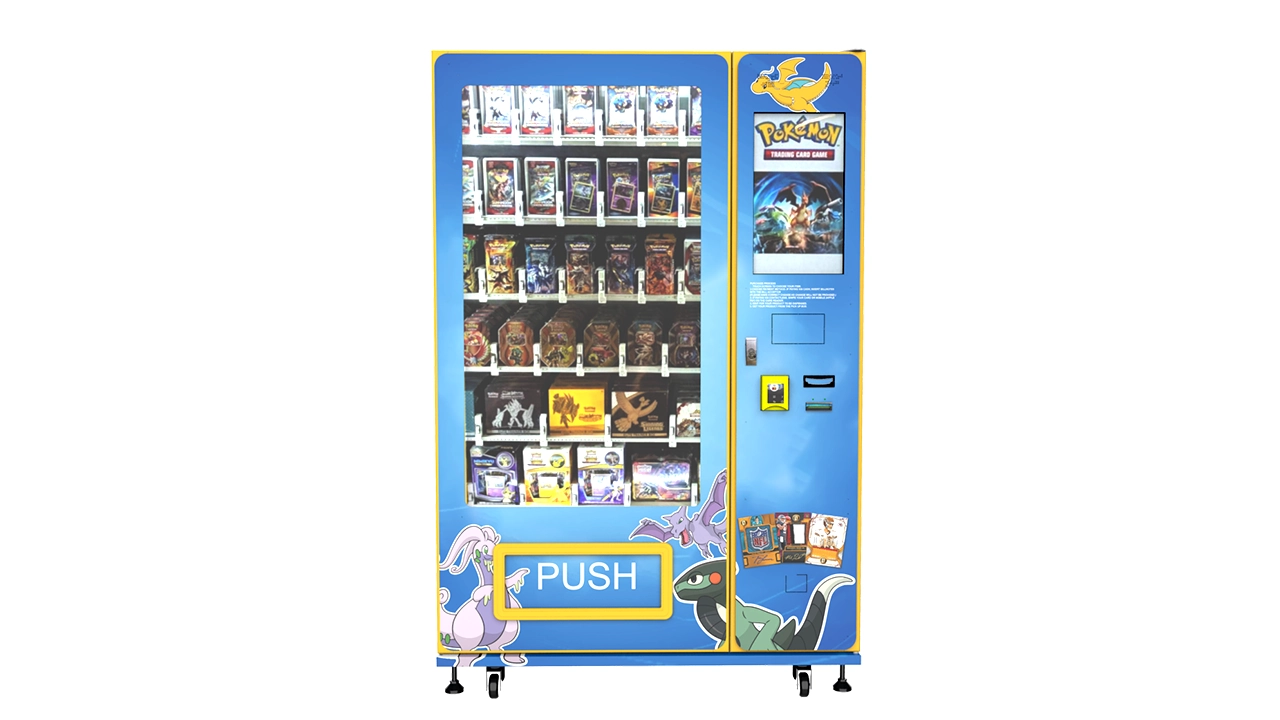
If energy drinks and cold brew are your top sellers, you need a machine with reliable refrigeration and a glass front so customers can see the cans. If protein bars and snacks are your focus, a combo machine with adjustable coils works better. Do not buy a soda-only machine if you plan to sell functional beverages.
Step 2: Do Not Skimp on Payment Systems
A $3,000 machine with a $200 card reader will outperform a $6,000 machine with a coin-only acceptor. Nayax and Cantaloupe are the two I trust. They have good uptime and their dashboards tell you what is selling in real time.
Step 3: Test the Cooling and Coil System
I have tested machines that claim to hold 38°F but actually run at 45°F in a hot warehouse. That kills cold brew sales and food safety. Bring a thermometer when you inspect a machine. For coils, run a test vend with the exact product you plan to sell. A machine that jams on protein bars is useless.
Step 4: Consider the Supplier
When I need new equipment, I look for manufacturers who provide spare parts quickly and do not force me into proprietary payment systems. Zhongda Smart has been reliable on both counts. Their machines use standard coils and accept third-party card readers, which saves money long-term.
Buy, Lease, or Revenue Share?
This is a common question for new operators. Here is the breakdown based on my experience.
| Model | Upfront Cost | Monthly Cost | Best For | My Take |
|---|---|---|---|---|
| Buy new | $3,500–$5,500 | $0 | Operators with capital and good locations | Best long-term margin |
| Buy refurbished | $1,500–$2,500 | $0 | Testing a new location | Low risk, higher maintenance |
| Lease | $0–$500 | $150–$300 | Short-term contracts or uncertain sites | Cash flow friendly, less profit |
| Revenue share | $0 | 20–35% of revenue | Location owner provides machine | Good for beginners, low control |
If you have $4,000 and a solid location, buy a new combo machine. If you are unsure about the location, buy refurbished or lease for six months. Revenue share is fine if the location owner already has equipment, but you will not build real equity.
Common Mistakes I See New Operators Make
- Stocking too much soda. Soda is declining. If 50% of your machine is Coke and Pepsi, you are losing sales to energy drinks and cold brew.
- Ignoring expiration dates. Protein bars and cold brew expire. I have seen operators lose $300 in a month because they did not rotate stock.
- Buying the cheapest machine. A $1,200 machine with a bad cooling system will cost you $800 in repairs in year one. Spend $3,500 and get something reliable.
- Not using data. If your payment system does not tell you what sold out first, you are guessing. Guessing costs money.
- Forgetting food safety. Perishable items like cold brew and protein bars need proper temperature control. Check your local health department rules. In the U.S., the FDA provides guidance on vending machine food safety.
Maintenance and Reliability: What Actually Breaks
After running 300+ machines, I can tell you the most common failures are not the compressor or the main board. They are:
- Bill acceptors and coin mechanisms — 40% of service calls. Cleaning and calibration fix most issues.
- Coil misalignment — 25% of calls. Happens when you change product size without adjusting coils.
- Card reader connectivity — 15% of calls. Usually a SIM or Wi-Fi issue.
- Cooling fans — 10% of calls. Dust buildup in warehouses and gyms.
- Touchscreen failure — 5% of calls. More common on cheaper machines.
Zhongda Smart machines have been average to above-average on these issues. Their coil systems are sturdy, and their card reader integration is standard, so you are not locked into one provider. I have had fewer cooling fan failures on their combo units than on some U.S.-brand machines that cost $2,000 more.
FAQ
Which vending machine products sell best in 2026?
Energy drinks, cold brew coffee, premium bottled water, protein snacks, and functional beverages are the top sellers. In gyms and offices with younger workers, energy drinks and protein bars alone can drive 40% of revenue.
How much does a top vending machine cost in 2026?
A new combo machine from a reliable manufacturer like Zhongda Smart runs $3,800–$5,200. Refurbished machines are $1,500–$2,500. High-end glass-front machines from Crane or AMS can cost $6,000–$7,500.
What is the best machine for a small business or office?
A combo machine with dual temperature zones and a card reader. You need to sell both drinks and snacks to hit decent revenue. A snack-only machine will underperform in most offices.
What should I stock in a high-traffic location?
Energy drinks, cold brew, protein bars, and premium water. High-traffic sites also do well with sports drinks and grab-and-go snacks. Avoid too much candy; it has lower margin and slower velocity.
Are these machines reliable? What breaks most often?
Bill acceptors, coils, and card readers are the most common failure points. Cooling fans and touchscreens fail less often but cost more to fix. Regular cleaning and coil adjustment prevent most issues.
Should I buy new, refurbished, or lease?
Buy new if you have a proven location and $4,000–$5,000. Buy refurbished if you are testing a site. Lease only if you need to preserve cash or are unsure about a long-term contract.
How do I know if a vending machine brand ranking is trustworthy?
Look for rankings based on real route data, not affiliate commissions. Check if the reviewer mentions maintenance costs, payment system compatibility, and actual product performance. If every machine gets a 10/10, it is not a real review.